Hawassa Industrial Park
Dieser Industriepark geht über die reine Fertigung hinaus; er setzt auf Umweltverantwortung.
Die ganze Geschichte wird in der Tour freigeschaltet
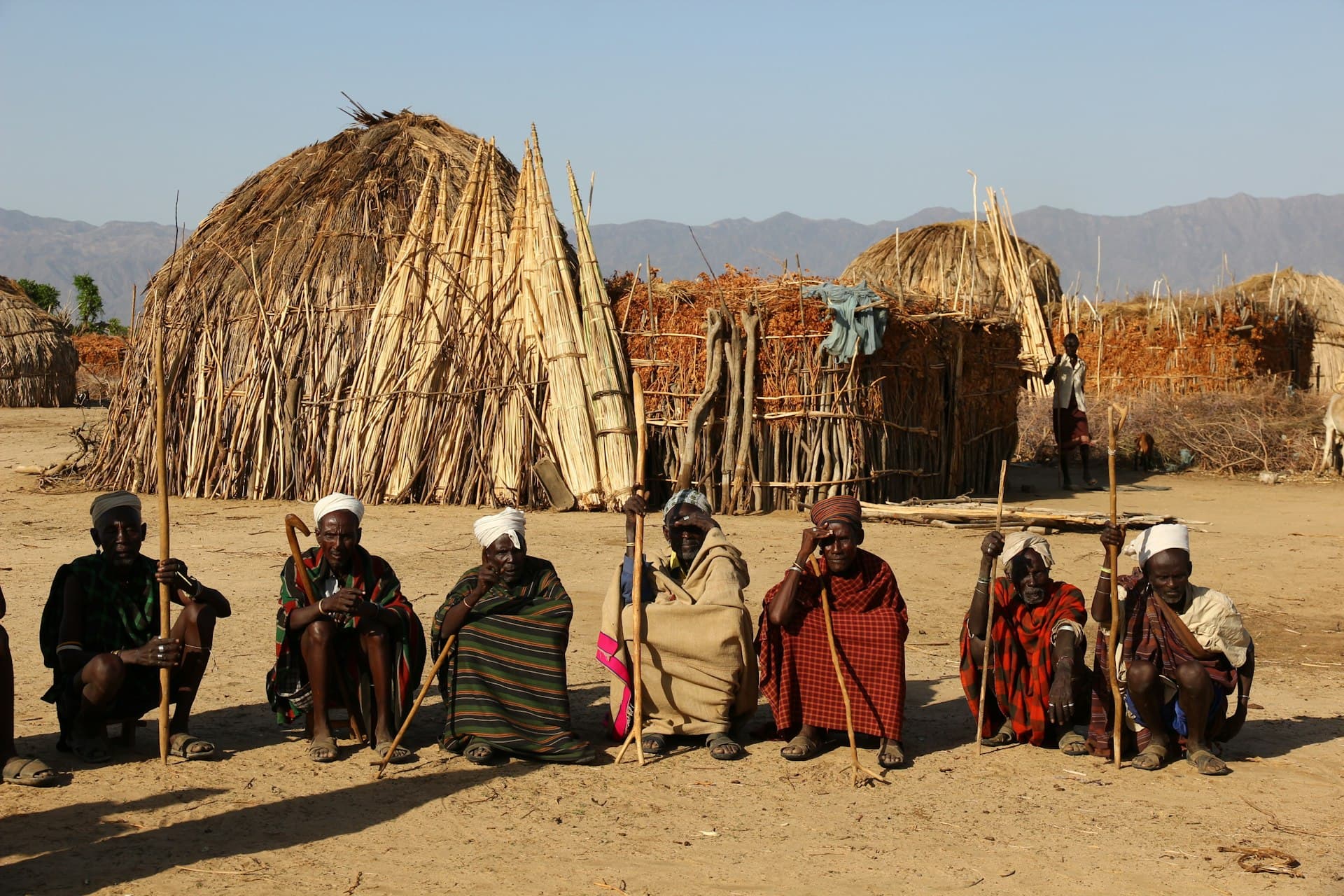 Photo: Fabrizio Frigeni / Unsplash
Selbstgeführte Audio-Walking-Tour durch Hawassa — GPS-Route, Offline-Wiedergabe, erzählerische Narration in 32 Sprachen.
“Wo das Große Rift Valley einen ruhigen See umarmt, entfaltet sich das Leben in einem stetigen Rhythmus.”
Nicht die Postkarten. Die Geschichten, die selbst Einheimische nicht kennen – dir ins Ohr geflüstert, genau dort, wo sie geschahen.
Dieser Industriepark geht über die reine Fertigung hinaus; er setzt auf Umweltverantwortung.
Der Name der Stadt spiegelt direkt ihr prominentestes Naturmerkmal wider, doch seine Bedeutung reicht über die reine physische Präsenz hinaus.
Hawassa ist eine relativ junge Stadt, deren Gründung von einer klaren imperialen Vision geleitet wurde.
Entdecke jedes Geheimnis von Hawassa
Jede Adresse, jede Enthüllung vollständig – in deinem Ohr, genau dort, wo es geschah.
Du wählst deine Stationen. Du gehst. Die Stimme enthüllt, was andere übersehen.

Deine selbstgeführte Audio-Tour durch Hawassa ist bereit – wähle deine Sehenswürdigkeiten, deine Sprache und starte, sobald du ankommst.
KaufenLume enthält einen integrierten Augmented-Reality-Guide. Halten Sie Ihr Handy hoch: Die Kamera zeigt die Straße vor Ihnen, mit einem leuchtenden Pfeil über dem echten Bild, der immer auf Ihren nächsten Stopp zeigt — keine Karte zum Rätseln, keine falschen Abzweigungen. Wie alles bei Lume funktioniert es komplett offline.
Hawassa, auch bekannt als Awassa, ist eine Stadt im Süden Äthiopiens am Ostufer des Hawassa-Sees im Großen Rift Valley. Etwa 273 Kilometer südlich von Addis Abeba gelegen, ist die Stadt die Hauptstadt der Sidama-Region. Ihre Lage an der Transafrikanischen Fernstraße 4, die Kairo mit Kapstadt verbindet, macht sie zu einem wichtigen Verkehrsknotenpunkt für Reisende. Hawassa ist bekannt für seine landschaftliche Schönheit, sein angenehmes Klima und seine lebendige Kulturszene, was es zu einem beliebten Reiseziel für einheimische und internationale Besucher macht.
Die Identität der Stadt ist eng mit dem Hawassa-See verbunden, einem Süßwassersee, der der kleinste der Seen im äthiopischen Rift Valley ist. Der See unterstützt eine bedeutende Fischereiindustrie und bietet Lebensraum für eine vielfältige Vogelwelt und Flusspferde. Neben seinen natürlichen Attraktionen ist Hawassa ein wachsendes urbanes Zentrum mit einer jungen Bevölkerung, in dem sich moderne Entwicklung mit traditioneller Sidama-Kultur vermischt und ein einzigartiges äthiopisches Erlebnis bietet.
Das Gebiet, das heute als Hawassa bekannt ist, war ursprünglich Weideland für sidamische und oromo-Pastoralisten und wurde historisch Adare genannt, was "Rinderfeld" bedeutet. Die moderne Geschichte der Stadt begann 1957, als Kaiser Haile Selassie I. ein starkes Interesse an der Gründung einer neuen Stadt in der Region zeigte. Seine Vision war es, eine erstklassige Touristenstadt zu schaffen, die strategisch günstig an der wichtigen Addis Abeba-Moyale-Straße liegt, mit der natürlichen Schönheit des Hawassa-Sees und des Dume Hill (später Tabor umbenannt) als dramatischer Kulisse. Bis 1958 wurde am Hawassa-See in einem Gebiet namens Kutuwa ein saisonaler Palast für den Kaiser errichtet.
Hawassa wurde offiziell 1960 gegründet. Im folgenden Jahr gewährte die Regierung Land an etwa 400 Militärveteranen und ihre Familien, die im Krieg gegen die italienische Aggression von 1935 bis 1941 gedient hatten, und ermutigte sie zur Ansiedlung in der entstehenden Stadt. Diese neuen Bewohner kamen aus verschiedenen Teilen Äthiopiens, und die Gebiete, in denen sie sich niederließen, tragen noch immer die Namen ihrer Herkunftsorte. 1962 wurde eine Gemeinde gegründet, und bis 1968 wurde Hawassa die Hauptstadt des Sidamo Governorate General, das mehrere ethnische Gruppen umfasste, darunter Sidama, Wolayta, Gedeo, Jemjem, Borena und Arero.
Über die Jahrzehnte wuchs Hawassa weiter. 1974 wurde es unter dem Militärregime der Derg zur Hauptstadt seines Sidamo-Distrikts ernannt. Nach der Verabschiedung der Verfassung von 1995 wurde Hawassa die Hauptstadt der Southern Nations, Nationalities, and Peoples' Region (SNNPR). Im Juni 2020, mit der Gründung der Sidama-Region, wurde Hawassa auch deren Hauptstadt und dient als Verwaltungszentrum für beide Regionen. Diese rasante Entwicklung hat Hawassa zu einer der am schnellsten wachsenden Städte der Region gemacht, einem Wirtschafts- und Kulturzentrum mit einem bedeutenden Industriepark und einer großen Universität.
Beginnen Sie Ihre Erkundung am Hawassa-See, dem Herzstück der Stadt. Genießen Sie Bootsfahrten, um Flusspferde und verschiedene Vogelarten zu beobachten, oder entspannen Sie einfach an seinen Ufern. Der Fischmarkt von Hawassa ist ein lebhafter Treffpunkt, wo lokale Fischer ihre täglichen Fänge von Tilapia, Nilbarsch und Afrikanischem Wels anbieten. Es ist ein lebhaftes kulturelles Erlebnis, das Treiben zu beobachten und frischen, gewürzten Fisch zu probieren.
Für einen weiten Blick über die Stadt und den See steigen Sie auf den Tabor-Berg. Der Amora Gedel Park bietet einen ruhigen Rückzugsort mit vielen Bäumen, Affen und Vögeln, ideal für einen gemütlichen Spaziergang. Die St. Gabriel Kirche ist eine wichtige religiöse und kulturelle Stätte, bekannt für ihre lebhaften Feiern des St. Gabriel-Tages zweimal im Jahr, im Dezember und Juli. Hawassa ist auch die Heimat der Hawassa University, einer bedeutenden Bildungseinrichtung mit mehreren Campus.
Hawassa hat im Allgemeinen das ganze Jahr über warmes Wetter mit einem tropischen Savannenklima, das an ein subtropisches Hochlandklima grenzt. Die Stadt hat zwei ausgeprägte Jahreszeiten: eine lange Regenzeit von März bis Oktober und eine kürzere Trockenzeit von November bis Februar. Die günstigste Zeit für einen Besuch in Hawassa für allgemeine Outdoor-Aktivitäten und Aktivitäten bei warmem Wetter ist während der Trockenzeit, insbesondere von Ende Oktober bis Ende Februar, mit einem Höhepunkt im Dezember. In dieser Zeit können Sie klaren Himmel und angenehme Temperaturen erwarten.
Hawassa liegt etwa 275 km südlich von Addis Abeba. Sie erreichen die Stadt über eine moderne Autobahn, wobei öffentliche Busse und private Transportmöglichkeiten zur Verfügung stehen. Der Flughafen Awasa (AWA) bedient die Stadt ebenfalls und wurde 1988 eröffnet. In Hawassa ist das Gehen eine ausgezeichnete Möglichkeit, das kompakte Stadtzentrum zu erkunden, insbesondere entlang der Piazza Road, die vom Hawassa-See nach Osten führt. Für längere Strecken stehen blaue Motorrad-Rikschas zur Verfügung und sind erschwinglich. Die lokale Währung ist der äthiopische Birr (ETB), Geldautomaten und Wechselstuben sind in der Stadt zugänglich. Während Bargeld weit verbreitet ist, akzeptieren einige größere Einrichtungen möglicherweise Kredit-/Debitkarten. Die Mobilfunkabdeckung ist verfügbar, und SIM-Karten können von Besuchern erworben werden.
Hawassa — Koreanisch, Chinesisch, Hebräisch und 29 weitere Sprachen, jede Station von einer muttersprachlichen Stimme erzählt. Die größte Sprachauswahl aller selbstgeführten Audiotouren.
Verfügbar auf: