Le pub The Old Bell
L'une des structures les plus vénérables de Henley recèle un secret discret entre ses murs anciens.
L'histoire complète se débloque dans le tour
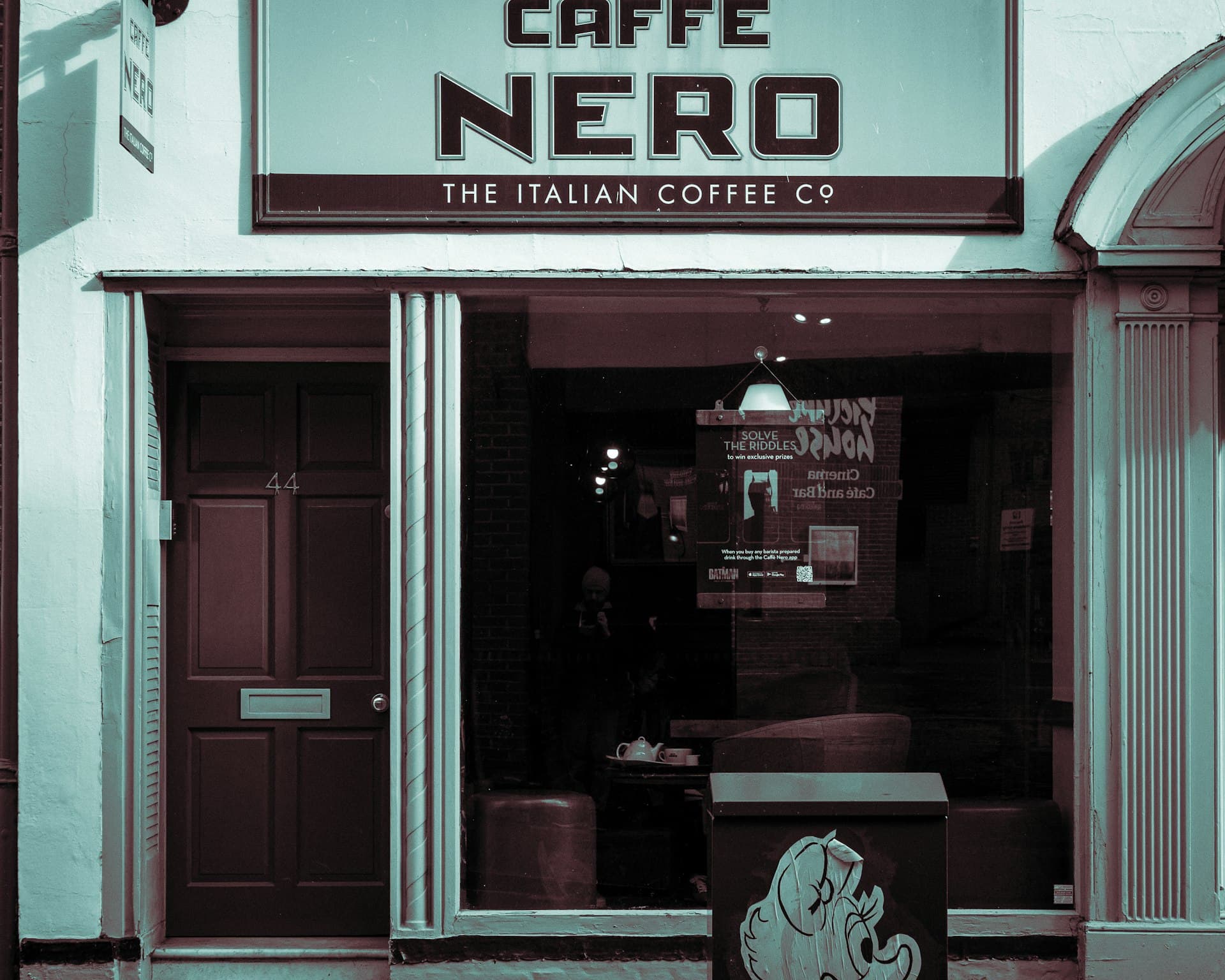 Photo: Metin Ozer / Unsplash
Visite audio autoguidée de Henley-on-Thames — parcours GPS à pied, lecture hors ligne, narration en 32 langues.
“Là où la Tamise mêle légende sportive et charme discret.”
Pas les cartes postales. Les histoires que même les habitants ignorent — soufflées à l'oreille, là où elles se sont passées.
L'une des structures les plus vénérables de Henley recèle un secret discret entre ses murs anciens.
Le célèbre parcours d'aviron, bien qu'apparaissant entièrement naturel, possède une extension artificielle.
Au-delà de ses origines médiévales, ce paisible cimetière abrite un lien avec une icône de la musique britannique bien-aimée.
Découvrez tous les secrets de Henley-on-Thames
Chaque adresse, chaque révélation en entier — dans ton oreille, là où elle s'est passée.
Tu choisis tes lieux. Tu marches. La voix te révèle ce que les autres ignorent.


Votre visite audioguidée de Henley-on-Thames vous attend — choisissez vos lieux, votre langue, et lancez-vous dès votre arrivée.
AcheterLume intègre un guide en réalité augmentée. Levez votre téléphone : sa caméra montre la rue devant vous, avec une flèche lumineuse posée sur l'image réelle qui pointe toujours vers votre prochain arrêt — aucune carte à déchiffrer, aucun mauvais virage. Comme tout dans Lume, ça fonctionne entièrement hors-ligne.
Henley-on-Thames, une ville marchande du sud de l'Oxfordshire, est célébrée pour son lien profond avec la Tamise et le sport de l'aviron. Ici, l'architecture historique se fond gracieusement dans un paysage culturel animé, créant une atmosphère accueillante pour tous les visiteurs. Le cadre riverain de la ville, encadré par les pentes boisées des Chilterns, une zone de beauté naturelle exceptionnelle, offre de nombreuses opportunités de repos tranquille et d'exploration active.
Au-delà de la Henley Royal Regatta, reconnue internationalement, le centre-ville invite à des promenades tranquilles le long de rues bordées de bâtiments géorgiens, de boutiques indépendantes distinctives et de cafés accueillants. L'héritage durable de Henley est évident dans ses structures soigneusement préservées, certaines remontant à l'époque médiévale. Que l'on recherche le frisson des événements sportifs, l'immersion culturelle ou des moments paisibles au bord de la rivière, Henley-on-Thames offre une expérience anglaise singulière.
## Origines Anciennes et Croissance Médiévale Henley-on-Thames possède une histoire qui remonte à la période romano-britannique, avec des découvertes archéologiques indiquant une présence humaine depuis le IIe siècle. Cependant, la ville n'apparaît pas dans le Domesday Book de 1086. La première mention officielle de Henley comme établissement substantiel date de 1179, lorsque le roi Henri II acquit des terres pour la construction. Au début du XIIIe siècle, Henley se développait rapidement, avec une église mentionnée pour la première fois en 1204 et un pont enjambant la Tamise en 1234. Le plan des rues de la ville fut probablement établi à la fin du XIIIe siècle, et elle gagna en importance en tant que port intérieur, facilitant le mouvement du grain, du bois, du malt et de la laine le long de la Tamise. Malgré sa prospérité, Henley connut une réduction considérable de sa population d'environ 60 % pendant la Peste Noire au XIVe siècle.
## Renaissance, Guerre Civile et Prospérité aux XVIIe-XVIIIe Siècles La Renaissance apporta une nouvelle expansion à Henley, sa position stratégique sur la Tamise continuant de stimuler le commerce. De nombreux bâtiments et ponts durables de la ville reflètent les styles architecturaux de cette période. Henley connut des difficultés pendant la guerre civile anglaise, subissant des épreuves des deux factions belligérantes. Néanmoins, les XVIIe et XVIIIe siècles marquèrent une période de prospérité renouvelée, alimentée par la production de verre et de malt, et le commerce du maïs et de la laine. Henley joua un rôle vital dans l'approvisionnement de Londres en bois des Chilterns et en céréales de ses terres agricoles fertiles.
## La Genèse de la Royal Regatta et Henley Moderne La célèbre Henley Royal Regatta fut conçue pour la première fois en 1839 comme un festival local. Son succès initial conduisit à son expansion, et en 1851, le Prince Albert en devint le patron, conférant à l'événement sa désignation 'Royal'. La régate, disputée sur le Henley Reach, une section naturellement droite (et artificiellement étendue) de la rivière, est depuis devenue une compétition reconnue internationalement. Aujourd'hui, Henley-on-Thames abrite environ 300 bâtiments d'intérêt architectural ou historique spécial, beaucoup affichant des façades géorgiennes qui dissimulent des structures plus anciennes. Elle reste une ville marchande dynamique, équilibrant son héritage historique considérable avec un paysage culturel florissant et un esprit communautaire robuste.
Commencez votre exploration par une promenade le long du Thames Path, offrant des vues sur la rivière et la campagne environnante des Chilterns. Envisagez de louer un bateau sans permis chez Hobbs of Henley pour découvrir la rivière de première main, ou embarquez pour une croisière publique. Le River & Rowing Museum offre un aperçu du patrimoine d'aviron de Henley et de l'histoire naturelle de la Tamise, avec une galerie populaire 'Le Vent dans les Saules'.
Dans le centre-ville, flânez sur la Market Place, qui accueille un marché traditionnel tous les jeudis et un marché de producteurs le deuxième samedi et le quatrième jeudi du mois. Observez l'historique St Mary's Church et l'Hôtel de Ville de Henley, construit en 1901. Explorez Friday Street, reconnue pour ses bâtiments victoriens intrigants, et parcourez les boutiques indépendantes et les magasins dans toute la ville. Pour une expérience singulière, visitez The Henley Distillery pour une visite et une dégustation. À proximité, Greys Court, une propriété du National Trust, offre de magnifiques jardins et une maison qui est apparue dans Downton Abbey.
La période idéale pour visiter Henley-on-Thames pour les activités par temps chaud est de fin juin à fin août. Pendant cette période, les températures varient généralement entre 12°C et 23°C (54-74°F), juillet étant le mois le plus chaud. La Henley Royal Regatta, une attraction majeure, a généralement lieu sur cinq ou six jours fin juin ou début juillet, transformant la ville en un centre d'activité animé. Pour une expérience plus tranquille, les jours de semaine pendant la Régate sont généralement moins fréquentés que le week-end. La ville accueille également d'autres festivals, dont le Henley Festival of Music and Arts, qui se tient généralement sur le tronçon de rivière entre l'arrivée de la Régate et le pont de Henley.
Henley-on-Thames est facilement accessible en train et en voiture. Des services de train réguliers partent de Londres Paddington avec un changement à Twyford, prenant un peu plus d'une heure, ou des services directs aux heures de pointe en environ 45 minutes. En voiture, Henley est à environ 45 minutes de Londres et d'Oxford, située près des autoroutes M4 et M40. Pensez à arriver tôt pendant les saisons de régate ou de festival pour gérer le trafic et trouver un parking. La ville offre diverses options de stationnement, y compris un parking gratuit sur place dans certaines enceintes d'hospitalité pendant la Régate. Le centre-ville est accessible à pied, avec de nombreuses attractions, boutiques et restaurants à proximité de la gare et de la rivière.
Les transports en commun à Henley et aux alentours comprennent des services de bus reliant Reading, High Wycombe et Oxford. Pour ceux qui assistent à la Henley Royal Regatta, les zones publiques le long de la berge sont généralement en accès libre, bien que certaines enceintes nécessitent des billets pré-réservés et exigent un code vestimentaire élégant. Il est généralement interdit d'apporter son propre alcool dans les zones publiques pendant la Régate.
Henley-on-Thames en coréen, en chinois ou en hébreu — et dans 29 autres langues, chaque étape narrée par une voix native. La plus large gamme de langues de tous les audioguides autoguidés.
Disponible en :