Peraliya Tsunami-Gedenkstätte
Hikkaduwa erlebte die tödlichste Eisenbahnkatastrophe der Welt, doch es war kein Zugunglück im herkömmlichen Sinne.
Die ganze Geschichte wird in der Tour freigeschaltet
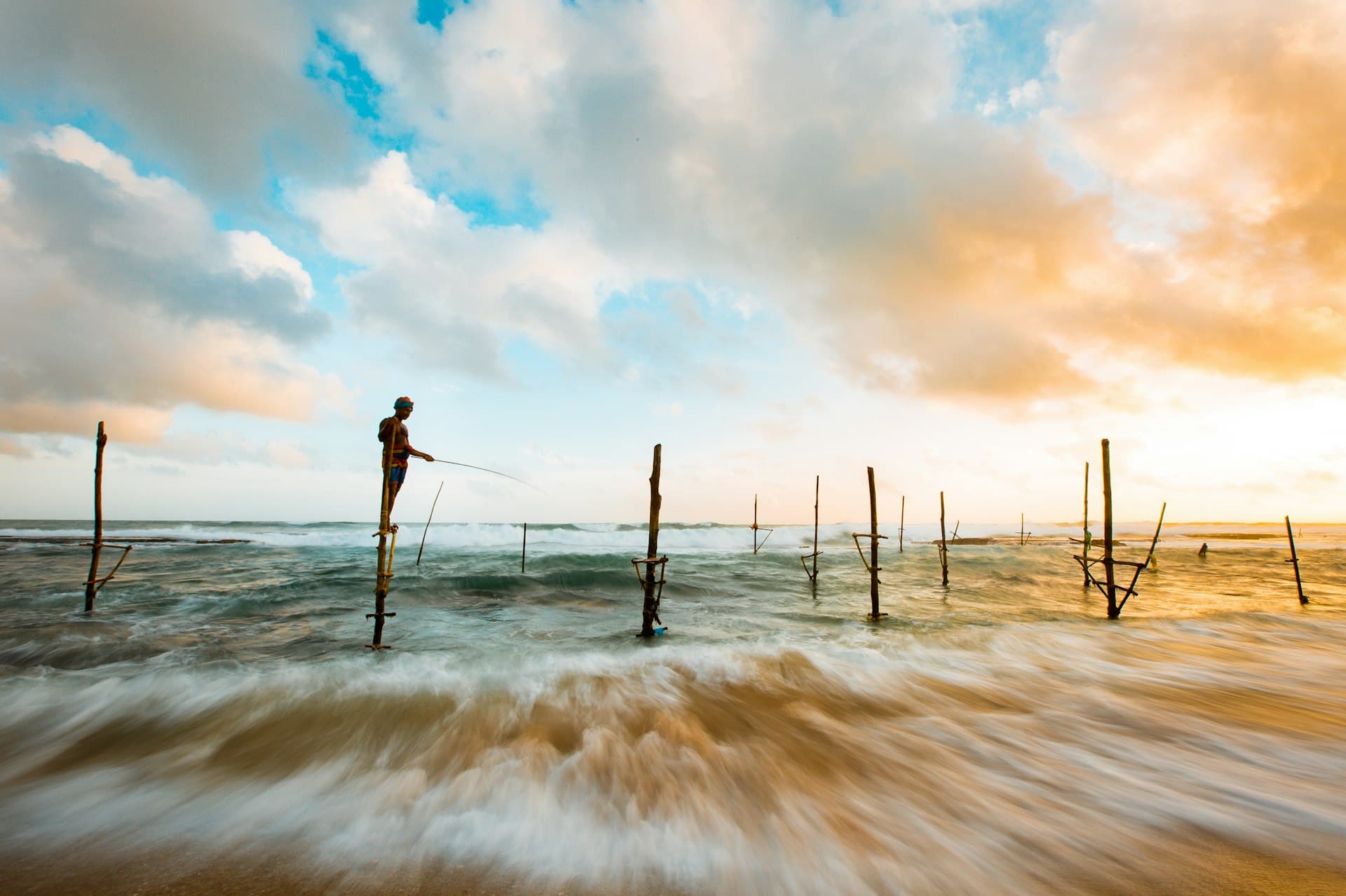 Photo: Aditya Siva / Unsplash
Selbstgeführte Audio-Walking-Tour durch Hikkaduwa — GPS-Route, Offline-Wiedergabe, erzählerische Narration in 32 Sprachen.
“Wo der Indische Ozean Geheimnisse flüstert und die Korallengärten blühen.”
Nicht die Postkarten. Die Geschichten, die selbst Einheimische nicht kennen – dir ins Ohr geflüstert, genau dort, wo sie geschahen.
Hikkaduwa erlebte die tödlichste Eisenbahnkatastrophe der Welt, doch es war kein Zugunglück im herkömmlichen Sinne.
Nur wenige Kilometer vor der Küste von Hikkaduwa ruht ein kleiner Tempel auf einem Felsvorsprung, der bei Ebbe mit dem Boot erreichbar ist. Seit Jahrhunderten ist er ein Ort der Anbetung für eine bestimmte Gottheit, die von den lokalen Fischergemeinden verehrt wird.
Der Name 'Hikkaduwa' selbst hat eine doppelte Bedeutung und deutet sowohl auf das künstlerische Erbe der Region als auch auf ihre historische Bedeutung hin.
Entdecke jedes Geheimnis von Hikkaduwa
Jede Adresse, jede Enthüllung vollständig – in deinem Ohr, genau dort, wo es geschah.
Du wählst deine Stationen. Du gehst. Die Stimme enthüllt, was andere übersehen.


Deine selbstgeführte Audio-Tour durch Hikkaduwa ist bereit – wähle deine Sehenswürdigkeiten, deine Sprache und starte, sobald du ankommst.
KaufenLume enthält einen integrierten Augmented-Reality-Guide. Halten Sie Ihr Handy hoch: Die Kamera zeigt die Straße vor Ihnen, mit einem leuchtenden Pfeil über dem echten Bild, der immer auf Ihren nächsten Stopp zeigt — keine Karte zum Rätseln, keine falschen Abzweigungen. Wie alles bei Lume funktioniert es komplett offline.
Hikkaduwa, eine Küstenstadt an der Südwestküste Sri Lankas, hat sich von einem ruhigen Fischerdorf zu einem lebhaften Reiseziel entwickelt, das für seine Strände, Surfspots und Meereslebewesen bekannt ist. Etwa 98 Kilometer südlich von Colombo und 17 Kilometer nordwestlich von Galle gelegen, bietet es eine Mischung aus natürlicher Schönheit und einer entspannten, sozialen Atmosphäre. Die Stadt erstreckt sich entlang eines 6 Kilometer langen Küstenstreifens und reicht 3 Kilometer ins Landesinnere, wobei sie elf verschiedene Dörfer umfasst. Hikkaduwa zieht ein vielfältiges Publikum an, von Surfern und Rucksacktouristen bis hin zu Familien, die einen Strandurlaub suchen.
Die Hauptstraße der Stadt, Galle Road, ist eine belebte Verkehrsader, gesäumt von Gästehäusern, Surfschulen und Fischrestaurants. Obwohl sie belebt sein kann, bietet die Gegend viele Möglichkeiten zur Erholung an ihren Sandstränden, zur Erkundung von Korallenriffen und zum Genießen der lokalen kulinarischen Szene. Hikkaduwa ist besonders berühmt für sein Korallenriffschutzgebiet, das eine Vielzahl von bunten Korallen, tropischen Fischen und Meeresschildkröten beherbergt und es zu einem beliebten Ort zum Schnorcheln und Tauchen macht.
Hikkaduwas Geschichte reicht Tausende von Jahren zurück, wobei Legenden darauf hindeuten, dass prähistorische Völker die wunderschöne Bucht bewohnten. Es war ein Küstenweiler im Ruhunu- oder Südlichen Königreich, mindestens seit dem 5. Jahrhundert v. Chr. Die Region ist seit langem mit Gelehrsamkeit und berühmten Tempeln verbunden und brachte in jüngerer Zeit sogar den berühmten buddhistischen Gelehrten Hikkaduwe Sri Sumangala hervor.
Im 16. Jahrhundert kamen die Europäer, und die Portugiesen errichteten entlang der Küste Festungen, die sie 'Ceilão' nannten. Die Niederländer vertrieben die Portugiesen 1658 und bauten das gut erhaltene Galle Fort nur 17 Kilometer südlich. Die Briten übernahmen 1796 die Kontrolle und veränderten die Wirtschaft der Insel durch Plantagenwirtschaft, einschließlich Kokosnüssen, Gummi und Tee. Die Küstenstraße durch Hikkaduwa, Senanayake Mawatha, war während der britischen Kolonialverwaltung ein bedeutendes Infrastrukturprojekt.
Im 19. Jahrhundert wurde Hikkaduwa zu einem beliebten Picknickplatz für Besucher aus Galle. Seine Wirtschaft, die traditionell auf Fischerei und Kokosnussanbau basierte, begann sich mit der Entdeckung seiner goldenen Sandstrände hin zum Tourismus zu verlagern. In den 1960er Jahren kam eine neue Welle von Besuchern, als viele Hippies nach Hikkaduwa kamen, was ihm den Spitznamen 'Hippiduwa' einbrachte. Diese Ära festigte seinen Ruf als freigeistiges Reiseziel.
Ein düstereres Kapitel in der Geschichte Hikkaduwas ist der Tsunami am Boxing Day 2004, der zur größten Eisenbahnkatastrophe der Geschichte führte, als eine riesige Welle einen Zug in Peraliya traf. Trotz dieser Tragödie hat die Gemeinschaft bemerkenswerte Widerstandsfähigkeit gezeigt, sich wieder aufgebaut und sich weiterhin als beliebtes Touristenziel etabliert.
Hikkaduwa bietet eine Reihe von Attraktionen, von Unterwassererkundungen bis hin zu kulturellen Stätten. Der Nationalpark Hikkaduwa, Sri Lankas erstes Meeresschutzgebiet, enthält etwa siebzig Arten bunter Korallen und beherbergt eine vielfältige Meeresfauna, darunter Meeresschildkröten und Fische. Besucher können das Korallenriff bei Schnorcheltouren oder Fahrten mit dem Glasbodenboot erkunden, wobei die frühen Morgenstunden die beste Sicht bieten. Der Turtle Beach, besonders in der Nähe des Hikka Tranz Hotels, ist ein bekannter Ort, um grüne und echte Karettschildkröten zu beobachten, die nur wenige Meter vom Ufer entfernt auf Seegras fressen, besonders am Morgen.
Für an Naturschutz Interessierte arbeitet das Hikkaduwa Sea Turtle Hatchery and Rescue Center daran, gefährdete Meeresschildkröten zu schützen, indem es Eier rettet, sie ausbrütet und verletzte erwachsene Tiere rehabilitiert. Besucher können mehr über Naturschutzbemühungen erfahren und, wenn sie Glück haben, die Freilassung von Babyschildkröten ins Meer miterleben. Zu den kulturellen Stätten gehören der Tsunami Honganji Viharaya, auch bekannt als die Große Buddha-Statue, die zum Gedenken an die Opfer des Tsunamis von 2004 errichtet wurde. Der Seenigama Muhudu Maha Devalaya, ein kleiner Tempel auf einem Felsvorsprung vor der Küste, ist mit dem Boot erreichbar und eine funktionierende religiöse Stätte. Für einen Einblick in das lokale Leben bietet der Hikkaduwa Sunday Market frische Produkte, Gewürze und handgefertigte Kunsthandwerke und ermöglicht ein authentisches kulturelles Erlebnis.
Die ideale Zeit für einen Besuch in Hikkaduwa ist während der Trockenzeit von Dezember bis März. In diesen Monaten sind die Temperaturen angenehm, der Niederschlag gering und die Meeresbedingungen sind optimal zum Schwimmen, Schnorcheln und Tauchen mit ausgezeichneter Wasserklarheit. Die durchschnittlichen Tagestemperaturen liegen bei etwa 28-29°C. Diese Zeit fällt auch mit der Haupttouristensaison zusammen, was mehr aktives Nachtleben und Veranstaltungen bedeutet. Eine zweite gute Saison ist von Juli bis September, die etwas kühlere Temperaturen und immer noch günstige Surfbedingungen bietet, allerdings mit einer erhöhten Regenwahrscheinlichkeit.
Die lokale Währung in Hikkaduwa ist die Sri-Lankische Rupie (LKR). Geldautomaten sind in der Stadt verfügbar, aber es ist ratsam, etwas Bargeld mitzunehmen, besonders für kleinere Händler. Die öffentlichen Verkehrsmittel sind gut, Busse und Züge verbinden Hikkaduwa für nur wenige Dollar mit Colombo und anderen Gebieten. Innerhalb der Stadt sind Tuk-Tuks eine gängige und bequeme Möglichkeit, sich fortzubewegen. Hikkaduwa gilt im Allgemeinen als sicher für Touristen, einschließlich Alleinreisender Frauen, aber Standardvorkehrungen gelten. Es ist ratsam, Wertsachen zu sichern, abgelegene Gebiete nachts zu meiden und auf Ihre Umgebung zu achten, besonders in überfüllten Bereichen oder bei der Interaktion mit 'Beach Boys', die versuchen könnten, Sie zu betrügen. Beim Schwimmen oder Schnorcheln sollten Sie die Strömungen außerhalb des Riffs beachten und Riffschuhe tragen, um Korallenverletzungen zu vermeiden. Trinken Sie immer abgefülltes oder gefiltertes Wasser und verwenden Sie starken Sonnenschutz.
Hikkaduwa — Koreanisch, Chinesisch, Hebräisch und 29 weitere Sprachen, jede Station von einer muttersprachlichen Stimme erzählt. Die größte Sprachauswahl aller selbstgeführten Audiotouren.
Verfügbar auf: