Hilo Public Library
Voordat Koning Kamehameha I de Hawaïaanse eilanden verenigde, voerde hij een legendarische krachttoer uit in Hilo.
Volledig verhaal ontgrendeld in de tour
 Arkyan / CC BY-SA 3.0, via Wikimedia Commons
Zelfgeleide audiowandeling door Hilo — GPS-route, offline afspelen, meeslepende vertelling in 32 talen.
“Waar smaragdgroene regenwouden de Stille Oceaan ontmoeten, ademt Hilo met oude kracht en veerkrachtige schoonheid.”
Niet de ansichtkaarten. De verhalen die zelfs locals niet kennen — gefluisterd in je oor, precies waar ze gebeurden.
Voordat Koning Kamehameha I de Hawaïaanse eilanden verenigde, voerde hij een legendarische krachttoer uit in Hilo.
De serene baai van Hilo heeft een dramatisch en destructief verleden.
Onder de kletterende wateren van Rainbow Falls zou ooit een machtige halfgod hebben gewoond.
Ontdek elk geheim van Hilo
Elk adres, elke onthulling volledig — in je oor, precies waar het gebeurde.
Jij kiest je stops. Jij wandelt. De stem onthult wat de anderen missen.
Je zelfgeleide audiotour van Hilo is klaar — kies je bezienswaardigheden, kies je taal en start zodra je aankomt.
KopenLume heeft een ingebouwde augmented-reality-gids. Houd je telefoon omhoog: de camera toont de straat voor je, met een oplichtende pijl over het echte beeld die altijd naar je volgende stop wijst — geen kaart om uit te puzzelen, geen verkeerde afslagen. Zoals alles in Lume werkt het volledig offline.
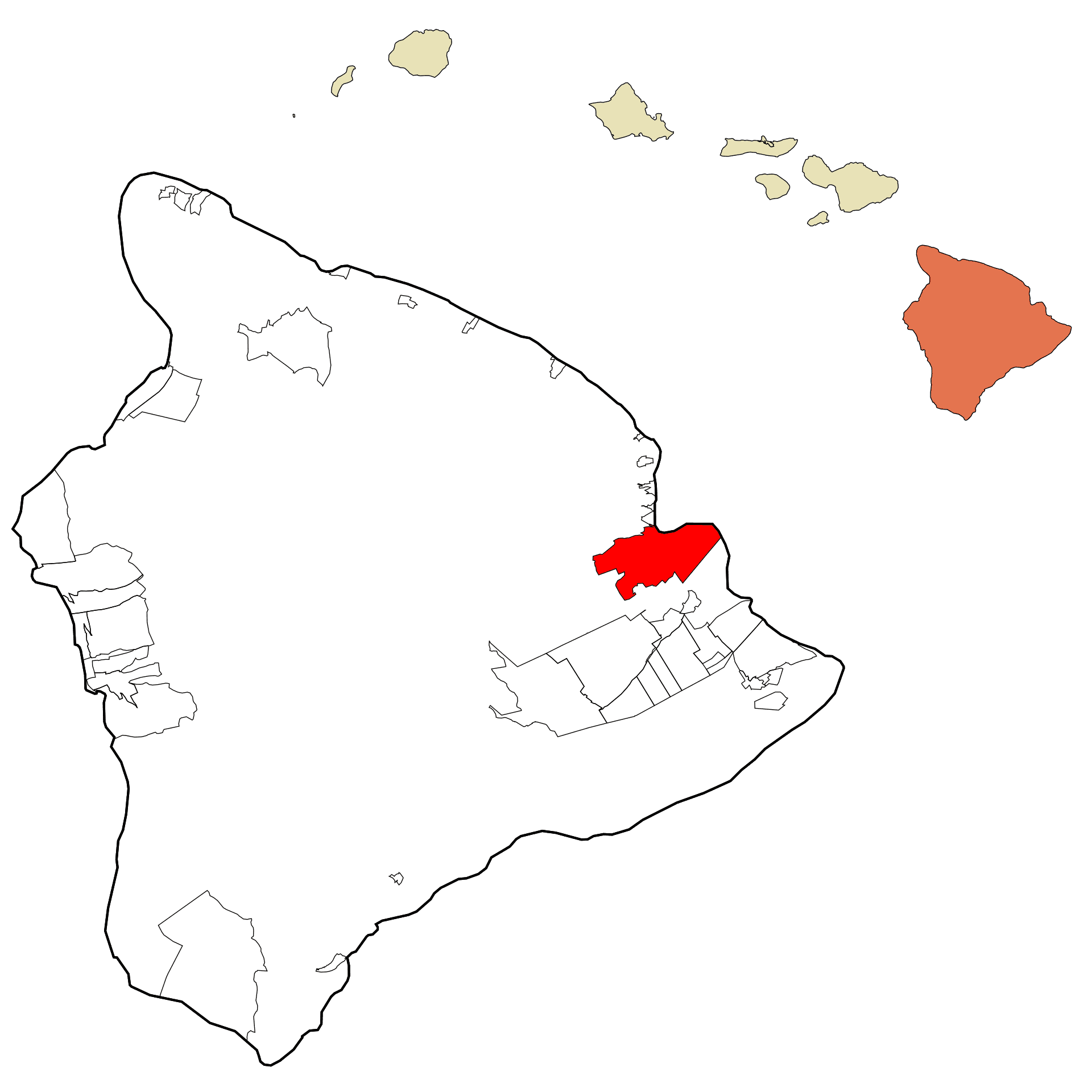
Hilo, de grootste nederzetting op het eiland Hawaiʻi, biedt een heel andere ervaring dan de drogere, op resorts gerichte Kona-kant. Gelegen aan de noordoostelijke, loefzijde kust, wordt Hilo gekenmerkt door zijn weelderige, tropische regenwoudklimaat, met een gemiddelde van meer dan 120 inch regen per jaar. Deze constante regenval draagt bij aan het weelderige groen, de dramatische watervallen en de bloeiende tuinen die de regio definiëren. Hilo is een plek waar natuurlijke pracht verweven is met een ontspannen, authentiek Hawaïaans gemeenschapsgevoel, en biedt een kijkje in het lokale leven dat vaak minder commercieel is.
De stad kijkt uit over Hilo Bay, met uitzicht op twee prominente schildvulkanen: Mauna Loa, de grootste actieve vulkaan op aarde, en Mauna Kea, het hoogste punt van de Hawaïaanse eilanden. Hilo dient als een handige toegangspoort tot Hawaiʻi Volcanoes National Park, ongeveer 45 minuten naar het zuiden, en is ook de thuisbasis van de University of Hawaiʻi at Hilo en het ʻImiloa Astronomy Center. Met zijn eeuwenoude houten winkelfaçades, waarvan vele op het National Register of Historic Places staan, biedt Downtown Hilo een charmante mix van geschiedenis, cultuur en natuurlijke schoonheid.
De geschiedenis van Hilo strekt zich uit tot ongeveer 1100 na Christus, toen de eerste Polynesische bewoners arriveerden. Deze vroege kolonisten vestigden landbouw- en visgemeenschappen langs de Wailuku en Wailoa rivieren, aangetrokken door de vruchtbare gronden en het overvloedige zoete water. Mondelinge geschiedenis suggereert dat de naam "Hilo" "draaien" betekent, mogelijk verwijzend naar het draaien van taro bladeren voor touwproductie, of zelfs naar een Polynesische navigator.
Hilo's natuurlijke sikkelvormige haven in Hilo Bay maakte het een ideale locatie voor kano-landingen en, later, voor westerse koopvaardij- en walvisvaardersschepen in de vroege 19e eeuw. Protestante missionarissen arriveerden rond 1824 en stichtten de missie die de historische Haili Church zou worden. Eind 19e eeuw bloeide Hilo op als een commercieel centrum voor de opkomende suikerindustrie. Suikerplantages in de omliggende gebieden creëerden tal van banen en trokken werknemers uit Azië aan, waaronder Chinese, Japanse, Filipijnse, Koreaanse en Portugese immigranten. In 1887 produceerde de Hilo Sugar Mill alleen al 3.500 ton suiker per jaar.
Ondanks zijn groei heeft Hilo aanzienlijke uitdagingen gekend, met name door tsunami's. Een verwoestende tsunami van 46 voet hoog in 1946, veroorzaakt door een aardbeving nabij de Aleoeten, eiste 96 levens in Hilo. Dit leidde tot de oprichting van het Pacific Tsunami Warning Center in 1949. Een andere tsunami in 1960 eiste echter 61 levens, deels doordat gewaarschuwd werd voor genegeerde sirenes. Na deze rampen werden veel laaggelegen baai-gebieden omgevormd tot parken en monumenten. Het toerisme naar Hilo kende een aanzienlijke toename na 1967 met de introductie van directe luchtverbindingen naar het vasteland van de VS. Vandaag de dag blijft Hilo zich ontwikkelen, waarbij het zijn diepe geschiedenis behoudt en tegelijkertijd zijn rol als cultureel en educatief centrum op het Grote Eiland omarmt.
Begin uw verkenning bij de Liliʻuokalani Gardens, een serene Japanse tuin van 30 hectare met vijvers, pagodes en rotstuinen. Voor een krachtige demonstratie van de natuur, bezoek Rainbow (Waiānuenue) Falls in Wailuku River State Park, bekend om de regenboog die vaak in de mist ontstaat, vooral in de ochtend. Het park omvat ook Peʻepeʻe Falls.
Duik in de lokale cultuur op de Hilo Farmers Market, waar u een uitgebreide verscheidenheid aan exotisch fruit, groenten en lokale ambachten kunt vinden bij meer dan 150 verkopers. Geschiedenisliefhebbers zullen het Lyman Museum and Mission House waarderen, dat artefacten uit de vroege missionaris- en walvisvaartperiodes toont. Om de veerkrachtige geest van Hilo te begrijpen, is een bezoek aan het Pacific Tsunami Museum essentieel, dat inzicht biedt in eerdere tsunami's en rampenparaatheid promoot.
Voor een unieke ervaring, verken het ʻImiloa Astronomy Center, een attractie van wereldklasse gehuisvest in drie titanium kegels die de hoogste bergen van het eiland vertegenwoordigen. Mis de Panaʻewa Rainforest Zoo niet, de enige regenwoud-dierentuin in de Verenigde Staten, met exotische planten en dieren, waaronder twee Bengaalse tijgers. Een korte rit naar het zuiden leidt naar Hawaiʻi Volcanoes National Park, dat ongeëvenaarde toegang biedt tot actieve vulkanische landschappen.
De meest gunstige tijden om Hilo te bezoeken zijn over het algemeen eind april tot begin juni, of september tot half november. Deze schouderseizoenen bieden een balans van aangenaam weer, minder regen en minder drukte, waarbij hotelprijzen vaak met 30-50% dalen ten opzichte van het hoogseizoen. Juni is de droogste en zonnigste maand van het jaar. Hoewel Hilo het hele jaar door aanzienlijke regenval kent, wat bijdraagt aan zijn weelderige landschappen, kan het plannen van activiteiten voor de ochtenden helpen om zonnige periodes te maximaliseren. Vermijd maart, wat doorgaans de natste maand is, en half december tot begin januari, vanwege piek prijzen en vakantiedrukte.
Hilo International Airport (ITO) dient als de belangrijkste luchthaven voor de oostkant van het eiland. Hoewel openbaar vervoer beperkt is, wordt het huren van een auto sterk aanbevolen voor flexibiliteit bij het verkennen van Hilo en het omliggende Grote Eiland. Grote autoverhuurbedrijven zijn beschikbaar en het is raadzaam om van tevoren te boeken. Hilo heeft een tropisch regenwoudklimaat, dus pak lichte zomerkleding, maar neem ook een lichte, waterdichte jas mee voor frequente buien, vooral als u van plan bent te wandelen of watervallen te bezoeken. Insectenwerend middel is ook een goed idee voor buitenexcursies. Hilo hanteert Hawaiʻi Standard Time (GMT-10 uur) en gebruikt geen zomertijd. Creditcards worden breed geaccepteerd en geldautomaten zijn gemakkelijk beschikbaar.
Hilo — Koreaans, Chinees, Hebreeuws en nog 29 talen, elke stop verteld door een moedertaalspreker. Het grootste taalaanbod van alle zelfgeleide audiotours.
Beschikbaar in: