Salamanca Market
Questo vivace mercato del sabato è un'icona, ma le sue origini sono molto meno glamour rispetto all'artigianato e al cibo gourmet che si vedono oggi.
La storia completa si sblocca nel tour
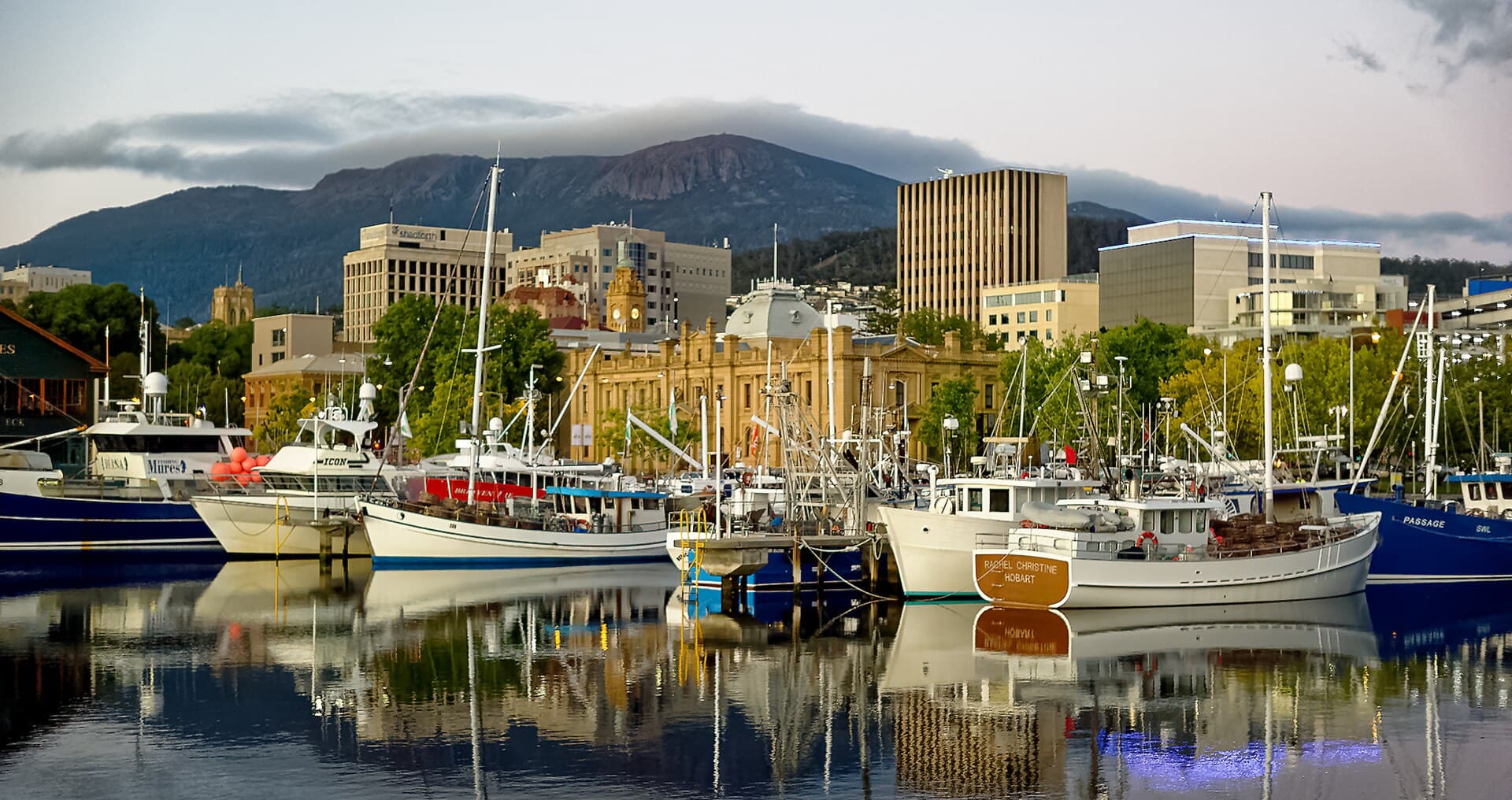 File:Franklin Wharf 2015.jpg: Michael fromholtz derivative work: Georgfotoart / CC BY-SA 4.0, via Wikimedia Commons
Tour audio autoguidato di Hobart — percorso GPS a piedi, riproduzione offline, narrazione coinvolgente in 32 lingue.
“Dove antiche montagne incontrano un affascinante lungomare, e la storia riecheggia nei vicoli di arenaria.”
Non le cartoline. Le storie che nemmeno i locali conoscono — sussurrate nel tuo orecchio, proprio dove sono accadute.
Questo vivace mercato del sabato è un'icona, ma le sue origini sono molto meno glamour rispetto all'artigianato e al cibo gourmet che si vedono oggi.
Il quartiere residenziale più antico di Hobart, con i suoi affascinanti cottage e stretti vicoli, nasconde un segreto sotto la sua superficie pittoresca.
La birreria più antica d'Australia in attività continua ha una splendida facciata e giardini, ma la sua storia iniziale è legata a un capitolo più oscuro della vita in Tasmania.
Scopri ogni segreto di Hobart
Ogni indirizzo, ogni rivelazione completa — nel tuo orecchio, proprio dove è accaduta.
Scegli le tue tappe. Cammini. La voce rivela ciò che gli altri perdono.


Il tuo tour audio autoguidato di Hobart è pronto — scegli i tuoi punti di interesse, seleziona la tua lingua e inizia nel momento in cui arrivi.
AcquistaLume include una guida in realtà aumentata. Alza il telefono: la fotocamera mostra la strada davanti a te, con una freccia luminosa sovrapposta all'immagine reale che punta sempre verso la tua prossima tappa — nessuna mappa da decifrare, nessuna svolta sbagliata. Come tutto in Lume, funziona completamente offline.
Hobart, la capitale della Tasmania, è la capitale più meridionale dell'Australia e la seconda più antica, fondata come colonia penale britannica nel 1804. Dominata dall'imponente presenza di kunanyi / Mount Wellington, che si eleva a 1.271 metri (4.170 piedi) sopra la città, Hobart offre un mix unico di architettura coloniale, un profondo porto naturale e una fiorente cultura contemporanea. La città si adagia sull'estuario del fiume Derwent, un imponente corso d'acqua che ha svolto un ruolo significativo nel suo sviluppo come importante porto per la caccia alle balene e il commercio nel XIX secolo.
Nonostante sia la capitale statale australiana meno popolata, Hobart è una città dinamica che sorprende costantemente i visitatori con la sua vivace scena artistica, il celebrato cibo e vino e l'immediato accesso a paesaggi selvaggi. La sua vicinanza all'Antartide, a circa 2.600 chilometri (1.600 miglia) a sud, la rende una base cruciale per le operazioni antartiche australiane e francesi. Le dimensioni relativamente ridotte di Hobart la rendono facilmente percorribile a piedi, consentendo un'esplorazione intima delle sue strade storiche e del suo vivace lungomare.
Il nome aborigeno originale della città, nipaluna, dato dalla popolazione locale Mouheneener, la collega a una storia che risale forse a 35.000 anni fa, precedente all'insediamento europeo. Oggi, Hobart è una destinazione che premia coloro che cercano le sue storie, dalla durezza del suo passato di condannato all'ingegnosità delle sue moderne espressioni artistiche.
La storia europea di Hobart iniziò nel 1803 con l'istituzione di un accampamento militare britannico e di una colonia penale a Risdon Cove, spinta dalle preoccupazioni per l'esplorazione francese nel Pacifico meridionale. Tuttavia, questo insediamento iniziale fu rapidamente spostato nel 1804 in una posizione più favorevole a Sullivans Cove, l'attuale sito di Hobart. La città fu inizialmente chiamata Hobart Town, in onore di Robert Hobart, 4° Conte di Buckinghamshire, allora Segretario di Stato per le Colonie.
Nei suoi primi decenni, Hobart Town crebbe rapidamente, diventando un importante centro per la caccia alle balene e alle foche nell'Oceano Meridionale. Il fiume Derwent forniva un eccellente porto d'alto mare, favorendo industrie alleate come la cantieristica navale. Nel 1830, la popolazione aveva raggiunto circa 6.000 abitanti. L'imponente architettura georgiana della città, visibile in edifici come i magazzini di Salamanca Place (costruiti negli anni '30 dell'Ottocento), testimonia quest'epoca e il suo passato di lavoro di condannati.
Il trasporto penale in Tasmania terminò negli anni '50 dell'Ottocento, e Hobart divenne ufficialmente una città nel 1842, rinominata successivamente Hobart dall'inizio del 1881. L'era post-trasporto portò periodi di fluttuazione economica, ma l'inizio del XX secolo vide un boom economico alimentato dall'estrazione mineraria, dall'agricoltura e da altre industrie primarie. Hobart lasciò il segno anche nel panorama tecnologico, diventando la prima città dell'emisfero australe a introdurre i tram elettrici nel 1893.
Sfide significative segnarono la metà del XX secolo, tra cui i devastanti incendi del 1967 in Tasmania, che causarono 64 vittime a Hobart e distrussero oltre 1.200 case. Anche il disastro del Tasman Bridge del 1975, quando una nave portarinfuse si scontrò e distrusse una sezione del ponte che collegava la città ai suoi sobborghi orientali, lasciò un segno indelebile. Nonostante queste battute d'arresto, Hobart continuò a evolversi, sviluppando la sua reputazione di destinazione turistica con l'apertura del Wrest Point Hotel Casino nel 1973, il primo casinò legale d'Australia. Oggi, Hobart è riconosciuta come un centro finanziario e amministrativo, un importante porto per le spedizioni antartiche e un centro culturale.
Iniziate la vostra esplorazione da Salamanca Place, uno storico quartiere sul lungomare dove i magazzini in arenaria georgiana ospitano ora gallerie, boutique, caffè e ristoranti. Il sabato si trasforma nel rinomato Salamanca Market, che offre prodotti locali, artigianato e cibo. Appena dietro Salamanca Place si trova Battery Point, uno dei sobborghi storici più antichi e pittoreschi d'Australia, ideale per una passeggiata tra cottage coloniali e stretti vicoli.
Per una dose di arte e cultura, prendete il traghetto dal Brooke Street Pier per il Museum of Old and New Art (MONA). Questo museo finanziato privatamente, scavato in una scogliera di arenaria, offre una collezione stimolante di arte antica, moderna e contemporanea. Tornati in città, il Tasmanian Museum and Art Gallery offre spunti sulla storia della Tasmania, sulla cultura aborigena e sull'ambiente naturale, e l'ingresso è gratuito.
Nessuna visita a Hobart è completa senza aver sperimentato kunanyi / Mount Wellington. A 35 minuti di auto dal centro città, la sua cima offre viste panoramiche su Hobart e i suoi dintorni, spesso innevata anche nei mesi più caldi. Per un assaggio della storia locale e una bevanda rinfrescante, visitate la Cascade Brewery, la più antica birreria operativa d'Australia, situata ai piedi della montagna.
Hobart vive quattro stagioni distinte, ognuna delle quali offre un carattere unico. L'estate (dicembre-febbraio) è l'alta stagione turistica, con clima caldo e secco e temperature medie diurne tra 11,5–21°C (52,7–69,8°F), ideali per attività all'aperto e festival come l'arrivo della Sydney to Hobart Yacht Race. Aspettatevi folle più numerose e prezzi più alti in questo periodo.
L'autunno (marzo-maggio) porta giornate calme e soleggiate con temperature medie di 8,9–17,3°C (48–63,1°F), e la città è adornata dal foliage autunnale. Questa stagione offre meno folla e buoni affari su viaggi e alloggi.
La primavera (settembre-novembre) vede fiorire i fiori e un graduale aumento delle temperature, con una media di 7,8–16,9°C (46–62,4°F). Può essere la stagione più piovosa, ma è eccellente per gli amanti della natura e per avvistare fiori selvatici. L'inverno (giugno-agosto) è la bassa stagione, con temperature medie di 5–12,3°C (41–54,1°F), e le notti possono scendere a 3°C (37,4°F). È possibile nevicate, ed è un buon momento per viaggi economici e per vivere festival invernali come Dark Mofo.
Hobart è una città compatta e percorribile a piedi, soprattutto nel distretto centrale degli affari. Molte attrazioni sono facilmente raggiungibili a piedi. Per destinazioni più lontane, come i Royal Tasmanian Botanical Gardens, la Cascade Brewery o kunanyi / Mount Wellington, è disponibile una rete di autobus pubblici. Tuttavia, i visitatori spesso trovano i trasporti pubblici per turisti limitati, senza treni o tram, solo autobus. Considerate l'Hobart Hop-on Hop-off Bus Tour per un comodo accesso alle principali attrazioni della città.
L'aeroporto di Hobart (HBA) si trova a 18 chilometri (11 miglia) dal centro città, con servizi navetta SkyBus, autonoleggi e opzioni di rideshare disponibili. La sistemazione varia da ostelli e hotel a motel e bed and breakfast, con aree popolari tra cui Battery Point, Sandy Bay e il centro città. Hobart ha generalmente un tasso di criminalità inferiore rispetto ad altre grandi città australiane, ma è sempre saggio essere consapevoli di ciò che vi circonda, soprattutto di notte in alcune aree. Il clima della città è mite, ma il tempo può cambiare rapidamente, quindi si consiglia di vestirsi a strati tutto l'anno, insieme a una giacca impermeabile.
Hobart — coreano, cinese, ebraico e altre 29 lingue, ogni tappa narrata da una voce madrelingua. La più ampia scelta di lingue tra i tour audio autoguidati.
Disponibile in: