Dazhao-Tempel
Jenseits seiner prächtigen Hallen und vergoldeten Buddha-Statue entgeht ein besonderes Detail oft dem zufälligen Betrachter.
Die ganze Geschichte wird in der Tour freigeschaltet
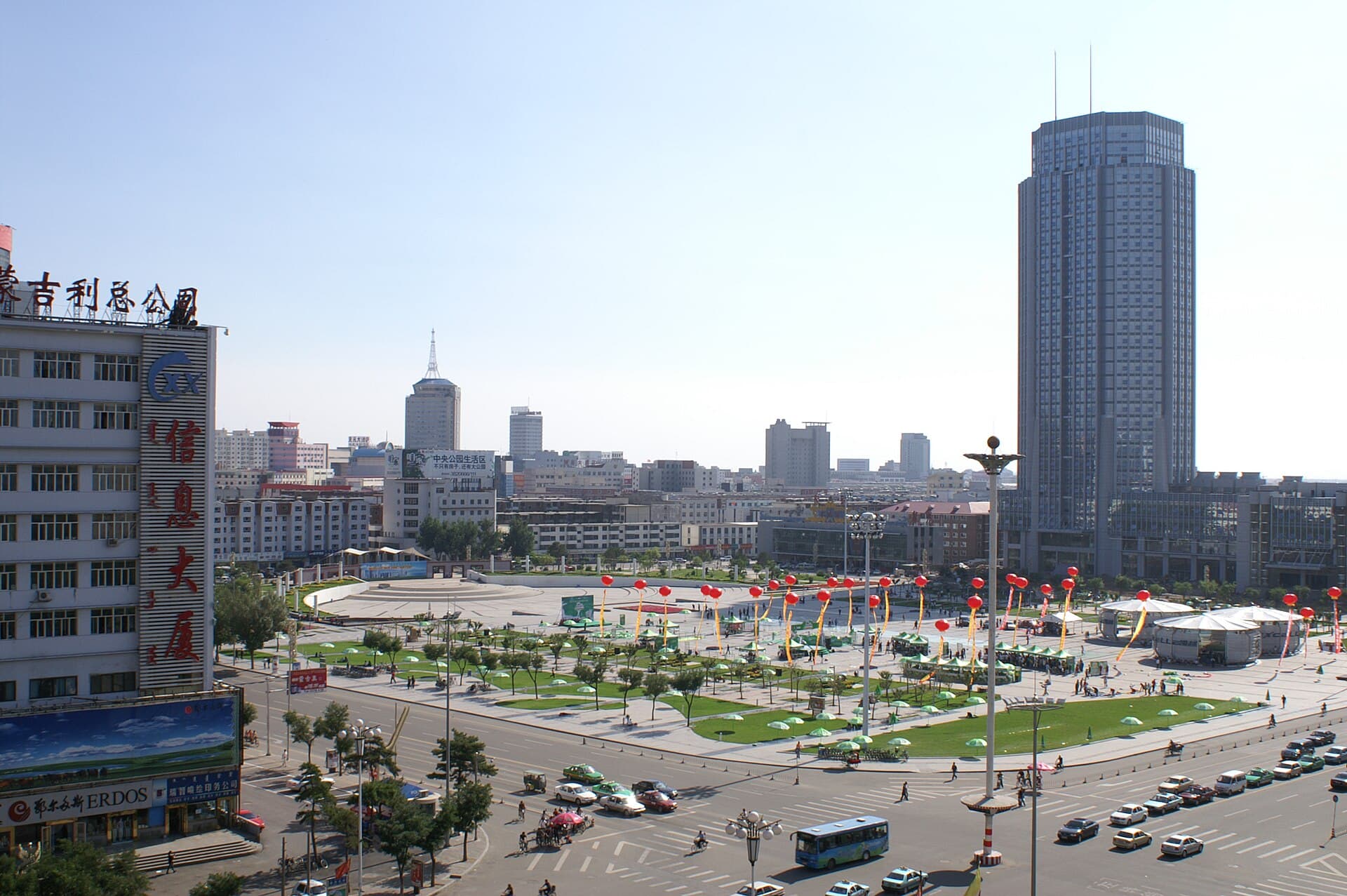 David Wilmot from Wimbledon, United Kingdom / CC BY-SA 2.0, via Wikimedia Commons
Selbstgeführte Audio-Walking-Tour durch Hohhot — GPS-Route, Offline-Wiedergabe, erzählerische Narration in 32 Sprachen.
“Wo die Steppe auf die Stadt trifft, entfaltet sich eine Konfluenz der Kulturen.”
Nicht die Postkarten. Die Geschichten, die selbst Einheimische nicht kennen – dir ins Ohr geflüstert, genau dort, wo sie geschahen.
Jenseits seiner prächtigen Hallen und vergoldeten Buddha-Statue entgeht ein besonderes Detail oft dem zufälligen Betrachter.
Der Name der Stadt Hohhot trägt eine Farbe, die Sie vielleicht überraschen wird und die nicht die Farbe ist, die üblicherweise mit offenen Graslandschaften assoziiert wird.
Hören Sie genau auf die lokale Sprache in Hohhot, und Sie werden vielleicht eine besondere sprachliche Wendung bemerken, die Jahrhunderte der Migration widerspiegelt.
Entdecke jedes Geheimnis von Hohhot
Jede Adresse, jede Enthüllung vollständig – in deinem Ohr, genau dort, wo es geschah.
Du wählst deine Stationen. Du gehst. Die Stimme enthüllt, was andere übersehen.
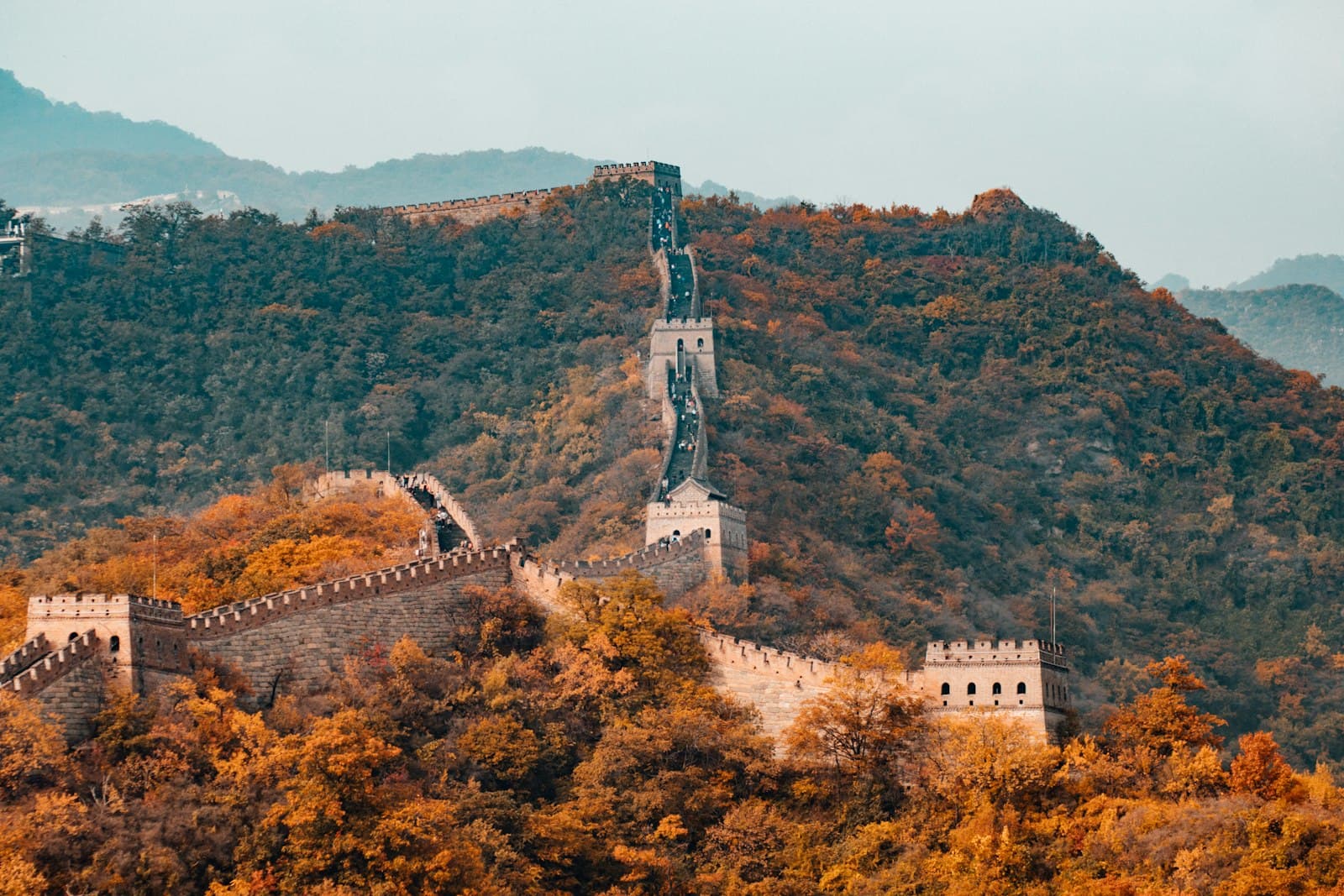
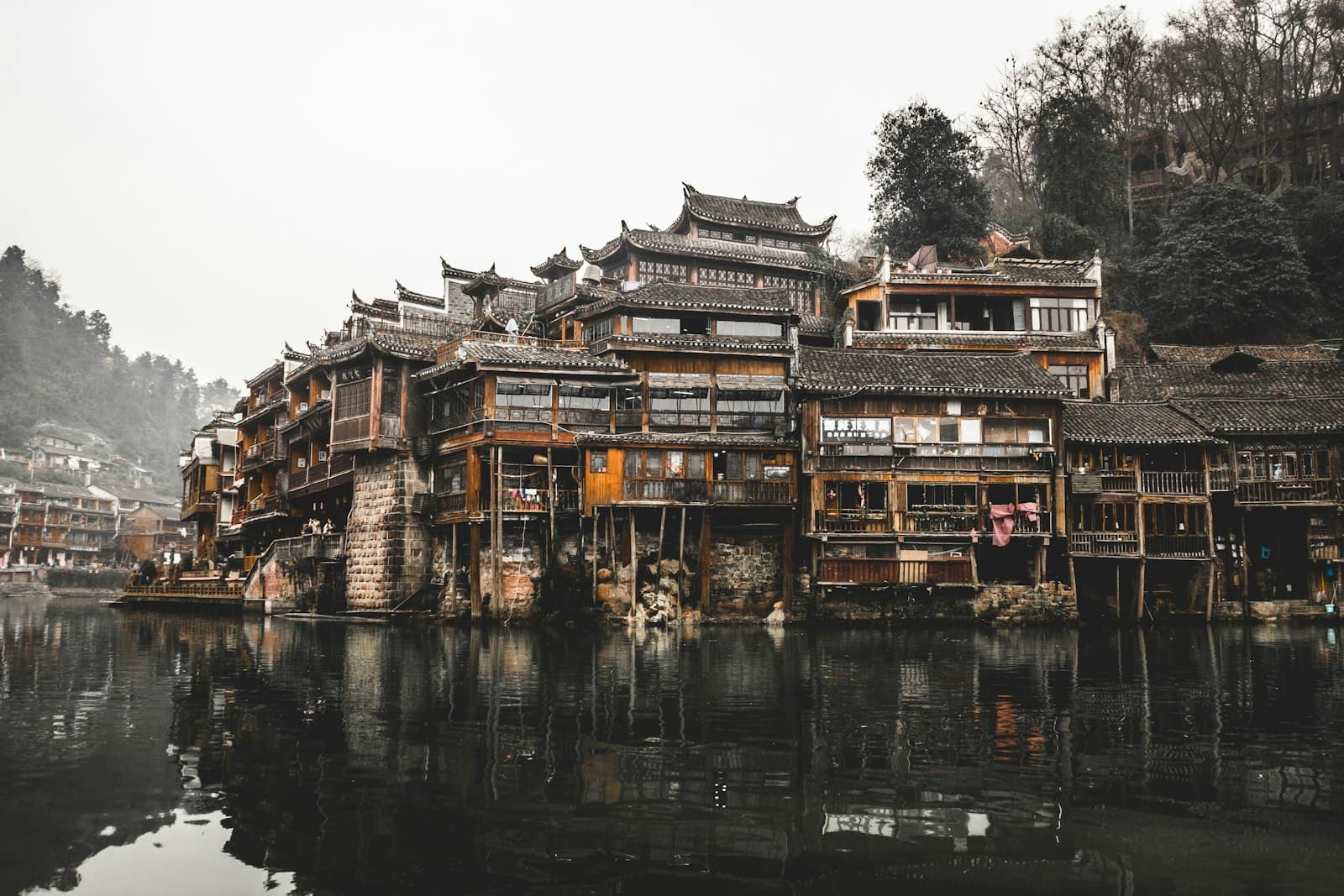
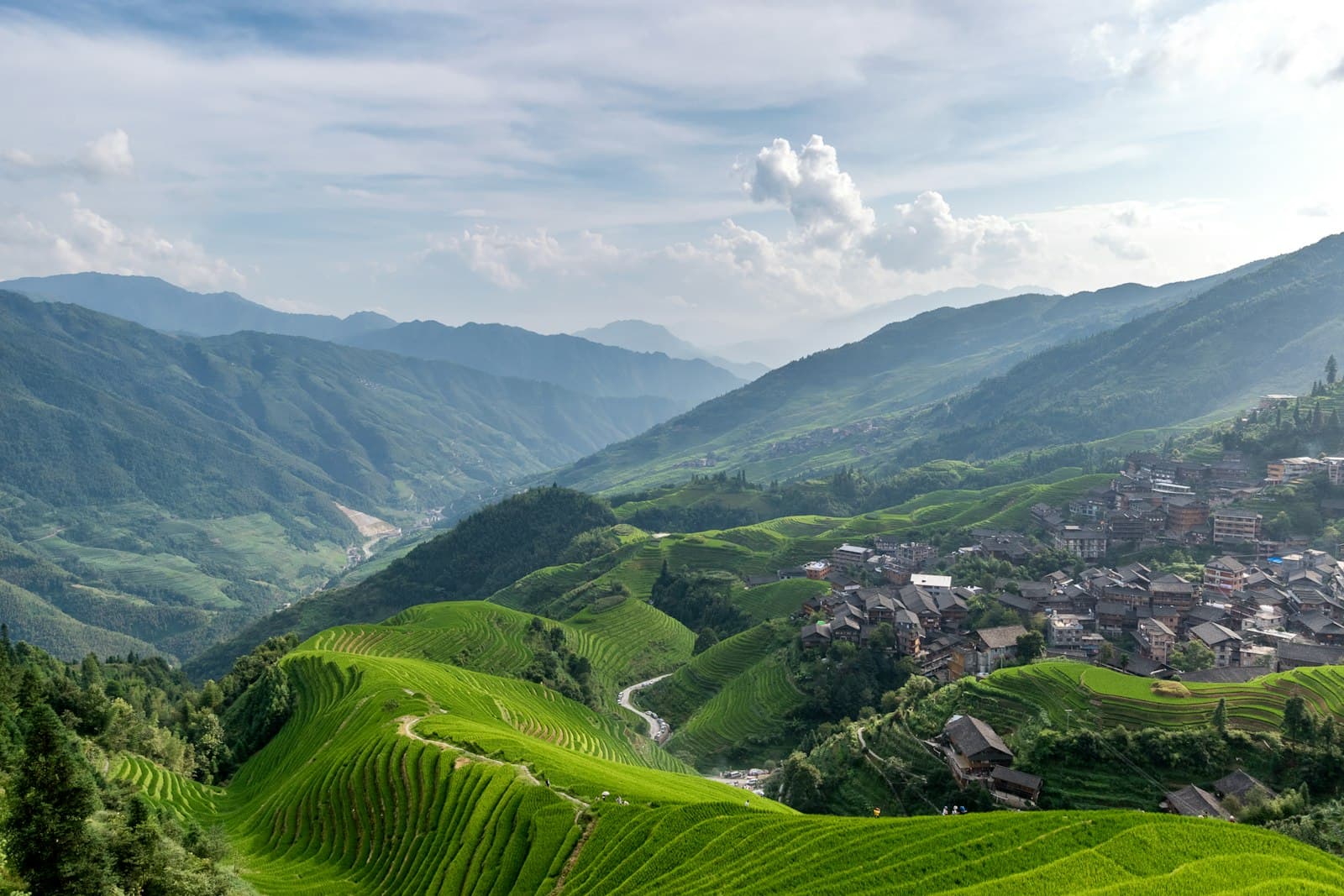
Deine selbstgeführte Audio-Tour durch Hohhot ist bereit – wähle deine Sehenswürdigkeiten, deine Sprache und starte, sobald du ankommst.
KaufenLume enthält einen integrierten Augmented-Reality-Guide. Halten Sie Ihr Handy hoch: Die Kamera zeigt die Straße vor Ihnen, mit einem leuchtenden Pfeil über dem echten Bild, der immer auf Ihren nächsten Stopp zeigt — keine Karte zum Rätseln, keine falschen Abzweigungen. Wie alles bei Lume funktioniert es komplett offline.
Hohhot, die Hauptstadt der Inneren Mongolei, ist eine Stadt, in der nomadische Traditionen auf städtische Entwicklung treffen. Ihr Name, der auf Mongolisch 'Blaue Stadt' bedeutet, evoziert den immensen Himmel, der sich über die umliegenden Graslandschaften erstreckt. Diese nordchinesische Stadt ist das administrative, wirtschaftliche und kulturelle Herz der Autonomen Region Innere Mongolei und bietet ein besonderes Fenster in eine Region, die sowohl von mongolischen als auch von chinesischen Einflüssen geprägt ist.
Hohhot liegt auf einer Höhe von etwa 1.065 Metern (3.494 Fuß) auf dem Hetao-Plateau, eingebettet von den Daqing-Bergen im Norden und dem Dahei-Fluss im Süden. Es ist eine Stadt der ausgeprägten Jahreszeiten, bekannt für ihre langen, kalten, trockenen Winter und warmen, etwas feuchten Sommer. Hohhot ist nicht nur ein Tor zu den weiten Graslandschaften, sondern auch ein Reiseziel für sich, mit einer lebendigen Esskultur, historischen Stätten und einem modernen urbanen Puls.
Hohhots Ursprünge reichen bis ins 16. Jahrhundert zurück, als Altan Khan, der Anführer der Tumed-Mongolen, um 1580 oder 1581 seine Hauptstadt hier errichtete. Die Stadt entwickelte sich zunächst zu einem militärischen, administrativen und religiösen Zentrum, das um den Dazhao-Tempel herum erbaut wurde, dessen Bau 1557 begann. Chinesische Siedler, die seit der Ming-Dynastie in der Gegend präsent waren, bezeichneten diese Region als Guihua, was 'Rückkehr zur Zivilisation' bedeutet.
Im Laufe der Zeit verschmolzen die mongolische Stadt Hohhot und die chinesische Siedlung Suiyuan zu einem bedeutenden Grenzmarkt. Dieser strategische Standort an einer Handelsroute, die die mongolischen Steppen mit den zentralen Ebenen Chinas verband, war ein entscheidender Faktor für seine Entwicklung und erleichterte den Austausch von Gütern wie Tee, Seide, Pferden und Handwerksprodukten. Die Annahme des tibetischen Buddhismus festigte Hohhots Rolle als wichtiges religiöses Zentrum weiter und zog Pilger aus der gesamten Region an.
Anfang des 20. Jahrhunderts wurde das Gebiet 1911 zum Kreis Suiyuan, 1913 in Kreis Guisui umbenannt und 1928 zur Stadt Guisui, die als Hauptstadt der Provinz Suiyuan diente. Während der japanischen Besatzung von 1937 bis 1945 war es die Hauptstadt der pro-japanischen autonomen Region Mengjiang. Nach der Gründung der Volksrepublik China wurde die Stadt 1954 in Hohhot umbenannt und 1952 zur Hauptstadt der Autonomen Region Innere Mongolei bestimmt, womit sie Zhangjiakou ablöste. Seitdem hat Hohhot eine beträchtliche Entwicklung erfahren und sich zu einem geschäftigen Zentrum entwickelt, das seine tiefe historische Erzählung mit modernen Fortschritten in Einklang bringt.
Hohhot bietet eine Mischung aus historischen Stätten und natürlicher Schönheit. Der Dazhao-Tempel, erbaut 1579, ist das älteste und größte Gelugpa (tibetisch-buddhistische) Kloster der Stadt und bekannt für seine beeindruckende silberne Buddha-Statue und kunstvollen Drachenreliefs. Ein weiteres architektonisches Meisterwerk ist der Fünf-Pagoden-Tempel (Wuta-Tempel) mit seinem besonderen indischen Design und wunderschönen Reliefskulpturen. Für eine tiefere Erkundung der Vergangenheit der Region bietet das Museum der Inneren Mongolei erstklassige Ausstellungen, die von Dinosaurierfossilien bis zu Artefakten nomadischer Reiche reichen. Etwas außerhalb der Stadt befindet sich das Zhaojun-Grabmal, auch bekannt als das 'Grüne Grab', ein künstlicher Erdhügel, der Wang Zhaojun ehrt, eine kaiserliche Konkubine der Han-Dynastie, die sich vor über 2000 Jahren freiwillig bereit erklärte, einen Xiongnu-Häuptling zu heiraten. Die nahegelegene Xilamuren-Grasland ist ein beliebtes Ziel, um die nomadische Kultur zu erleben und bietet Möglichkeiten zum Reiten und für Übernachtungen in Jurten.
Die ideale Zeit für einen Besuch in Hohhot für Aktivitäten bei warmem Wetter und um die grünen Graslandschaften zu erleben, ist von Anfang Juni bis Ende August. In dieser Zeit sind die Temperaturen mild bis warm, im Juli durchschnittlich etwa 23,2 °C (73,8 °F), und die Graslandschaften sind am üppigsten. Juli und August fallen auch mit dem jährlichen Naadam-Festival zusammen, einem Fest der traditionellen mongolischen Sportarten und Kultur. Frühling (März-Mai) und Herbst (September-Oktober) bieten kühlere Temperaturen und weniger Menschenmassen, obwohl der Frühling windig mit Sandstürmen sein kann. Winter (Dezember-Februar) sind kalt und trocken, mit Temperaturen oft unter dem Gefrierpunkt, was es zur Nebensaison für Touristen macht, es sei denn, Sie interessieren sich für Wintersport.
Die offizielle Währung in Hohhot und in ganz China ist der Chinesische Yuan (CNY), auch bekannt als Renminbi (RMB). Obwohl Bargeld immer noch akzeptiert wird, sind digitale Zahlungsmethoden wie Alipay und WeChat Pay weit verbreitet und sehr empfehlenswert. Der Hohhot Baita International Airport (HET) dient als wichtigster Luftverkehrsknotenpunkt und liegt etwa 14,3 km (8,9 Meilen) östlich des Stadtzentrums. Die Stadt verfügt über ein gut ausgebautes öffentliches Nahverkehrssystem, einschließlich einer aufkommenden Metro mit zwei Linien, die wichtige Gebiete wie Bahnhöfe und den Flughafen verbinden, sowie ein ausgedehntes Busnetz. Taxis und Ride-Hailing-Apps sind ebenfalls verfügbar. Mandarin und Mongolisch sind die Amtssprachen, und zweisprachige Schilder sind in der ganzen Stadt üblich. Das Klima ist trocken, daher ist es ratsam, eine gute Feuchtigkeitscreme und Lippenbalsam mitzubringen. Trinken Sie immer Flaschenwasser oder abgekochtes Wasser. Bei Besuchen von Kulturstätten oder Interaktionen mit Einheimischen sollten Sie die mongolischen Bräuche beachten, wie z. B. die Annahme von Milchtee mit beiden Händen und das Vermeiden, über die Türschwelle einer Jurte zu steigen.
Hohhot — Koreanisch, Chinesisch, Hebräisch und 29 weitere Sprachen, jede Station von einer muttersprachlichen Stimme erzählt. Die größte Sprachauswahl aller selbstgeführten Audiotouren.
Verfügbar auf: