Yalahau Lagoon
The name Holbox, meaning 'black hole' in Yucatec Maya, might sound mysterious, but its origin points to a specific natural feature that separates the island from the mainland.
Full story unlocks in the tour
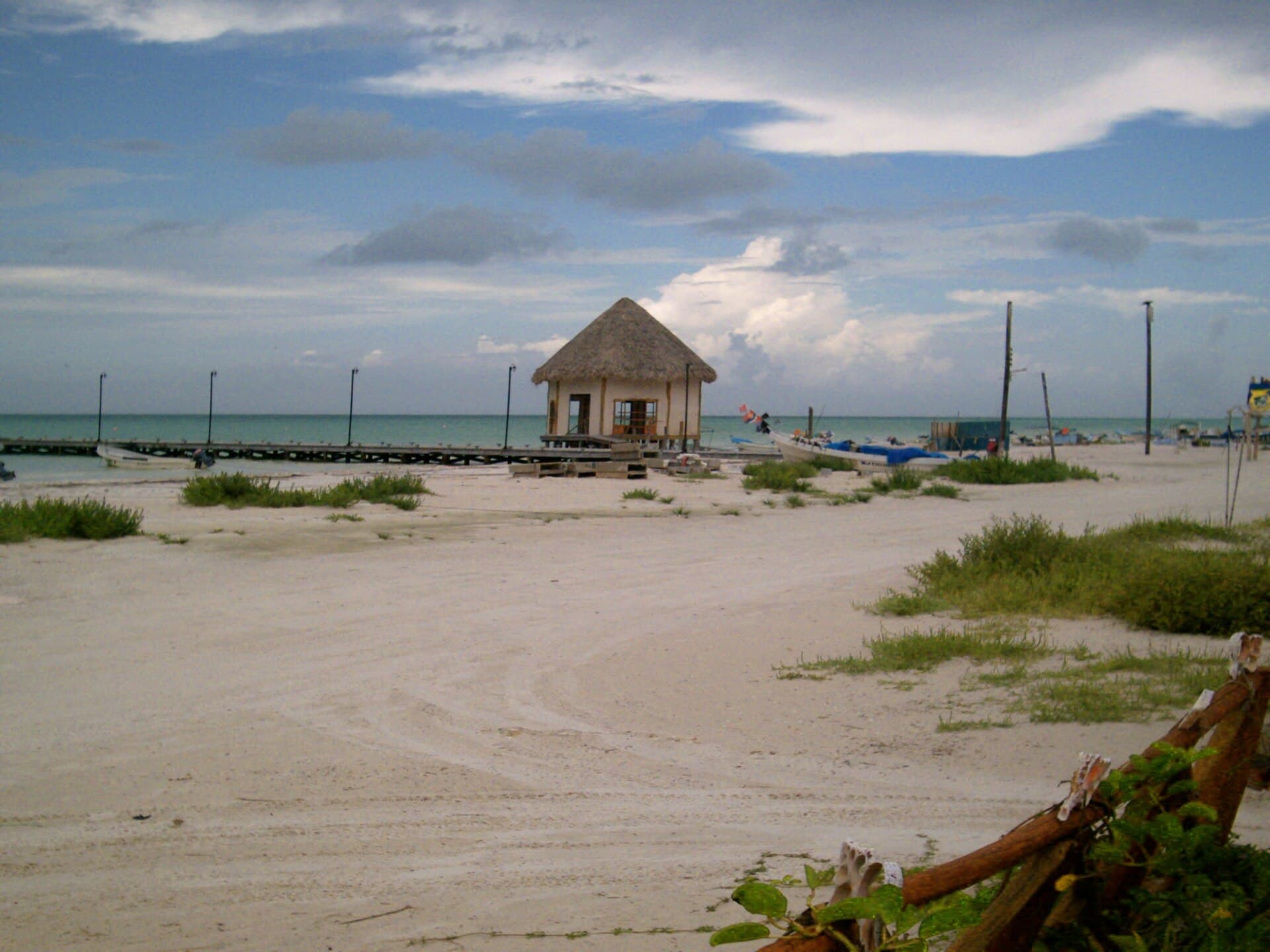 Dr Marin / Public domain, via Wikimedia Commons
Self-guided audio walking tour of Holbox — GPS route, offline playback, story-driven narration in 32 languages.
“Where the Caribbean Sea meets the Gulf of Mexico, a tranquil island offers encounters with ancient Maya, pirates, and glowing nights.”
Not the postcards. The stories even locals don't know — whispered in your ear, right where they happened.
The name Holbox, meaning 'black hole' in Yucatec Maya, might sound mysterious, but its origin points to a specific natural feature that separates the island from the mainland.
On certain dark nights, the shallow waters off Holbox transform into a mesmerizing light show, an ethereal glow that seems almost otherworldly.
Just a short boat ride from Holbox, there's an island teeming with life, yet visitors are never allowed to set foot on its shores.
Discover every secret of Holbox
Every address, every reveal in full — in your ear, right where it happened.
You pick your stops. You walk. The voice reveals what the others miss.


Your self-guided audio tour of Holbox is ready — pick your landmarks, choose your language, and start the moment you arrive.
BuyLume has a built-in augmented-reality guide. Hold your phone up and its camera shows the street ahead of you, with a glowing arrow laid over the real view that always points to your next stop — no map to puzzle over, no wrong turns. Like everything in Lume, it works fully offline.
Holbox (pronounced HOLE-bosh) is a slender island, approximately 26 miles long and 1 mile wide, situated off the northern coast of Mexico's Yucatán Peninsula. It lies where the Caribbean Sea converges with the Gulf of Mexico, creating a singular environment known for its shallow, nutrient-rich waters. As a portion of the Yum Balam Biosphere Reserve, Holbox provides refuge for diverse wildlife, including flamingos, pelicans, sea turtles, and the majestic whale sharks during their migration season.
The island maintains a relaxed, car-free atmosphere, with sandy roads traversed mainly by golf carts, bicycles, and pedestrians. This dedication to preserving its natural character distinguishes Holbox from more developed tourist destinations in the Yucatán. Expect colorful murals adorning buildings, local vendors offering fresh seafood, and a general sense of calm that encourages deep relaxation.
Holbox offers a blend of natural splendor and a laid-back local feel, making it an appealing destination for those seeking an escape. From its untouched white sand beaches to its active marine life, the island provides opportunities for both adventure and peaceful repose.
The history of Holbox traces back to its original inhabitants, the ancient Maya. Archaeological evidence suggests the Maya used the island seasonally as a fishing camp, and it was an integral part of their maritime economic and trade network, connecting with inland cities like Chichén Itzá. The island was part of the Ekab Cacicazgo, a Mayan chiefdom that extended across the northern Yucatán Peninsula. The name "Holbox" itself originates from the Yucatec Maya language, meaning "black hole," likely a reference to the dark, nutrient-rich waters of the Yalahau Lagoon that separates the island from the mainland.
During the 16th-century colonial period, Holbox's secluded location and shallow lagoon offered an ideal refuge for pirates and buccaneers, including figures like Jean Lafitte. These untamed times contributed to legends of buried pirate gold, adding a layer of mystique to the island's past.
In the mid-19th century, during the Caste War, a social rebellion on the mainland, people sought refuge on Holbox. Despite government attempts to prevent settlement, the inhabitants refused to leave, and by 1854, they were officially recognized as "Holboxeños." The island gradually developed into a fishing and farming village, trading goods with the mainland. However, a devastating hurricane in 1886 completely destroyed the island, leading to its rebuilding in a new location, which is where the town stands today.
Electricity arrived on the island in 1987. In 1994, Holbox was designated as an ecological reserve, becoming part of the Yum Balam Biosphere Reserve, a crucial step in safeguarding its unique biodiversity. While fishing remains an important industry, with lobster as a primary product, tourism has grown significantly since the 2000s, particularly for nature lovers and those seeking a tranquil beach experience. The island has largely resisted mass tourism development, maintaining its car-free policy and a height restriction of 40 feet for buildings, ensuring its relaxed character endures.
Holbox offers a variety of experiences, from wildlife encounters to artistic explorations. Begin by wandering the sandy streets of Holbox town, where expressive street art and colorful murals adorn many buildings. The main square, Parque Central de Holbox, is a pleasant spot to sample local street food.
For nature enthusiasts, a morning walk along the sandbank to Punta Mosquito is a rewarding journey. This remote beach on the eastern side of the island is known for its birdlife, including flamingos, particularly from April to October. At the opposite end of the island, Punta Cocos offers serene sunsets and, on dark nights, the chance to observe bioluminescence in the shallow waters. You can reach both Punta Cocos and Punta Mosquito by bike or golf cart.
Boat tours are popular for exploring the surrounding natural wonders. A "three islands" tour typically includes stops at Isla Pájaros (Bird Island), a protected sanctuary for numerous bird species, and Yalahau Cenote, a freshwater spring surrounded by mangroves. While you cannot disembark on Bird Island, observation decks offer excellent viewing opportunities. From June to September, swimming with whale sharks is a major attraction, offering a singular opportunity to encounter these gentle giants in their natural habitat.
The best time to visit Holbox is generally during the dry season, from December to April, when temperatures are comfortable, rainfall is low, and humidity is more bearable. This period offers clear skies and optimal conditions for outdoor activities and water clarity. If swimming with whale sharks is a priority, plan your trip between June and mid-September, with July and August being peak season. For experiencing bioluminescence, the summer months (June to September) around the new moon offer the brightest displays. While the wet season (mid-May to November) brings higher temperatures and humidity, rain showers are often short bursts.
Holbox is a car-free island; transportation primarily consists of golf carts, bicycles, and walking. Golf cart taxis are readily available, especially at the ferry port and in town. Ferries to Holbox depart from Chiquilá every 30 minutes, with two companies operating. The journey from Cancún to Chiquilá takes about two hours by shuttle or car.
Mexican Pesos are the primary currency, and it's advisable to carry cash as many establishments prefer it, and ATMs can be unreliable or dispense USD. While Wi-Fi is available, it can be spotty, so consider getting a local SIM card. The island is part of a nature reserve, so sustainability is important; bring a reusable water bottle and use reef-safe sunscreen and biodegradable insect repellent. Mosquitoes can be prevalent, especially during the rainy season, so pack effective repellent.
Holbox in Korean, in Chinese or in Hebrew — and 29 more languages, every stop narrated by a native voice. The widest language range of any self-guided audio tour.
Available in: