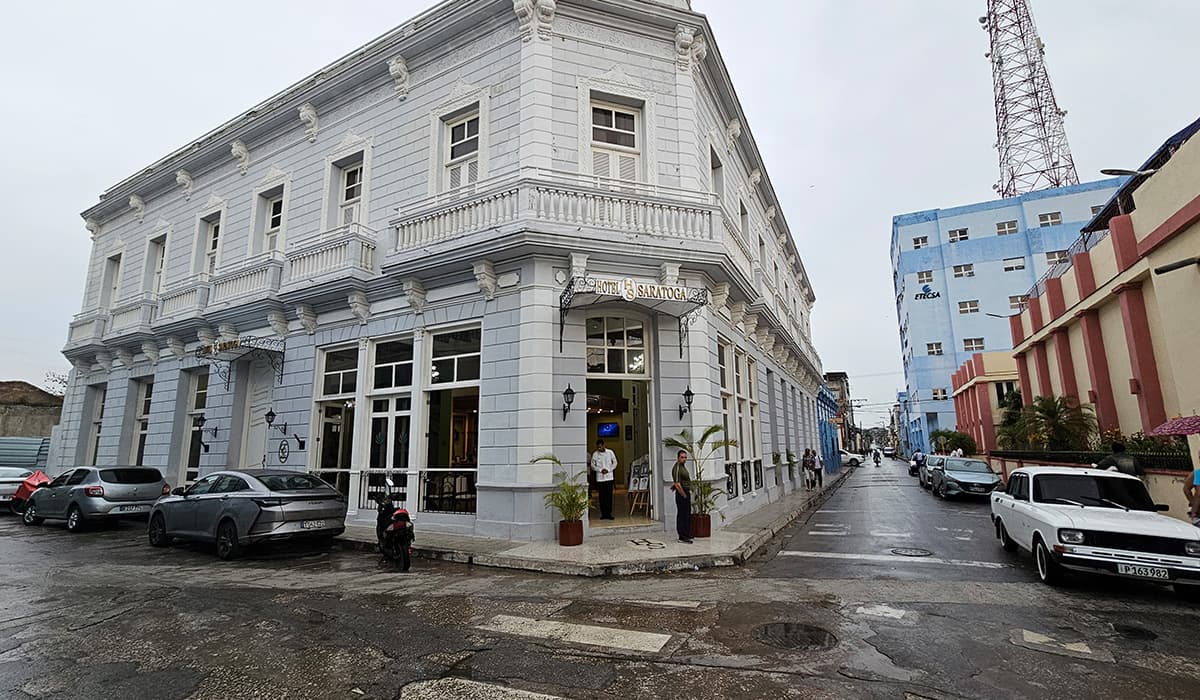
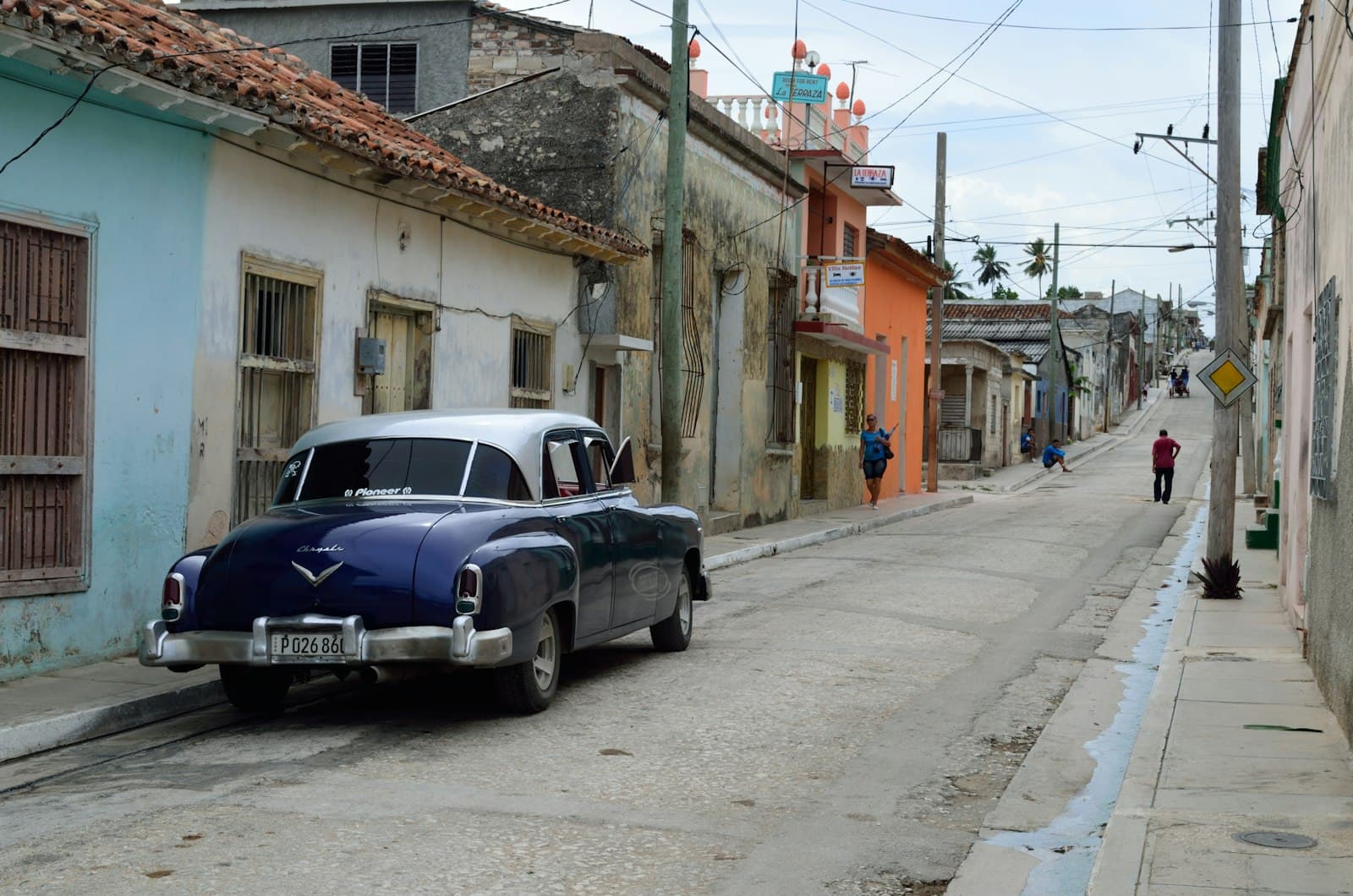
Holguín, CubaIrám René GD / CC BY-SA 4.0, via Wikimedia Commons
CU

Holguín

Holguín: Where Cuba's history unfolds across the most beautiful land human eyes have ever seen.

The secrets of Holguín

Holguín, as no one tells it.

Not the postcards. The stories even locals don't know — whispered in your ear, right where they happened.

3 secrets below. Many more wait inside the tour.
La Periquera

The grand 19th-century building, now the Provincial History Museum, acquired a peculiar nickname during a pivotal moment in Cuba's fight for independence.

Full story unlocks in the tour
Loma de la Cruz

The iconic Hill of the Cross, a pilgrimage site offering expansive city views, holds an origin story tied to an ancient plea for divine intervention.

Full story unlocks in the tour
Mirador de Mayabe

At a scenic viewpoint outside the city, a long-standing tradition involves a rather unconventional local celebrity with a taste for unexpected treats.

Full story unlocks in the tour
The full tour

Discover every secret of Holguín

Every address, every reveal in full — in your ear, right where it happened.

Get the key to Holguín

You pick your stops. You walk. The voice reveals what the others miss.

Choose your time

How long do you have in Holguín?

No tours available yet. Check back soon — we're preparing them.

About Holguín

The story of Holguín

Holguín, often called the "City of Parks," is a lively metropolis in eastern Cuba, presenting a blend of colonial grace, profound history, and compelling natural landscapes. As the capital of its province and the fourth-largest city in Cuba, it offers an authentic experience away from more heavily traveled tourist areas. Its urban design is characterized by a series of interconnected plazas, with the bustling Calixto García Park serving as a central hub for social life.

The region's significance dates back to 1492 when Christopher Columbus reportedly landed on its coast near what is now Bariay, declaring it "the most beautiful land human eyes have ever seen." Today, Holguín appeals to travelers seeking both repose and exploration, with its varied landscapes encompassing rolling hills, verdant vegetation, and immaculate northern coast beaches.

Beyond its architectural appeal, Holguín serves as a portal to ecological reserves, archaeological sites, and a spirited local culture, making it a compelling destination for those looking to explore Cuba's less-visited eastern side.

History

From Indigenous Roots to Colonial Foundations

Before the arrival of Europeans, the Holguín area was settled by the Taíno people, who lived in huts crafted from royal palm. Their artifacts are now displayed at the local La Periquera museum. The recorded history of Holguín began in 1492 when Christopher Columbus landed on the coast of what is now Holguín province, at Bariay. He famously described the land as "the most beautiful land human eyes have ever seen."

The Spanish captain García Holguín founded a settlement on these lands in 1523, after receiving them as a gift from the island's first governor. Initially, it was a small agrarian estate, or hato, which gradually expanded. The settlement officially received city status much later, in 1720, an event marked by the celebration of the first mass at the site of the present-day San Isidoro Cathedral.

Growth, Conflict, and the "City of Parks"

From its official registration in 1545, Holguín's development was slow compared to other Cuban cities. However, it grew to become an important cultural and administrative center in eastern Cuba, with an economy tied to agriculture, particularly sugar cane, coffee, and livestock farming. The city's cultural life was shaped by strong Spanish influence, evident in its architecture and traditions.

Holguín became a center of insurgency movements and was significantly impacted by the Ten Years' War (1868–78) and the 1895–98 struggle for independence. During the Ten Years' War, Cuban independence fighters took possession of Holguín in October 1868. Spanish soldiers sought refuge in a partially constructed house, which was then nicknamed 'La Periquera' due to their colorful uniforms resembling parakeets.

In 1976, a new administrative division in Cuba made Holguín the capital of its namesake province. Today, Holguín is known as the "City of Parks" due to its numerous historic plazas and green spaces. It remains an important communications and trading hub in eastern Cuba, with industries including sugar refining, cigar making, and meat processing.

What to see

Holguín's appeal lies in its walkable city center, punctuated by distinct plazas. Begin at Calixto García Park, the main square, encircled by colonial buildings and a nexus for local social activity. Nearby, the Museo Provincial de Historia, housed in the 19th-century La Periquera, offers insights into regional history.

Ascending Loma de la Cruz (Hill of the Cross) is a memorable experience. You can climb its 458 steps for sweeping city views, a climb considered a local rite of passage. At the summit, a wooden cross, erected in 1790, stands as a significant symbol. For music lovers, Casa de la Trova offers traditional Cuban music performances where locals gather to dance.

Beyond the city, consider a visit to Gibara, a picturesque fishing village about an hour's drive away, known for its colonial architecture and relaxed pace. The Bariay Monument National Park marks the spot where Christopher Columbus is believed to have first landed in Cuba. For nature enthusiasts, Cayo Saetía National Park offers a unique experience with exotic wildlife like zebras and antelopes, creating an African safari atmosphere in the Caribbean.

When to visit

Holguín experiences a tropical climate with two main seasons: a dry season from November to April and a wet season from May to October. The dry season is generally considered the most favorable time to visit, with lower humidity, less rainfall, and pleasant temperatures, making it ideal for outdoor activities. Average daytime temperatures range from 28 to 32°C (82 to 90°F) year-round.

For those seeking sunny weather, January through April and June through December are recommended. The transitional months of March, April, November, and December offer sunny, warm days and nights without the intense heat and humidity of summer. May is notable for the Romerías de Mayo festival, filling the streets with life and music. The hurricane season runs from June to November, with the highest risk from August to October.

Practical

Holguín is served by Frank País International Airport (Aeropuerto Frank País), with transfer times to resorts typically ranging from 1 to 1.5 hours. The city center is compact and walkable, making it easy to explore its plazas on foot. For excursions outside the city, consider renting a car for flexibility, though guided tours are also available.

Pack lightweight, breathable clothing like cotton or linen due to the tropical climate, along with comfortable walking shoes, especially if you plan to climb Loma de la Cruz. A wide-brimmed hat, high-SPF sunscreen, and insect repellent are also recommended. While exploring, you'll find a variety of restaurants offering Cuban and international cuisine. Many establishments, such as Salon 1720 and Isla Cristal, are known for their local flavors. The local currency is the Cuban Peso (CUP).

Good to know
What is Holguín known for?
Holguín is known as the "City of Parks" due to its many plazas and green spaces. It's also recognized as the landing spot of Christopher Columbus in Cuba in 1492.
What are the main attractions in Holguín?
Key attractions include Loma de la Cruz, Calixto García Park, the Provincial History Museum (La Periquera), and the nearby colonial town of Gibara.
When is the best time to visit Holguín?
The dry season, from November to April, is generally the most comfortable time to visit, offering pleasant temperatures and less rainfall.
What kind of activities can I do in Holguín?
Visitors can explore historical sites and parks, climb Loma de la Cruz, enjoy traditional Cuban music at Casa de la Trova, relax on beautiful beaches like Guardalavaca, and visit natural parks like Cayo Saetía.
What is the local cuisine like in Holguín?
Holguín's cuisine is a blend of African, European, and indigenous roots, offering traditional Cuban dishes and fresh seafood. Restaurants like Salon 1720 and Isla Cristal are popular choices.
Is Holguín a good destination for ecotourism?
Yes, Holguín province offers significant ecotourism opportunities with natural parks like Bahía de Naranjo, Rocazul Biopark, and Alejandro de Humboldt National Park, featuring diverse flora, fauna, and waterfalls.
Holguín
From€9.00
No booking · activate anytime · 12h to walk it
Get the key to Holguín