Holland Harbor Lighthouse (Big Red)
Der beständige Leuchtturm 'Big Red' von Holland trug einst einen anderen Farbton, seine Verwandlung ist mehr als nur Farbe.
Die ganze Geschichte wird in der Tour freigeschaltet
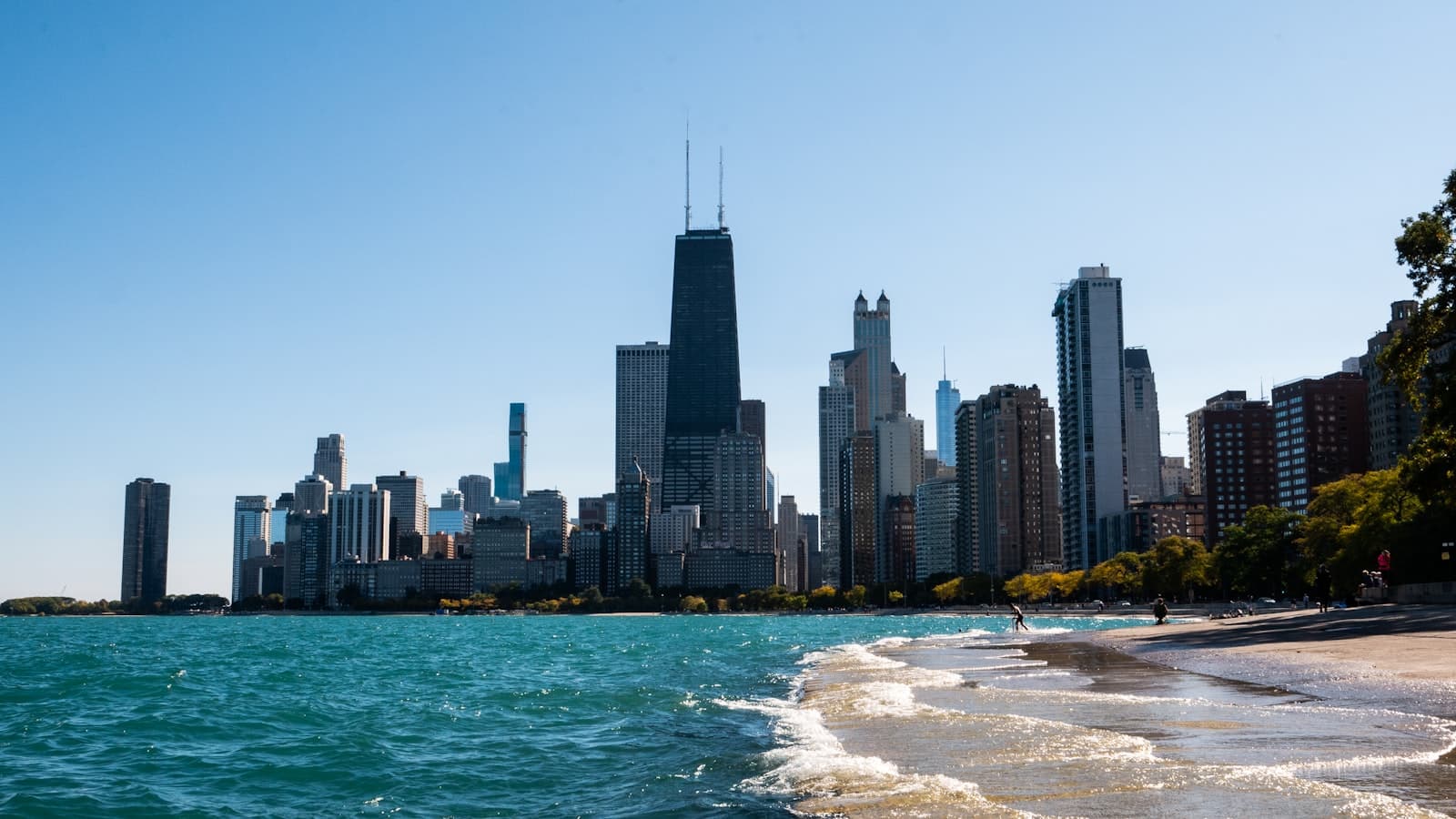 Photo: Dylan LaPierre / Unsplash
Selbstgeführte Audio-Walking-Tour durch Holland — GPS-Route, Offline-Wiedergabe, erzählerische Narration in 32 Sprachen.
“Wo die Anmut der niederländischen Tradition auf die Weite des Michigansees trifft.”
Nicht die Postkarten. Die Geschichten, die selbst Einheimische nicht kennen – dir ins Ohr geflüstert, genau dort, wo sie geschahen.
Der beständige Leuchtturm 'Big Red' von Holland trug einst einen anderen Farbton, seine Verwandlung ist mehr als nur Farbe.
Die echte niederländische Windmühle, die die Windmill Island Gardens schmückt, unternahm eine außergewöhnliche Reise nach Holland, Michigan, und besitzt eine einzigartige Auszeichnung.
Eine lokale Legende erzählt von einem traurigen Geist im Castle Park, der an ein dramatisches Familiengeheimnis gebunden ist.
Entdecke jedes Geheimnis von Holland
Jede Adresse, jede Enthüllung vollständig – in deinem Ohr, genau dort, wo es geschah.
Du wählst deine Stationen. Du gehst. Die Stimme enthüllt, was andere übersehen.


Deine selbstgeführte Audio-Tour durch Holland ist bereit – wähle deine Sehenswürdigkeiten, deine Sprache und starte, sobald du ankommst.
KaufenLume enthält einen integrierten Augmented-Reality-Guide. Halten Sie Ihr Handy hoch: Die Kamera zeigt die Straße vor Ihnen, mit einem leuchtenden Pfeil über dem echten Bild, der immer auf Ihren nächsten Stopp zeigt — keine Karte zum Rätseln, keine falschen Abzweigungen. Wie alles bei Lume funktioniert es komplett offline.
Holland, Michigan, ist eine Stadt, in der das niederländische Erbe nicht nur erinnert, sondern aktiv gefeiert wird. Die Stadt liegt am Ostufer des Michigansees, neben dem Macatawa-See, und bietet eine einzigartige Mischung aus kulturellem Eintauchen und natürlicher Pracht. Vom berühmten Tulip Time Festival, das jährlich Hunderttausende von Besuchern anzieht, bis hin zu seiner authentischen niederländischen Architektur und Attraktionen bietet Holland ein unvergleichliches Erlebnis für Reisende, die einen Hauch der Niederlande im amerikanischen Mittleren Westen suchen.
Gegründet von niederländischen kalvinistischen Separatisten im Jahr 1847, sind die Ursprünge von Holland tief mit seinen europäischen Wurzeln verwoben. Dieses Erbe ist in der ganzen Stadt sichtbar, von den Namen lokaler Geschäfte bis hin zu den traditionellen niederländischen Giebeln, die die Gebäude in der Innenstadt schmücken. Neben seinem kulturellen Angebot bietet Holland auch Zugang zu den weitläufigen Süßwasserstränden des Michigansees, die zu Outdoor-Aktivitäten und atemberaubenden Sonnenuntergängen einladen.
Holländ, Michigan, wurde 1847 von niederländischen kalvinistischen Separatisten unter der Führung von Dr. Albertus van Raalte gegründet. Angetrieben von schweren wirtschaftlichen Bedingungen in den Niederlanden, gründeten diese Siedler ihre Kolonie in der Nähe des Macatawa River, der in den Macatawa Lake und anschließend in den Michigansee fließt. Die frühen Jahre waren geprägt von einer komplexen Beziehung zu den indigenen Ottawa (Odawa) Menschen, die eine bestehende Missionskolonie in der Gegend unterhielten. Kulturelle Unterschiede und Konflikte um Ressourcen führten schließlich dazu, dass die Ottawa-Menschen nach Norden umsiedelten, um ihre Lebensweise zu bewahren.
In seinen Anfangsjahren wurde der Hafen von Holland hauptsächlich von Hand ausgehoben, und der Kongress stellte 1866 Mittel zur Verfügung, um den Kanal auszubaggern. Das erste hölzerne Leuchtfeuer wurde 1870 errichtet und markierte den Beginn der Navigationshilfen für den expandierenden Hafen. Diese frühe Struktur wurde 1902 schließlich durch ein Stahlfeuer ersetzt, was die Sichtbarkeit für Schiffe verbesserte. Die heutige Form des Holland Harbor Lighthouse, liebevoll 'Big Red' genannt, entstand 1907 als Nebelsignalgebäude, dem 1936 ein Leuchtturm hinzugefügt wurde. Seine charakteristische rote Farbe wurde 1956 angebracht, um neuen maritimen Vorschriften zu entsprechen.
Die beliebteste Tradition der Stadt, das Tulip Time Festival, begann 1929. Die Idee entstand 1927, als die Biologielehrerin der Holland High School, Lida Rogers, vorschlug, die Tulpe zur Blume der Stadt zu erklären, um ihr niederländisches Erbe zu ehren. Der Stadtrat unterstützte die Idee, erwarb 1928 100.000 Tulpenzwiebeln aus den Niederlanden und pflanzte sie in Stadtparks. Das Eröffnungsfestival 1929 lud Besucher ein, die blühenden Tulpen zu bestaunen, ein Ereignis, das schnell an Popularität gewann. Im Laufe der Jahrzehnte wurden niederländische Traditionen wie Klompen-Tanz und Straßenfegen zu einem zentralen Bestandteil des Festivals, das sich zu einer national anerkannten Veranstaltung entwickelte und jedes Jahr Hunderttausende von Besuchern anzieht.
Beginnen Sie Ihre Erkundung bei den Windmill Island Gardens, Heimat von De Zwaan, der einzigen authentischen, funktionierenden niederländischen Windmühle in den Vereinigten Staaten. Sie können eine selbstgeführte Tour unternehmen, die fünf Stockwerke erklimmen und beobachten, wie Mehl gemahlen wird. Die umliegenden 36 Hektar Gärten explodieren im Frühling mit über 100.000 Tulpen. Danach fahren Sie zum Holland State Park, um weite Ausblicke auf den Michigansee und den ikonischen Leuchtturm 'Big Red', den meistfotografierten Leuchtturm Michigans, zu genießen. Ein Holzsteg bietet zugängliche Ausblicke auf den Leuchtturm.
Die Innenstadt von Holland bietet ein reizvolles Erlebnis mit ihrer niederländisch geprägten Architektur, lokalen Boutiquen und Restaurants. Während des Tulip Time Festivals erwachen die Straßen mit Paraden, Klompen-Tänzen und Straßenfegen zum Leben. Für ein tieferes Eintauchen in die niederländische Kultur bietet Nelis' Dutch Village ein Themenparkerlebnis mit traditionellen Fahrgeschäften, Käseherstellungsdemonstrationen und Holzschuh-Schnitzereien. Das Holland Museum bietet einen umfassenden Einblick in die Geschichte der Region und niederländische Kunstsammlungen. Verpassen Sie nicht die Veldheer Tulip Gardens, besonders im Frühling, wo Hektar von Tulpen eine lebendige Pracht entfalten.
Die ideale Zeit für einen Besuch in Holland, Michigan, ist im Frühling, insbesondere Ende April und Anfang Mai, zur Zeit des Tulip Time Festivals. In dieser Zeit entfalten sich Millionen von Tulpen in der ganzen Stadt und verwandeln Parks und Straßen in leuchtende Farben. Das Festival selbst findet vom ersten Samstag im Mai bis zum zweiten Sonntag statt und bietet Paraden, traditionelle niederländische Tänze und verschiedene Veranstaltungen. Für diejenigen, die sich hauptsächlich für die Tulpen interessieren und den größten Andrang vermeiden möchten, kann ein Besuch in der Woche vor oder nach den offiziellen Festivalterminen ein ruhigeres Erlebnis bieten, da verschiedene Tulpenarten zu unterschiedlichen Zeiten blühen. Der Sommer, von Juni bis August, ist ebenfalls beliebt, um die Strände des Michigansees und Outdoor-Aktivitäten zu genießen.
Holland ist zwischen den Bezirken Ottawa und Allegan aufgeteilt, wobei sich das Stadtzentrum hauptsächlich im Bezirk Ottawa befindet. Die Stadt betreibt das größte städtische Schneeschmelzsystem der USA mit über 120 Meilen Rohren unter den Gehwegen und Straßen der Innenstadt, die im Winter schneefrei bleiben. Achten Sie bei der Erkundung darauf, dass viele Geschäfte in der Innenstadt sonntags geschlossen sein können, was den Einfluss der historischen niederländischen reformierten Kirche widerspiegelt. Für Unterkünfte gibt es zentral gelegene Optionen wie das City Flats, Courtyard by Marriott und das Haworth Holland im Hope College. Die Stadt ist gut mit dem Auto zu durchqueren, und Spaziergänge sind angenehm, besonders in der Innenstadt und in den Parks. Öffentliche Verkehrsmittel sind begrenzt, daher ist ein Auto ratsam, wenn Sie sich außerhalb des unmittelbaren Stadtzentrums bewegen möchten. Ein 'Tulpen-Tracker' ist im Frühling online verfügbar, um den Blühprozess der Tulpen zu verfolgen.
Holland — Koreanisch, Chinesisch, Hebräisch und 29 weitere Sprachen, jede Station von einer muttersprachlichen Stimme erzählt. Die größte Sprachauswahl aller selbstgeführten Audiotouren.
Verfügbar auf: