Paleis Eguiluz
Lokale verhalen spreken van een koninklijke gevangene, tegen haar wil vastgehouden binnen deze paleismuren.
Volledig verhaal ontgrendeld in de tour
 JLPC / CC BY-SA 3.0, via Wikimedia Commons
Zelfgeleide audiowandeling door Hondarribia — GPS-route, offline afspelen, meeslepende vertelling in 32 talen.
“Waar oude muren levendige tinten omarmen, en de geur van de zee zich vermengt met blijvende verhalen.”
Niet de ansichtkaarten. De verhalen die zelfs locals niet kennen — gefluisterd in je oor, precies waar ze gebeurden.
Lokale verhalen spreken van een koninklijke gevangene, tegen haar wil vastgehouden binnen deze paleismuren.
Deze berg diende ooit als een clandestiene ontmoetingsplaats voor mensen die beschuldigd werden van hekserij.
Het belangrijkste festival van de stad heeft een opmerkelijk oorsprongsverhaal, met schapen en een wanhopige ontsnapping.
Ontdek elk geheim van Hondarribia
Elk adres, elke onthulling volledig — in je oor, precies waar het gebeurde.
Jij kiest je stops. Jij wandelt. De stem onthult wat de anderen missen.
Je zelfgeleide audiotour van Hondarribia is klaar — kies je bezienswaardigheden, kies je taal en start zodra je aankomt.
KopenLume heeft een ingebouwde augmented-reality-gids. Houd je telefoon omhoog: de camera toont de straat voor je, met een oplichtende pijl over het echte beeld die altijd naar je volgende stop wijst — geen kaart om uit te puzzelen, geen verkeerde afslagen. Zoals alles in Lume werkt het volledig offline.
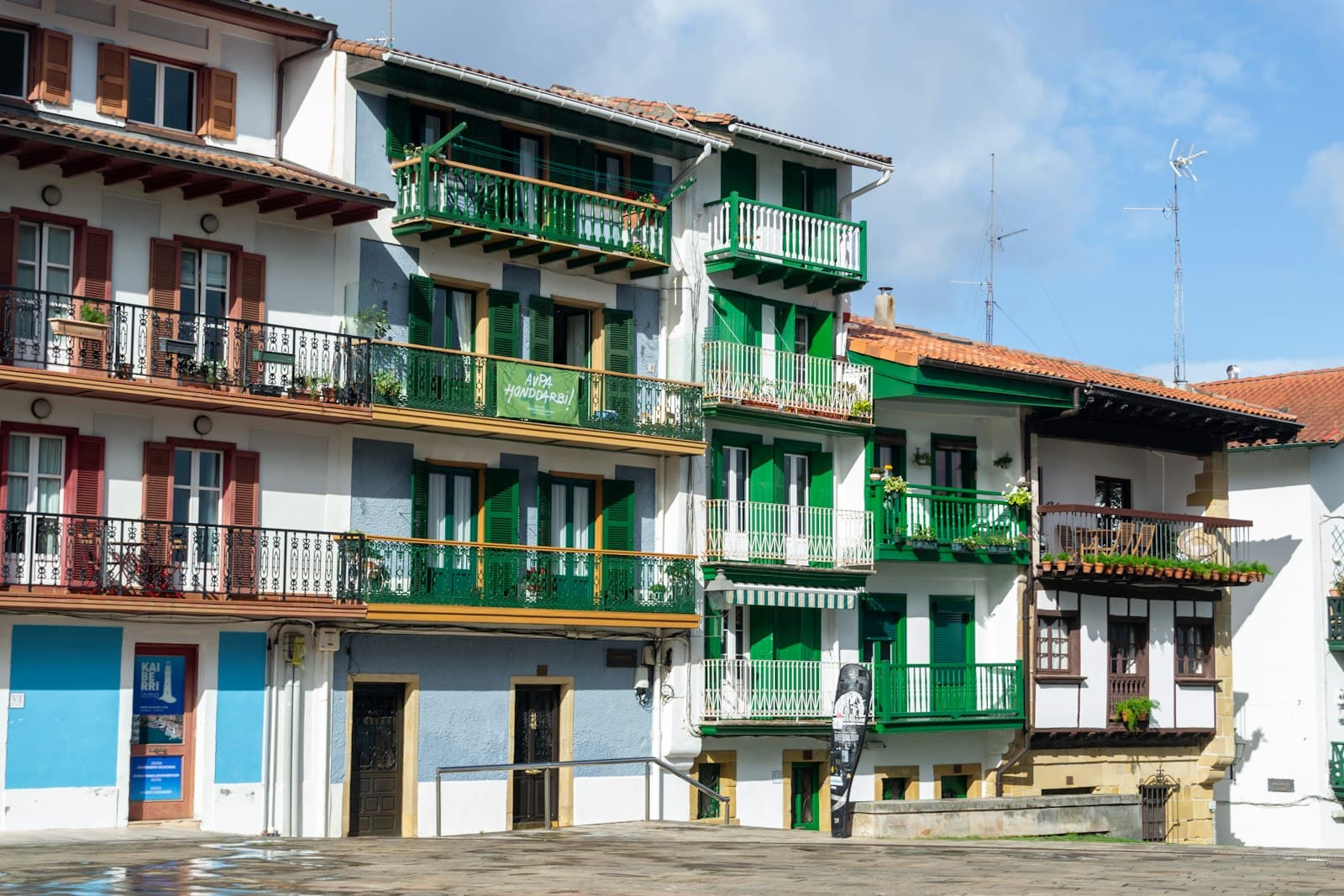
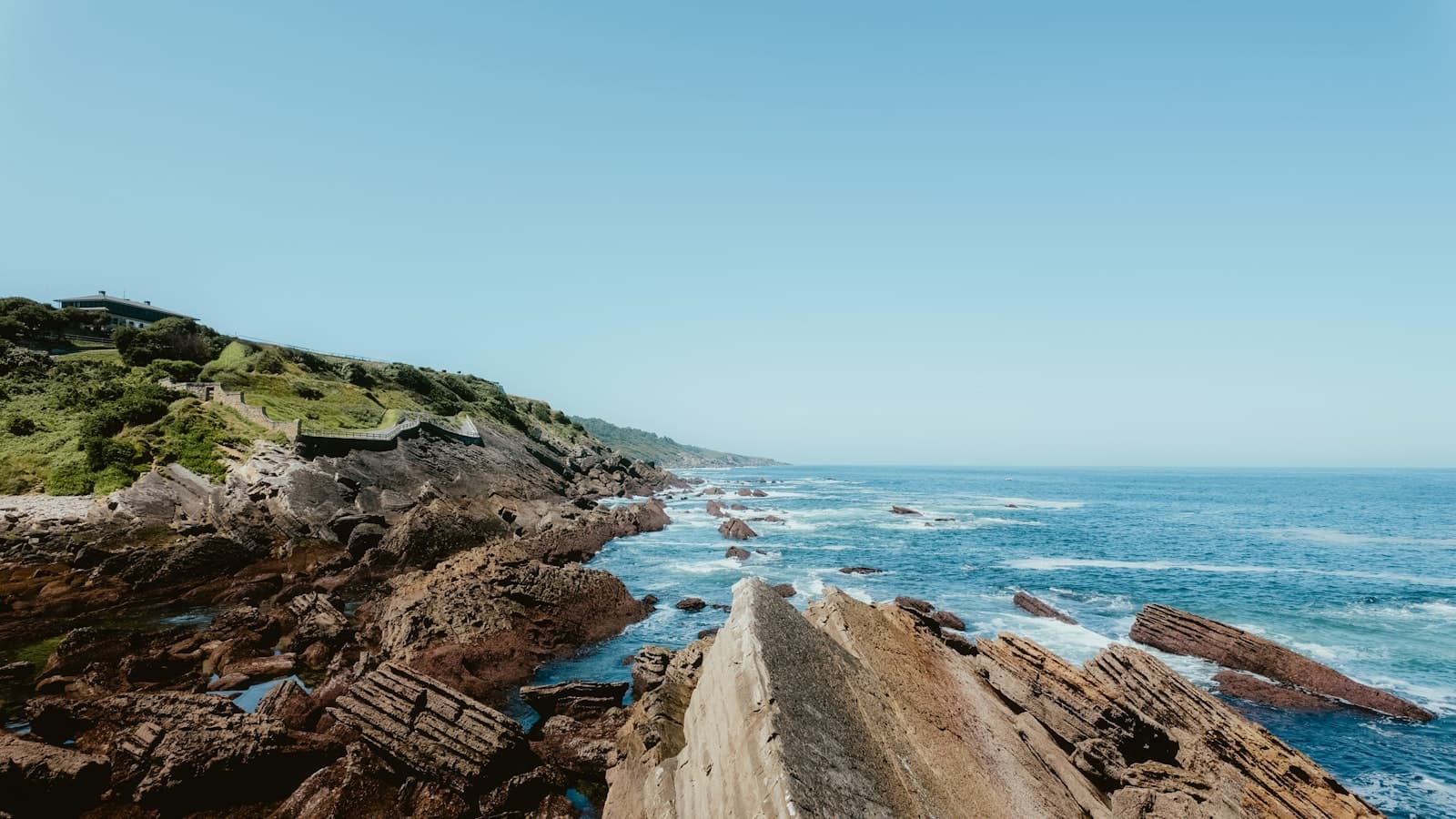
Hondarribia, bekend als Fuenterrabía in het Spaans, is een boeiende kustplaats in het Baskenland van Spanje, waar de rivier de Bidasoa uitmondt in de Golf van Biskaje. Deze grensplaats, recht tegenover Hendaye, Frankrijk, biedt een unieke mix van middeleeuwse verhalen, zeevaarttradities en befaamde gastronomie. De zorgvuldig bewaarde oude stad, met zijn eeuwenoude muren en felgekleurde huizen, geeft het gevoel terug in de tijd te reizen.
De geschiedenis van Hondarribia gaat terug tot de oudheid, met bewijs van Romeinse aanwezigheid en een haven in Asturiaga. De traditie wil dat de Visigotische koning Recaredo de stad in de 6e eeuw na Christus stichtte. De naam van de stad verscheen voor het eerst in 1150 in een oorkonde verleend aan San Sebastián door Sancho de Wijze van Navarra. De strategische ligging aan de monding van de Bidasoa, die de grens vormde tussen historische koninkrijken en latere naties, maakte het een centraal punt voor handel en militaire verdediging.
Het hoogtepunt van de stad werd bereikt in de Middeleeuwen, toen uitgebreide muren werden gebouwd en het aanzienlijke privileges ontving van Spaanse monarchen. Hondarribia werd versterkt met dikke stenen muren, bastions en poorten, waardoor het een van de best bewaarde ommuurde steden uit die tijd in het Baskenland is. De stad speelde een cruciale rol in talrijke conflicten tussen Spanje en Frankrijk, met name tijdens de Spaanse Successieoorlog begin 18e eeuw. Een belangrijk evenement was het Beleg van Hondarribia in 1638, waarbij 27.000 Franse soldaten de stad twee maanden lang belegerden, 16.000 granaten afvuurden en slechts 300 overlevenden achterlieten. Ondanks de verwoesting gaf de stad zich niet over, een veerkracht die jaarlijks wordt herdacht met het Alarde-festival.
Nadat het Franse Revolutionaire Leger de stad in 1794 had veroverd, braken ze een deel van de muur aan de Franse zijde open en lieten deze exploderen. Ondanks deze conflicten bloeide Hondarribia op en behield het een robuuste visserijtraditie die teruggaat tot de oprichting van de Cofradía de Mareantes (vissersbroederschap) van San Pedro in 1361. Vandaag de dag trekken de middeleeuwse overblijfselen, de maritieme erfenis en de culinaire reputatie van de stad nog steeds bezoekers aan.
Begin uw verkenning in de Casco Histórico, de ommuurde oude stad van Hondarribia. Wandel door de geplaveide straatjes, bewonder de kenmerkende, goed onderhouden huizen met houten balkons en ontdek barokke residenties. De hoofdpoort, Puerta de Santa María, is een uitstekend startpunt. In het hart van de oude stad ligt Plaza de Armas, een historisch plein waar vroeger feesten en bijeenkomsten plaatsvonden. Hier vindt u het Kasteel van Karel V, nu een Parador hotel, dat uitzicht biedt op de rivier de Bidasoa, de Baai van Txingudi en Hendaye.
Net buiten de oude muren ligt de Barrio de la Marina, de levendige visserswijk. Dit voetgangersgebied, met name Calle San Pedro, is bekleed met kleurrijke huizen die vroeger dienst deden als vismarkten en visserswoningen. Het is een ideale plek om te genieten van pintxos en de levendige sfeer op te snuiven. Voor een ander perspectief kunt u een boottocht maken over de Baai van Txingudi om de kustlijn en de stad vanaf het water te bekijken. U kunt ook ontspannen op het strand van Hondarribia, een zandstrand van 800 meter met rustig water, populair bij gezinnen. Voor actieve bezoekers is er de Jaizkibel Trail voor weidse uitzichten over de kust.
De meest gunstige tijd om Hondarribia te bezoeken voor activiteiten in warm weer is van eind juni tot half september, wanneer de temperaturen meestal schommelen tussen 16-23°C en de luchten helderder zijn. Late lente (mei tot juni) en vroege herfst (september tot oktober) bieden ook aangenaam weer met minder drukte. September wordt met name aanbevolen door National Geographic vanwege de ideale omstandigheden om de middeleeuwse stad te verkennen en te genieten van het strand en de pintxos.
Hondarribia is bereikbaar per vliegtuig, trein en auto. De luchthaven van San Sebastián ligt in de buurt, en u kunt een trein nemen naar Irún, gevolgd door een korte taxi- of busrit. Lopen is een uitstekende manier om de oude stad te doorkruisen en de charme ervan te ontdekken. Als u van plan bent om de omgeving te verkennen, is het huren van een auto een optie, hoewel parkeren in de oude stad beperkt kan zijn. De stad biedt een verscheidenheid aan accommodaties, van pensions tot hotels, waaronder de Parador de Hondarribia in het historische kasteel. Hondarribia staat algemeen bekend om zijn gastronomie, met name zijn pintxos. Donderdagen zijn vaak "Pintxo Pote" dagen, wanneer veel etablissementen een pintxo en een drankje aanbieden voor ongeveer 2 euro.
Hondarribia — Koreaans, Chinees, Hebreeuws en nog 29 talen, elke stop verteld door een moedertaalspreker. Het grootste taalaanbod van alle zelfgeleide audiotours.
Beschikbaar in: