This former state prison, a place once defined by its walls, holds a story of a bold escape that reads like a cinematic caper.
The original uploader was Caluth at English Wikipedia. / CC BY-SA 2.5, via Wikimedia CommonsHorsens
“Where ancient foundations meet modern currents, revealing a fresh perspective at every turn.”
Horsens, as no one tells it.
Not the postcards. The stories even locals don't know — whispered in your ear, right where they happened.
Among its venerable stones, an unexpected connection to Russian nobility awaits discovery.
Beyond its inviting pedestrian avenues, Horsens holds a distinction that might surprise you for a Danish urban area.
Discover every secret of Horsens
Every address, every reveal in full — in your ear, right where it happened.
You pick your stops. You walk. The voice reveals what the others miss.
How long do you have in Horsens?
No tours available yet. Check back soon — we're preparing them.
The story of Horsens
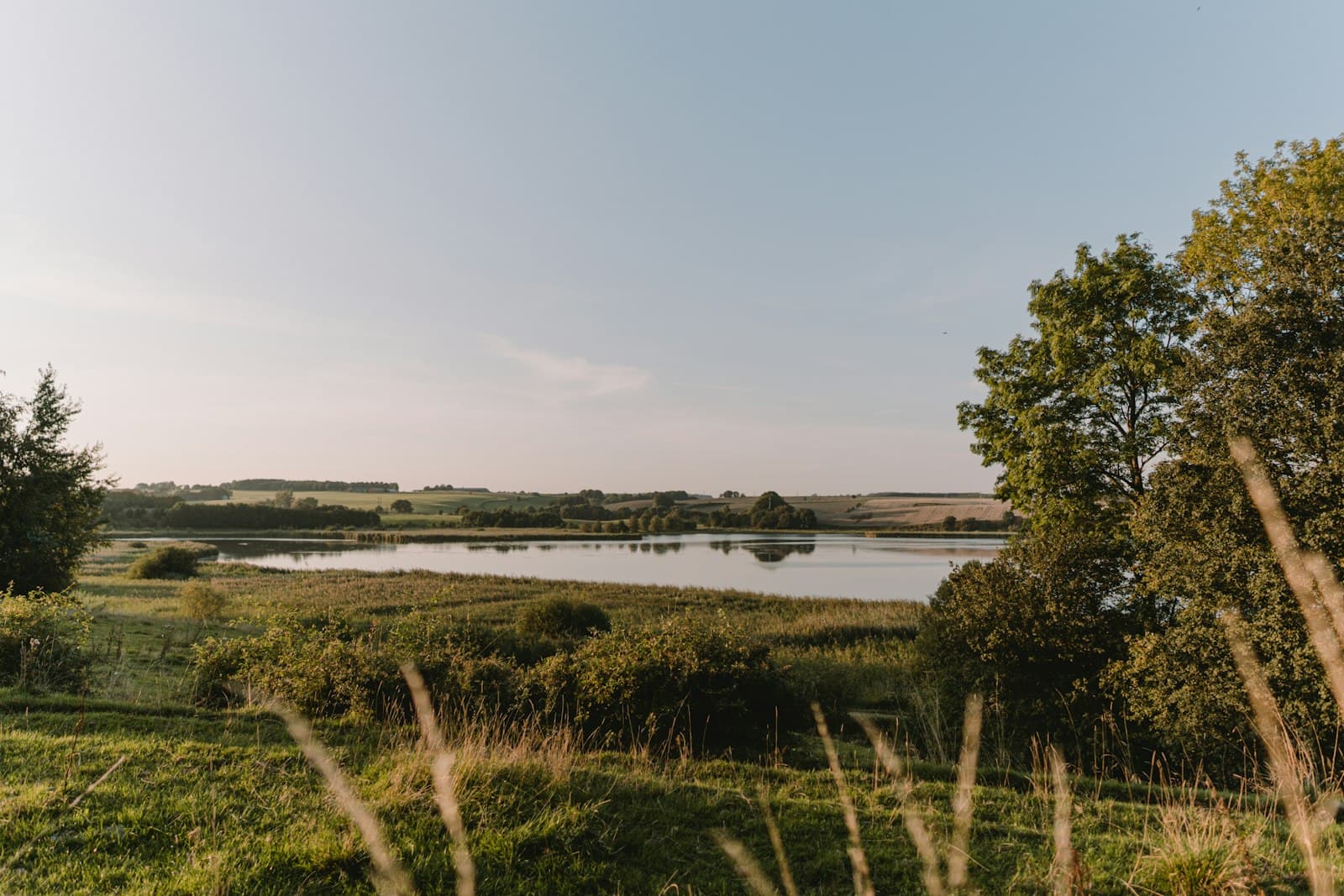
Horsens, a city gracing the southeast coast of Denmark's Jutland peninsula, offers a compelling fusion of historical depth and contemporary cultural vitality. With a population nearing 65,000 residents, it maintains a deliberate pace while serving as a significant cultural and economic anchor for its region. The city unfolds at the head of Horsens Fjord, a slender inlet of the Baltic Sea, providing a scenic backdrop and opportunities for outdoor pursuits.
From its origins as a Viking settlement, Horsens has evolved into a dynamic nucleus recognized for its diverse cultural calendar, including grand concerts by international performers. The city's dedication to transforming its industrial past into a cultural present is evident in its revitalized historical sites and animated urban spaces. Whether exploring its medieval foundations, delving into its industrial legacy, or enjoying contemporary art and music, Horsens invites visitors to uncover its distinctive character and welcoming atmosphere.
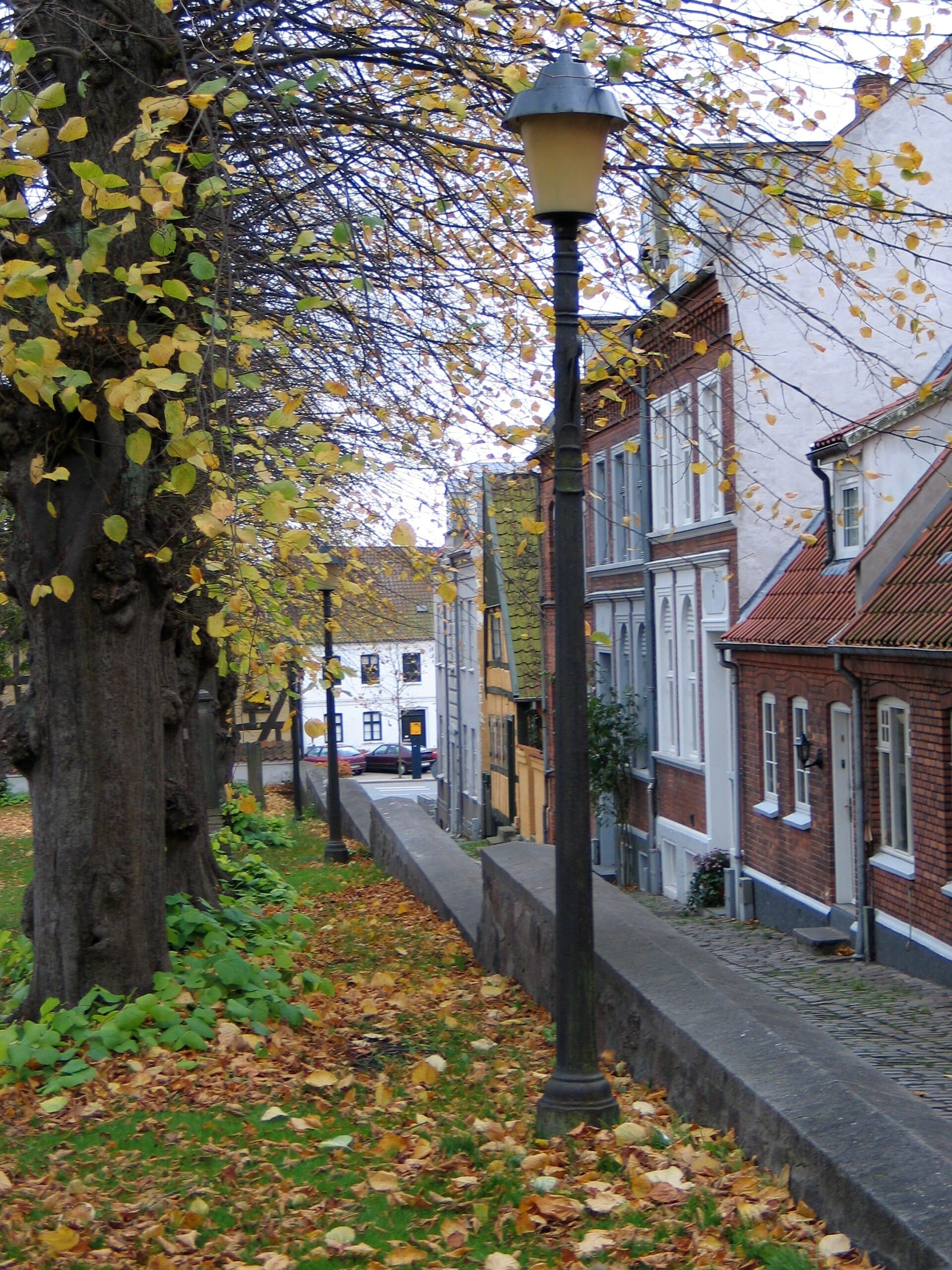
The city center itself is an accessible area, blending ancient architecture with contemporary design, and is punctuated by art installations and inviting cafes. Horsens presents a harmonious mix of green expanses, such as Bygholm Park, and a deep exploration of its layered history through its various museums.
From Viking Settlement to Industrial Powerhouse
The narrative of Horsens reaches back to the Viking Age, with archaeological findings suggesting a settlement existed as early as the 10th century. Its name, thought to derive from Old Danish words meaning 'horse headland' or 'horse's water,' alludes to the area's early use for grazing royal herds or as a river crossing.
The city's strategic placement deep within Horsens Fjord offered a natural, sheltered harbor, essential for its growth as a trading nexus. By the 12th and 13th centuries, Horsens was minting its own currency and had established itself as a notable commercial and religious center, fortified with moats and ramparts. It was granted market town privileges in 1442 by King Christopher III of Bavaria, solidifying its role in regional and international commerce.
The Age of Industry and Modern Transformation
The 18th and 19th centuries marked a period of substantial industrial growth for Horsens. The city became a manufacturing nucleus, with thriving iron foundries, tobacco factories, and textile production. The harbor underwent several expansions to accommodate larger vessels, further fueling the industrial economy. This era of prosperity saw the construction of many of the elegant merchant houses and public buildings that still grace the city center today.
A significant turning point in Horsens' modern history was the establishment of the Horsens State Prison in 1853, Denmark's first modern penitentiary. For over 150 years, the prison was a major employer and, for a time, shaped the city's identity, though it also contributed to an unfair perception of Horsens as a 'criminal' city. The prison closed in 2006, and in a remarkable transformation, the facility was repurposed into FÆNGSLET, a major cultural venue and museum. This initiative, coupled with the city's success in attracting international music concerts, has redefined Horsens as a lively cultural center.
Begin your exploration in the city center, where you can wander along Søndergade, one of Denmark's broadest pedestrian avenues, lined with shops and cafes. Discover the architectural synthesis of ancient and modern, and seek out the diverse street art, including murals and gable paintings, that adorn the city's structures.
A visit to FÆNGSLET, the former Horsens State Prison, offers a compelling experience. Now the largest prison museum in Europe, it provides interactive exhibits, allowing you to explore cells, learn about daring escapes, and hear actual prisoner stories through audio guides. For a journey through Denmark's industrial past, the Danish Industrial Museum (Industrimuseet) displays working vintage engines, retro vehicles, and recreated workshop interiors and workers' dwellings.
Art enthusiasts will appreciate the Horsens Art Museum (Horsens Kunstmuseum) in Lunden Park, which focuses on contemporary Danish art and features a significant collection by Michael Kvium. For a touch of nature and history, Bygholm Park offers scenic walks amidst ancient trees and the ruins of Bygholm Castle, built in 1313. You can also enjoy views of Horsens Fjord with a walk along the newly renovated harbor to Langelinie beach.
The most pleasant time to visit Horsens for warm-weather pursuits is from late June to late August. During these summer months, daytime temperatures average around 20°C (68-69°F), making it ideal for exploring the city and enjoying outdoor activities. While rain is possible even in summer, the climate is generally temperate maritime with comfortable, moderately warm summers. Spring, with its mild weather and blossoming nature, also offers a pleasant experience. Horsens also hosts the European Medieval Festival in late August, transforming the city center into Northern Europe's largest medieval market.
Horsens is a compact city, making its center easily traversed on foot or by bicycle, a favored mode of transportation in Denmark. For reaching outlying areas, a network of city buses is available, and taxis are an option, though they can be expensive. The Rejseplanen app can assist with public transport planning.
The official currency is the Danish Krone (DKK), and Denmark operates largely as a cashless society, with bank cards widely accepted. Shops typically operate from 10:00 to 17:30 or 18:00 on weekdays, with shorter hours on Saturdays and most smaller shops closed on Sundays. Horsens does not have its own airport; the closest major hub is Billund Airport (BLL), approximately 46 km away, with Aarhus Airport (AAR) also a viable option at 69 km.
- What is Horsens primarily recognized for?
- Horsens is widely recognized for its lively cultural and entertainment events, particularly its large-scale concerts featuring international artists, and for FÆNGSLET, its acclaimed prison museum.
- Is Horsens an easy city to explore on foot?
- Yes, the city center of Horsens is quite concentrated and designed for straightforward exploration on foot. Many of its principal attractions, shops, and cafes are within walking distance of one another.
- What is the local currency in Horsens, Denmark?
- The official currency in Horsens, and throughout Denmark, is the Danish Krone (DKK).
- Are credit cards commonly accepted in Horsens?
- Yes, Denmark is largely a cashless country, and bank cards (Visa, Mastercard) are accepted almost everywhere in Horsens, often making physical cash unnecessary.
- How do I travel to Horsens if it lacks an airport?
- Most visitors fly into Billund Airport (BLL), which is about 46 km from Horsens, or Aarhus Airport (AAR), approximately 69 km away. From there, you can take a taxi, transfer, or public transport.
- What public transportation options are available in Horsens?
- Horsens has a city bus network with 14 routes, regional buses, and train connections from Horsens Station to major Danish cities. Bicycles are also a favored method of getting around.