The Arlington Resort Hotel & Spa
Uno degli ospiti più famosi di Hot Springs non era lì solo per un rilassante bagno.
La storia completa si sblocca nel tour
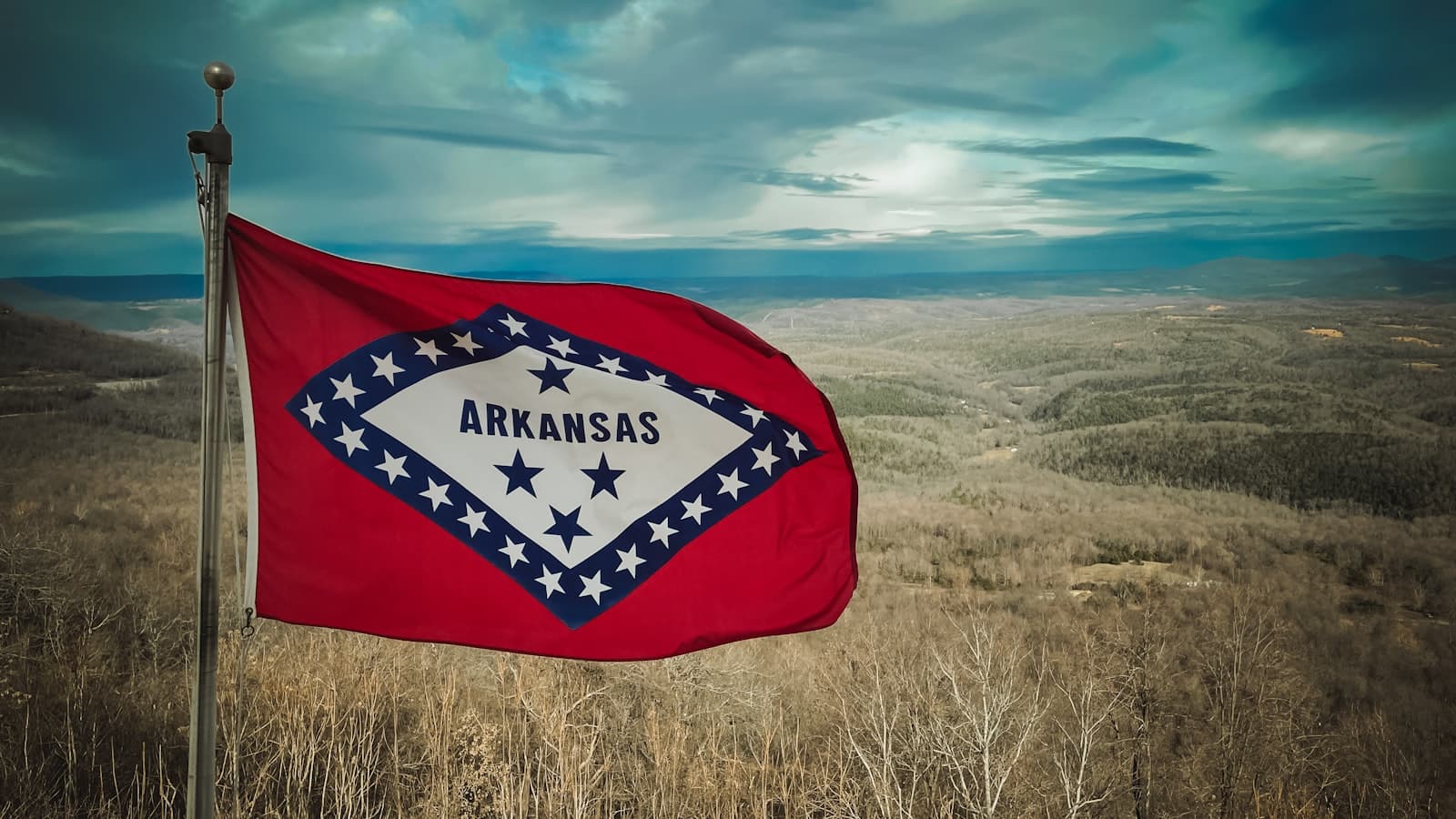 Photo: Jametlene Reskp / Unsplash
Tour audio autoguidato di Hot Springs — percorso GPS a piedi, riproduzione offline, narrazione coinvolgente in 32 lingue.
“Dove antiche acque termali incontrano un passato leggendario.”
Non le cartoline. Le storie che nemmeno i locali conoscono — sussurrate nel tuo orecchio, proprio dove sono accadute.
Uno degli ospiti più famosi di Hot Springs non era lì solo per un rilassante bagno.
Le acque curative qui hanno un'accessibilità sorprendente e legalmente garantita.
Questo punto panoramico non è la prima struttura ad offrire una tale vista.
Scopri ogni segreto di Hot Springs
Ogni indirizzo, ogni rivelazione completa — nel tuo orecchio, proprio dove è accaduta.
Scegli le tue tappe. Cammini. La voce rivela ciò che gli altri perdono.


Il tuo tour audio autoguidato di Hot Springs è pronto — scegli i tuoi punti di interesse, seleziona la tua lingua e inizia nel momento in cui arrivi.
AcquistaLume include una guida in realtà aumentata. Alza il telefono: la fotocamera mostra la strada davanti a te, con una freccia luminosa sovrapposta all'immagine reale che punta sempre verso la tua prossima tappa — nessuna mappa da decifrare, nessuna svolta sbagliata. Come tutto in Lume, funziona completamente offline.
Hot Springs, Arkansas, è una città definita dalle sue omonime acque termali, un fenomeno naturale che attira visitatori da secoli. Designata come la prima riserva federale nel 1832, precedente persino al Parco Nazionale di Yellowstone, l'area fu protetta per le sue caratteristiche geologiche uniche e le presunte proprietà curative delle sue sorgenti. Oggi, l'Hot Springs National Park fonde perfettamente paesaggi urbani e naturali, con storiche case da bagno lungo Central Avenue e oltre 26 miglia di sentieri escursionistici che si snodano attraverso i Monti Ouachita, direttamente accessibili dal centro città.
Il carattere distintivo della città deriva dalle 47 sorgenti termali che emergono a una temperatura media di 143°F (circa 61,7°C), producendo quasi un milione di galloni d'acqua al giorno. Questo flusso costante, originato dall'acqua piovana che penetra in profondità nei Monti Ouachita per migliaia di anni prima di essere riscaldata geotermicamente, ha reso Hot Springs una destinazione singolare. È un luogo dove si può sperimentare la storica cultura termale, esplorare sentieri montani boscosi e addentrarsi in un passato che include sia presidenti che famigerati gangster.
Molto prima dell'arrivo dei coloni europei, le tribù native americane riconobbero l'importanza delle sorgenti termali, chiamando l'area 'la Valle dei Vapori' e considerandola un territorio neutrale dove tutti potevano beneficiare pacificamente delle sue acque curative. La prima visita documentata da europei fu da parte degli esploratori francesi Louis Jolliet e Jacques Marquette nel 1673. Nel 1804, il Presidente Thomas Jefferson commissionò una spedizione per studiare le sorgenti dopo l'Acquisto della Louisiana, portando ai primi resoconti in inglese dell'area.
Nel 1832, il Presidente Andrew Jackson designò ufficialmente le Hot Springs come la prima riserva federale, una mossa per proteggere questa risorsa naturale dallo sfruttamento privato. Questo atto pose le basi per quello che sarebbe diventato l'Hot Springs National Park nel 1921, rendendolo l'unità protetta a livello federale più antica del sistema del National Park Service. Durante la Guerra Civile, Hot Springs servì brevemente come capitale dello stato dell'Arkansas nel 1862, poiché gli archivi statali vi furono trasferiti per sicurezza.
Dopo la guerra, la città si trasformò in un'elegante destinazione termale. Tra il 1892 e il 1923, otto grandiose case da bagno furono costruite lungo quella che oggi è conosciuta come Bathhouse Row, attirando visitatori da tutto il mondo in cerca di trattamenti terapeutici. Tuttavia, quest'era di guarigione coincise anche con un periodo di significativa attività illecita. Dalla fine del 1800 fino alla metà del 1900, Hot Springs si guadagnò la reputazione di rifugio per la criminalità organizzata, con gioco d'azzardo, prostituzione e contrabbando fiorenti. Figure come Al Capone, Lucky Luciano e Bugs Moran frequentavano la città, approfittando della sua posizione appartata e della corrotta macchina politica. Quest'era dei 'gangster' persistette fino a un giro di vite federale negli anni '60. Oggi, il passato diversificato della città è preservato, offrendo un mix unico di bellezza naturale, grandiosità architettonica e storia intrigante.
Il cuore di Hot Springs si trova lungo Bathhouse Row, un distretto storico nazionale che comprende otto case da bagno preservate, la maggior parte costruite all'inizio del XX secolo. La Fordyce Bathhouse funge ora da centro visitatori e museo dell'Hot Springs National Park, offrendo uno sguardo agli opulenti rituali di balneazione del passato. Per un'esperienza moderna di bagno termale, la Buckstaff Bathhouse (operativa dal 1912) e la Quapaw Bathhouse offrono ancora servizi termali tradizionali. La Superior Bathhouse Brewery è una tappa unica, essendo la prima birreria situata all'interno di un parco nazionale e l'unica al mondo a utilizzare acqua di sorgente termale nella sua birra.
Oltre alle case da bagno, esplora la Grand Promenade, un sentiero panoramico lastricato situato proprio dietro Bathhouse Row. Per viste panoramiche, sali sulla Hot Springs Mountain Tower, una torre di osservazione alta 216 piedi (circa 66 metri) che offre panorami dei Monti Ouachita e della città. Il parco nazionale offre anche oltre 26 miglia (circa 42 km) di sentieri escursionistici, con punti di accesso direttamente dal centro città. I sentieri più popolari includono il Sunset Trail per un'escursione più lunga in aree più tranquille del parco, e percorsi più brevi verso Balanced Rock e Goat Rock. Non perderti le fontane pubbliche dove puoi assaggiare e riempire bottiglie con l'acqua della sorgente termale gratuitamente.
I periodi migliori per visitare Hot Springs sono la primavera (da aprile a maggio) e l'autunno (da settembre a ottobre). Durante questi mesi, le temperature sono miti e confortevoli, variando tra i 15°C e i 27°C circa, ideali per attività all'aperto come escursioni e esplorazione della città. L'autunno porta anche un vivace fogliame sui Monti Ouachita. Le estati (da giugno ad agosto) sono calde e umide, con massime medie intorno ai 32°C, e possono essere affollate. Gli inverni (da dicembre a febbraio) sono freschi e umidi, con temperature tra i 4°C e i 15°C circa, offrendo un'esperienza più tranquilla e intima, specialmente per godersi i bagni termali.
Hot Springs si trova a circa 55 miglia (circa 88 km) a sud-ovest di Little Rock, Arkansas. Sebbene un'auto sia utile per esplorare la regione circostante, gran parte del centro di Hot Springs e Bathhouse Row sono percorribili a piedi. Il parco nazionale stesso non ha costi di ingresso. Per quanto riguarda la ristorazione, Hot Springs offre una scena culinaria diversificata, da stabilimenti storici come The Ohio Club (anche il bar più antico dell'Arkansas) a ristoranti moderni. Le opzioni spaziano dalla cucina di ispirazione artigianale del Sud all'Avenue ai sapori latinoamericani da Rolando's Restaurante, e al rinomato BBQ da McClard's. Le opzioni di alloggio variano ampiamente, inclusi hotel storici su Bathhouse Row come l'Hotel Hale, che offre vasche da bagno private con acqua termale, e resort più grandi come l'Arlington Resort Hotel & Spa. Altre scelte includono locande sul lago, cabine e motel economici.
Hot Springs — coreano, cinese, ebraico e altre 29 lingue, ogni tappa narrata da una voce madrelingua. La più ampia scelta di lingue tra i tour audio autoguidati.
Disponibile in: