Estação Ferroviária de Hua Hin
A distinta Sala de Espera Real na Estação Ferroviária de Hua Hin nem sempre esteve neste local.
História completa desbloqueada no tour
 Ahoerstemeier / CC BY-SA 3.0, via Wikimedia Commons
Tour de áudio autoguiado por Hua Hin — rota GPS a pé, reprodução offline, narração envolvente em 32 idiomas.
“Onde o legado duradouro da realeza se entrelaça com o ritmo suave da costa tailandesa.”
Não os postais. As histórias que nem os locais conhecem — sussurradas ao seu ouvido, exatamente onde aconteceram.
A distinta Sala de Espera Real na Estação Ferroviária de Hua Hin nem sempre esteve neste local.
Além das vistas panorâmicas e dos macacos residentes, este templo no topo da colina guarda um detalhe inesperado sobre seu guardião.
Olhe para o Golfo da Tailândia após o crepúsculo e você verá centenas de luzes verde-neon perfurando o horizonte.
Descubra cada segredo de Hua Hin
Cada endereço, cada revelação na íntegra — no seu ouvido, exatamente onde aconteceu.
Você escolhe as suas paragens. Você caminha. A voz revela o que os outros perdem.
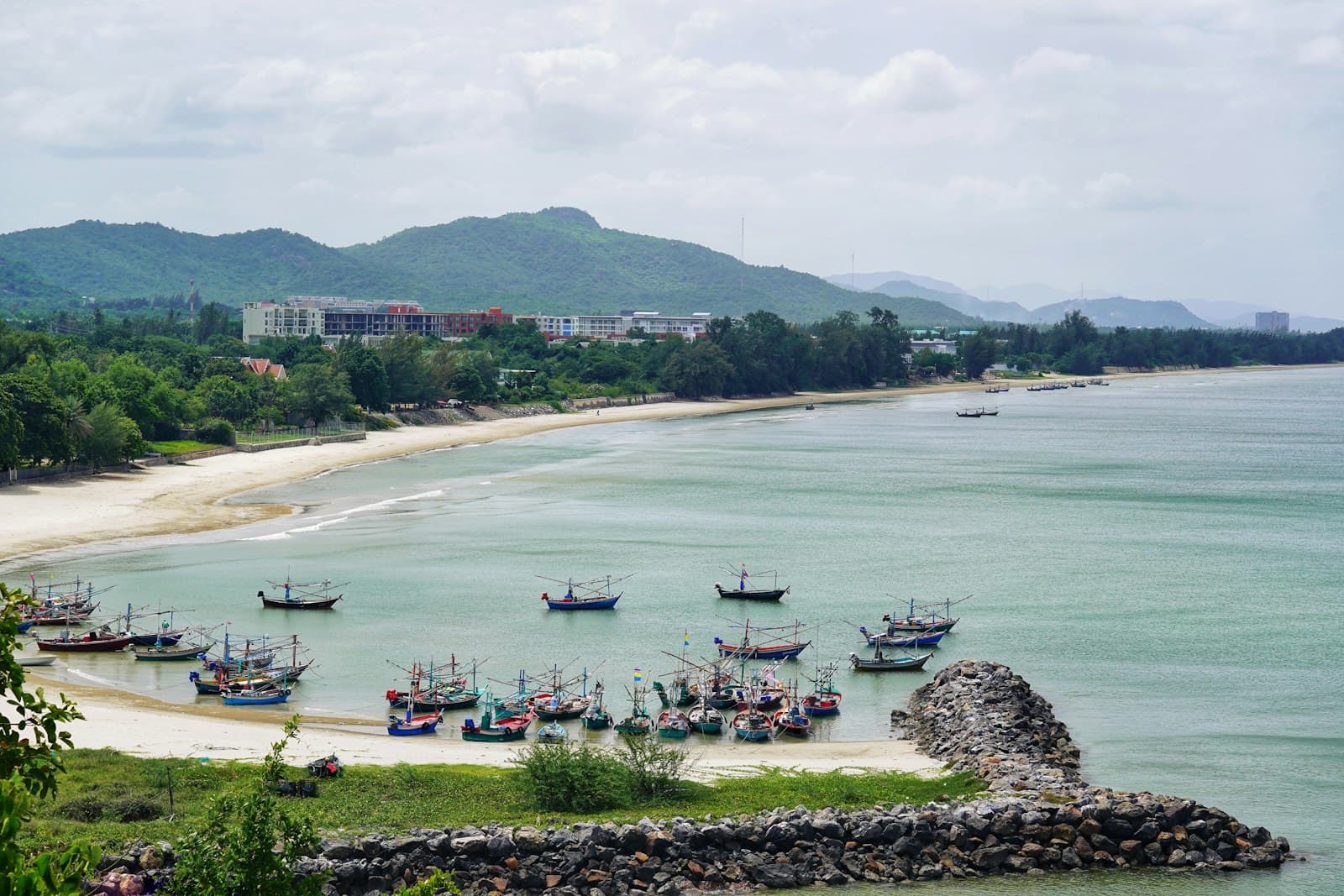
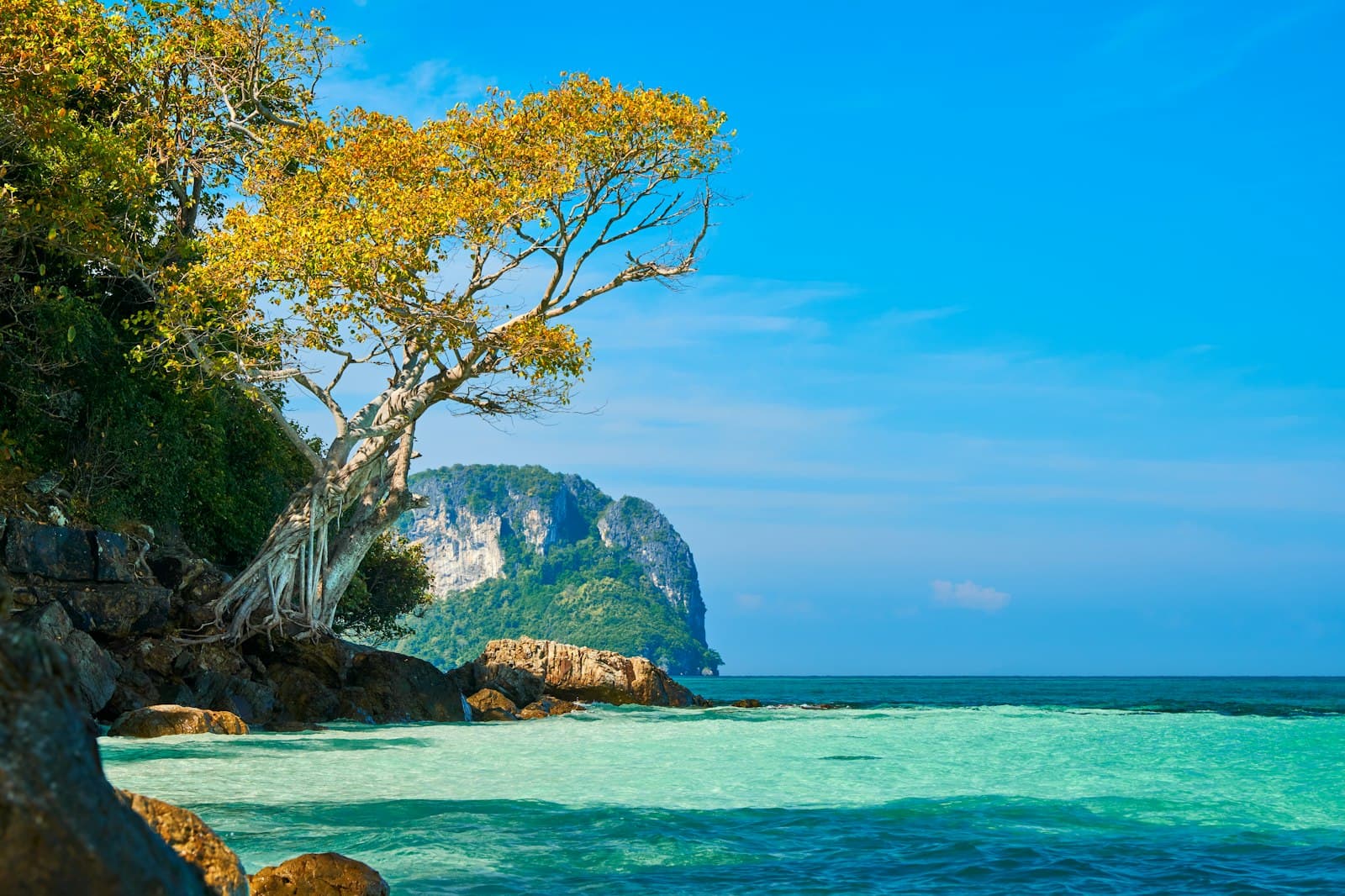
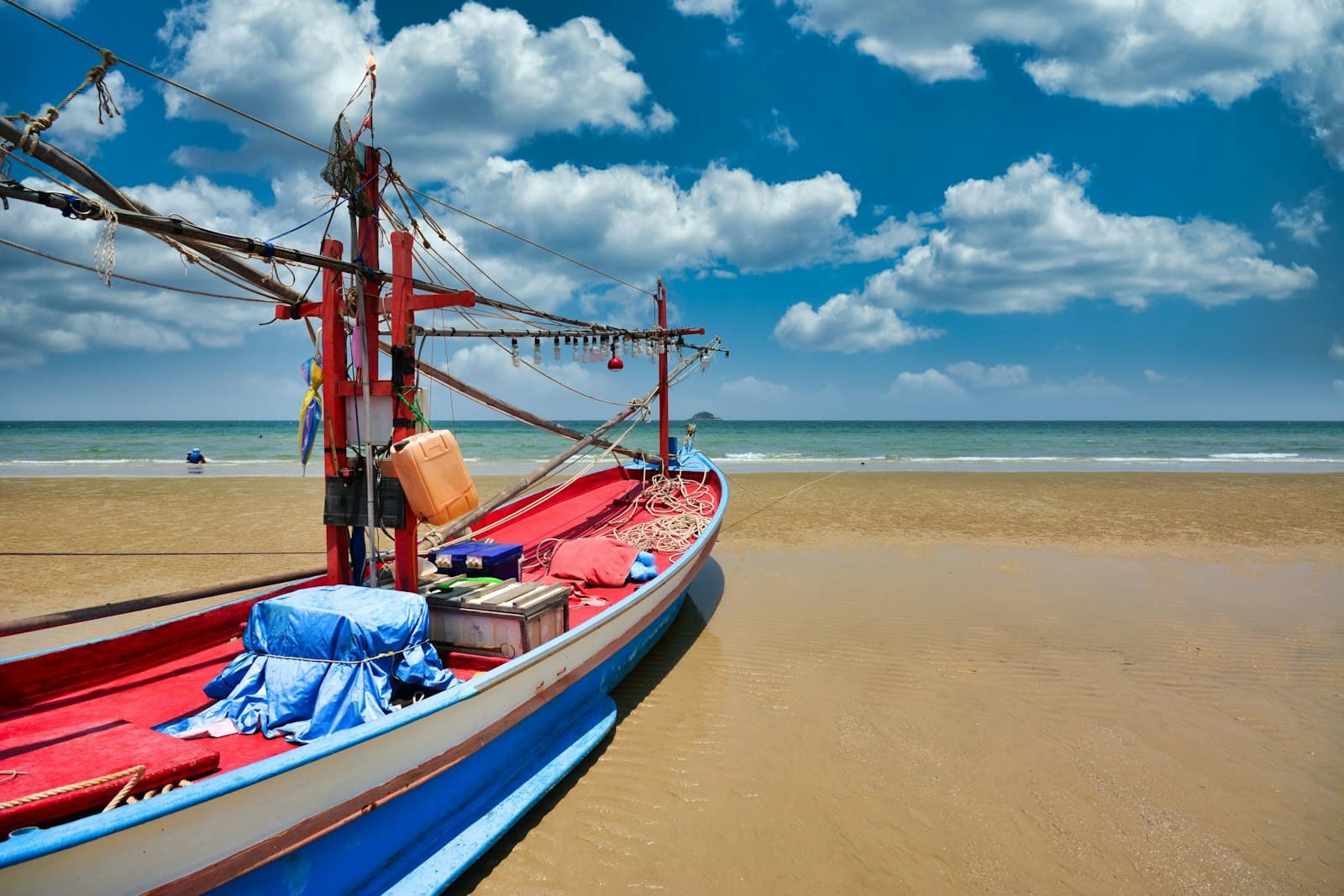
O seu tour áudio autoguiado de Hua Hin está pronto — escolha os seus pontos de interesse, selecione o seu idioma e comece no momento em que chegar.
ComprarA Lume inclui um guia de realidade aumentada. Levante o telemóvel: a câmara mostra a rua à sua frente, com uma seta luminosa sobreposta à imagem real que aponta sempre para a sua próxima paragem — sem mapa para decifrar, sem voltas erradas. Como tudo na Lume, funciona totalmente offline.
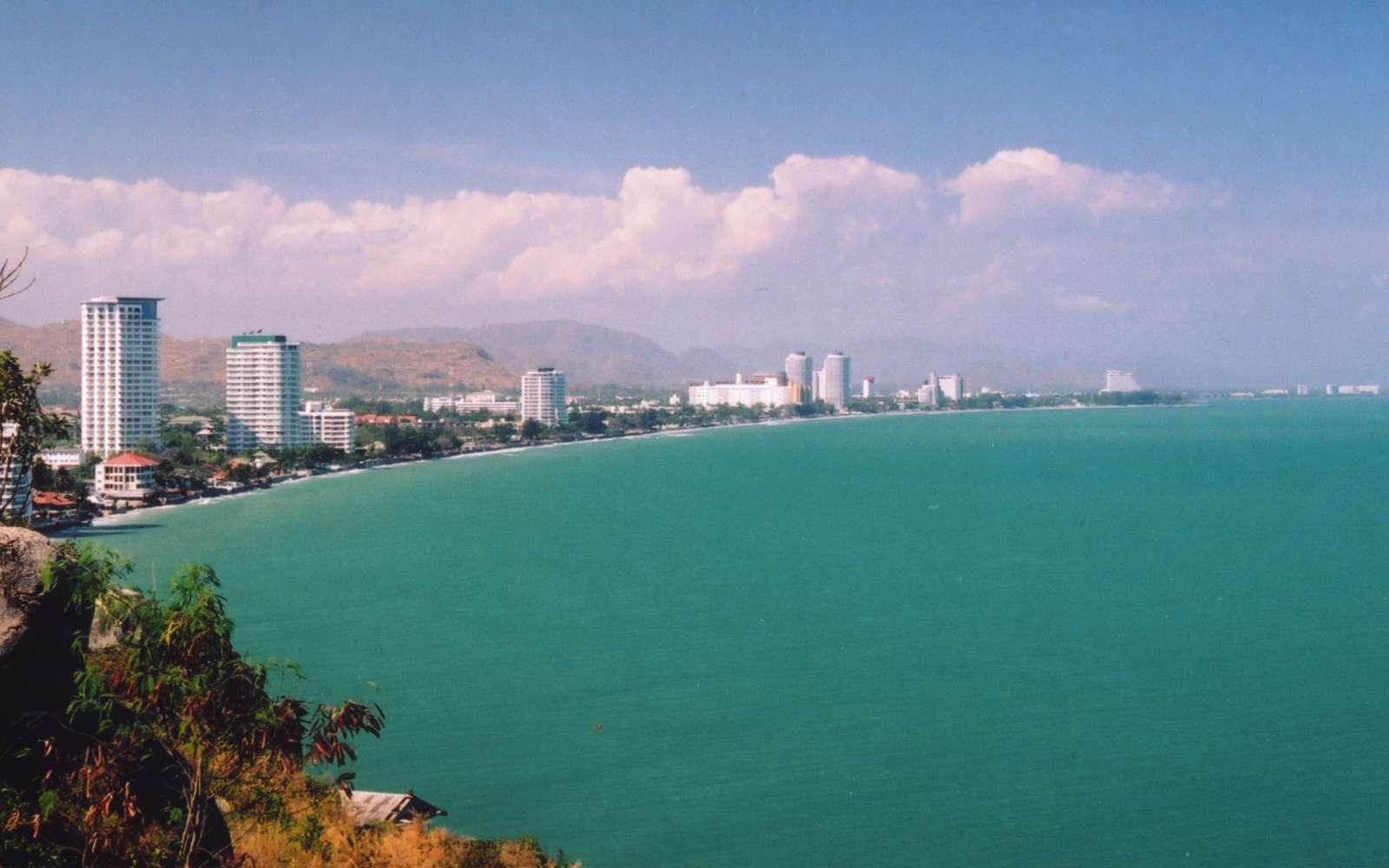
Hua Hin, o primeiro resort de praia da Tailândia, apresenta uma fusão única de linhagem real e vida costeira tranquila. Posicionado na costa oeste do Golfo da Tailândia, a aproximadamente 200 quilômetros a sudoeste de Bangkok, serve como um refúgio favorito tanto para residentes tailandeses quanto para viajantes globais que buscam uma alternativa mais serena a outros destinos movimentados. As praias extensas e arenosas da cidade oferecem uma tela calma para caminhadas tranquilas e atividades aquáticas, enquanto seu passado bem preservado oferece uma janela para a herança real da Tailândia.
Em contraste com alguns dos locais mais barulhentos da Tailândia, Hua Hin mantém uma atmosfera refinada, moldada por sua conexão duradoura com a família real tailandesa. Essa influência cultivou um caráter cosmopolita, com uma variedade de mercados locais, diversas experiências culinárias e uma crescente comunidade de expatriados. Se você é atraído por marcos culturais, frutos do mar frescos ou simplesmente por uma praia pacífica, Hua Hin oferece um equilíbrio refrescante de cultura, natureza e bem-estar.
A gênese de Hua Hin remonta a um pequeno povoado de pescadores conhecido como Samor Riang, ou 'fileiras de pedras', estabelecido em 1834 por agricultores da província de Phetchaburi buscando refúgio da seca. O assentamento era caracterizado por sua costa de areia branca e formações rochosas, que mais tarde inspiraram sua designação atual, Hua Hin, significando 'Cabeça de Pedra'.
A metamorfose de Hua Hin, de um obscuro povoado de pescadores a um elegante resort à beira-mar, começou no início do século XX, em grande parte devido à descoberta do seu apelo pacífico pela família real tailandesa. O Príncipe Chakrabhongse foi um dos primeiros membros da realeza a ser cativado pela área, construindo a primeira vila de praia em Hua Hin após uma expedição de caça. Esse interesse real foi ainda mais cimentado quando o Rei Rama VI ergueu um retiro de verão aqui. Subsequentemente, o Rei Rama VII encomendou a construção do Palácio Klai Kangwon, significando 'Longe das Preocupações', em 1928, que continua a funcionar como residência real até hoje.
Um momento crucial na evolução de Hua Hin foi a conclusão da linha ferroviária sul para Bangkok em 1911. Essa nova acessibilidade tornou a vila costeira um refúgio conveniente da capital, atraindo não apenas a realeza, mas também a aristocracia tailandesa e visitantes internacionais abastados. A distinta Estação Ferroviária de Hua Hin, com sua mistura característica de elegantes curvas tailandesas e design vitoriano, foi construída durante este período e tornou-se um portal para a cidade. Em 1922, o Railway Hotel (agora Centara Grand Beach Resort & Villas Hua Hin) abriu, solidificando ainda mais a reputação de Hua Hin como um refúgio luxuoso. A cidade continuou sua expansão ao longo do século XX, desenvolvendo-se em uma área bem organizada e de baixo índice de criminalidade com um ambiente cosmopolita, tudo isso enquanto mantinha seu charme de vila de pescadores e suas profundas origens reais.
Comece sua jornada na distinta Estação Ferroviária de Hua Hin, uma das estações de trem mais antigas e fotografadas da Tailândia. Sua arquitetura vitoriana-tailandesa característica em vermelho e creme e a Sala de Espera Real oferecem uma jornada graciosa ao passado. Para vistas panorâmicas da cidade e da costa, suba até o Mirante Khao Hin Lek Fai, onde várias perspectivas revelam a vasta paisagem de Hua Hin.
Aqueles que apreciam a natureza devem aventurar-se ao Parque Nacional Khao Sam Roi Yot, reconhecido por suas montanhas de calcário, cavernas e pântanos. Uma característica significativa dentro do parque é a Caverna Phraya Nakhon, onde um pavilhão real isolado é dramaticamente iluminado pela luz do sol que entra por uma abertura no teto da caverna. Para um encontro cultural singular, visite Wat Khao Takiab, frequentemente chamado de 'Montanha dos Macacos', um templo no topo de uma colina supervisionado por macacos selvagens, proporcionando vistas deslumbrantes de Hua Hin. À noite, mergulhe na atmosfera vibrante do Cicada Market (aberto nos fins de semana), um mercado noturno artístico que exibe criadores locais, itens artesanais, apresentações musicais ao vivo e diversas comidas de rua.
O período mais agradável para conhecer Hua Hin é durante a estação fria e seca, de novembro a fevereiro. Durante esses meses, o clima é ameno com umidade reduzida, criando condições ideais para atividades de praia, exploração e jantares ao ar livre. Embora esta seja a estação mais movimentada, com preços elevados e multidões maiores, o clima agradável é geralmente preferido. Março a abril oferece menos visitantes e custos mais baixos, embora as temperaturas sejam mais quentes e úmidas. A estação chuvosa geralmente se estende de maio a outubro, com setembro e outubro sendo frequentemente os meses mais chuvosos, no entanto, a chuva geralmente ocorre em intervalos curtos em vez de períodos prolongados.
Hua Hin fica a aproximadamente 200 km ao sul de Bangkok. Você pode viajar para Hua Hin de Bangkok de carro particular ou táxi (2,5-3,5 horas), trem (4-5 horas) ou ônibus/van (3-3,5 horas). Dentro de Hua Hin, as opções de transporte público são limitadas, mas songthaews (táxis compartilhados), tuk-tuks e táxis de moto estão prontamente disponíveis. Alugar um carro ou moto oferece maior flexibilidade para exploração mais ampla. A moeda local é o Baht Tailandês (THB). O inglês é comumente falado em áreas frequentadas por visitantes, mas aprender frases básicas em tailandês é sempre apreciado. Trajes modestos são aconselháveis ao visitar templos, e os sapatos devem ser removidos antes de entrar em espaços sagrados.
Hua Hin — coreano, chinês, hebraico e mais 29 idiomas, cada parada narrada por uma voz nativa. A maior variedade de idiomas entre os passeios de áudio autoguiados.
Disponível em: