Карнавал в Уамаке
Во время ежегодного Карнавала извлекается тряпичная кукла, представляющая «Пуджай» или маленького черта, что знаменует начало дней веселья. Но что происходит, когда вечеринка заканчивается?
Полная история открывается в туре
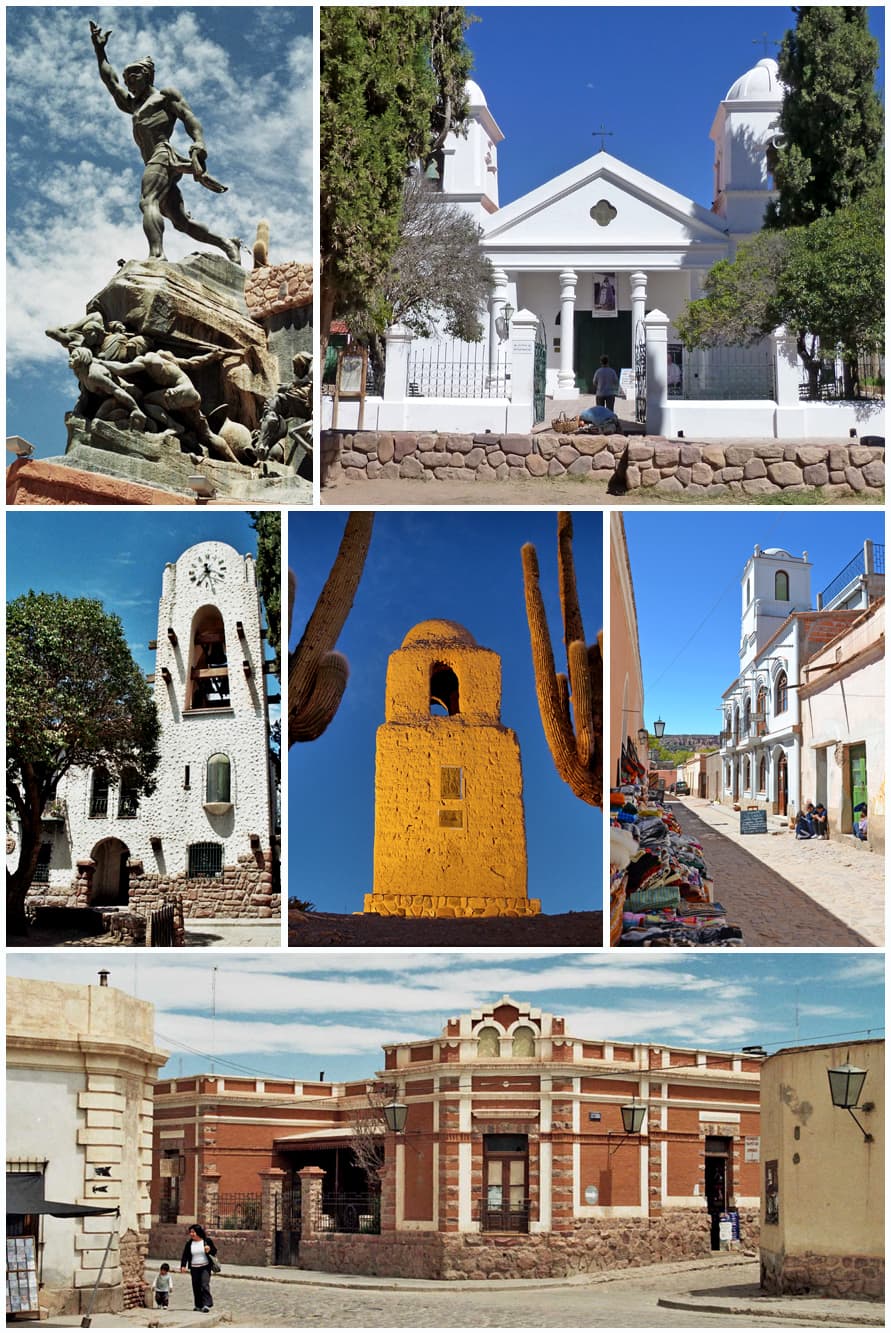 Quilmeño89 / CC BY-SA 4.0, via Wikimedia Commons
Самостоятельная аудиопрогулка по Умауака — GPS-маршрут, офлайн-воспроизведение, увлекательное повествование на 32 языках.
“Где древние традиции встречаются с горами, раскрашенными временем.”
Не открытки. Истории, которые не знают даже местные жители — шепотом в вашем ухе, прямо там, где они произошли.
Во время ежегодного Карнавала извлекается тряпичная кукла, представляющая «Пуджай» или маленького черта, что знаменует начало дней веселья. Но что происходит, когда вечеринка заканчивается?
В регионе, известном своими уникальными андскими вкусами, одно конкретное блюдо, часто с ламой, имеет удивительную связь с европейской винодельческой традицией.
Само название «Уамака» имеет более глубокий смысл, уходящий корнями в древние языковые традиции коренных народов. Оно говорит о глубокой связи с ландшафтом, выходящей за рамки простой географии.
Откройте для себя каждый секрет Умауака
Каждый адрес, каждое полное раскрытие — в вашем ухе, прямо там, где это произошло.
Вы выбираете остановки. Вы гуляете. Голос раскрывает то, что упускают другие.
Ваш самостоятельный аудиотур по Умауака готов — выберите свои достопримечательности, выберите свой язык и начните в момент прибытия.
КупитьВ Lume встроен гид дополненной реальности. Поднимите телефон: камера показывает улицу перед вами, а поверх реального изображения светится стрелка, всегда указывающая на вашу следующую остановку — не нужно разбираться с картой и сворачивать не туда. Как и всё в Lume, это работает полностью офлайн.
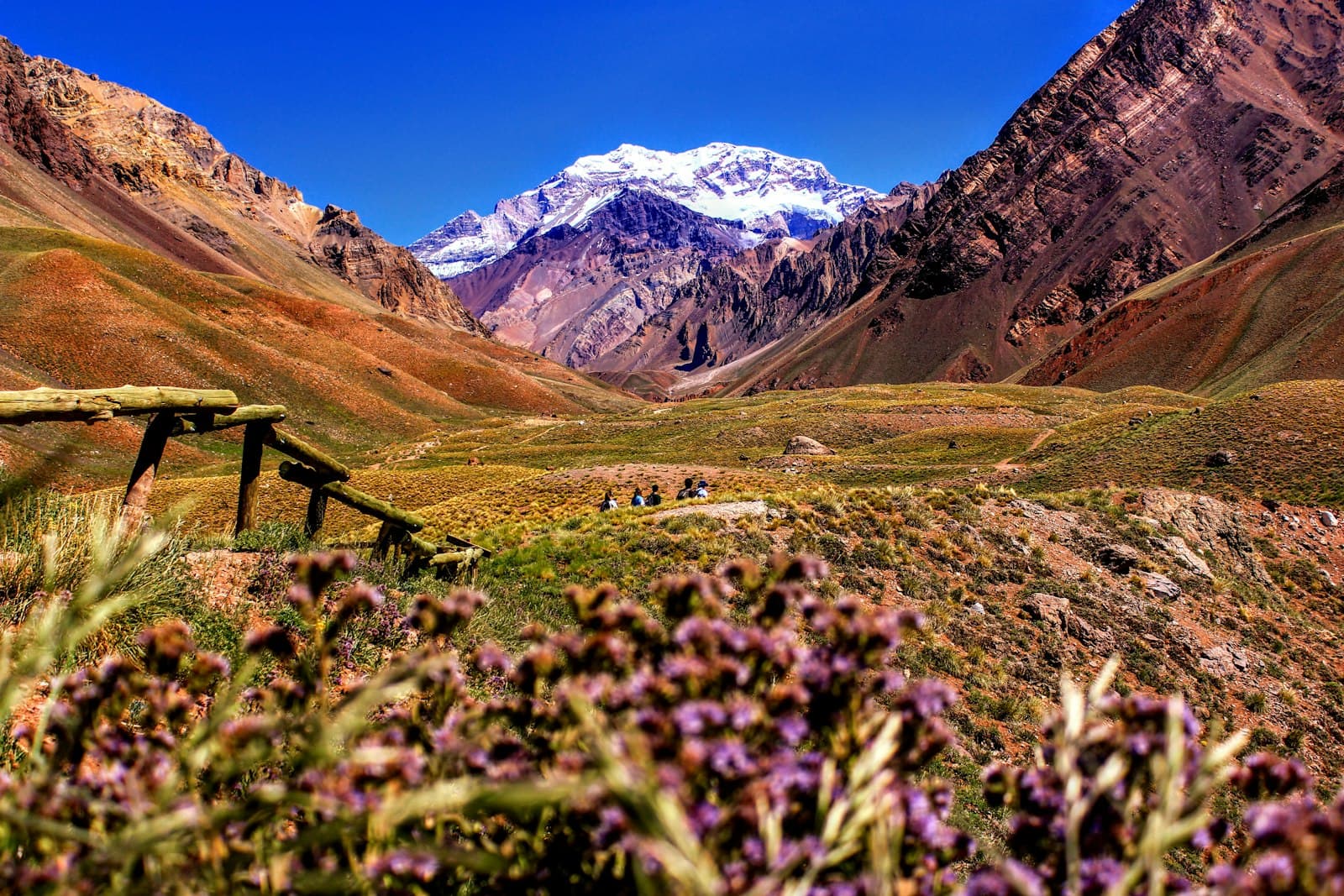
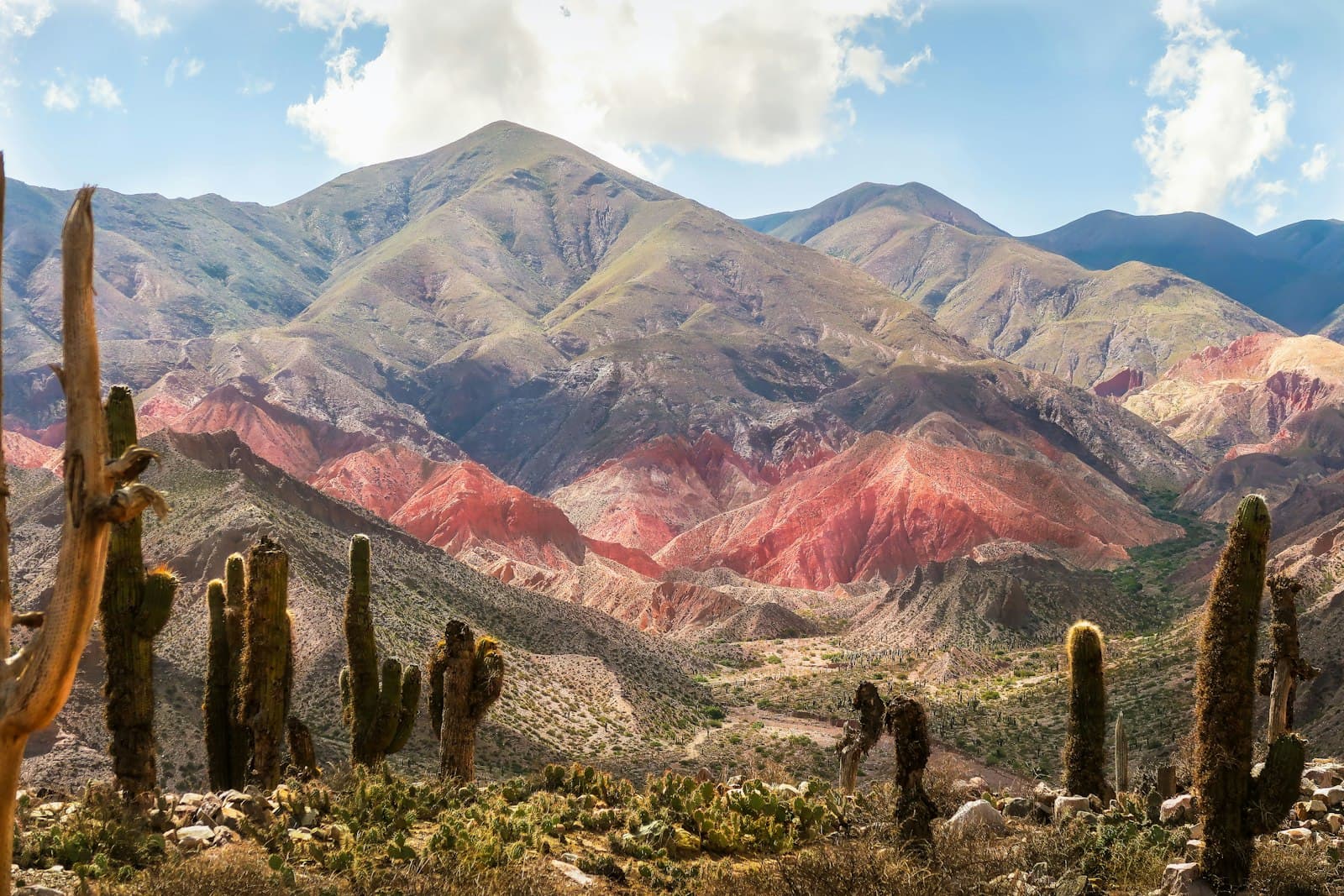
Уамака, город в аргентинской провинции Жужуй, расположен на высоте около 3000 метров (9842 фута) над уровнем моря. Он служит центральной точкой в Кебрада-де-Уамака, драматичной высокогорной речной долине, прорезанной рекой Рио-Гранде, признанной объектом Всемирного наследия ЮНЕСКО с 2003 года. Узкие, извилистые улочки города, глинобитные дома и окружающие их красочные горы создают ощущение погружения в прошлое. Пейзаж разворачивается в спектре красных, зеленых, фиолетовых и белых оттенков, результат разнообразных минеральных отложений, сформировавшихся за миллионы лет.
Этот регион, граничащий с Боливией, ощущается отличным от большей части Аргентины, с сильной коренной и сельской культурой. Он служил важнейшим коридором для торговли и коммуникаций более 10 000 лет, соединяя разнообразные культуры из высокогорных Анд с равнинами. Уамака служит базой для исследования более широкой Кебрады, предлагая доступ к грандиозным природным образованиям и древним археологическим памятникам. Сам город, с населением чуть более 10 000 человек, сохраняет тихую, пленительную атмосферу, привлекая путешественников, ищущих сочетание природного великолепия и глубоко укоренившегося культурного наследия.
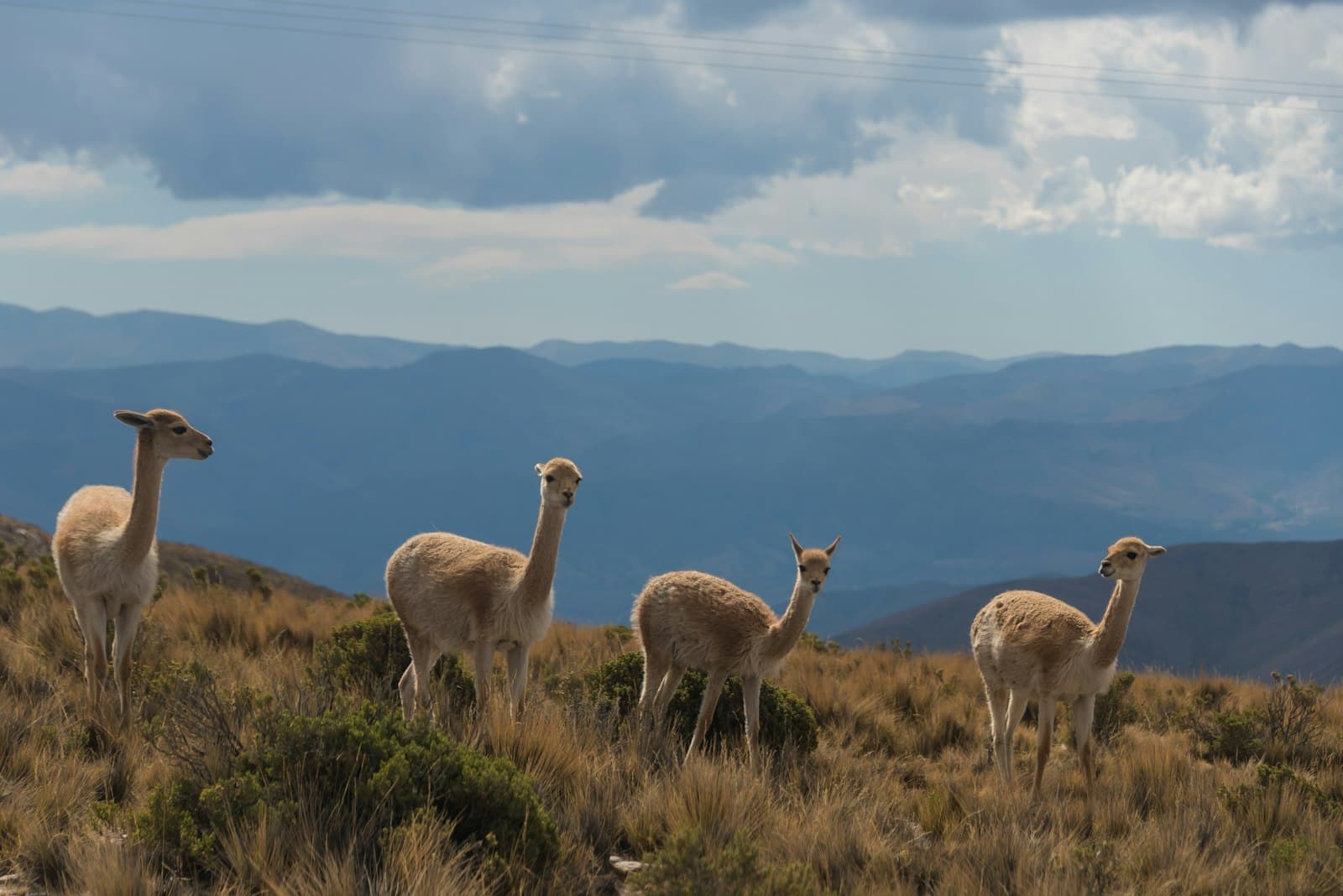
Кебрада-де-Уамака была жизненно важным коридором для человеческой деятельности по крайней мере 10 000 лет. Ранние общества охотников-собирателей оставили после себя доисторические останки, а позже долина стала частью обширной системы троп инков, важнейшего торгового пути, соединявшего различные цивилизации Анд. Народ Омагуака, коренная андская группа, населял этот регион, свидетельства их поселений датируются примерно 1000 годом н.э. Их общество было организовано в отдельные политические единицы, каждая из которых поддерживала укрепленные поселения на вершинах холмов, известные как пукара, и обеспечивала себя сельским хозяйством и разведением лам и альпак.
Испанские войска прибыли в 16 веке, завоевав Омагуака после длительного сопротивления. Уамака была основана испанскими поселенцами в 1591 году, трансформировав существовавшее поселение инков и став значительным центром экспедиций в Верхнее Перу (ныне Боливия). Стратегическое расположение города сделало его ключевой остановкой на этом маршруте, способствуя транспортировке товаров и идей. Регион также сыграл важную роль в Войне за независимость Аргентины в начале 19 века, когда в этом районе произошло множество сражений. Памятник Героям Независимости на холме Санта-Барбара является данью уважения Аргентинской армии и коренным народам, боровшимся за свободу.
В 2003 году ЮНЕСКО признала Кебрада-де-Уамака культурным ландшафтом, отметив ее непрерывное заселение людьми и стойкую культуру коренных общин. Сегодня этническая группа Койя составляет большинство населения Уамаки, многие из которых до сих пор говорят на кечуа и сохраняют древние традиции, фестивали, искусство, музыку и сельскохозяйственные практики.
Город Уамака предлагает сочетание исторических мест и доступ к впечатляющим природным ландшафтам. В самом сердце города находится Площадь доктора Эрнесто Падильи, где в полдень собираются толпы, чтобы увидеть полноразмерную фигуру Сан-Франциско Солано, появляющуюся из часовой башни Кабильдо (ратуши). Памятник Героям Независимости, расположенный на холме Санта-Барбара, является значимой достопримечательностью, увековечивающей память тех, кто боролся за свободу Аргентины. Подъем по его ступеням открывает широкие виды на город и окружающие горы.
Посетите Церковь-собор Нуэстра-Сеньора-де-ла-Канделария, церковь 17 века на главной площади, известную своим побеленным фасадом и религиозными произведениями искусства. Муниципальный археологический музей демонстрирует доиспанские артефакты, предлагая представление о древних культурах региона. Башня Санта-Барбара, глинобитное сооружение, является остатком оратория колониальной эпохи.
За пределами города главной достопримечательностью является Серрания-де-Орнокаль, которую часто называют «Радужной горой Аргентины». Расположенная примерно в 25 километрах (15,5 милях) от Уамаки, ее 14-цветные известняковые образования лучше всего видны поздним днем, когда солнечный свет усиливает их оттенки. Хотя знаменитый Холм Семи Цветов находится недалеко от Пумамарки, Орнокаль предлагает столь же яркое зрелище. Другие близлежащие археологические памятники включают Коктака и Инка-Куэва, где находятся руины доколумбовой эпохи и наскальные рисунки.
Уамака приветствует посетителей круглый год, но самые приятные времена — весна (сентябрь-декабрь) и осень (апрель-май). Весна предлагает теплые дни (23-30°C/74-84°F) и сухие условия, идеально подходящие для активного отдыха. Осень приносит мягкую, солнечную и сухую погоду, а летние дожди оживляют горные пейзажи, создавая пышную зелень. Зима (июнь-август) сухая и солнечная, но может быть очень холодной, с ночами, часто опускающимися ниже нуля, хотя и с меньшим количеством туристов. Лето (декабрь-март) — сезон дождей, с возможными внезапными грозами и очень жаркими дневными температурами до 40°C (104°F).
Уамака находится примерно на высоте 3000 метров (9842 фута) над уровнем моря, поэтому акклиматизация к высоте имеет решающее значение для предотвращения горной болезни. Пейте больше жидкости, избегайте алкоголя и не перенапрягайтесь в первые пару дней. Защита от солнца необходима из-за более сильного ультрафиолетового излучения на большой высоте; используйте солнцезащитный крем, солнцезащитные очки и головной убор. Водопроводную воду обычно не рекомендуется пить; придерживайтесь бутилированной воды.
Чтобы добраться до Уамаки, летите в аэропорты Сальта (SAL) или Жужуй (JUJ) из Буэнос-Айреса. Оттуда вы можете сесть на автобус или арендовать автомобиль. Автобусы из Жужуя в Уамаку идут около 2 часов, а из Сальты — 3,5-4 часа. Аренда автомобиля предлагает гибкость для исследования региона, хотя имейте в виду, что некоторые дороги, например, ведущая к Орнокалю, не имеют покрытия.
Базовые медицинские учреждения доступны в Уамаке, но в случае серьезных проблем может потребоваться поездка в Жужуй или Сальту.
Умауака: корейский, китайский, иврит и ещё 29 языков — каждую остановку озвучивает носитель языка. Самый широкий выбор языков среди аудиоэкскурсий без гида.
Доступные языки: