Brunnen der Burg Hunedoara
Ein tiefer Steinbrunnen im Burghof birgt eine erschütternde Inschrift.
Die ganze Geschichte wird in der Tour freigeschaltet
 Todor Bozhinov / CC BY-SA 4.0, via Wikimedia Commons
Selbstgeführte Audio-Walking-Tour durch Hunedoara — GPS-Route, Offline-Wiedergabe, erzählerische Narration in 32 Sprachen.
“Wo gotische Türme auf industrielle Echos treffen und Legenden in der transsilvanischen Luft verweilen.”
Nicht die Postkarten. Die Geschichten, die selbst Einheimische nicht kennen – dir ins Ohr geflüstert, genau dort, wo sie geschahen.
Ein tiefer Steinbrunnen im Burghof birgt eine erschütternde Inschrift.
Die Verliese der Burg sind mit einer berüchtigten historischen Figur verbunden.
Jenseits der Burgmauern hat die Stadt eine überraschende, jüngere Identität.
Entdecke jedes Geheimnis von Hunedoara
Jede Adresse, jede Enthüllung vollständig – in deinem Ohr, genau dort, wo es geschah.
Du wählst deine Stationen. Du gehst. Die Stimme enthüllt, was andere übersehen.
Deine selbstgeführte Audio-Tour durch Hunedoara ist bereit – wähle deine Sehenswürdigkeiten, deine Sprache und starte, sobald du ankommst.
KaufenLume enthält einen integrierten Augmented-Reality-Guide. Halten Sie Ihr Handy hoch: Die Kamera zeigt die Straße vor Ihnen, mit einem leuchtenden Pfeil über dem echten Bild, der immer auf Ihren nächsten Stopp zeigt — keine Karte zum Rätseln, keine falschen Abzweigungen. Wie alles bei Lume funktioniert es komplett offline.
Hunedoara, eine Stadt in der Region Siebenbürgen in Rumänien, ist ein Ort, an dem mittelalterliche Pracht und Industriegeschichte miteinander verflochten sind. Es ist ein Reiseziel, das Besucher oft überrascht und über das märchenhafte Bild seines berühmtesten Wahrzeichens hinausgeht, um eine vielschichtige Vergangenheit zu enthüllen. Die Stadt liegt im südwestlichen Siebenbürgen, nahe den Șerban-Bergen, und bietet eine Landschaft aus Hügeln, Tälern und Bergen.
Obwohl Hunedoara eine moderne Stadt ist, nimmt sie ihre Rolle in Legenden und historischen Erzählungen an. Es ist ein Ort, an dem man morgens durch jahrhundertealte Schlosssäle wandern und nachmittags die Echos eines industriellen Kraftwerks des 20. Jahrhunderts erleben kann. Diese Mischung aus Antike und jüngerer Vergangenheit bietet einen fesselnden Einblick in die Entwicklung Rumäniens.
Hunedoara wird oft als bewusster Umweg und nicht als primärer Stützpunkt für Rucksacktouristen betrachtet. Es bietet ein authentisches Erlebnis, das es Reisenden ermöglicht, in die lokale Kultur und Geschichte einzutauchen, ohne die überwältigenden Menschenmassen beliebterer Reiseziele.
Das Gebiet um Hunedoara hat eine lange Geschichte, mit Eisenerzvorkommen, die seit der Römerzeit bekannt sind. Die Stadt selbst wurde erstmals 1265 unter dem Namen 'Hungnod' urkundlich erwähnt und diente ursprünglich als Zentrum für Ledergerberei und Wollverarbeitung. Sie entwickelte sich schnell zu einem wichtigen Zentrum für Eisengewinnung und -verarbeitung in Siebenbürgen. Eine antike Inschrift bezeichnet sogar einen lokalen Einwohner als 'geboren dort, wo das Eisen geboren wurde', was die tiefe Verbindung der Region zur Metallurgie hervorhebt.
Das 14. Jahrhundert markierte einen bedeutenden Wendepunkt, als Hunedoara zur Residenz der ungarischen Adelsfamilie Hunyadi wurde. Im Jahr 1409 erhielt Voyk (rumänisch: Voicu) die Herrschaft Hunedoara für seine militärische Tapferkeit von Sigismund von Luxemburg, König von Ungarn und Kroatien. Sein Sohn, Johann Hunyadi (auch bekannt als Iancu de Hunedoara), begann um 1440 mit dem Umbau der bestehenden Festung zur beeindruckenden spätgotischen Burg, wie sie heute zu sehen ist.
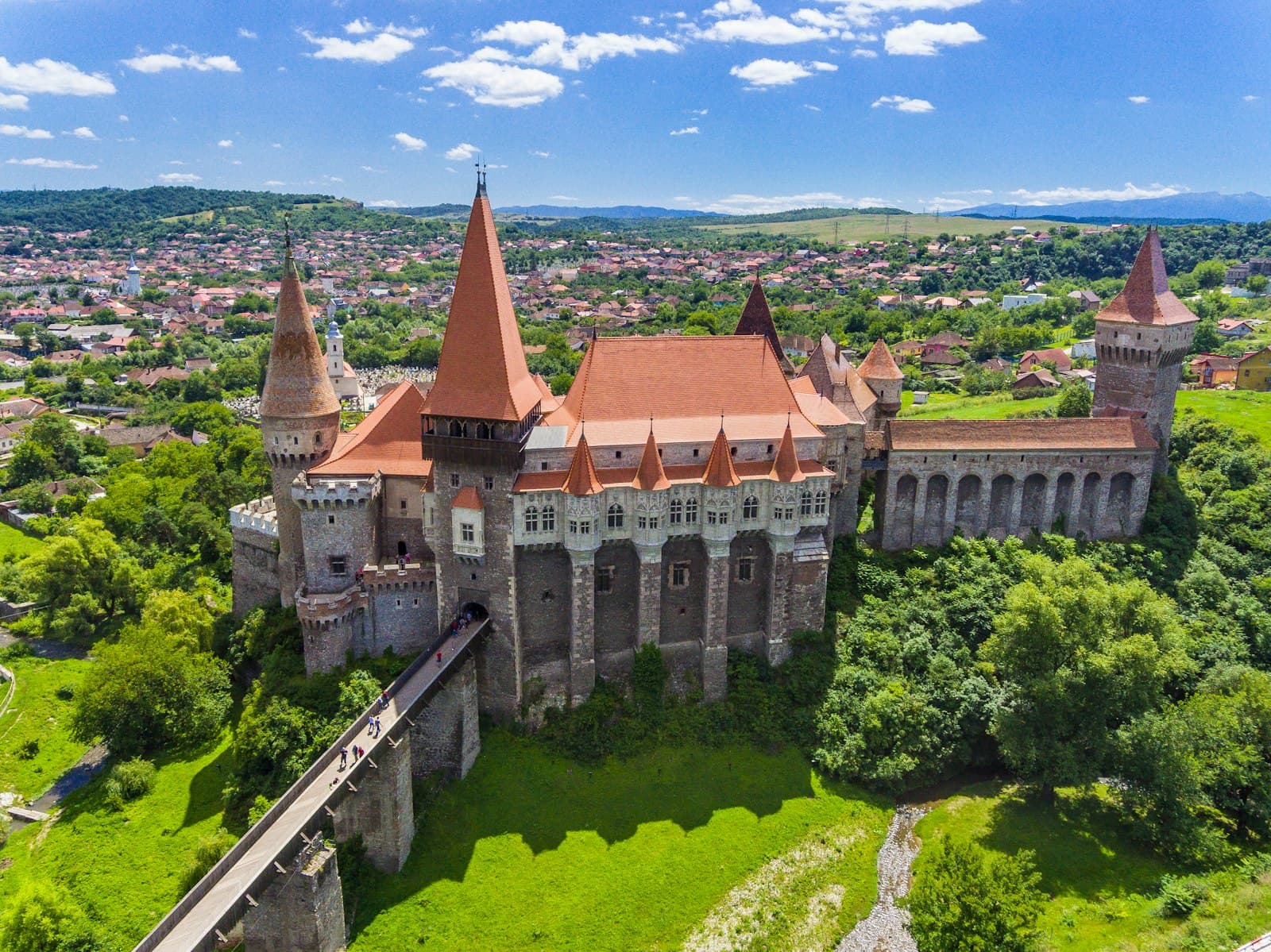
Johann Hunyadis Einfluss war tiefgreifend; er wurde 1446 zum Regenten gewählt und unter seiner Leitung wurde die Burg um die Ritterhalle, die Diätensaal und mehrere Türme erweitert. Nach seinem Tod im Jahr 1456 setzte sein Sohn Matthias Corvinus den Bau fort und fügte Renaissance-Elemente hinzu, die zum Wohlstand der Burg beitrugen. Die Burg, später bekannt als Burg Hunedoara, wurde zu einem der größten und beeindruckendsten Gebäude Osteuropas.
Im Laufe der Jahrhunderte erlebte die Burg fünf Brände und zahlreiche Umbauten durch österreichisch-ungarische und rumänische Behörden. Im 17. Jahrhundert wurden weitere Anbauten sowohl für ästhetische als auch für militärische Zwecke vorgenommen, darunter der Bau des Weißen Turms und des Artillerieturms.
Über seine mittelalterliche Vergangenheit hinaus erlebte Hunedoara im 20. Jahrhundert eine dramatische Transformation. Während der kommunistischen Ära wurde es zu einem bedeutenden Industriezentrum und Sitz der größten Stahlwerke Rumäniens. Die Einwohnerzahl der Stadt stieg auf 86.000. Nach der rumänischen Revolution von 1989 und dem Fall des Kommunismus erlebte die Stahlindustrie jedoch aufgrund des Verlusts von Märkten einen erheblichen Niedergang, der den Wohlstand der Stadt stark beeinträchtigte.
In den letzten Jahren befindet sich Hunedoara in einer Erholungsphase mit neuen Investitionen und einem erneuten Fokus auf seine historischen und natürlichen Sehenswürdigkeiten. Die vielschichtige Geschichte der Stadt, von antiken Eisenhütten über mittelalterlichen Adel bis hin zur Industrie des 20. Jahrhunderts, prägt weiterhin ihren Charakter.
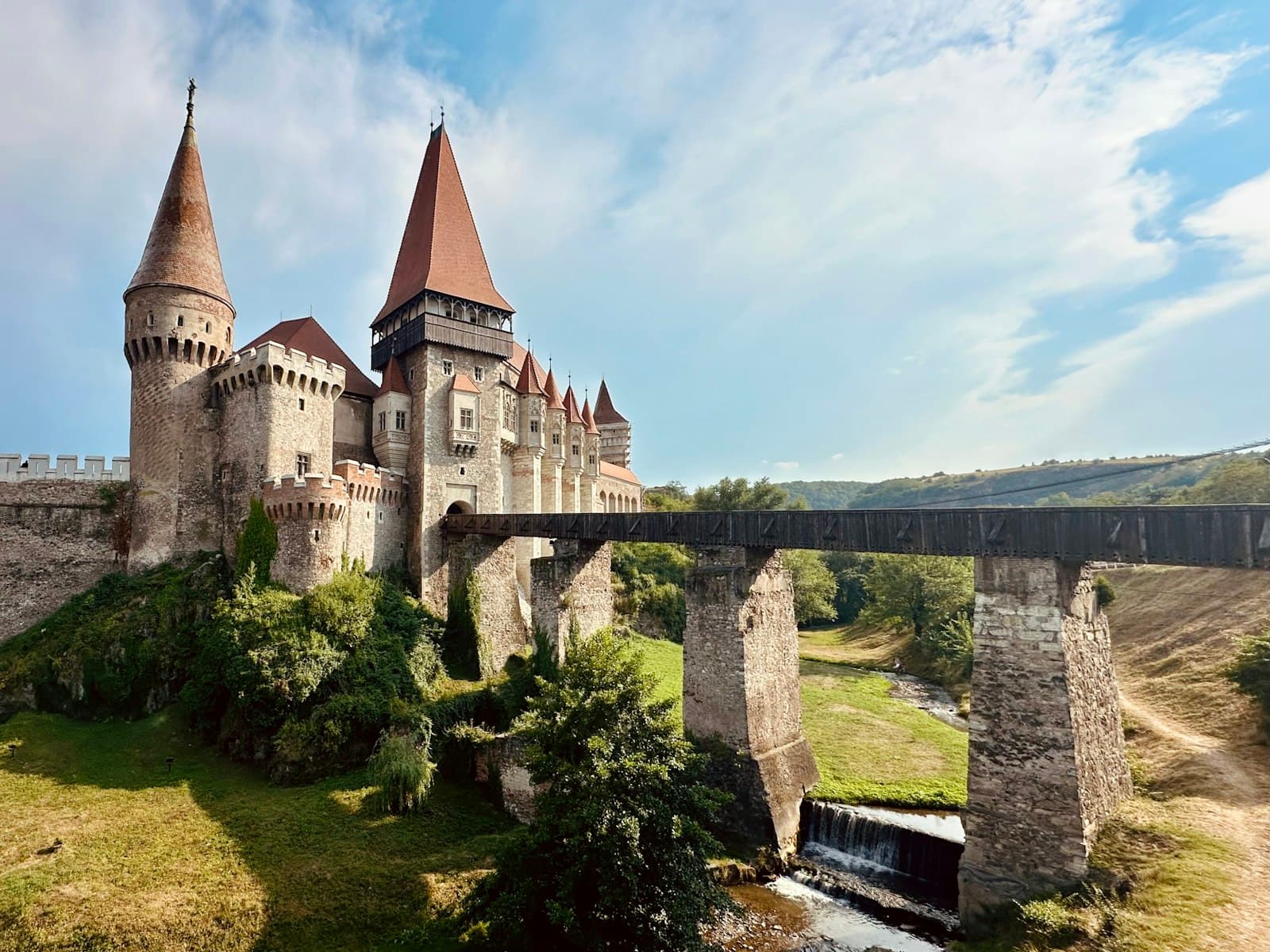
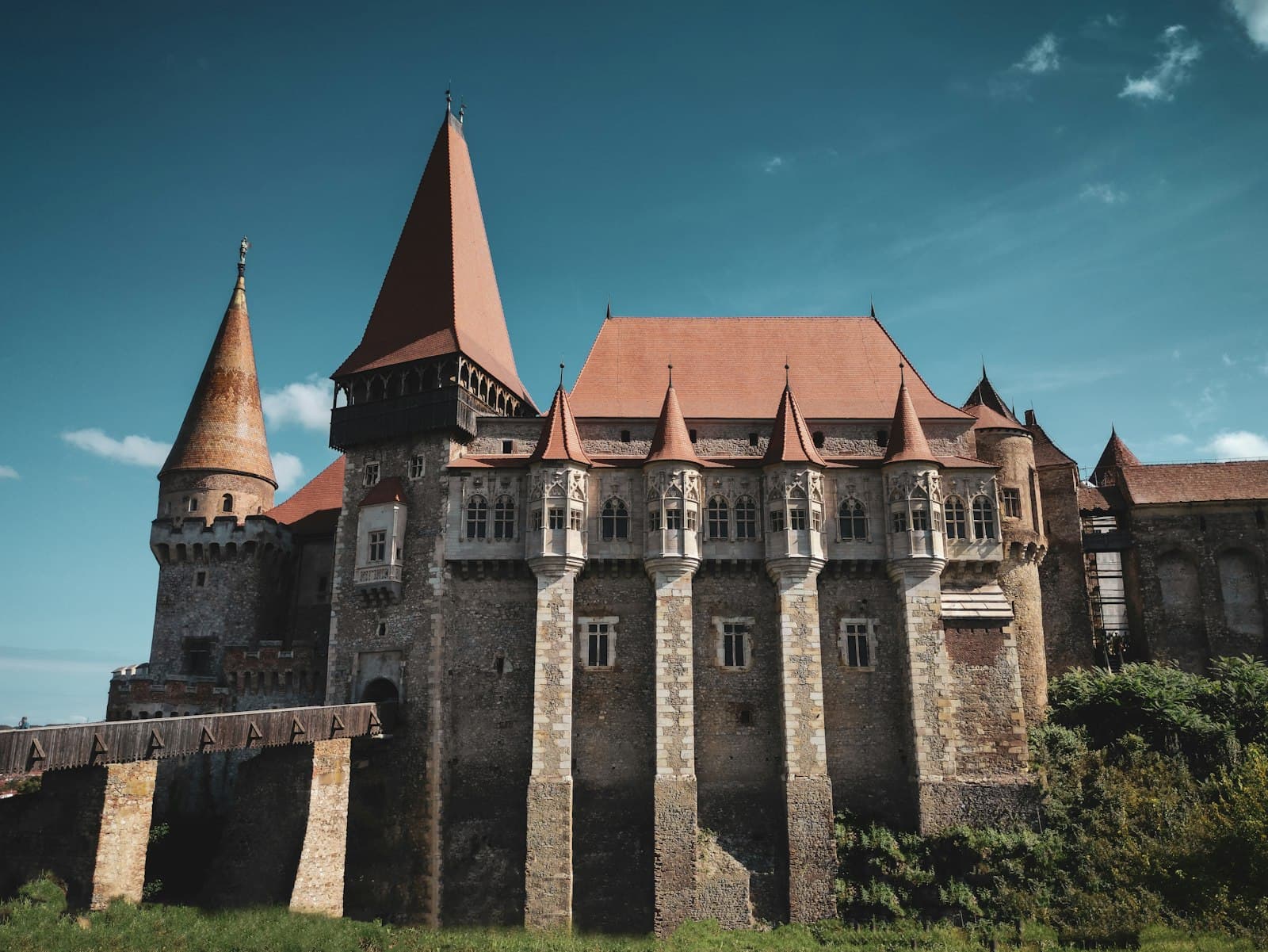
Das unbestrittene Herzstück von Hunedoara ist die Burg Hunedoara, auch bekannt als Burg Corvin. Diese spätgotische Festung, die als eine der größten Burgen Europas und als eines der Sieben Weltwunder Rumäniens gilt, ist ein faszinierendes architektonisches Meisterwerk. Besucher können ihre prächtigen Säle, geheimen Gänge und ritterlichen Kammern erkunden und in jahrhundertealte Geschichte und Legenden eintauchen. Verpassen Sie nicht den ikonischen Brückenblick von außerhalb der Burg für ein klassisches Foto.
Erkunden Sie jenseits der Burg das historische Stadtzentrum, wo Sie durch begehbare Straßen schlendern und lokale Bäckereien entdecken können. Die Statue von Iancu de Hunedoara (Johann Hunyadi) in der Nähe der Burg ehrt den Militärführer, der für die Geschichte der Stadt von zentraler Bedeutung ist.
Für einen Einblick in die jüngere Vergangenheit Rumäniens besuchen Sie das Muzeul Comunismului Hunedoara. Dieses Museum bietet ein immersives Erlebnis mit authentischen Artefakten, Fotografien und einem nachgebildeten Klassenzimmer, das das Leben während der kommunistischen Ära veranschaulicht.
Naturliebhaber können den nahe gelegenen Nationalpark Retezat besuchen, der für seine wunderschönen Berge, Gletscherseen und Wanderwege bekannt ist. Der Park bietet vielfältige Landschaften für erfahrene und unerfahrene Wanderer. Eine weitere lokale Attraktion ist der Cincis-See, etwa 15 km von der Stadt entfernt, der touristische Einrichtungen bietet.
Für einzigartige historische Einblicke sollten Sie die Govăjdia-Hütte südwestlich von Hunedoara besuchen. Erbaut im Jahr 1806, war sie der zweite industrielle Hochofen der Welt, der zur Eisengewinnung genutzt wurde, und sein Metall wurde sogar für die Basis des Eiffelturms verwendet.
Die beste Zeit für einen Besuch in Hunedoara ist das späte Frühjahr (Mai bis Juni) und der frühe Herbst (September bis Oktober). In diesen Monaten ist das Wetter im Allgemeinen angenehm, mit Durchschnittstemperaturen zwischen 10–22 °C im September und weniger Touristenandrang. Die warme Jahreszeit dauert von Ende Mai bis Mitte September, wobei der Juli mit durchschnittlich 26 °C der heißeste Monat ist. Der Niederschlag ist im Juni am höchsten. Die kalte Jahreszeit dauert von Ende November bis Anfang März, wobei der Januar mit durchschnittlich 1 °C der kälteste Monat ist.
Hunedoara ist mit dem Zug, Bus oder Auto erreichbar. Die nächstgelegene größere Stadt mit guten Zug- und Busverbindungen ist Deva, etwa 15 km entfernt. Wenn Sie fliegen, sind die nächstgelegenen Flughäfen in Timișoara (TSR) und Sibiu (SBZ), beide etwa 2-3 Autostunden entfernt. Ein Mietwagen von Bukarest oder Sibiu ist ebenfalls eine Option.
Die lokale Währung ist der rumänische Leu (RON). Kreditkarten werden zwar an vielen Orten akzeptiert, aber es ist immer gut, etwas Bargeld für kleinere Einkäufe dabei zu haben. Hunedoara gilt im Allgemeinen als sicher für Touristen, aber es ist ratsam, auf Ihre Umgebung zu achten, besonders nachts, und Ihre Habseligkeiten sicher aufzubewahren. Die Unterkunftsmöglichkeiten reichen von Pensionen bis hin zu Mittelklassehotels. Eine Buchung im Voraus ist empfehlenswert, besonders während der Hauptsaison.
Hunedoara — Koreanisch, Chinesisch, Hebräisch und 29 weitere Sprachen, jede Station von einer muttersprachlichen Stimme erzählt. Die größte Sprachauswahl aller selbstgeführten Audiotouren.
Verfügbar auf: