Big Spring International Park
De serene wateren van Big Spring International Park verbergen een geheim over de allereerste openbare nutsvoorziening van Huntsville.
Volledig verhaal ontgrendeld in de tour
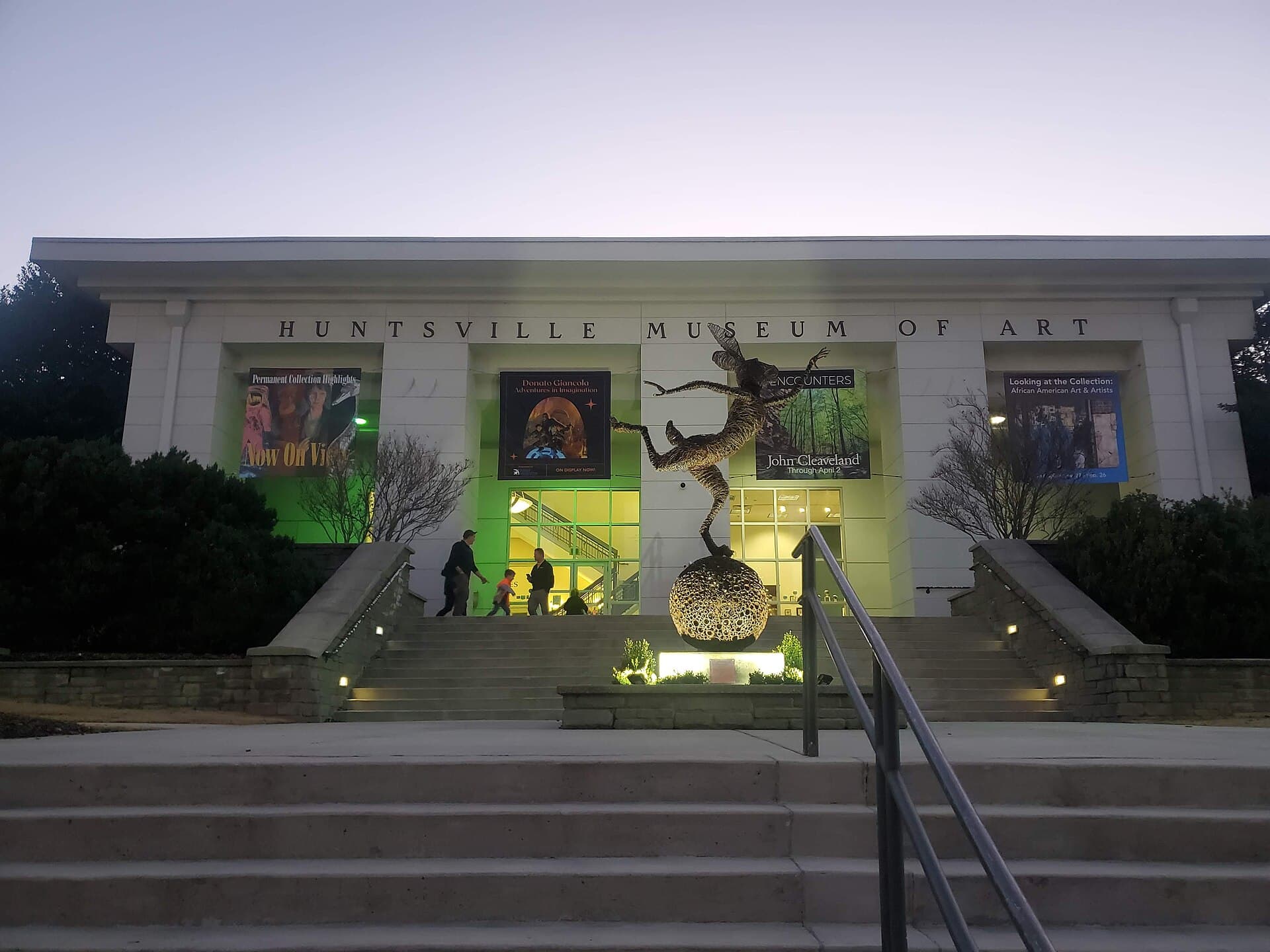
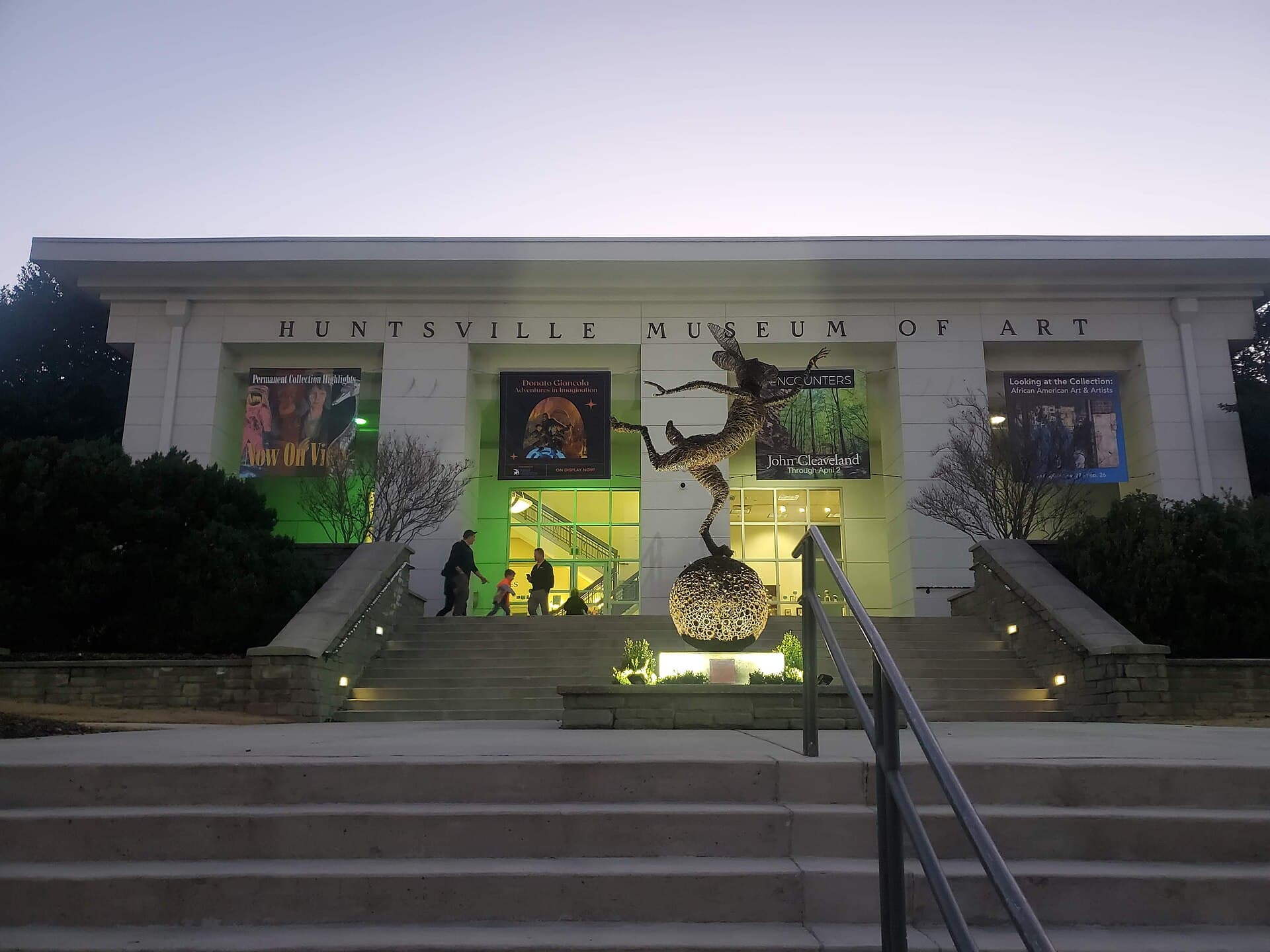 American Diabetio / CC BY-SA 4.0, via Wikimedia Commons
Zelfgeleide audiowandeling door Huntsville — GPS-route, offline afspelen, meeslepende vertelling in 32 talen.
“Waar raketten worden gelanceerd en de geschiedenis in gedempte tonen spreekt.”
Niet de ansichtkaarten. De verhalen die zelfs locals niet kennen — gefluisterd in je oor, precies waar ze gebeurden.
De serene wateren van Big Spring International Park verbergen een geheim over de allereerste openbare nutsvoorziening van Huntsville.
De imposante bakstenen gevel van de voormalige Dallas Mill, nu onderdeel van het stedelijke landschap van Huntsville, bood ooit meer dan alleen werkgelegenheid.
Een belangrijke toespraak van Martin Luther King Jr., gehouden aan de Oakwood University, bood een voorproefje van woorden die door de geschiedenis zouden galmen.
Ontdek elk geheim van Huntsville
Elk adres, elke onthulling volledig — in je oor, precies waar het gebeurde.
Jij kiest je stops. Jij wandelt. De stem onthult wat de anderen missen.
Je zelfgeleide audiotour van Huntsville is klaar — kies je bezienswaardigheden, kies je taal en start zodra je aankomt.
KopenLume heeft een ingebouwde augmented-reality-gids. Houd je telefoon omhoog: de camera toont de straat voor je, met een oplichtende pijl over het echte beeld die altijd naar je volgende stop wijst — geen kaart om uit te puzzelen, geen verkeerde afslagen. Zoals alles in Lume werkt het volledig offline.
Huntsville, Alabama, vaak 'Rocket City' genoemd, is een plek waar verleden en toekomst samenkomen. Gelegen in de uitlopers van de Appalachen, wordt deze stad in Noord-Alabama erkend voor zijn cruciale rol in het Amerikaanse ruimtevaartprogramma, met NASA's Marshall Space Flight Center als kern. Maar naast de raketten en het onderzoek biedt Huntsville een boeiende reeks historische momenten, van de begindagen als katoencentrum tot zijn verrassende leiderschap in de Burgerrechtenbeweging.
De stad combineert naadloos wetenschappelijke innovatie met een diepe waardering voor zijn erfgoed. Antebellum-huizen staan naast moderne onderzoeksparken, en de rust van Big Spring International Park vormt een contrast met de bruisende technologische vooruitgang. De unieke reis van Huntsville, van de oprichting in 1811 als het eerste stadje van Alabama tot de huidige status als de meest bevolkte stad van de staat, maakt het een boeiende bestemming voor wie nieuwsgierig is naar de krachten die Amerika hebben gevormd.
Het verhaal van Huntsville begon in 1805 toen John Hunt zich vestigde nabij een grote kalkstenen bron, die later Big Spring International Park zou worden. Aanvankelijk bekend als 'Hunt's Spring', werd de gemeenschap in 1811 opgericht als de stad Huntsville, waarmee het de eerste geregistreerde stad in het huidige Alabama werd. De strategische ligging en overvloedige middelen vestigden het al snel als een centrum voor politieke, educatieve en industriële ontwikkeling. Toen Alabama in 1819 staatsrechten verkreeg, diende Huntsville kortstondig als de eerste hoofdstad, en de eerste grondwet van de staat werd er opgesteld.
Gedurende de 19e eeuw werd de economie van Huntsville sterk beïnvloed door katoen. Welgestelde katoenkwekers en landspeculanten werden aangetrokken tot het gebied, wat leidde tot de oprichting van talrijke textielmolens. Deze molens, zoals Dallas Mill en Lincoln Mill, boden niet alleen werkgelegenheid, maar creëerden ook complete molendorpen met woningen, scholen en andere voorzieningen voor werknemers. Tijdens de Burgeroorlog verzette Huntsville zich aanvankelijk tegen afscheiding, maar droeg troepen bij aan de Confederatie. In tegenstelling tot veel zuidelijke steden bleven de gebouwen van Huntsville grotendeels gespaard van vernietiging tijdens de oorlog, waardoor het een aanzienlijke collectie antebellum-huizen behield, met name in het Twickenham Historic District.
Het midden van de 20e eeuw markeerde een dramatische verschuiving voor Huntsville. In 1941 vestigde het Amerikaanse leger Redstone Arsenal, dat in de jaren '50 de geboorteplaats werd van de Amerikaanse ruimtewedloop met de komst van Duitse wetenschappers onder leiding van Dr. Wernher von Braun. Dit tijdperk leverde Huntsville zijn blijvende bijnaam 'Rocket City' op en leidde tot de oprichting van NASA's Marshall Space Flight Center en het U.S. Space & Rocket Center. Tegelijkertijd speelde Huntsville een unieke en vaak over het hoofd geziene rol in de Burgerrechtenbeweging. In 1962 werd het de eerste stad in Alabama die raciaal geïntegreerd werd, grotendeels dankzij de inspanningen van lokale activisten die strategisch gebruik maakten van de afhankelijkheid van de stad van federale ruimtevaartfinanciering.
Begin uw verkenning bij het U.S. Space & Rocket Center, waar u de torenhoge Saturn V-raket kunt bewonderen, een van de slechts drie ter wereld met al zijn originele onderdelen. Dit is ook de thuisbasis van Space Camp, dat programma's aanbiedt voor alle leeftijden, inclusief volwassenen en gezinnen, om astronautentrainingssimulaties te ervaren.
Voor een dosis geschiedenis kunt u door het Twickenham Historic District wandelen, bekend om zijn concentratie van antebellum-huizen. Bezoek vervolgens Big Spring International Park in het centrum van Huntsville, waar u eenden en koi kunt voeren, en internationale geschenken kunt ontdekken, zoals de iconische rode brug uit Japan en een zonnewijzer uit Duitsland. Het park is ook het startpunt voor het toekomstige Singing River Trail, een lange fiets- en wandelroute.
Dompel u onder in de kunstscene van Huntsville bij Lowe Mill ARTS & Entertainment, een herbestemde katoenmolen die nu de grootste particuliere kunstfaciliteit in het Zuiden is. Het herbergt studio's, galeries en podiumkunsten. Voor een ander artistiek perspectief biedt het Huntsville Museum of Art een diverse collectie en wisselende tentoonstellingen.
De beste tijden om Huntsville te bezoeken voor aangenaam weer en buitenactiviteiten zijn de lente (maart tot mei) en de herfst (september tot november). Gedurende deze seizoenen zijn de temperaturen mild, variërend van midden 15 tot begin 28 graden Celsius, met bloeiende tuinen in de lente en kleurrijke herfstbladeren. Zomers (juni tot augustus) kunnen heet en vochtig zijn, met gemiddelde dagelijkse maxima boven 27°C en veel klamme dagen in juli. Winters (december tot februari) zijn over het algemeen mild, met minder drukte en temperaturen tussen 4 en 10 graden Celsius.
Huntsville International Airport (HSV) is de dichtstbijzijnde luchthaven, op ongeveer 15 minuten rijden van het centrum via I-565. Hoewel grote ritdeel-apps zoals Uber en Lyft beschikbaar zijn, wordt een huurauto aanbevolen om de stad te doorkruisen, aangezien Huntsville vrij uitgestrekt is en het openbaar busvervoer beperkt is. Het openbaar vervoersysteem van de stad, Orbit, biedt busroutes, en Access biedt gespecialiseerde paratransitdiensten voor in aanmerking komende personen. Voor groepsreizen zijn er charterbusverhuur beschikbaar met voorzieningen zoals airconditioning, Wi-Fi en toiletten. Accommodatieopties variëren van hotels, waaronder 106 Jefferson en The Westin, tot korte-termijnverhuur via Airbnb en Vrbo in historische of buitenwijken.
Bezoekers met een handicap kunnen toegankelijkheidsinformatie en -bronnen vinden via het Huntsville/Madison County Convention & Visitors Bureau.
Huntsville — Koreaans, Chinees, Hebreeuws en nog 29 talen, elke stop verteld door een moedertaalspreker. Het grootste taalaanbod van alle zelfgeleide audiotours.
Beschikbaar in: