Castelo de Imabari
A maioria das fortalezas é construída para defesa, mas o fundador de Imabari tinha um truque único na manga, literalmente trazendo o mar para suas fortificações.
História completa desbloqueada no tour
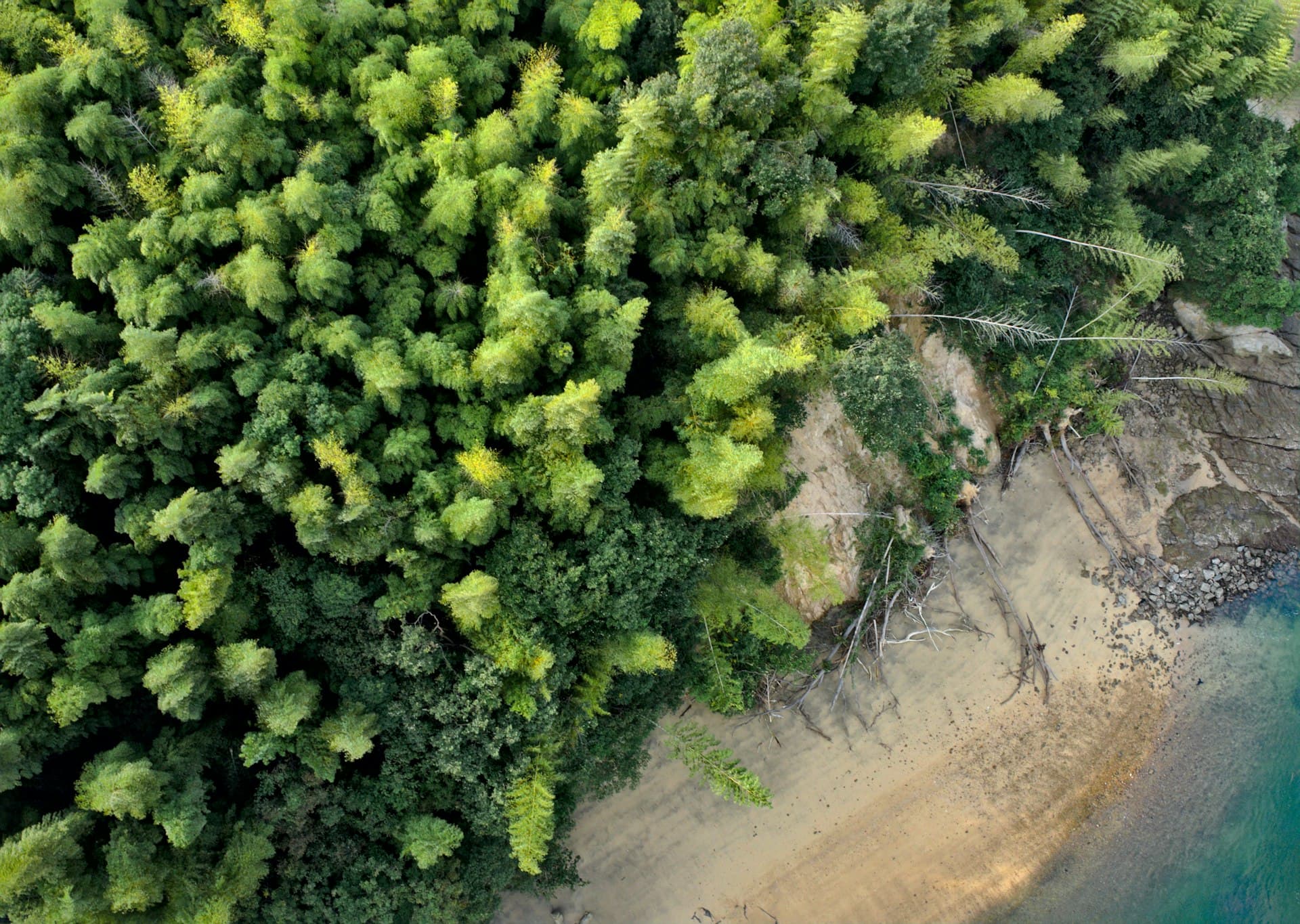 Photo: Nate Watson / Unsplash
Tour de áudio autoguiado por Imabari — rota GPS a pé, reprodução offline, narração envolvente em 32 idiomas.
“Onde o Mar Interior de Seto encontra a maestria artesanal.”
Não os postais. As histórias que nem os locais conhecem — sussurradas ao seu ouvido, exatamente onde aconteceram.
A maioria das fortalezas é construída para defesa, mas o fundador de Imabari tinha um truque único na manga, literalmente trazendo o mar para suas fortificações.
Você pode pensar que um museu dedicado a toalhas soa comum, mas Imabari eleva este item do dia a dia a uma forma de arte, com um teste surpreendente para qualidade verdadeira.
Conectando ilhas através de um estreito poderoso, esta ponte detém um recorde mundial, mas seu design esconde um detalhe sutil que a torna mais do que apenas uma travessia.
Descubra cada segredo de Imabari
Cada endereço, cada revelação na íntegra — no seu ouvido, exatamente onde aconteceu.
Você escolhe as suas paragens. Você caminha. A voz revela o que os outros perdem.


O seu tour áudio autoguiado de Imabari está pronto — escolha os seus pontos de interesse, selecione o seu idioma e comece no momento em que chegar.
ComprarA Lume inclui um guia de realidade aumentada. Levante o telemóvel: a câmara mostra a rua à sua frente, com uma seta luminosa sobreposta à imagem real que aponta sempre para a sua próxima paragem — sem mapa para decifrar, sem voltas erradas. Como tudo na Lume, funciona totalmente offline.
Imabari, uma cidade na província de Ehime, na Ilha Shikoku do Japão, oferece uma mistura cativante de herança marítima, inovação industrial e esplendor natural. De frente para o Mar Interior de Seto, serve como porta de entrada para a Shimanami Kaido, uma ciclovia celebrada que liga Honshu e Shikoku através de uma série de ilhas. Além de seu cenário costeiro pitoresco, Imabari é um centro de construção naval e líder global na produção de toalhas, com uma história que abrange mais de um século.
A identidade da cidade está profundamente entrelaçada com o mar, desde seu castelo estrategicamente construído com fossos de água salgada até as poderosas correntes do Estreito de Kurushima. Imabari oferece uma perspectiva única da cultura japonesa, onde o artesanato tradicional encontra a engenharia moderna. Os visitantes podem explorar sítios históricos, mergulhar no intrincado mundo da fabricação de toalhas ou embarcar em uma aventura de ilha em ilha, tudo isso enquanto experimentam a genuína hospitalidade desta comunidade costeira.
A história de Imabari está intrinsecamente ligada à sua posição estratégica no Mar Interior de Seto. Durante o período Sengoku, a área era controlada pelo clã Murakami, um poderoso grupo marítimo frequentemente descrito como 'piratas' que navegavam pelos complexos canais e estreitos, oferecendo seus serviços como pilotos ou forças navais mercenárias.
Um momento crucial chegou no início do século XVII, quando Tōdō Takatora, um distinto construtor de castelos, recebeu o domínio de Imabari de Tokugawa Ieyasu após a Batalha de Sekigahara. Takatora iniciou a construção do Castelo de Imabari em 1602, concluindo-o por volta de 1608. Esta fortaleza era notável por seu design único, incorporando água salgada em seus fossos, um reflexo da longa história de Imabari como um centro marítimo. A cidade-castelo que cresceu ao seu redor forma o núcleo da Imabari moderna.
Embora a torre principal original do castelo tenha sido posteriormente desmontada e realocada, a cidade continuou a se desenvolver. A indústria têxtil de algodão foi introduzida no final do século XIX, com a produção de toalhas começando por volta de 1894. O clima quente da região e a abundante água macia, originária do Monte Ishizuchi, provaram ser ideais para esta indústria, levando a um rápido crescimento e mecanização. Em 1960, a indústria de toalhas de Imabari havia superado Osaka em volume de produção e, hoje, a cidade produz aproximadamente 60% das toalhas do Japão. Ao lado dos têxteis, a construção naval também emergiu como uma indústria importante, tornando Imabari a maior cidade marítima do Japão, com alta concentração de instalações de construção naval.
Em 1920, Imabari recebeu oficialmente o status de cidade. O final do século XX viu um desenvolvimento significativo de infraestrutura, incluindo a abertura da Ponte Hakata-Oshima em 1988 e da Ponte Kurushima Kaikyo em 1999, que completou a Shimanami Kaido, conectando Shikoku a Honshu.
Comece sua exploração no Castelo de Imabari, um distinto 'castelo aquático' com fossos cheios de água salgada. A torre principal reconstruída abriga um museu com armaduras de samurai, armas e documentos históricos, e seu deck de observação oferece amplas vistas da cidade e do Mar Interior de Seto. A uma curta caminhada do castelo, você pode mergulhar na renomada herança têxtil da cidade no Museu da Toalha de Imabari. Este museu único exibe o intrincado processo de fabricação de toalhas, apresenta instalações de arte feitas de toalhas e inclui um jardim europeu.
Para os entusiastas de atividades ao ar livre, a ciclovia Shimanami Kaido é uma experiência central, com Imabari servindo como seu ponto de partida no lado de Shikoku. Pedale pela Ponte Kurushima Kaikyo, a primeira ponte suspensa tripla do mundo, e desfrute de amplas vistas das ilhas e das correntes turbulentas. Considere uma visita ao Parque Observatório Kirosan na Ilha Oshima para vistas panorâmicas da ponte e do arquipélago circundante. Para um mergulho mais profundo no passado marítimo da região, o Museu Murakami Suigun em Oshima oferece insights sobre o influente clã pirata Murakami.
Amantes da arte também podem apreciar o Museu de Arte Moderna de Tamagawa, que abriga obras de artistas como Gauguin e Dalí, juntamente com arte japonesa e tesouros nacionais. O Museu de Arquitetura Toyo Ito na Ilha Omishima, dedicado ao arquiteto vencedor do Prêmio Pritzker que passou sua juventude em Imabari, oferece uma experiência cultural diferente.
Imabari experimenta um clima moderado com quatro estações distintas. A primavera (março-maio) e o outono (setembro-novembro) oferecem temperaturas amenas e agradáveis, tornando-as ideais para passeios turísticos e atividades ao ar livre, como pedalar na Shimanami Kaido. A primavera traz flores de cerejeira desabrochando, especialmente ao redor do Castelo de Imabari. Os verões (junho-agosto) são quentes e úmidos, sendo julho e agosto os meses mais quentes, e junho e julho geralmente registrando a maior parte da chuva. Os invernos (dezembro-fevereiro) são geralmente amenos, tornando-os adequados para visitar atrações internas e fontes termais locais.
Imabari é acessível de trem pela Linha JR Yosan, com serviços expressos e locais conectando-a a Matsuyama e outras cidades. De Honshu, você pode pegar o Sanyo Shinkansen até Okayama e, em seguida, transferir para o Shiokaze Limited Express. Ônibus também operam dentro da cidade e para ilhas próximas. Para aqueles que chegam de avião, o Aeroporto de Matsuyama (MYJ) é o mais próximo, com conexões de ônibus e trem para Imabari.
Dentro de Imabari, o transporte público é confiável. A cidade é considerada muito segura para viajantes, com baixas taxas de criminalidade. No entanto, sempre tome precauções de bom senso, como estar ciente de seus pertences e evitar áreas desertas tarde da noite. As regras de trânsito japonesas diferem de muitos outros países, portanto, seja atencioso ao caminhar ou pedalar, especialmente em cruzamentos.
Imabari — coreano, chinês, hebraico e mais 29 idiomas, cada parada narrada por uma voz nativa. A maior variedade de idiomas entre os passeios de áudio autoguiados.
Disponível em: