Золотая крыша (Goldenes Dachl)
Золотая крыша, самая известная достопримечательность Инсбрука, была построена, чтобы впечатлять. Но какое секретное послание скрыто в ее замысловатых рельефах?
Полная история открывается в туре
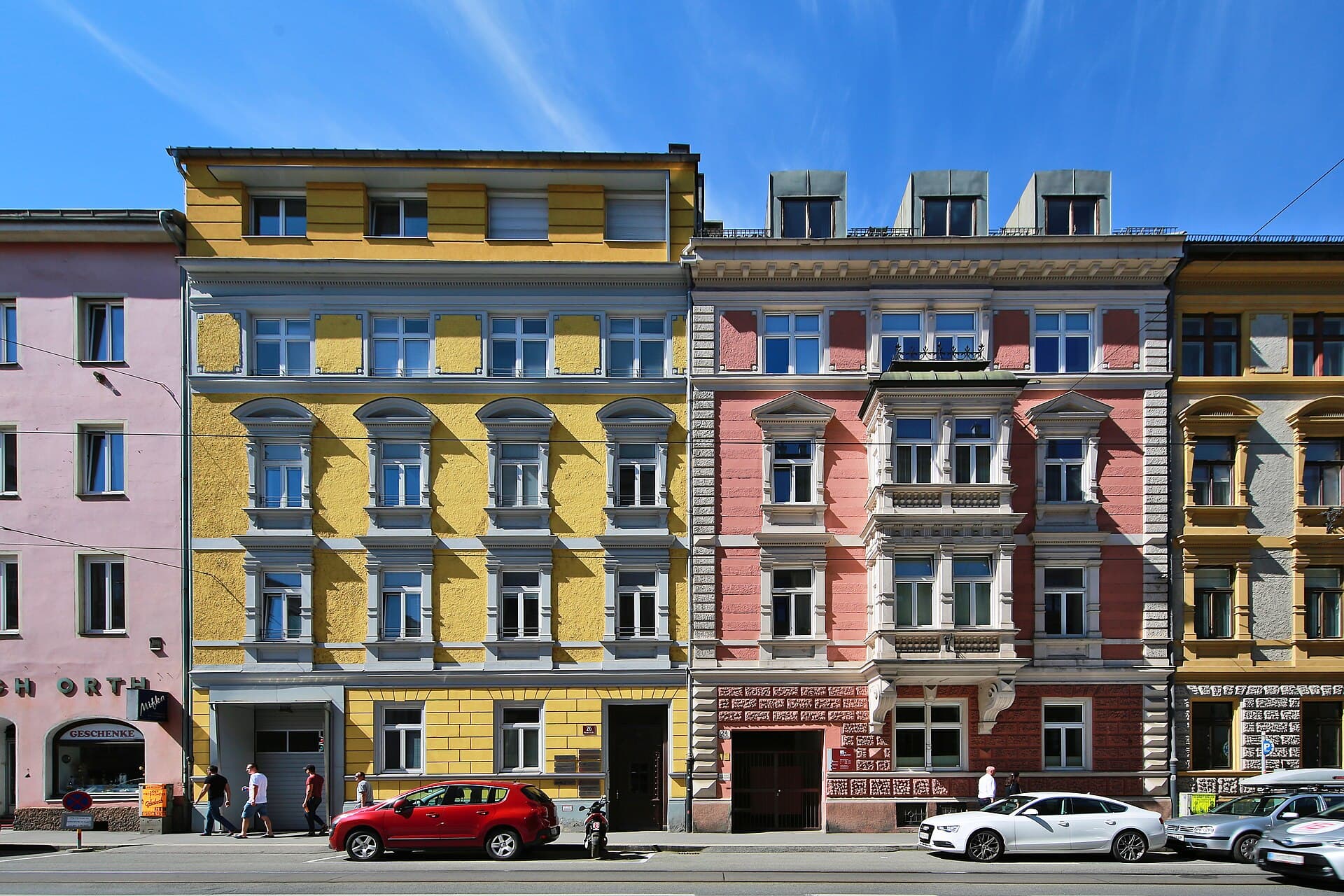 Simon Legner (User:simon04) / CC BY-SA 4.0, via Wikimedia Commons
Самостоятельная аудиопрогулка по Инсбрук — GPS-маршрут, офлайн-воспроизведение, увлекательное повествование на 32 языках.
“Где альпийское величие встречается с имперским великолепием.”
Не открытки. Истории, которые не знают даже местные жители — шепотом в вашем ухе, прямо там, где они произошли.
Золотая крыша, самая известная достопримечательность Инсбрука, была построена, чтобы впечатлять. Но какое секретное послание скрыто в ее замысловатых рельефах?
В шумном сердце Старого города Инсбрука есть готическая арка, которая позволяет удивительным образом общаться.
Императорский дворец Хофбург в Инсбруке связан с одной из самых известных и, в конечном итоге, трагических королев истории.
Откройте для себя каждый секрет Инсбрук
Каждый адрес, каждое полное раскрытие — в вашем ухе, прямо там, где это произошло.
Вы выбираете остановки. Вы гуляете. Голос раскрывает то, что упускают другие.
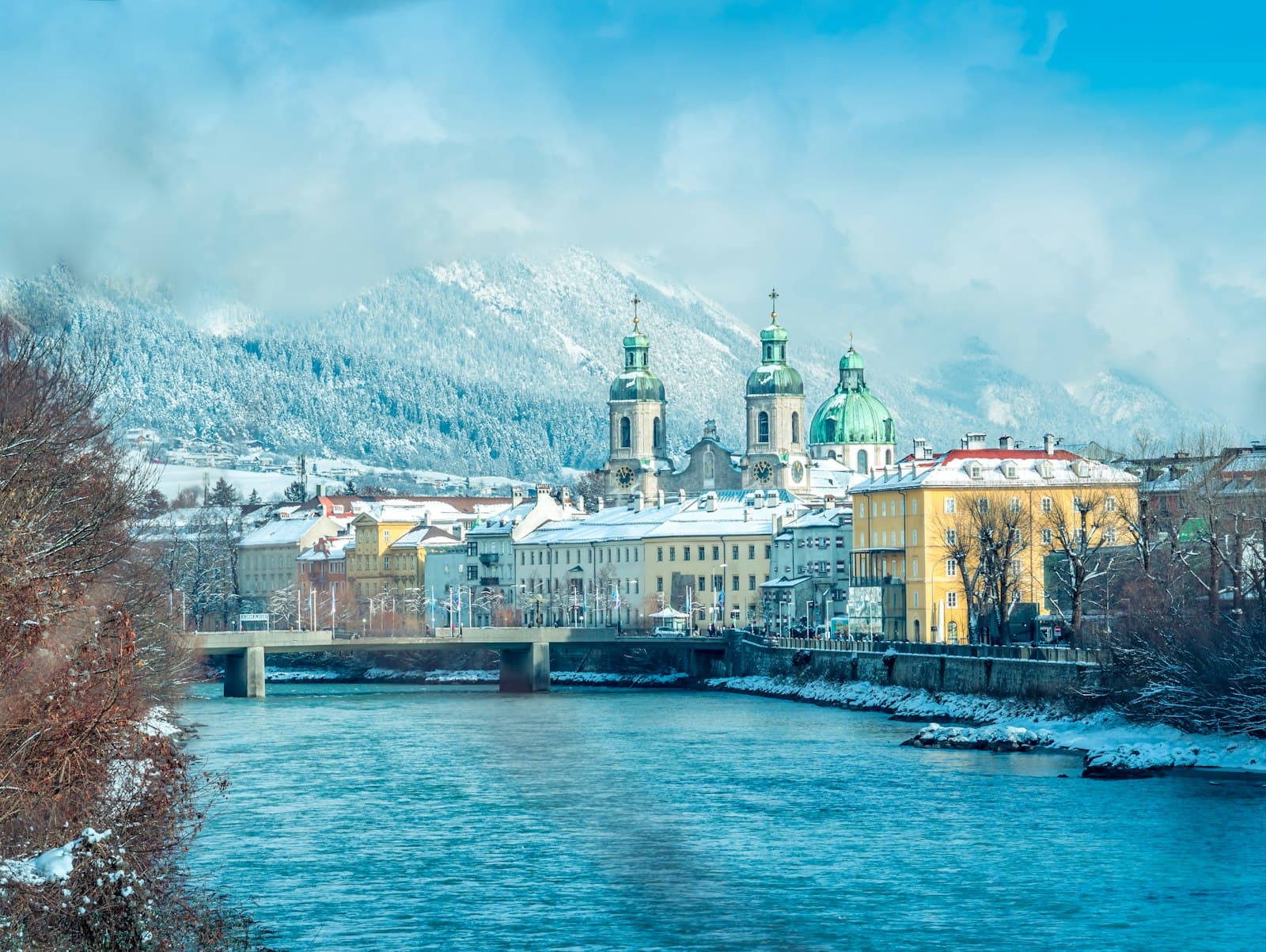
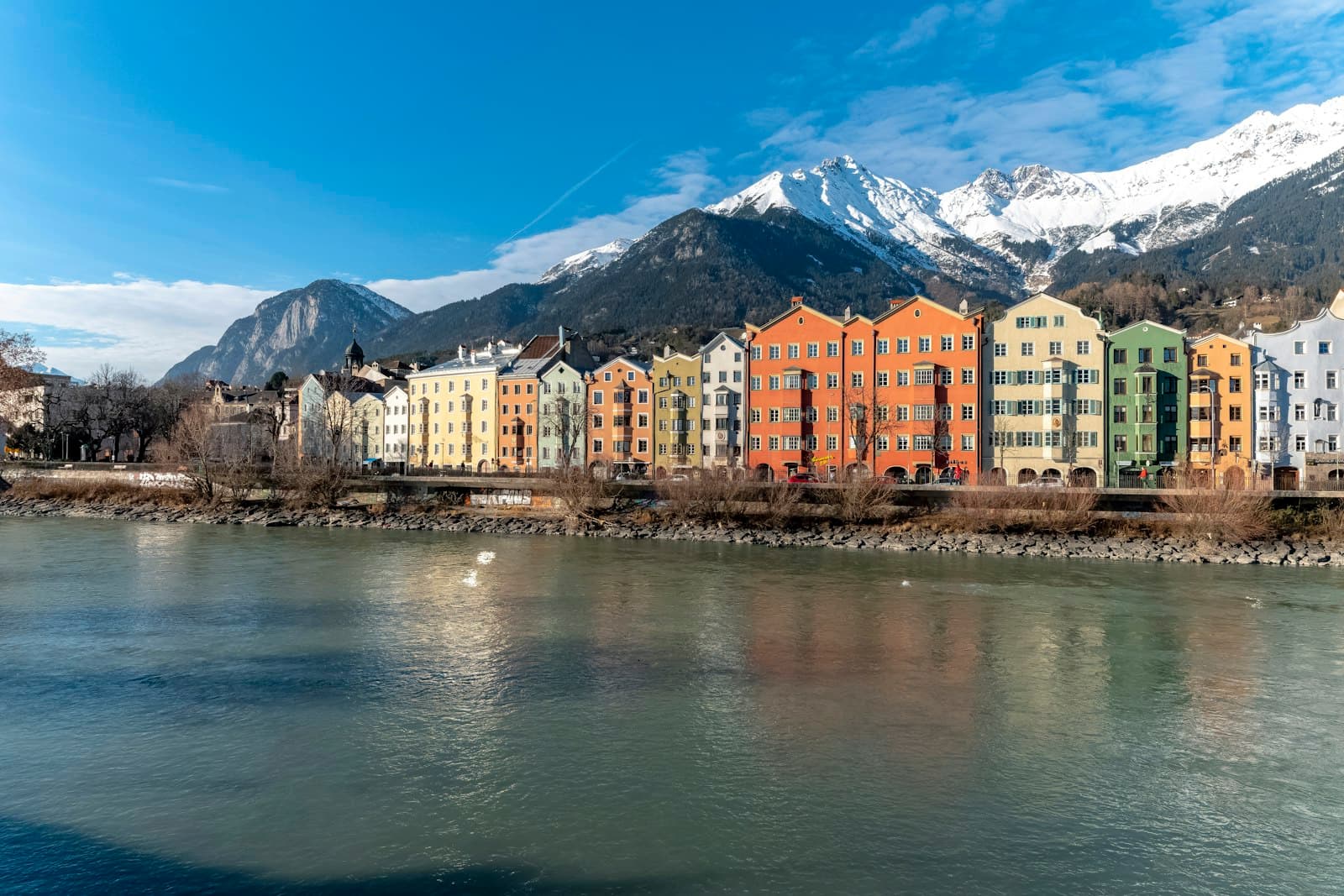
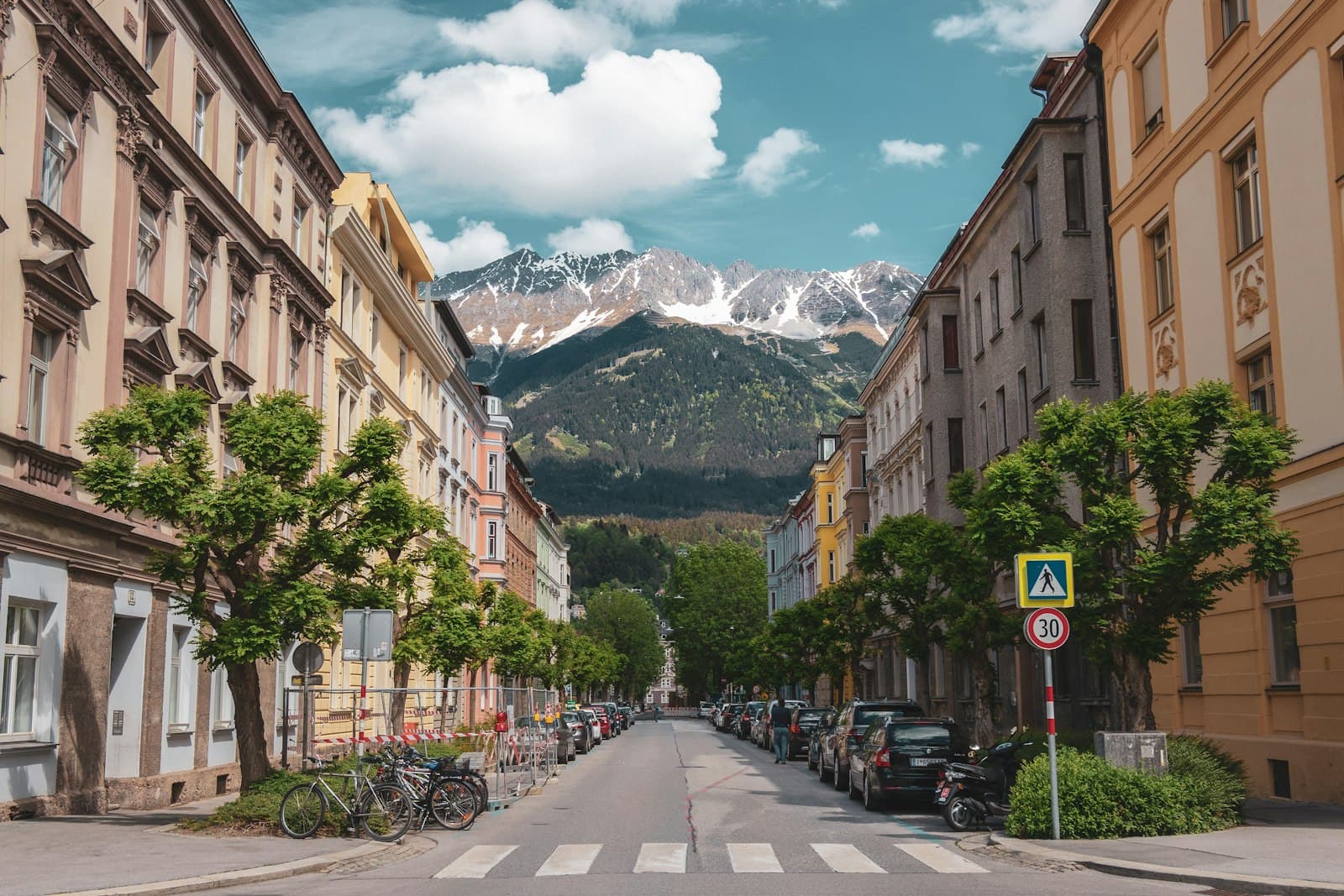
Ваш самостоятельный аудиотур по Инсбрук готов — выберите свои достопримечательности, выберите свой язык и начните в момент прибытия.
КупитьВ Lume встроен гид дополненной реальности. Поднимите телефон: камера показывает улицу перед вами, а поверх реального изображения светится стрелка, всегда указывающая на вашу следующую остановку — не нужно разбираться с картой и сворачивать не туда. Как и всё в Lume, это работает полностью офлайн.
Инсбрук, столица Тироля, — это город, где драматические вершины Альп встречаются с вековой имперской историей. Расположенный на реке Инн, у слияния с рекой Зилль, его стратегическое положение на перекрестке торговых путей из Италии в Германию формировало его самобытность со времен Средневековья. Этот австрийский город предлагает уникальное сочетание городской утонченности и непосредственного доступа к альпийским приключениям, что делает его привлекательным для самых разных интересов.
Привлекательность города заключается в его способности органично сочетать прошлое с динамичным настоящим. Старый город, объект Всемирного наследия ЮНЕСКО, является свидетельством его долгой истории: средневековые здания и аркадные переулки приглашают к исследованию. За пределами исторического центра современные архитектурные шедевры, такие как станции фуникулера, спроектированные Захой Хадид, создают поразительный контраст на фоне горного пейзажа. Независимо от того, привлекают ли вас заснеженные склоны или залитые солнцем горные тропы, культурные открытия или оживленные фестивали, Инсбрук предлагает что-то особенное в любое время года.
История Инсбрука восходит к Средневековью как к важному перекрестку через реку Инн; само название буквально означает «мост через Инн». Есть свидетельства того, что римляне использовали Бреннерский перевал и Решенский перевал, а их пути продолжались вдоль Инна, что подчеркивает раннюю стратегическую важность города. Впервые упомянутый как небольшой рыночный городок в 1180 году, он быстро развивался благодаря своему положению на пересечении крупных торговых путей, соединяющих Италию и Германию, а также Швейцарию и Западную Европу.
В 1363 году город перешел под контроль Габсбургов, что стало поворотным моментом, который глубоко повлиял на его будущее. В 1420 году Инсбрук стал королевской резиденцией, а в XV веке процветал как центр европейской политики и культуры. Император Максимилиан I, проживавший в Инсбруке в 1490-х годах, сыграл значительную роль в обогащении города такими знаковыми зданиями, как Золотая крыша, и расширении Императорского дворца. Эрцгерцог Фердинанд II внес дальнейший вклад в его культурное наследие в 1564 году, создав свои уникальные ренессансные коллекции в замке Амбрас.
В ранний современный период Инсбрук служил ключевым политическим и культурным центром Тироля и играл роль в католической реформе. В 1620-х годах в городе был построен первый оперный театр к северу от Альп, Догана, а в 1669 году был основан университет. Временно включенный в состав Королевства Бавария во время Наполеоновских войн, Инсбрук вернулся под австрийское правление после Венского конгресса. Город также помнит Андреаса Хофера, тирольского борца за свободу, который возглавил сопротивление наполеоновским войскам в 1809 году; четыре битвы произошли у холма Бергизель. Позже императрица Мария Терезия руководила значительными барочными реконструкциями дворца Хофбург между 1754 и 1773 годами, еще больше укрепляя влияние Габсбургов на архитектурный облик города.
Начните свое исследование в Альтштадте Инсбрука, Старом городе, прекрасно сохранившемся районе со средневековыми домами и аркадами. Самая знаковая достопримечательность здесь — Золотая крыша (Goldenes Dachl), украшенная 2657 позолоченными медными черепицами, построенная для императора Максимилиана I как церемониальный балкон. Поднимитесь на Городскую башню (Stadtturm), чтобы полюбоваться панорамными видами Старого города и окружающих Альп.
Всего в нескольких минутах ходьбы от Золотой крыши находится Императорский дворец Хофбург, бывшая резиденция Габсбургов, перестроенная в стиле барокко Марией Терезией. Исследуйте его роскошные залы, включая Зал гигантов с фресками на потолке. Напротив Императорского дворца посетите Придворную церковь (Hofkirche), где находится впечатляющий кенотаф императора Максимилиана I, окруженный 28 бронзовыми статуями в натуральную величину.
За пределами центра города сядьте на канатную дорогу Nordkette до «Вершины Инсбрука» (Top of Innsbruck), чтобы насладиться захватывающими альпийскими видами на высоте 2300 метров над уровнем моря. Сами станции фуникулера являются архитектурной достопримечательностью, спроектированной Захой Хадид. Рассмотрите возможность посещения замка Амбрас, ренессансного замка XVI века, который когда-то был домом эрцгерцога Фердинанда II и демонстрирует произведения искусства и курьезы. Для любителей спорта трамплин Бергизель, также спроектированный Захой Хадид, предлагает как архитектурный интерес, так и смотровую площадку с панорамными видами.
Инсбрук предлагает разнообразные впечатления в течение всего года. Лето (июнь-сентябрь) приносит умеренные температуры, долгие световые дни и оживленную атмосферу, идеально подходящую для пеших прогулок, езды на велосипеде и поездок на канатной дороге к панорамным точкам. Зима (декабрь-март) превращает город в альпийское направление, идеальное для катания на лыжах и сноуборде, а рождественские ярмарки добавляют праздничной атмосферы. Весна (апрель-май) и осень (сентябрь-ноябрь) — это межсезонье, предлагающее более спокойный отдых с меньшим количеством туристов, повышением температуры весной и пышными осенними красками. Для активного отдыха в теплую погоду лучшее время — с конца июня до конца августа.
Инсбрук — город, по которому удобно ходить пешком, особенно его Старый город, где многие улицы предназначены только для пешеходов. Для более отдаленных мест в городе есть хорошо развитая сеть общественного транспорта — автобусы и трамваи, управляемые Innsbrucker Verkehrsbetriebe (IVB). Билеты можно приобрести в автоматах на основных остановках, в кассах или через приложение IVB. Карточка Innsbruck Card настоятельно рекомендуется для посетителей, так как она предлагает бесплатный проезд на общественном транспорте и вход во многие достопримечательности.
Аэропорт Инсбрука (INN) расположен примерно в 4–5,6 км от центра города. Самый удобный способ добраться до центра города — на такси, поездка займет около 15 минут и обойдется примерно в 15 евро. Альтернативно, автобусная линия «F» обеспечивает прямое сообщение из аэропорта до главного железнодорожного вокзала (Hauptbahnhof) примерно за 15–20 минут, стоимость билета около 2,80 евро.
Инсбрук: корейский, китайский, иврит и ещё 29 языков — каждую остановку озвучивает носитель языка. Самый широкий выбор языков среди аудиоэкскурсий без гида.
Доступные языки: