River Ness
Bevor das schwer fassbare Wesen von Loch Ness ein globales Phänomen wurde, wurde eine andere Art von Begegnung viel näher am Herzen der Stadt aufgezeichnet.
Die ganze Geschichte wird in der Tour freigeschaltet
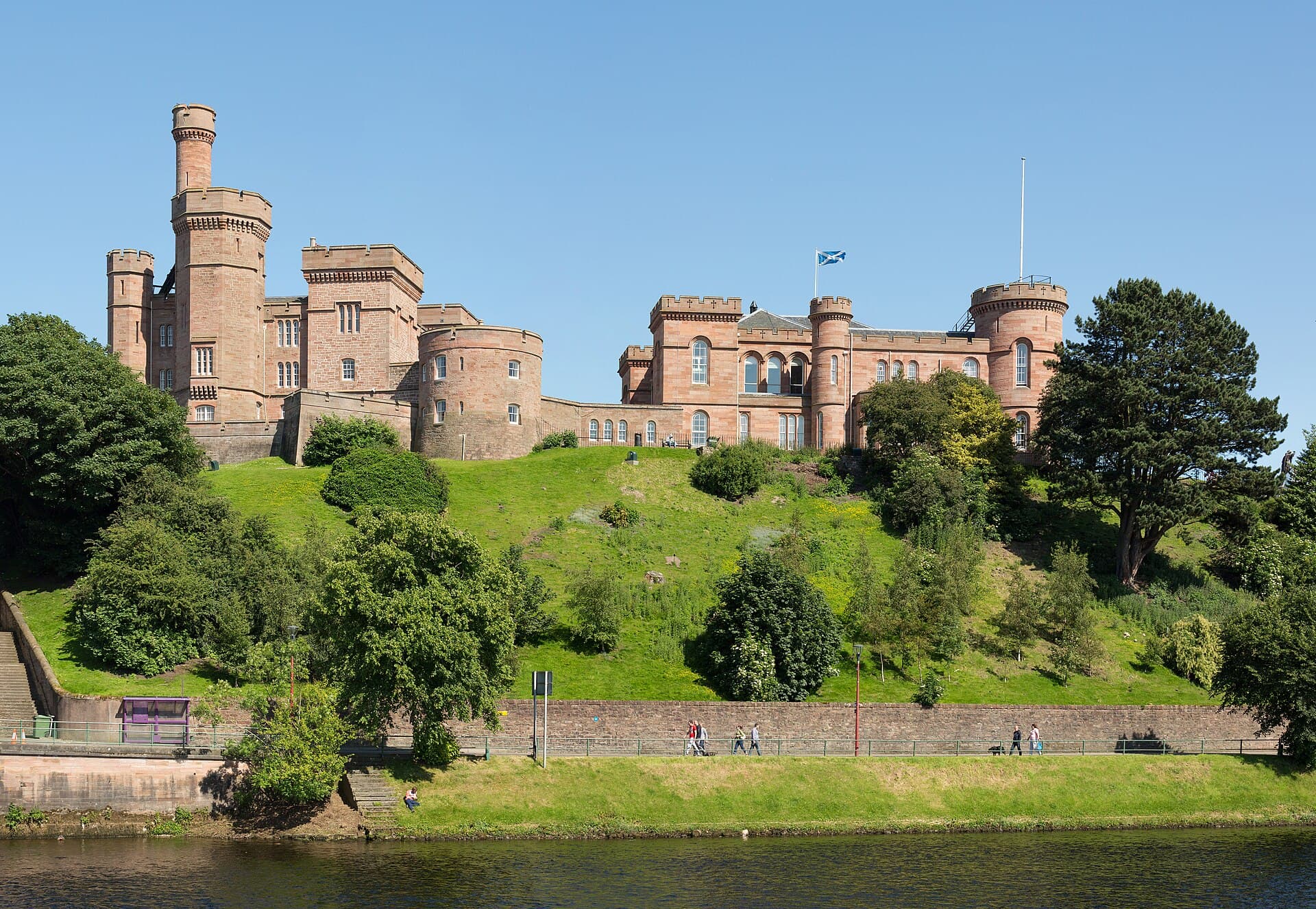 Diliff / CC BY-SA 3.0, via Wikimedia Commons
Selbstgeführte Audio-Walking-Tour durch Inverness — GPS-Route, Offline-Wiedergabe, erzählerische Narration in 32 Sprachen.
“Wo alte Geheimnisse auf schottische Gastfreundschaft am Fluss Ness treffen.”
Nicht die Postkarten. Die Geschichten, die selbst Einheimische nicht kennen – dir ins Ohr geflüstert, genau dort, wo sie geschahen.
Bevor das schwer fassbare Wesen von Loch Ness ein globales Phänomen wurde, wurde eine andere Art von Begegnung viel näher am Herzen der Stadt aufgezeichnet.
Das heutige Schloss ist nicht das erste, nicht einmal das zweite, das an diesem befehlenden Ort stand, und seine Geschichte ist weitaus dramatischer, als seine viktorianische Fassade vermuten lässt.
Diese prähistorischen Grabkammern aus der Bronzezeit in der Nähe von Inverness sind so ausgerichtet, dass sie ein ausgeklügeltes Verständnis des Kosmos offenbaren.
Entdecke jedes Geheimnis von Inverness
Jede Adresse, jede Enthüllung vollständig – in deinem Ohr, genau dort, wo es geschah.
Du wählst deine Stationen. Du gehst. Die Stimme enthüllt, was andere übersehen.


Deine selbstgeführte Audio-Tour durch Inverness ist bereit – wähle deine Sehenswürdigkeiten, deine Sprache und starte, sobald du ankommst.
KaufenLume enthält einen integrierten Augmented-Reality-Guide. Halten Sie Ihr Handy hoch: Die Kamera zeigt die Straße vor Ihnen, mit einem leuchtenden Pfeil über dem echten Bild, der immer auf Ihren nächsten Stopp zeigt — keine Karte zum Rätseln, keine falschen Abzweigungen. Wie alles bei Lume funktioniert es komplett offline.
Inverness, oft als Hauptstadt der Highlands bezeichnet, bietet eine Mischung aus alter Geschichte und moderner schottischer Kultur, wo der Fluss Ness in den Moray Firth mündet. Es ist eine von Wasser geprägte Stadt, eingebettet in den Great Glen, eine geologische Verwerfungslinie, die Schottland durchquert. Die Stadt dient seit über zwei Jahrtausenden als natürliches Zentrum für Kommunikation und Handel in den Highlands.
Obwohl viele Reisende Inverness als Tor zur Erkundung der weiteren Highlands nutzen, lädt die Stadt selbst zum Verweilen ein. Ihr kompaktes, gut begehbares Zentrum bietet Uferwege, historische Architektur und eine einladende Atmosphäre. Vom belebten Victorian Market bis zu den ruhigen Botanischen Gärten bietet Inverness eine Basis für Abenteuer zu ikonischen Orten wie Loch Ness und dem Schlachtfeld von Culloden, während es gleichzeitig seinen eigenen, unverwechselbaren Reiz hat.
Inverness erhielt im Jahr 2000 den offiziellen Stadttitel und feiert seine beständige Vergangenheit und blickt in eine Zukunft als Weltklasse-Reiseziel. Es ist ein Ort, an dem jeder Stein eine Geschichte zu bergen scheint und die anhaltende Widerstandsfähigkeit und kulturelle Kontinuität Schottlands widerspiegelt.
Die Ursprünge von Inverness reichen bis zu den Piktenkönigen zurück, wobei eine Festung auf Craig Phadrig bereits im 4. Jahrhundert als Hauptstadt diente. Um 580 n. Chr. besuchte der Heilige Columba diese Festung, bekehrte König Brude und sein Volk zum Christentum und machte Inverness zu einer Wiege des Christentums in Nordschottland. Archäologische Funde deuten auf eine kontinuierliche Besiedlung im Raum Inverness seit über 8.500 Jahren hin, mit hochentwickelten Siedlungen der Bronze- und Eisenzeit, die den Pikten vorausgingen.
Ein späteres Schloss wurde um 1070 von Malcolm III. auf einem Hügel mit Blick auf den Fluss Ness erbaut, nachdem er Macbeths Schloss auf dem Crown Hill zerstört hatte. Dieser strategische Standort, an dem der Fluss Ness von einer Fähre überquert wurde, ermöglichte ein schnelles Wachstum der Stadt. Bis 1250 überspannte eine Brücke den Fluss und ein Priorat wurde gegründet, was die Position von Inverness als wichtiges kulturelles und Handelszentrum der Highlands festigte.
Das Schloss und die Stadt waren im Laufe der Jahrhunderte zahlreichen Angriffen und Zerstörungen ausgesetzt. Robert the Bruce zerstörte Inverness Castle im Jahr 1307, um dessen Nutzung gegen seine Autorität zu verhindern. Im Jahr 1429 zerstörte Alexander, Lord of the Isles, Inverness weitgehend, um seine Verhaftung zu rächen. Maria Stuart belagerte 1562 sogar drei Tage lang das Schloss, nachdem ihr der Zutritt verweigert worden war.
Oliver Cromwell errichtete 1652 eine Zitadelle, um seine Herrschaft über Nordschottland zu festigen, obwohl diese Struktur später aufgegeben wurde. Der Standort des mittelalterlichen Schlosses wurde 1727 zum ersten Fort George entwickelt, einer Festung, die 400 Soldaten aufnehmen konnte. Dieses Fort George kapitulierte im Februar 1746 vor den Jakobiten, die dann Minen darunter legten, bevor sie im April desselben Jahres in der Schlacht von Culloden besiegt wurden. Die Schlacht von Culloden, die östlich von Inverness stattfand, war die letzte Feldschlacht auf britischem Boden und markierte das Ende des Jakobitenaufstands, was zu einer Periode der Unterdrückung der schottischen Kultur führte.
Das heutige Inverness Castle, ein viktorianisches Gebäude aus rotem Sandstein, stammt aus den 1830er Jahren und wurde als neues Gerichts- und Gefängnisgebäude erbaut. Die Ankunft der Eisenbahnen im Jahr 1855 zementierte den Status von Inverness als Hauptstadt der schottischen Highlands weiter, kurbelte den Handel an und führte zum Bau wichtiger öffentlicher Gebäude.
Beginnen Sie Ihre Erkundung im Inverness Castle Experience, das weite Ausblicke auf die Stadt und den Fluss Ness bietet. Obwohl das heutige Schloss ein Gerichtsgebäude aus dem 19. Jahrhundert ist, birgt sein Standort jahrhundertelange dramatische Geschichte. Spazieren Sie entlang des Flusses Ness selbst und folgen Sie dem Uferweg zu den Ness Islands. Diese ruhigen Mini-Inseln sind durch elegante viktorianische Fußgängerbrücken verbunden und bieten eine friedliche Flucht inmitten der Stadt.
Tauchen Sie ein in die Geschichte und Kultur der Highlands im Inverness Museum and Art Gallery, das Exponate von neolithischen Siedlern bis zu den Pikten, Wikingern und Jakobiten zeigt. Für einen Moment der Ruhe besuchen Sie die Inverness Botanic Gardens, eine kostenlose Oase mit formalen Gärten, Teichen und tropischen Gewächshäusern.
Nur eine kurze Autofahrt von der Stadt entfernt liegt das Schlachtfeld von Culloden, ein bewegender Ort, an dem 1746 der letzte Jakobitenaufstand endete. Ein Besucherzentrum bietet wichtigen Kontext zu diesem entscheidenden Ereignis in der schottischen Geschichte. Erkunden Sie in der Nähe die alten Clava Cairns, einen Friedhof aus der Bronzezeit mit gut erhaltenen Grabkammern und Steinkreisen, die auf den Sonnenuntergang der Wintersonnenwende ausgerichtet sind. Verpassen Sie nicht Leakey's Bookshop, einen großen Antiquariat in einer ehemaligen Kirche, der ein einzigartiges Stöbererlebnis bietet.
Die beste Zeit für einen Besuch in Inverness ist von Mai bis September, wenn die Tage lang und das Wetter im Allgemeinen mild ist. Mai bis Mitte Juni bietet angenehme Bedingungen vor der Hauptsaison und bevor die Midges häufiger auftreten. Juli und August sind die geschäftigsten Monate mit warmen, sonnigen Tagen und bis zu 18 Stunden Tageslicht, ideal für Outdoor-Aktivitäten und Sommerfestivals wie die Inverness Highland Games. Die Übergangszeiten Frühling (April-Mai) und Herbst (September) bieten milderes Wetter, weniger Andrang und niedrigere Unterkunftspreise, mit der zusätzlichen Schönheit der wechselnden Laubfärbung. Die Winter (Oktober-März) sind ruhiger mit kürzeren Tageslichtstunden und kälteren Temperaturen, können aber eine magische, klare Atmosphäre und Möglichkeiten für bessere Hotelangebote bieten. Es ist auch die beste Zeit, um möglicherweise die Nordlichter zu sehen.
Inverness ist gut angebunden per Flugzeug, Bahn und Straße. Der Flughafen Inverness (INV) ist etwa 15 Minuten vom Stadtzentrum entfernt und bietet Direktflüge von mehreren britischen Städten und einige saisonale europäische Verbindungen. Der Bahnhof der Stadt im Herzen von Inverness bietet regelmäßige Verbindungen von Edinburgh, Glasgow und den malerischen Nachtzug Caledonian Sleeper von London. Auf der Straße bietet die A9 eine landschaftlich reizvolle Fahrt von etwa 3 Stunden von Edinburgh durch die Cairngorms.
Die Fortbewegung in Inverness ist einfach, da das Stadtzentrum kompakt und gut begehbar ist. Öffentliche Busse bedienen die Stadt und die umliegenden Gebiete, einschließlich Loch Ness und des Schlachtfelds von Culloden. Für die Erkundung der weiteren Highlands bietet ein Mietwagen Flexibilität, obwohl viele Touren auch vom Stadtzentrum aus starten. Das schottische Wetter kann unvorhersehbar sein, daher ist das Packen von Schichten und wasserdichter Kleidung ratsam, auch im Sommer. Denken Sie daran, dass in Schottland 'Whisky' ohne 'e' geschrieben wird.
Inverness — Koreanisch, Chinesisch, Hebräisch und 29 weitere Sprachen, jede Station von einer muttersprachlichen Stimme erzählt. Die größte Sprachauswahl aller selbstgeführten Audiotouren.
Verfügbar auf: