St. Lawrence Church
Ipswich birgt ein Geheimnis, das durch die Zeitalter hallt, ein Klang, der seit Jahrhunderten widerhallt.
Die ganze Geschichte wird in der Tour freigeschaltet
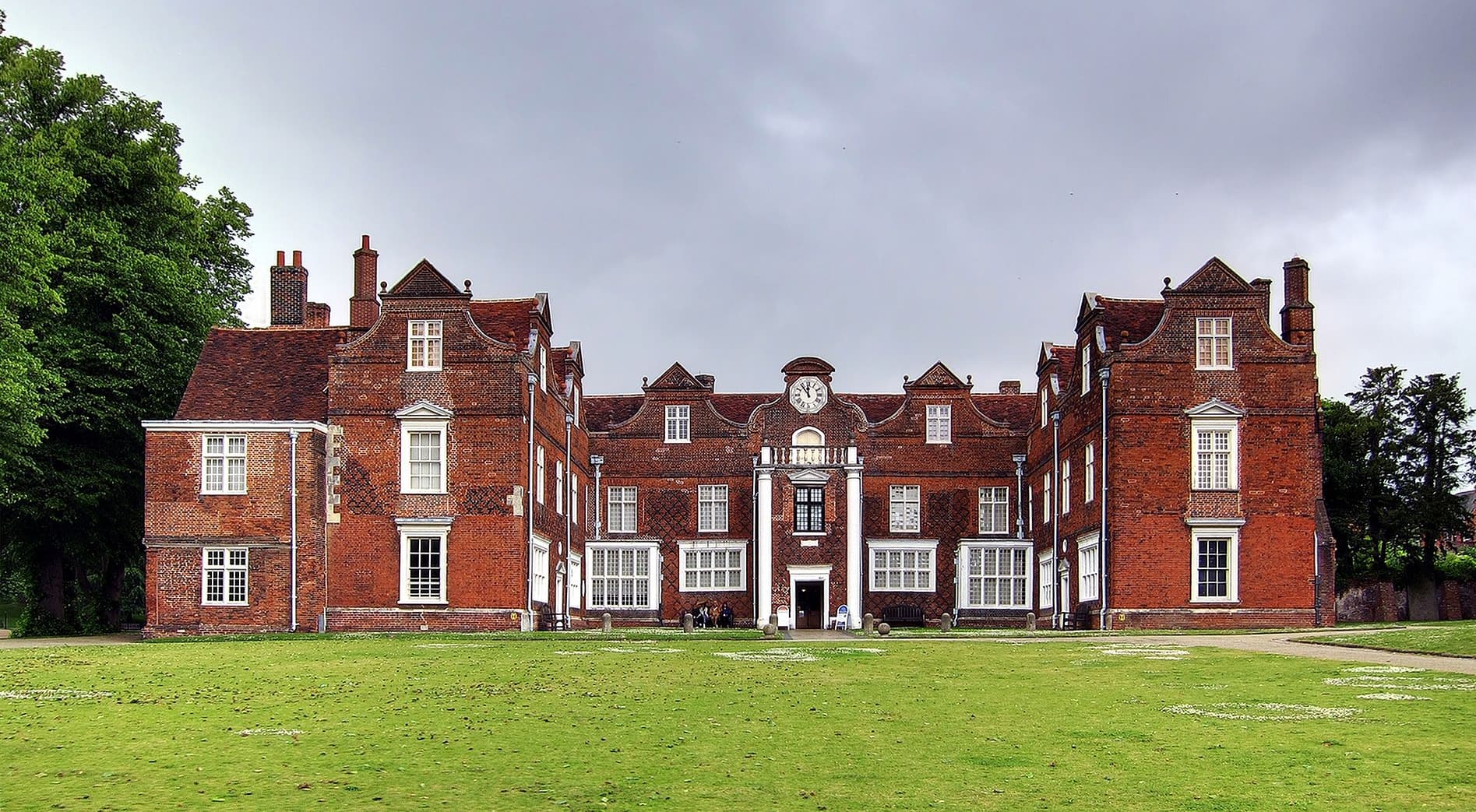 Velvet / CC BY-SA 3.0, via Wikimedia Commons
Selbstgeführte Audio-Walking-Tour durch Ipswich — GPS-Route, Offline-Wiedergabe, erzählerische Narration in 32 Sprachen.
“Wo alte Strömungen durch moderne Alleen fließen.”
Nicht die Postkarten. Die Geschichten, die selbst Einheimische nicht kennen – dir ins Ohr geflüstert, genau dort, wo sie geschahen.
Ipswich birgt ein Geheimnis, das durch die Zeitalter hallt, ein Klang, der seit Jahrhunderten widerhallt.
Selbst literarische Giganten fanden Inspiration in Ipswich, wobei ein gefeierter Autor einen lokalen Gasthof in seinem Werk verewigte.
Nicht alle historischen Wunder von Ipswich scheinen alt zu sein; eines hält einen überraschend modernen Rekord.
Entdecke jedes Geheimnis von Ipswich
Jede Adresse, jede Enthüllung vollständig – in deinem Ohr, genau dort, wo es geschah.
Du wählst deine Stationen. Du gehst. Die Stimme enthüllt, was andere übersehen.


Deine selbstgeführte Audio-Tour durch Ipswich ist bereit – wähle deine Sehenswürdigkeiten, deine Sprache und starte, sobald du ankommst.
KaufenLume enthält einen integrierten Augmented-Reality-Guide. Halten Sie Ihr Handy hoch: Die Kamera zeigt die Straße vor Ihnen, mit einem leuchtenden Pfeil über dem echten Bild, der immer auf Ihren nächsten Stopp zeigt — keine Karte zum Rätseln, keine falschen Abzweigungen. Wie alles bei Lume funktioniert es komplett offline.
Ipswich, eine Hafenstadt in Suffolk, England, bietet eine überzeugende Mischung aus tiefgreifender Geschichte und zeitgenössischem Leben. An den Fluss Orwell gelegen, etwa 12 Meilen von der Nordsee entfernt, dient sie seit über 1.400 Jahren als bedeutendes Zentrum für Handel und Kultur. Als eine der am längsten durchgehend besiedelten Siedlungen Englands besitzt Ipswich einen ausgeprägten Charakter, der von angelsächsischen Anfängen, Wikingereinfällen und jahrhundertelangem Seehandel geprägt ist. Heute machen die wiederbelebte Waterfront, das ehrwürdige Stadtzentrum und die vielfältige Kulturlandschaft sie zu einem reizvollen Reiseziel für alle, die Schichten der Vergangenheit aufdecken und gleichzeitig zeitgenössischen Komfort genießen möchten.
Der Stadtplan spiegelt noch immer die frühe Geschichte wider, mit mittelalterlichen Straßen und alten Docks, die auf ihre frühere Bedeutung hinweisen. Ipswich ist mehr als ein Aufbewahrungsort historischer Aufzeichnungen; es ist eine lebendige Stadt mit einer blühenden Gemeinschaft, unabhängigen Geschäften und einem wachsenden Ruf für ihr kulinarisches Angebot. Von ihrer beeindruckenden Anzahl denkmalgeschützter Gebäude bis hin zu ihren Grünflächen und Kulturstätten lädt Ipswich zur Erkundung und Entdeckung ein.
Die Geschichte Ipswchs beginnt im 7. Jahrhundert als bescheidene Handelsiedlung namens Gippeswyc, was sie zu einer der ältesten Städte Englands macht. Ihre strategische Lage an der Flussmündung des Orwell erleichterte frühe globale Handelsverbindungen, insbesondere mit friesischen Töpfern aus den Niederlanden, die die ersten groß angelegten Töpfereien in England seit der Römerzeit gründeten. Diese Waren wurden in ganz England ausgiebig gehandelt, und die Keramikindustrie blieb 200 Jahre lang einzigartig für Ipswich.
Der Wohlstand der Stadt machte sie jedoch auch zu einem Ziel. Im Jahr 869 n. Chr. wurde Ipswich von den Wikingern erobert, die es bis 917 n. Chr. besetzten. Nach der Rückgewinnung der Kontrolle florierte Ipswich weiter, hauptsächlich aufgrund der Wollproduktion und des Handels ab dem 13. Jahrhundert. König Johann verlieh Ipswich im Jahr 1200 seine erste Charta und festigte damit seine Bedeutung.
Die Tudorzeit erlebte die Geburt einer der berühmtesten Persönlichkeiten Ipswchs, Kardinal Thomas Wolsey, im Jahr 1475. Er stieg zum mächtigen Vertrauten von König Heinrich VIII. auf und gründete in seiner Heimatstadt ein Kolleg, von dem Wolseys Tor der einzig verbliebene Teil dieser Institution ist. Ipswich wurde auch zwischen 1611 und 1634 zu einem bedeutenden Auswanderungszentrum nach Neuengland, insbesondere für Puritaner.
Das 19. Jahrhundert brachte erneute Expansion, als Leichtmaschinenbauunternehmen sich in der Stadt niederließen. Der Ipswich Dock, der in dieser Ära gebaut wurde, festigte seine Rolle als florierendes Handelszentrum weiter. Während beider Weltkriege erlebte Ipswich deutsche Bombenangriffe, wobei die Docks im Zweiten Weltkrieg erhebliche Schäden erlitten.
Das 21. Jahrhundert hat eine bedeutende Revitalisierung der Ipswich Waterfront gesehen, die sie in ein lebendiges Viertel mit Bars, Restaurants und Cafés verwandelt hat. Die Gründung der University of Suffolk hat ebenfalls zur modernen Entwicklung des Gebiets beigetragen. Ipswich dient weiterhin als Kreisstadt von Suffolk und verbindet seine tiefen historischen Wurzeln mit einer zeitgenössischen Kulturlandschaft.
Beginnen Sie Ihre Reise an der Ipswich Waterfront, einem lebhaften Viertel, in dem historische Dockgebäude heute unabhängige Bars, Bistros und Cafés beherbergen. Sie können entlang des Yachthafens spazieren, Luxusyachten beobachten oder eine Bootsfahrt auf dem Fluss Orwell unternehmen. Das Old Custom House zeugt von Ipswchs kaufmännischer Vergangenheit.
Für eine Zeitreise besuchen Sie das Christchurch Mansion, ein Tudorhaus aus dem 16. Jahrhundert im Christchurch Park. Das Herrenhaus bietet Einblicke in verschiedene historische Epochen und beherbergt eine bemerkenswerte Sammlung von Gemälden von Thomas Gainsborough und John Constable, die größte außerhalb Londons. Der Christchurch Park selbst ist eine grüne Oase, perfekt für gemütliche Spaziergänge.
Das Ipswich Museum bietet Einblicke in 70 Millionen Jahre Lokalgeschichte, mit Exponaten von römischen Artefakten bis hin zu einem Wollhaarmammutskelett namens 'Wool-I-Am'. Das Ipswich Transport Museum zeigt über 100 historische Transport- und Ingenieursobjekte, die in der Region hergestellt oder genutzt wurden. Verpassen Sie nicht das Ancient House am Buttermarket, ein Fachwerkhaus aus dem 15. Jahrhundert, das mit markantem dekorativem Putz aus dem 17. Jahrhundert, bekannt als Pargeting, verziert ist.
Für darstellende Künste bietet das Regent Theatre, das größte Theater Ostangliens, ein abwechslungsreiches Programm, während das New Wolsey Theatre Originalstücke und Musicals aufführt.
Die angenehmste Zeit für Aktivitäten bei warmem Wetter in Ipswich erstreckt sich von Ende Juni bis Anfang September. Juli ist typischerweise der wärmste Monat mit durchschnittlichen Höchsttemperaturen um 22°C. Die Sommer sind im Allgemeinen angenehm und teilweise bewölkt, obwohl es ratsam ist, einen Regenschirm oder eine leichte Jacke für kühlere Abende oder gelegentlichen Regen mitzunehmen. Für diejenigen, die größere Menschenmengen meiden möchten, empfiehlt sich ein Besuch im Herbst oder Winter, der atmosphärische Himmel und gemütliche Pub-Erlebnisse bietet.
Ipswich ist gut angebunden und einfach zu navigieren. Wenn Sie mit dem Zug anreisen, fahren regelmäßig Züge von London Liverpool Street, die etwas mehr als eine Stunde dauern. Große Straßen wie die A12 und A14 führen ebenfalls in der Nähe vorbei, was die Anreise mit dem Auto erleichtert, obwohl das Fahren im Stadtzentrum aufgrund von Verkehr und Einbahnstraßen kompliziert sein kann. Das Stadtzentrum ist gut zu Fuß erkundbar und eignet sich daher ideal für Erkundungen zu Fuß. Lokale Busse bieten Transport zu verschiedenen Teilen der Stadt und umliegenden Gebieten, und ein kostenloser Rundservice, die #38, verkehrt im Stadtzentrum.
Die Unterkunftsoptionen reichen von Hotels bis zu Ferienhäusern. Zum Essen bietet die Waterfront-Gegend eine Auswahl an Restaurants mit Blick auf den Yachthafen, während das Stadtzentrum historische Pubs und vielfältige Restaurants bietet. Der Ipswich Market, der viermal pro Woche geöffnet ist, bietet frische Produkte und lokale Waren.
Ipswich — Koreanisch, Chinesisch, Hebräisch und 29 weitere Sprachen, jede Station von einer muttersprachlichen Stimme erzählt. Die größte Sprachauswahl aller selbstgeführten Audiotouren.
Verfügbar auf: