Die Rote Lagune (Laguna Roja)
Jenseits von Iquique, in der Atacama-Wüste, gibt es einen See, der so leuchtend rot ist, dass er wie etwas aus einer anderen Welt aussieht.
Die ganze Geschichte wird in der Tour freigeschaltet
 Pietroluciano / CC BY-SA 4.0, via Wikimedia Commons
Selbstgeführte Audio-Walking-Tour durch Iquique — GPS-Route, Offline-Wiedergabe, erzählerische Narration in 32 Sprachen.
“Wo die Atacama-Wüste auf den Pazifik trifft, eine Stadt der Salpeter-Träume und Meeresbrisen.”
Nicht die Postkarten. Die Geschichten, die selbst Einheimische nicht kennen – dir ins Ohr geflüstert, genau dort, wo sie geschahen.
Jenseits von Iquique, in der Atacama-Wüste, gibt es einen See, der so leuchtend rot ist, dass er wie etwas aus einer anderen Welt aussieht.
Viele der prächtigen Villen aus dem 19. Jahrhundert in Iquique, die während des Salpeterbooms erbaut wurden, haben ein überraschendes architektonisches Geheimnis.
Iquique beherbergt ein Naturphänomen, das ein einzigartiges Wüstenerlebnis direkt innerhalb der Stadtgrenzen bietet.
Entdecke jedes Geheimnis von Iquique
Jede Adresse, jede Enthüllung vollständig – in deinem Ohr, genau dort, wo es geschah.
Du wählst deine Stationen. Du gehst. Die Stimme enthüllt, was andere übersehen.


Deine selbstgeführte Audio-Tour durch Iquique ist bereit – wähle deine Sehenswürdigkeiten, deine Sprache und starte, sobald du ankommst.
KaufenLume enthält einen integrierten Augmented-Reality-Guide. Halten Sie Ihr Handy hoch: Die Kamera zeigt die Straße vor Ihnen, mit einem leuchtenden Pfeil über dem echten Bild, der immer auf Ihren nächsten Stopp zeigt — keine Karte zum Rätseln, keine falschen Abzweigungen. Wie alles bei Lume funktioniert es komplett offline.
Iquique, eine faszinierende Küstenstadt im Norden Chiles, blüht dort, wo die trockenste Wüste der Welt, die Atacama, auf den riesigen Pazifischen Ozean trifft. Bekannt als die Hauptstadt der Region Tarapacá, bedeutet ihr Name 'Iki Iki' poetisch aus der indigenen Aymara-Sprache übersetzt 'Ort der Träume' oder 'Ort der Ruhe'. Diese dynamische Hafenstadt mit rund 200.000 Einwohnern bietet eine unverwechselbare Mischung aus historischer Faszination, modernem Komfort und natürlicher Pracht.
Einst ein wichtiger Knotenpunkt für den Salpeterbergbau, hat sich Iquique zu einem beliebten Urlaubsort entwickelt, der für seine einladenden Strände, zollfreien Einkaufsmöglichkeiten und seine entspannte Atmosphäre gefeiert wird. Die einzigartige geografische Lage der Stadt, eingebettet zwischen hoch aufragenden Sandbergen und dem Ozean, schafft eine beeindruckende Landschaft, die sie von anderen chilenischen Städten unterscheidet. Ob Sie von ihrer historischen Tiefe, dem Nervenkitzel von Abenteuern im Freien oder einfach vom Reiz ihres warmen Klimas und ihres Küstencharms angezogen werden, Iquique bietet ein unvergessliches Erlebnis.
## Von indigenen Wurzeln zu einem kolonialen Außenposten Die Geschichte Iquiques reicht bis in die Antike zurück, lange vor der Ankunft der Europäer. Die trockenen Küstengebiete wurden ursprünglich vom Volk der Chango bewohnt, nomadischen Fischern und Meeressammlern, die Boote aus Seelöwenhäuten herstellten. Während der Kolonialzeit blieb Iquique ein bescheidenes Fischerdorf und diente auch als Standort für den Guanoabbau.
## Der Salpeterboom und territoriale Streitigkeiten Das 19. Jahrhundert brachte einen dramatischen Wandel mit der weltweiten Nachfrage nach Nitraten oder Salpeter. Die Atacama-Wüste enthielt riesige Vorkommen, die Iquique zum wichtigsten maritimen Tor für den Export dieses "weißen Goldes" machten. Dieser Wirtschaftsboom führte zu explosivem Wachstum und zog Einwanderer aus aller Welt an, was zu einem multikulturellen Umfeld beitrug. Die strategische Lage der Stadt und ihre wertvollen Mineralressourcen machten sie zu einem umstrittenen Gebiet, das zunächst unter peruanischer, dann unter bolivianischer und schließlich unter chilenischer Verwaltung stand.
## Der Salpeterkrieg und die chilenische Souveränität Der Salpeterkrieg (1879-1883) war eine entscheidende Periode. Die Seeschlacht von Iquique, ein Schlüsselereignis, fand am 21. Mai 1879 in der Bucht der Stadt statt. Obwohl das Korvettenschiff des chilenischen Kommandanten Arturo Prat, die Esmeralda, sank, wurde sein heldenhafter Tod zu einem Symbol des chilenischen Patriotismus. Chilenische Truppen besetzten Iquique im November 1879, und die Stadt wurde mit dem Vertrag von Ancón 1883 offiziell Teil Chiles.
## Niedergang und Wiedergeburt in der Moderne Die Salpeterindustrie begann nach dem Ersten Weltkrieg mit der Erfindung synthetischer Nitratdünger zu sinken und wurde durch die Weltwirtschaftskrise von 1930 weiter beeinträchtigt. Dies führte zu einer Stagnationsperiode für Iquique. Die Stadt hat sich jedoch seitdem neu erfunden und ist neben Punta Arenas einer der beiden Freihafen Chiles, was zu erheblicher kommerzieller Aktivität und städtischer Entwicklung geführt hat. Heute ist Iquique bekannt für seine einzigartige Mischung aus historischer Architektur, insbesondere den eleganten Holzvillen im historischen Zentrum, und seiner modernen Identität als Strandresort und Abenteuerziel.
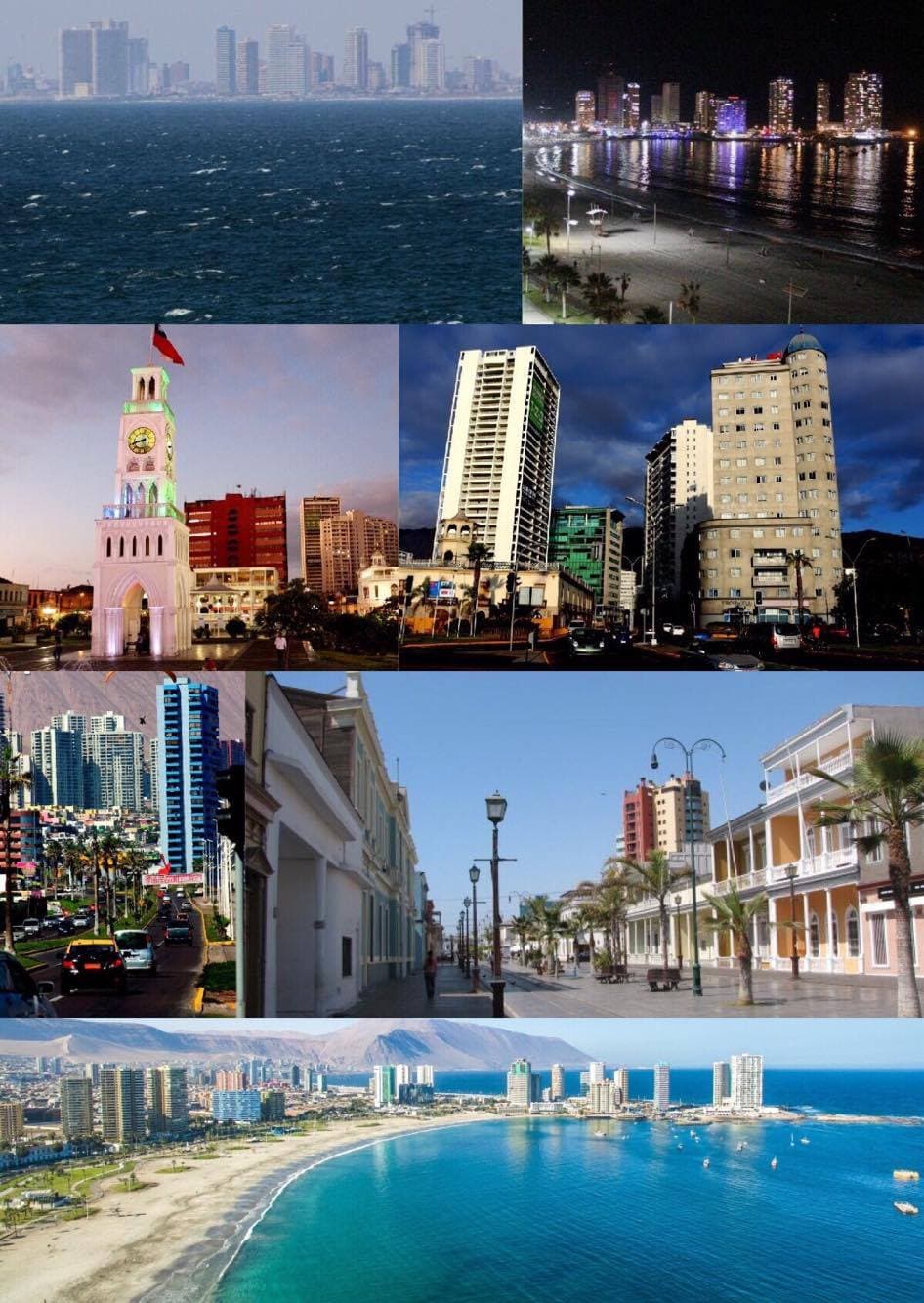
Beginnen Sie Ihre Erkundung auf der Plaza Prat, einem lebhaften zentralen Platz, der oft voller Aktivität ist. Hier finden Sie das beeindruckende Municipal Theatre, ein Symbol für den Reichtum der Stadt aus der Salpeterzeit, und den markanten Clock Tower. Nur einen kurzen Spaziergang entfernt bietet das Palacio Astoreca Cultural Center einen Einblick in die Vergangenheit Iquiques.
Kein Besuch in Iquique ist vollständig, ohne seine Strände zu erleben. Playa Cavancha ist die touristische Postkarte der Stadt mit hellen Sandstränden, ruhigem Wasser und einer lebhaften Promenade, gesäumt von Hotels und Restaurants. Es ist ideal zum Schwimmen, Surfen und Bodyboarden. Für ein einzigartiges Wüstenerlebnis begeben Sie sich zum Cerro Dragón, der größten städtischen Sanddüne der Welt, perfekt zum Sandboarden und mit weitem Blick über die Stadt und das Meer.
Tauchen Sie ein in die industrielle Vergangenheit Iquiques mit einem Besuch der Salpeterwerke Humberstone und Santa Laura, einem UNESCO-Weltkulturerbe etwa 45 km östlich der Stadt. Diese gut erhaltenen "Geisterstädte" bieten einen faszinierenden Einblick in das Leben der Nitratbergleute. Für Marinegeschichte erkunden Sie das Corbeta Esmeralda Museum, eine originalgetreue Nachbildung des Kriegsschiffes, das 1879 in der Schlacht von Iquique sank. Verpassen Sie nicht die ZOFRI (Iquique Free Trade Zone), ein riesiges zollfreies Einkaufszentrum.
Weiter entfernt entdecken Sie die alten Pintados Geoglyphen, eine Sammlung von rund 450 prähistorischen Figuren, die in die Hänge der Pampa del Tamarugal geritzt sind und einen Einblick in präkolumbianische Kulturen bieten. Für ein wirklich außerweltliches Erlebnis sollten Sie einen Ausflug zur abgelegenen Laguna Roja in Betracht ziehen, die für ihr auffallend purpurrotes Wasser bekannt ist.
Iquique bietet das ganze Jahr über ein angenehmes Klima und ist somit zu jeder Jahreszeit ein attraktives Reiseziel. Die wärmste und sonnigste Zeit, ideal für Strandaktivitäten und Wassersport, ist während der Sommermonate von Dezember bis März mit Durchschnittstemperaturen von etwa 22-26°C. Das Meer ist warm genug zum Schwimmen, besonders von Januar bis März. Während der Winter (Juni bis September) kühlere Temperaturen, oft um 15-19°C, und mehr bewölkte Himmel und Nebel bringt, ist Regen selten, da Iquique eine der trockensten Städte der Welt ist. Für allgemeine Outdoor-Aktivitäten werden auch die Zeit von Ende Februar bis Anfang Juni und Ende August bis Anfang Januar empfohlen.
Iquique wird vom Diego Aracena International Airport (IQQ) angeflogen, der etwa 45 km südlich der Stadt liegt. Er empfängt Direktflüge hauptsächlich aus Santiago, eine Reise von etwa 2 Stunden, und hat auch internationale Verbindungen nach Bolivien. Taxis und Transferdienste sind vom Flughafen zum Stadtzentrum verfügbar und dauern etwa 40-50 Minuten.
Die offizielle Währung ist der Chilenische Peso (CLP) mit Banknoten in Stückelungen von 1.000, 2.000, 5.000, 10.000 und 20.000 sowie Münzen von 10, 50, 100 und 500 Pesos. Kreditkarten werden weitgehend akzeptiert, aber es ist ratsam, kleinere Scheine für Einkäufe außerhalb der größeren Städte mitzuführen. Es wird generell empfohlen, sich bei der Verwendung von Geldautomaten in chilenischen Pesos auszahlen zu lassen, um ungünstige Wechselkurse zu vermeiden.
Iquique gilt als relativ sichere Stadt, insbesondere in den Küstenwohngebieten wie Cavancha und beliebten Touristengebieten wie der Plaza Prat und dem Paseo Baquedano. Wie in jeder städtischen Gegend kann es jedoch in belebten Einkaufszentren und rund um ZOFRI zu Taschendiebstählen kommen. Daher ist es ratsam, die üblichen Vorsichtsmaßnahmen für Großstädte zu treffen. Straßenkriminalität und Raubüberfälle wurden in einigen Gebieten gemeldet, insbesondere nach 22 Uhr in bestimmten Straßen wie Thompson, Mercado und Amunategui sowie hinter ZOFRI. Es ist immer am besten, Wertsachen außer Sichtweite zu halten und sich Ihrer Umgebung bewusst zu sein, besonders nachts.
Iquique — Koreanisch, Chinesisch, Hebräisch und 29 weitere Sprachen, jede Station von einer muttersprachlichen Stimme erzählt. Die größte Sprachauswahl aller selbstgeführten Audiotouren.
Verfügbar auf: