Fumarole Beach
On this unique shore, locals prepare their meals directly within the sand, a practice born of the island's fiery heart.
Full story unlocks in the tour
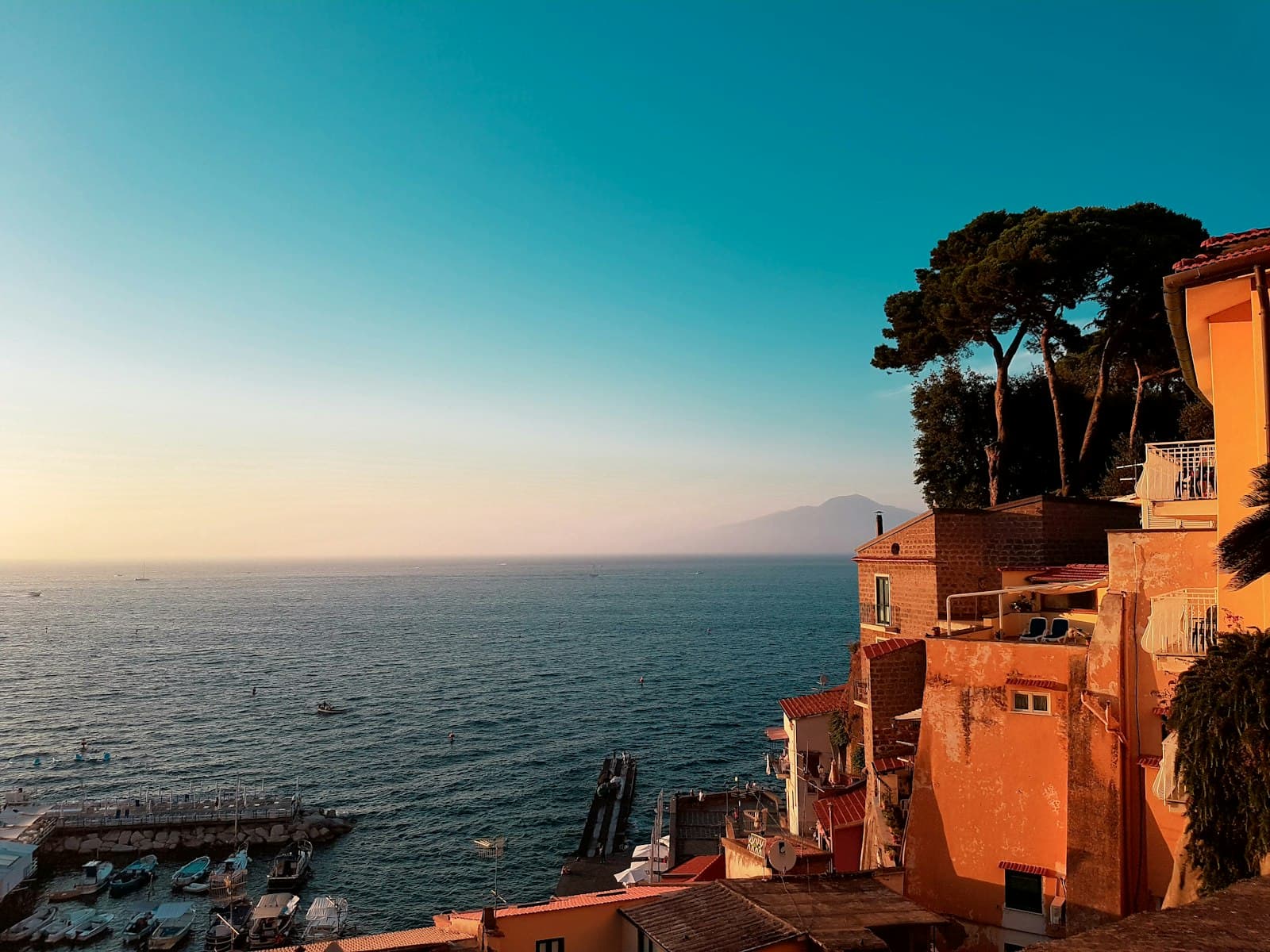 Photo: Damiano Baschiera / Unsplash
Self-guided audio walking tour of Ischia — GPS route, offline playback, story-driven narration in 32 languages.
“Where the earth's deep warmth rises to meet the sea's embrace.”
Not the postcards. The stories even locals don't know — whispered in your ear, right where they happened.
On this unique shore, locals prepare their meals directly within the sand, a practice born of the island's fiery heart.
The town's celebrated mushroom-shaped rock is not a crafted sculpture, but a testament to nature's patient artistry.
This acclaimed thermal park holds an unexpected connection to a forward-thinking German mind.
Discover every secret of Ischia
Every address, every reveal in full — in your ear, right where it happened.
You pick your stops. You walk. The voice reveals what the others miss.

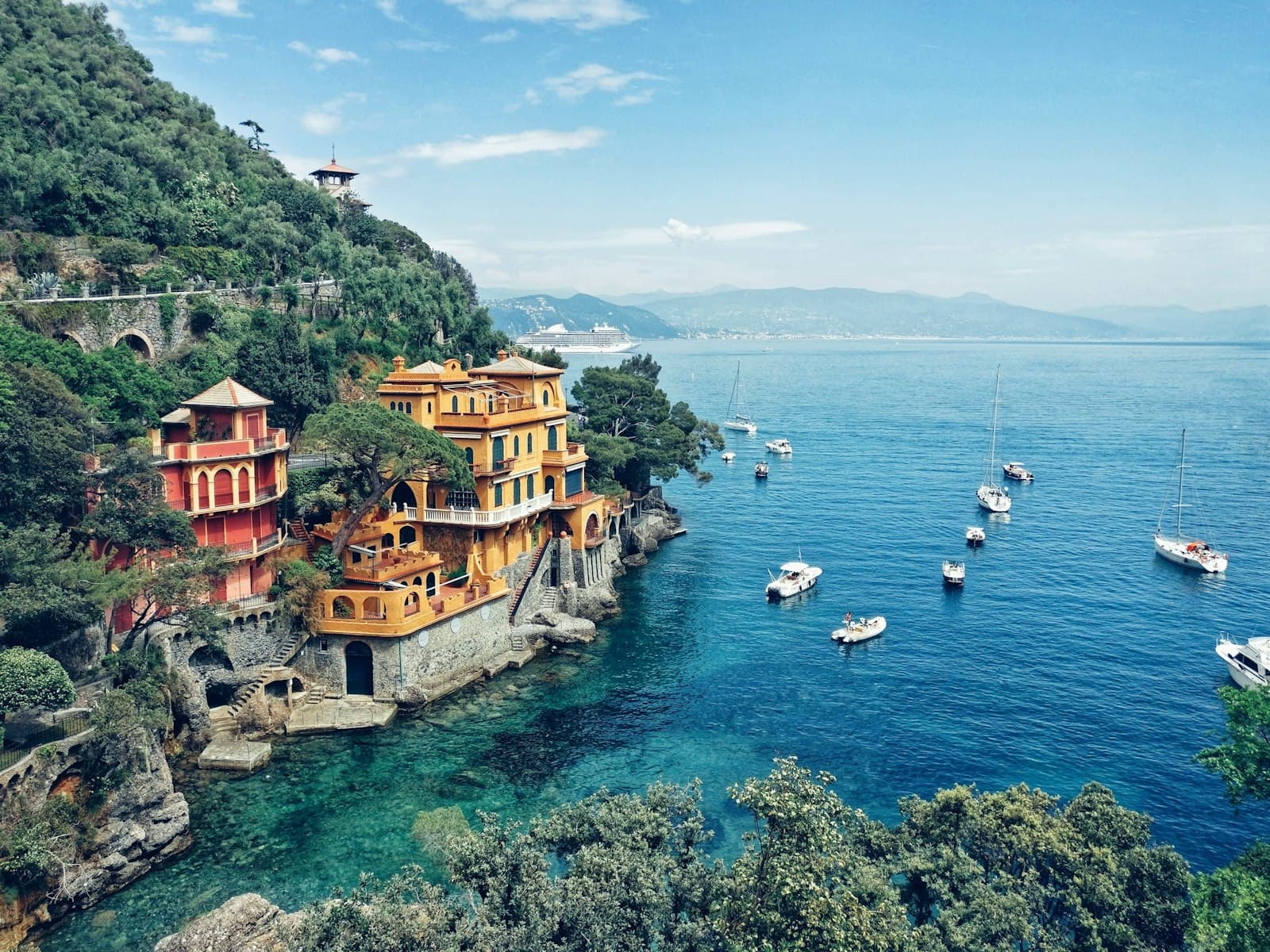

Your self-guided audio tour of Ischia is ready — pick your landmarks, choose your language, and start the moment you arrive.
BuyLume has a built-in augmented-reality guide. Hold your phone up and its camera shows the street ahead of you, with a glowing arrow laid over the real view that always points to your next stop — no map to puzzle over, no wrong turns. Like everything in Lume, it works fully offline.
Ischia, the largest of the Phlegraean Islands in the Gulf of Naples, is a volcanic island renowned for its abundant thermal springs, lush landscapes, and authentic Italian character. Unlike its more glamorous neighbor Capri, Ischia provides a more relaxed and accessible experience, favored by Italian visitors seeking tranquility and genuine island life. Its varied terrain encompasses sandy shores and rocky coves, culminating in the imposing Mount Epomeo, the island's highest elevation at 788 meters.
Beyond its natural allure, Ischia is a place layered with history, tracing back to ancient Greek settlements, and a lively culture that embraces both its agricultural heritage and its role as a haven for wellbeing. The island is dotted with appealing towns, each possessing its own distinct atmosphere, from the lively Ischia Porto to the calm, car-free village of Sant'Angelo. Visitors can explore medieval fortifications, wander through botanical grounds, savor fresh seafood and local wines, or simply unwind in the island's celebrated therapeutic waters.
## Ancient Origins and Greek Influence Ischia's story begins in the Bronze Age, but its documented history truly takes root around 770 BC when Greek colonizers from Euboea established Pithecusae, considered the first Greek colony in the Western Mediterranean. The Euboeans utilized the island for trade with the Etruscans on the Italian mainland. Archaeological excavations have unearthed artifacts like "Nestor's Cup," a clay cup inscribed with one of the oldest examples of Greek writing, attesting to the island's ancient poetic and cultural connections.
## Roman Rule and Medieval Turmoil After a period of Greek influence, Ischia came under Roman control. In 82 BC, after a civil war, Silla forced Naples to surrender the island to Rome, placing it under the direct jurisdiction of the Roman senate. The island later became a refuge for figures like Mario during his escape to Africa, with a cave on Monte di Vico still bearing his name. The centuries that followed were marked by frequent invasions and shifts in power, with the island falling under the control of various dynasties, including the Suebi, Angevins, and Aragonese. The Aragonese period saw significant fortification, most notably the construction of the bridge linking Castello Aragonese to the rest of the island by Alfonso V of Aragon in 1438.
## Earthquakes and Modern Development Ischia has a history of seismic activity due to its volcanic nature. A particularly devastating earthquake in 1883 destroyed the villages of Casamicciola Terme and Lacco Ameno, claiming over 2,300 lives. The phrase "It happened Casamicciola" even entered the Italian language as a synonym for disaster. Despite these challenges, Ischia evolved into a popular travel destination for European nobility in the 19th century and later became an artist colony in the early 20th century, attracting writers and painters from around the world. In the mid-20th century, Ischia gained international recognition when it served as a filming location for "Cleopatra" in 1960, drawing film stars like Elizabeth Taylor and Richard Burton, who famously began their affair on the island. This period marked a significant shift towards tourism, which continues to be a primary industry for the island.
Ischia offers a variety of experiences, from historic landmarks to restorative thermal parks. The iconic Castello Aragonese, a medieval fortress on a rocky islet connected by a stone bridge to Ischia Ponte, invites exploration for its history and expansive views. Wander through its convents, churches, gardens, and even a Bourbon prison.
For deep relaxation, the island's many thermal parks are a primary draw. Giardini Poseidon Terme stands as the largest, featuring over 20 pools with varying temperatures, a natural sauna carved into a grotto, and a private beach in the Bay of Citara. Other notable thermal parks include Negombo in San Montano Bay. For a more rustic encounter, the natural hot springs at Baia di Sorgeto allow visitors to immerse themselves in warm sea pools created by underwater volcanic activity, accessible throughout the year.
Nature enthusiasts can explore the Giardini La Mortella, a subtropical and Mediterranean garden cultivated by Susana Walton, wife of British composer Sir William Walton. The garden showcases exotic plants, water features, and expansive sea views. For active travelers, hiking Mount Epomeo, the island's highest elevation, provides sweeping vistas of the Gulf of Naples and beyond. Appealing villages like Sant'Angelo, a car-free fishing village with colorful dwellings, and Forio, recognized for its historic center and the Chiesa del Soccorso, offer picturesque settings for strolling and enjoying local life.
The ideal time to visit Ischia is during the shoulder seasons of May, early June, September, and early October. In these months, the weather is gentle with pleasant temperatures, the sea is warm enough for swimming, and the island experiences fewer crowds than the peak summer months of July and August. Thermal parks are fully operational, and hotel prices are generally more favorable. July and August are the warmest and busiest months, with higher prices and crowded beaches and attractions. While winter provides a quieter escape, many hotels and restaurants may close.
Reaching Ischia is straightforward, typically involving a ferry or hydrofoil from Naples. Hydrofoils offer a faster journey, taking around 50-60 minutes, while car ferries take about 90 minutes and provide a smoother ride, recommended for those prone to motion sickness. Tickets can be purchased at the port or online, with advance booking advisable during high season. Once on the island, public buses offer an economical way to travel, connecting various towns and attractions. Taxis are also available, though they can be costly. Renting a scooter provides an enjoyable way to explore at your own pace, but be mindful of narrow, winding roads and limited parking. Ischia is generally less expensive and crowded than Capri, providing a more authentic Italian island experience.
Ischia in Korean, in Chinese or in Hebrew — and 29 more languages, every stop narrated by a native voice. The widest language range of any self-guided audio tour.
Available in: