Durward Street (formerly Buck's Row)
The street where Mary Ann Nichols was found had its name changed shortly after the murder.
Full story unlocks in the tour
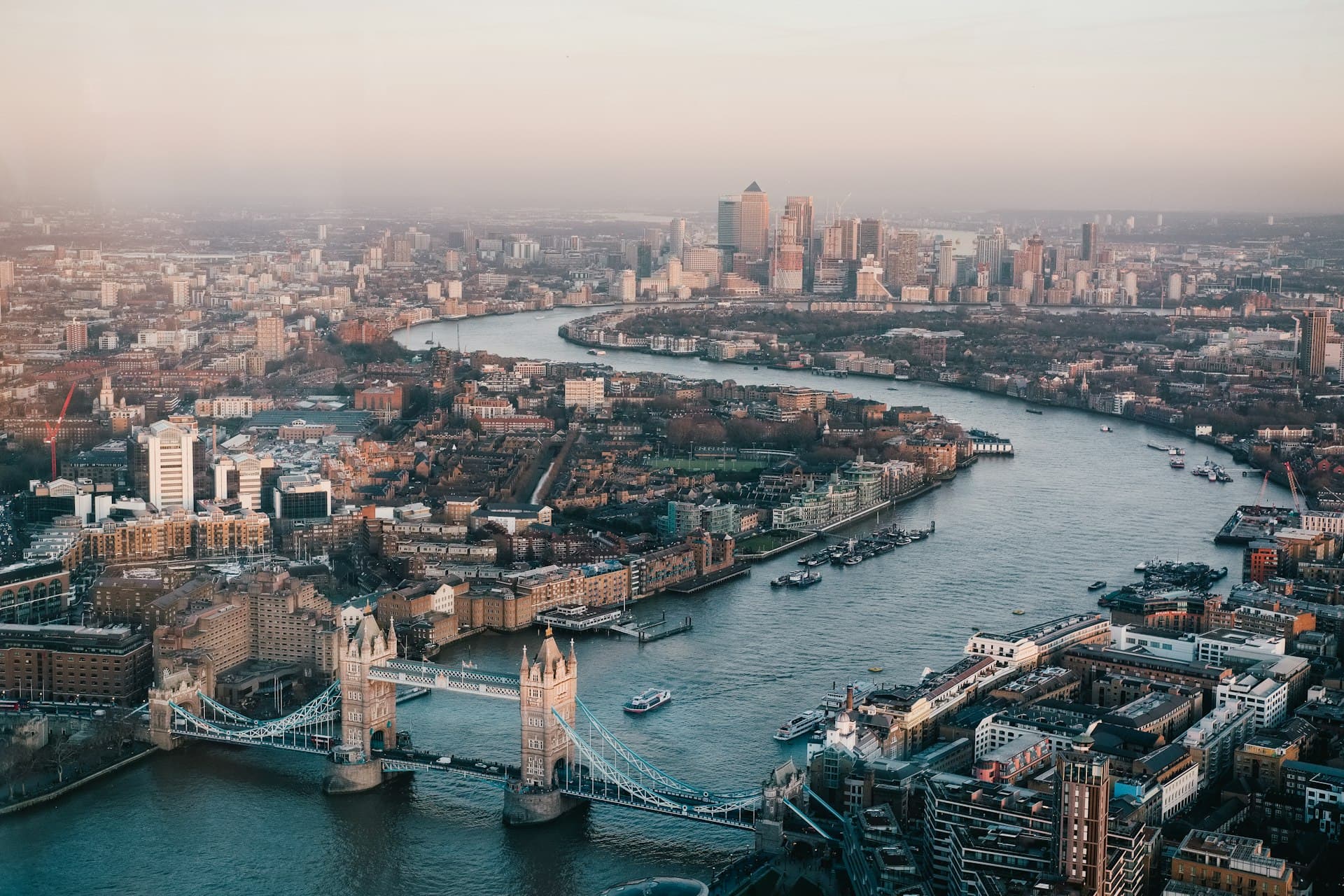 Photo: Benjamin Davies / Unsplash
Self-guided audio walking tour of Jack the Ripper's Whitechapel — GPS route, offline playback, story-driven narration in 32 languages.
“Walk the gaslit streets where London's most infamous mystery unfolded.”
Not the postcards. The stories even locals don't know — whispered in your ear, right where they happened.
The street where Mary Ann Nichols was found had its name changed shortly after the murder.
The backyard where Annie Chapman's body was discovered was once part of a bustling brewery site.
This square, the scene of Catherine Eddowes' murder, sits on the grounds of a much older, significant London institution.
Discover every secret of Jack the Ripper's Whitechapel
Every address, every reveal in full — in your ear, right where it happened.
You pick your stops. You walk. The voice reveals what the others miss.
Your self-guided audio tour of Jack the Ripper's Whitechapel is ready — pick your landmarks, choose your language, and start the moment you arrive.
BuyStep into the haunting autumn of 1888, where the cobbled lanes and dimly lit passages of Whitechapel became the stage for a series of brutal murders that gripped London and baffled the world. This self-guided audio walk invites you to explore the real streets and surviving Victorian architecture that witnessed the terror of Jack the Ripper. Beyond the sensationalism, we delve into the lives of the victims, the social conditions of East London, and the enduring mystery that continues to fascinate and confound. This is a journey into history, focusing on the factual context and the atmosphere of a bygone era, rather than graphic details.
Whitechapel in 1888 was a district marked by extreme poverty, overcrowding, and a transient population. Common lodging houses, where a bed could be rented for a few pennies, were a reality for many, including the Ripper's victims. The area was known for its crime, violence, and widespread prostitution, creating a challenging and often desperate existence for its residents. This walk offers a sober exploration of these historical realities, allowing you to connect with the past through the very streets where these events unfolded.
In the late Victorian era, Whitechapel was considered one of London's most notorious criminal areas. Social researcher Charles Booth's maps of London in the 1880s depicted much of Whitechapel in black and dark blue, indicating 'very poor' and 'semi-criminal' populations. Streets like Flower and Dean Street were described by police as 'perhaps the foulest and most dangerous street in the whole metropolis,' while Dorset Street, where Mary Jane Kelly lived, earned the grim title of 'the worst street in London.'
The district was characterized by extreme poverty, substandard housing, poor sanitation, homelessness, and widespread drunkenness. Common lodging houses provided cheap communal lodgings, with approximately 8,500 people residing in Whitechapel's 233 lodging houses nightly. These establishments offered a bed for fourpence, or even a 'lean-to' rope to sleep on for two pence. Prostitution was rampant, with many impoverished women turning to it as a primary source of income. Life for women in Whitechapel was particularly harsh, with limited work opportunities and a high risk of disease and early death.
The Jack the Ripper murders, occurring in the autumn of 1888, brought international attention to these dire conditions. The killer's ability to evade capture, despite extensive enquiries, highlighted the challenges faced by law enforcement in such a densely populated and impoverished area. The enduring mystery continues to captivate, offering a window into a dark chapter of London's history and the lives of those who lived in its shadows.
This walk guides you through the authentic streetscape of Whitechapel and Spitalfields, focusing on the exteriors and public passages that retain a connection to 1888. Begin on Durward Street, formerly Buck's Row, where Mary Ann Nichols, the first canonical victim, was found. While much has changed, the imposing Old Board School building at the top of the street remains, converted into flats, just as it stood in 1888.
Continue to Gunthorpe Street, known as George Yard in 1888. This atmospheric, cobbled alleyway, next to the White Hart pub, still evokes the old East End and was the site where Martha Tabram, another possible Ripper victim, was found. Next, explore Hanbury Street, where Annie Chapman was discovered in the backyard of 29 Hanbury Street. Although the original building is gone, the street's layout and surrounding Victorian structures provide a sense of the past.
Proceed to Henriques Street, once Berner Street, the scene of Elizabeth Stride's murder in Dutfield's Yard. While Dutfield's Yard is now a school playground, the street itself, running off Commercial Road, gives an impression of the area's historical character. Finally, visit Mitre Square, the westernmost murder site and the only one within the City of London, where Catherine Eddowes was found. The square has seen some redevelopment, but its core layout and the surrounding commercial buildings still offer a sense of its Victorian past. Conclude your journey at the frontage of The Ten Bells pub, a historic watering hole frequented by some of the victims. Nearby Christ Church Spitalfields stands as a prominent landmark from the era, its Hawksmoor architecture a stark contrast to the surrounding poverty it overlooked.
Whitechapel is a year-round destination, but spring (March to May) and early autumn (September to November) are ideal for walking tours. The weather is milder, and while London can be prone to rain, these seasons offer comfortable conditions for exploring on foot. Visiting outside of peak summer months (June-August) and major school holidays can also mean fewer crowds.
This self-guided walk is approximately 1.5 miles and can be completed at a relaxed pace in about 90 minutes. Wear comfortable shoes, as you'll be navigating historic streets, some of which may be cobbled. Public transport is excellent in this area; Aldgate East and Whitechapel Underground stations are good starting points. Be aware that while some streets retain their Victorian character, others have undergone significant redevelopment. This tour focuses on public exteriors, so no entry fees are required. Stay mindful of your surroundings, as these are active urban areas. Consider bringing a portable charger for your device. This walk is designed to be a sober historical exploration, focusing on context rather than sensationalism.