City Palace
La famiglia reale di Jaipur risiede ancora all'interno del City Palace, ma oltre i cortili pubblici si nasconde un segreto che rivela il loro legame con il cosmo.
La storia completa si sblocca nel tour
 Chainwit. / CC BY-SA 4.0, via Wikimedia Commons
Tour audio autoguidato di Jaipur — percorso GPS a piedi, riproduzione offline, narrazione coinvolgente in 32 lingue.
“Dove l'antica grandezza si confonde con il vivace pulsare di oggi.”
Non le cartoline. Le storie che nemmeno i locali conoscono — sussurrate nel tuo orecchio, proprio dove sono accadute.
La famiglia reale di Jaipur risiede ancora all'interno del City Palace, ma oltre i cortili pubblici si nasconde un segreto che rivela il loro legame con il cosmo.
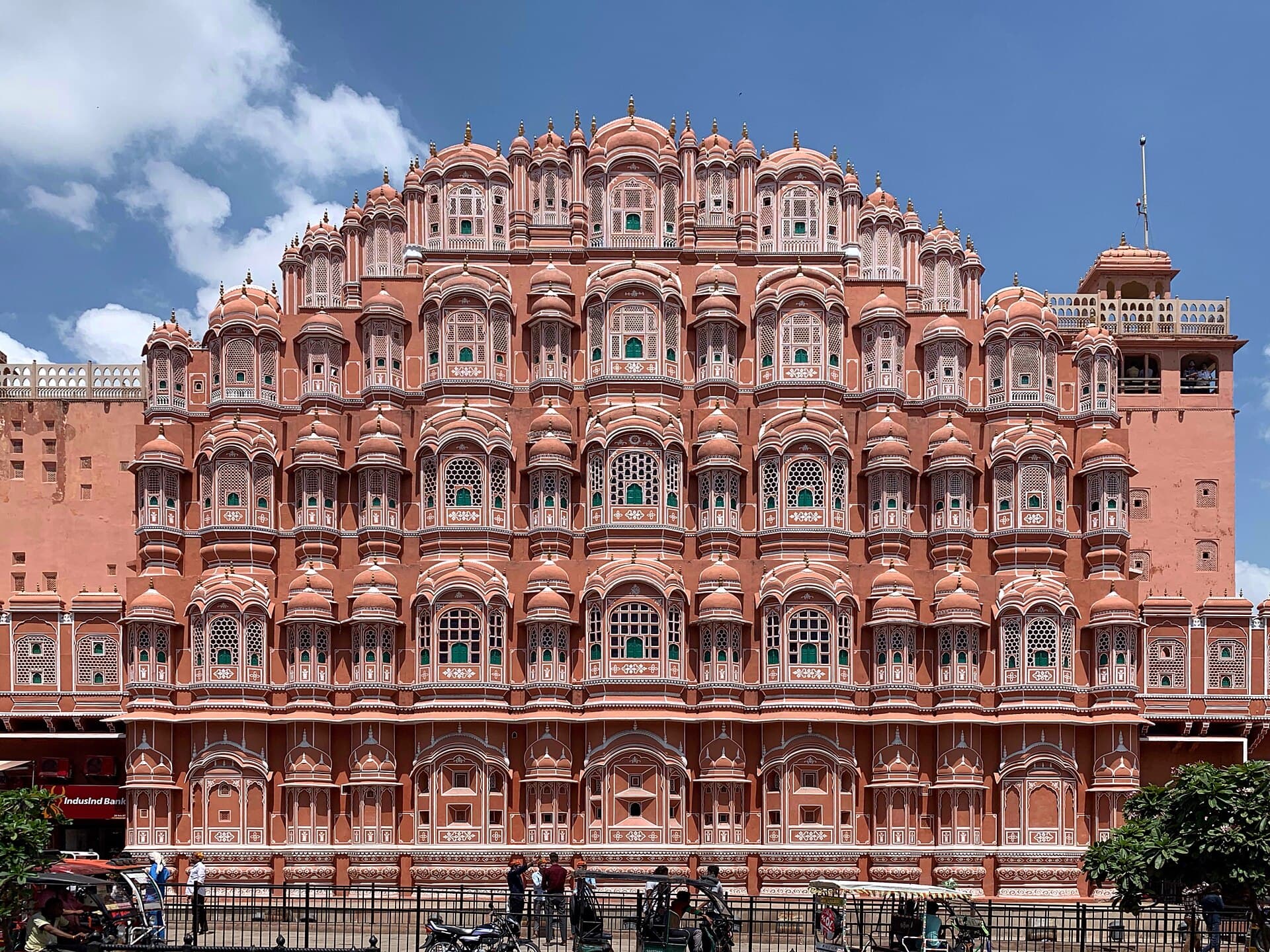
Il 'Palazzo dei Venti' è rinomato per le sue 953 intricate finestre, ma il loro vero scopo va oltre l'estetica e una semplice piattaforma di osservazione per le donne reali.
Oltre i grandi cortili e i palazzi di specchi, un passaggio offre uno sguardo al genio strategico dei sovrani Rajput.
Scopri ogni segreto di Jaipur
Ogni indirizzo, ogni rivelazione completa — nel tuo orecchio, proprio dove è accaduta.
Scegli le tue tappe. Cammini. La voce rivela ciò che gli altri perdono.


Il tuo tour audio autoguidato di Jaipur è pronto — scegli i tuoi punti di interesse, seleziona la tua lingua e inizia nel momento in cui arrivi.
AcquistaLume include una guida in realtà aumentata. Alza il telefono: la fotocamera mostra la strada davanti a te, con una freccia luminosa sovrapposta all'immagine reale che punta sempre verso la tua prossima tappa — nessuna mappa da decifrare, nessuna svolta sbagliata. Come tutto in Lume, funziona completamente offline.
Jaipur, la capitale del Rajasthan, è una città dove la storia non è solo preservata nei monumenti ma vive e respira nelle sue strade e nei ritmi quotidiani. Conosciuta come la "Città Rosa" per la distintiva tonalità rosa terracotta dei suoi edifici, una tradizione iniziata nel 1876 per accogliere il Principe di Galles, Jaipur offre un affascinante mix di grandezza reale e vivace vita locale.
Questa città meticolosamente pianificata, fondata nel XVIII secolo, testimonia il visionario Maharaja Sawai Jai Singh II, astronomo e urbanista. I suoi ampi viali, il preciso sistema a griglia e le meraviglie architettoniche riflettono una profonda comprensione degli antichi principi architettonici indiani, rendendola una delle città più antiche e meglio progettate dell'India. Dai maestosi forti che coronano le colline Aravalli ai palazzi intricati e ai vivaci bazar, Jaipur invita all'esplorazione, promettendo un viaggio attraverso il suo tessuto culturale.
## La Visione di Sawai Jai Singh II La storia di Jaipur inizia nel 1727 con Maharaja Sawai Jai Singh II, il sovrano Kachhwaha Rajput di Amer. Di fronte a una popolazione in crescita e alla scarsità d'acqua ad Amer, egli immaginò una nuova città capitale. Consultandosi con studiosi e architetti, in particolare Vidyadhar Bhattacharya, Jai Singh II pianificò meticolosamente Jaipur basandosi sui principi del Vastu Shastra e dello Shilpa Shastra, antichi testi indiani sull'architettura e la pianificazione. La costruzione iniziò nel 1726 e ci vollero quattro anni per costruire questa notevole città, che fu divisa in nove isolati con ampie strade e solide mura di fortificazione.
## La Trasformazione della Città Rosa Sebbene Jaipur fosse inizialmente pianificata con un layout distintivo, il suo iconico soprannome di "Città Rosa" arrivò molto più tardi. Nel 1876, per accogliere Albert Edward, il Principe di Galles, Maharaja Sawai Ram Singh II ordinò che l'intera città fosse dipinta di rosa, un colore che tradizionalmente simboleggia l'ospitalità e il benvenuto. Molti dei viali della città vecchia rimangono dipinti in questa tonalità rosata, conferendo a Jaipur il suo aspetto unico e guadagnandole l'epiteto. Questa tradizione è ancora mantenuta per legge oggi, con i residenti della città vecchia obbligati a preservare il colore rosa.
## Un'Eredità di Arte e Cultura Nel corso del XIX secolo, Jaipur conobbe una rapida crescita e prosperità. Le sue principali industrie includevano la lavorazione dei metalli e del marmo, favorite da una scuola d'arte fondata nel 1868. I larghi viali della città furono lastricati e illuminati, e furono sviluppati diversi ospedali e college. Dopo l'indipendenza dell'India nel 1947, Jaipur divenne la capitale del neonato stato del Rajasthan nel 1949. Oggi, Jaipur è una città patrimonio mondiale dell'UNESCO, riconosciuta per la sua grandezza architettonica, il significato storico e la ricchezza culturale.
Inizia la tua esplorazione al City Palace, un vasto complesso che fonde stili architettonici Rajput, Mughal ed europei. Rimane la dimora della famiglia reale di Jaipur, con una parte significativa aperta al pubblico come Museo Maharaja Sawai Man Singh II. Da non perdere il Pritam Niwas Chowk con le sue quattro elaborate porte dipinte, ognuna rappresentante una stagione diversa.
Successivamente, ammira l'Hawa Mahal, o "Palazzo dei Venti", una facciata a cinque piani in arenaria rossa e rosa con 953 intricate finestre. Questa iconica struttura permetteva alle donne reali di osservare le feste di strada rimanendo invisibili. A breve distanza in auto, l'Amer Fort (noto anche come Forte Amber) si erge maestosamente sul lago Maota. Esplora i suoi palazzi, sale e giardini, incluso lo scintillante Sheesh Mahal con i suoi mosaici di specchi.
Per uno sguardo all'antica astronomia, visita Jantar Mantar, un osservatorio all'aperto del XVIII secolo e sito patrimonio mondiale dell'UNESCO. Ospita una collezione di strumenti astronomici scultorei, tra cui il Samrat Yantra, il più grande orologio solare del mondo, che può indicare l'ora con notevole precisione. Altri siti degni di nota includono il Jal Mahal, o "Palazzo sull'Acqua", che appare galleggiare nel mezzo del lago Man Sagar, e il Nahargarh Fort, che offre ampie viste al tramonto sulla città.
Il periodo migliore per visitare Jaipur è durante i mesi più freschi e secchi dell'inverno, da ottobre a marzo. Durante questo periodo, il clima è piacevole con luce solare moderata durante il giorno e notti fresche, rendendolo ideale per visite turistiche e attività all'aperto. Le temperature variano da circa 8°C a 27°C. L'alta stagione turistica cade in questi mesi, quindi aspettati più folla e prezzi più alti per gli alloggi. Le estati, da aprile a giugno, sono estremamente calde, con temperature che spesso superano i 40°C, rendendo difficile l'esplorazione all'aperto. La stagione dei monsoni, da luglio a settembre, porta un clima piacevole e piogge occasionali, offrendo un paesaggio più verde e meno turisti.
Muoversi a Jaipur è relativamente facile con una varietà di opzioni. I risciò automatici e i servizi di ride-sharing sono ampiamente disponibili, anche se il traffico può essere lento. Per una maggiore flessibilità e per raggiungere luoghi più tranquilli fuori dal centro città, considera di noleggiare un autista privato per mezza o intera giornata. Camminare per la Città Vecchia (Città Rosa) è altamente raccomandato per sperimentare la sua architettura e i colorati bazar, ma fai attenzione ai marciapiedi ostruiti e al traffico.
Si consiglia un abbigliamento modesto, soprattutto quando si visitano templi e quartieri più antichi. Tessuti leggeri e traspiranti sono adatti tutto l'anno. Scarpe comode sono essenziali per esplorare forti e palazzi. Jaipur si sveglia presto, con mercati e templi che prendono vita poco dopo l'alba. Pianifica riposo durante il caldo di mezzogiorno e riprendi l'esplorazione nel tardo pomeriggio per evitare il burnout e sperimentare il ritmo culturale della città. Sebbene Jaipur sia una popolare destinazione turistica, è sempre saggio essere consapevoli di ciò che ti circonda, specialmente nelle aree affollate.
Jaipur — coreano, cinese, ebraico e altre 29 lingue, ogni tappa narrata da una voce madrelingua. La più ampia scelta di lingue tra i tour audio autoguidati.
Disponibile in: