Forte di Jaisalmer
La maggior parte delle fortificazioni sono monumenti silenziosi, congelati nel tempo. Eppure, il Forte d'Oro di Jaisalmer custodisce un notevole segreto sul suo spirito duraturo.
La storia completa si sblocca nel tour
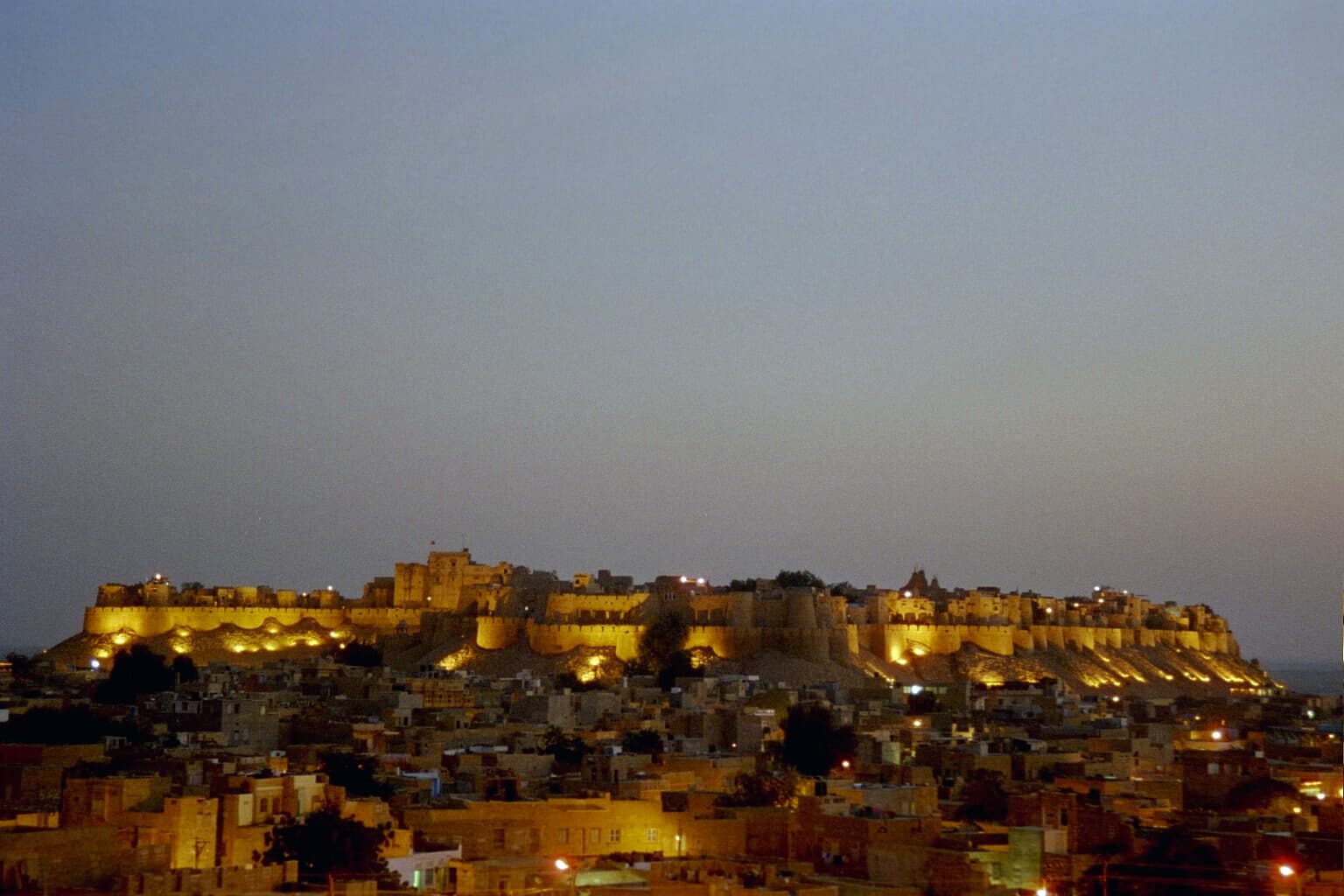 Adrian Sulc / CC BY-SA 3.0, via Wikimedia Commons
Tour audio autoguidato di Jaisalmer — percorso GPS a piedi, riproduzione offline, narrazione coinvolgente in 32 lingue.
“Dove il deserto respira antiche storie nella pietra riscaldata dal sole.”
Non le cartoline. Le storie che nemmeno i locali conoscono — sussurrate nel tuo orecchio, proprio dove sono accadute.
La maggior parte delle fortificazioni sono monumenti silenziosi, congelati nel tempo. Eppure, il Forte d'Oro di Jaisalmer custodisce un notevole segreto sul suo spirito duraturo.
La leggenda locale racconta di un intero villaggio scomparso in una sola notte, lasciando dietro di sé un inquietante incantesimo che ne assicura la perpetua vacuità.
Immagina una vasta distesa arida, poi considera le sorprendenti prove sotto la sua superficie, che suggeriscono un passato drasticamente diverso.
Scopri ogni segreto di Jaisalmer
Ogni indirizzo, ogni rivelazione completa — nel tuo orecchio, proprio dove è accaduta.
Scegli le tue tappe. Cammini. La voce rivela ciò che gli altri perdono.


Il tuo tour audio autoguidato di Jaisalmer è pronto — scegli i tuoi punti di interesse, seleziona la tua lingua e inizia nel momento in cui arrivi.
AcquistaLume include una guida in realtà aumentata. Alza il telefono: la fotocamera mostra la strada davanti a te, con una freccia luminosa sovrapposta all'immagine reale che punta sempre verso la tua prossima tappa — nessuna mappa da decifrare, nessuna svolta sbagliata. Come tutto in Lume, funziona completamente offline.
Jaisalmer, spesso definita la "Città d'Oro", emerge dal deserto del Thar nel Rajasthan, India, come una visione scintillante. La sua distintiva radiosità deriva dall'arenaria gialla utilizzata in quasi tutta la sua architettura, che si approfondisce in un ricco oro miele all'alba e al tramonto. Questa città, situata vicino al confine tra India e Pakistan, è dominata dal magnifico Forte di Jaisalmer, un sito patrimonio mondiale dell'UNESCO.
Oltre allo splendore architettonico, Jaisalmer offre un'esperienza culturale singolare. Un tempo fungeva da vitale centro commerciale sulle antiche rotte carovaniere che collegavano l'India all'Asia centrale, alla Persia e al Medio Oriente, contribuendo alla sua prosperità. Oggi, la città mantiene un'atmosfera vivace con mercati brulicanti, artigianato tradizionale e uno stile di vita adattato all'ambiente desertico. I visitatori possono esplorare le sue intricate haveli (dimore), i laghi tranquilli e intraprendere safari nel deserto per sperimentare l'immensa scala del Thar.
La storia di Jaisalmer risale al 1156 d.C. quando Rawal Jaisal, un sovrano Rajput del clan Bhati, la fondò. Rawal Jaisal trasferì la sua capitale da Lodhruva alla collina triangolare di Trikuta, cercando una posizione più sicura dalle incursioni persistenti. Questa posizione strategica nel deserto del Thar forniva protezione naturale e divenne la base per una delle più impressionanti 'fortezze viventi' del Rajasthan.
La prosperità della città fu in gran parte plasmata dalla sua posizione strategica sulle rotte commerciali dei cammelli, fungendo da punto di transito cruciale sul ramo meridionale della Via della Seta. Carovane che trasportavano seta, spezie, frutta secca e pietre preziose passavano per Jaisalmer, generando notevoli entrate per i suoi sovrani. Questa ricchezza alimentò la costruzione di elaborate haveli da parte di mercanti facoltosi, adornate con intricate sculture in pietra, una tradizione che abbracciava l'arenaria gialla locale.
La storia di Jaisalmer include anche periodi di conflitto. Nel 1294, il forte subì un assedio durato anni da parte di Alauddin Khalji, il Sultano di Delhi, che si concluse secondo quanto riferito con un jauhar, un'auto-immolazione di massa da parte degli abitanti. La città subì un'altra significativa devastazione alla fine del XIV secolo a seguito di un attacco del Sultano Firoz Shah Tughlaq. Nonostante queste sfide, i sovrani Bhati riconquistarono frequentemente il controllo del forte.
Nel 1570, i sovrani di Jaisalmer strinsero relazioni diplomatiche con l'Impero Mughal durante il regno di Akbar. Tuttavia, le sorti economiche della città cambiarono drasticamente con l'avvento del dominio britannico. I britannici spostarono il principale centro commerciale a Mumbai e le antiche rotte commerciali terrestri verso il Pakistan furono chiuse permanentemente dopo la partizione dell'India britannica nel 1947. Ciò portò a un considerevole declino dell'importanza commerciale di Jaisalmer, trasformandola in un avamposto di confine. La regione divenne anche un punto strategico militare durante i conflitti indo-pakistani del 1965 e 1971.
Nel 1949, il Principato di Jaisalmer si unì ufficialmente all'Unione Indiana, entrando a far parte dello stato del Rajasthan. Più recentemente, nel 2013, il Forte di Jaisalmer ha ricevuto il riconoscimento come sito patrimonio mondiale dell'UNESCO, parte del gruppo "Forti delle Colline del Rajasthan", riconoscendo la sua unica importanza culturale e architettonica.
Il Forte di Jaisalmer, noto anche come Sonar Quila o Forte d'Oro, è il cuore della città. Questo sito patrimonio mondiale dell'UNESCO è uno dei pochi forti 'viventi' al mondo, con una parte considerevole della popolazione della città che risiede ancora tra le sue mura. Passeggia per i suoi vicoli stretti e tortuosi, scopri tranquilli templi e ammira ampie viste sulla città e sul deserto del Thar.
All'interno del forte, visita i Templi Jainisti, risalenti al XII e XV secolo, celebrati per le loro intricate sculture in pietra. Il Museo del Palazzo del Forte (Palazzo del Maharaja) offre scorci della storia reale con le sue sculture in pietra e manufatti.
Fuori dal forte, ammira le Haveli, le dimore elaborate di ricchi mercanti. Le più rinomate includono Patwon Ki Haveli, una collezione di cinque haveli intricate, e Salim Singh Ki Haveli e Nathmal Ki Haveli, entrambe celebrate per la loro architettura distintiva.
Per un intermezzo di pace, visita il Lago Gadisar, uno storico bacino artificiale circondato da ghat e templi, che offre opportunità per gite in barca e viste al tramonto. Un viaggio a Jaisalmer è incompleto senza sperimentare il Deserto del Thar. Dirigiti verso le Dune di Sabbia di Sam per escursioni in cammello, giri in jeep e pernottamenti sotto le stelle. Considera una visita al villaggio abbandonato di Kuldhara, noto per il suo passato intrigante e le storie locali.
Il periodo migliore per visitare Jaisalmer è durante i mesi invernali più freschi, da ottobre a marzo. Durante questo periodo, le temperature diurne sono piacevoli e confortevoli per visite turistiche e attività all'aperto come safari nel deserto e passeggiate in cammello. Le serate sono più fresche e le notti possono essere piuttosto fredde, creando un'atmosfera romantica sotto il cielo desertico stellato. Il Festival del Deserto di Jaisalmer, una vivace celebrazione culturale con musica folk e corse di cammelli, si svolge tipicamente a gennaio o febbraio. Mentre le stagioni intermedie di aprile e settembre offrono meno folla e prezzi potenzialmente più bassi, i mesi estivi da aprile a giugno sono intensamente caldi, con temperature che superano frequentemente i 40°C, rendendo difficile l'esplorazione all'aperto.
L'aeroporto di Jaisalmer (JSA) offre voli domestici da città come Delhi, Mumbai e Jaipur. La città è anche ben collegata in treno, con servizi diretti da Jaipur, Jodhpur e Delhi. Per i viaggi interurbani, sono disponibili autobus, anche se treni o taxi sono spesso preferiti per viaggi più lunghi.
All'interno di Jaisalmer, la città vecchia e le principali attrazioni come le haveli sono facilmente esplorabili a piedi. Auto-risciò e taxi sono facilmente disponibili per distanze più lunghe o per gite nel deserto. È saggio concordare le tariffe in anticipo. Per le escursioni nel deserto, molti operatori turistici offrono pacchetti che includono trasporto, safari e alloggi per la notte.
Le opzioni di alloggio vanno da hotel all'interno del forte a quelli esterni che offrono viste sul forte, nonché campi tendati nel deserto. Soggiornare all'interno del forte può essere un'esperienza deliziosa, ma tieni presente che le auto non possono guidare direttamente a tutti gli ingressi e potrebbe essere necessaria una certa camminata con i bagagli. Il contante è spesso preferito, soprattutto negli esercizi più piccoli, e sebbene gli sportelli bancomat siano disponibili in città, sono meno numerosi all'interno del forte.
Jaisalmer — coreano, cinese, ebraico e altre 29 lingue, ogni tappa narrata da una voce madrelingua. La più ampia scelta di lingue tra i tour audio autoguidati.
Disponibile in: