Jekyll Island Club Resort
Il "Villaggio dei Milionari" su Jekyll Island ospitava un tempo alcune delle famiglie più ricche d'America, eppure le loro grandiose "ville" mancavano di una stanza fondamentale.
La storia completa si sblocca nel tour
 Jud McCranie / Public domain, via Wikimedia Commons
Tour audio autoguidato di Jekyll Island — percorso GPS a piedi, riproduzione offline, narrazione coinvolgente in 32 lingue.
“Dove la grandezza dell'Età Dorata incontra la bellezza costiera selvaggia.”
Non le cartoline. Le storie che nemmeno i locali conoscono — sussurrate nel tuo orecchio, proprio dove sono accadute.
Il "Villaggio dei Milionari" su Jekyll Island ospitava un tempo alcune delle famiglie più ricche d'America, eppure le loro grandiose "ville" mancavano di una stanza fondamentale.
Nel 1915, una telefonata rivoluzionaria collegò un continente e un partecipante chiave si unì da una località inaspettata a causa di un cambio di programma dell'ultimo minuto.
Jekyll Island è nota per la sua abbondante popolazione di alligatori, ma le diete di quelli che vivono nei campi da golf sono sorprendentemente diverse da quelle dei loro simili più selvatici.
Scopri ogni segreto di Jekyll Island
Ogni indirizzo, ogni rivelazione completa — nel tuo orecchio, proprio dove è accaduta.
Scegli le tue tappe. Cammini. La voce rivela ciò che gli altri perdono.

Il tuo tour audio autoguidato di Jekyll Island è pronto — scegli i tuoi punti di interesse, seleziona la tua lingua e inizia nel momento in cui arrivi.
AcquistaLume include una guida in realtà aumentata. Alza il telefono: la fotocamera mostra la strada davanti a te, con una freccia luminosa sovrapposta all'immagine reale che punta sempre verso la tua prossima tappa — nessuna mappa da decifrare, nessuna svolta sbagliata. Come tutto in Lume, funziona completamente offline.
Jekyll Island, una delle "Golden Isles" della Georgia, offre un affascinante connubio di bellezza naturale e un passato ricco di storia. Quest'isola barriera, lunga circa 7 miglia e larga 1,5 miglia, è caratterizzata da vaste paludi, foreste marittime e 8 miglia di spiagge ampie e piatte. Di proprietà dello Stato della Georgia e gestita dalla Jekyll Island Authority, una porzione significativa dell'isola – il 65% – rimane non sviluppata, preservandone il carattere selvaggio.
Un tempo rifugio invernale esclusivo per alcune delle famiglie più in vista dell'Età dell'Oro americana, tra cui i Rockefeller, i Vanderbilt e i Pulitzer, Jekyll Island oggi accoglie il pubblico per esplorare i suoi terreni storici e i diversi ecosistemi. L'impegno dell'isola per la conservazione è evidente, con sforzi concentrati sul mantenimento del suo stato naturale, offrendo al contempo una gamma di opportunità ricreative ed educative.
## Dalle Terre Indigene all'Avamposto Coloniale La storia di Jekyll Island risale a oltre 3.500 anni fa, con i Nativi Americani come suoi primi abitanti, che utilizzavano l'isola per cacciare, pescare e raccogliere molluschi. Esploratori francesi arrivarono nell'area nel 1562 e, successivamente, nel 1733, il Generale James Oglethorpe fondò la colonia della Georgia, nominando l'isola in onore del suo amico e finanziatore, Sir Joseph Jekyll. Il Maggiore William Horton, aiutante di Oglethorpe, stabilì un avamposto militare su Jekyll Island alla fine degli anni '30 del Settecento per proteggere Fort Frederica sulla vicina St. Simons Island. La piantagione di Horton sull'isola riforniva Fort Frederica di provviste e ospitava anche la prima birreria della Georgia.
## L'Era delle Piantagioni e il Wanderer Dopo la morte di Horton, l'isola passò attraverso diversi proprietari prima di essere acquistata da Christophe Poulain DuBignon nel 1792, inaugurando l'Era delle Piantagioni. La famiglia DuBignon coltivò il Sea Island Cotton per quasi un secolo. Un capitolo più oscuro nella storia dell'isola si verificò nel 1858 con l'approdo illegale del Wanderer, una delle ultime navi negriere conosciute in America, che portò a terra oltre 400 africani schiavizzati. Il Wanderer Memory Trail su Jekyll Island racconta oggi la storia di questi individui.
## L'Esclusivo Jekyll Island Club Nel 1886, John Eugene DuBignon, discendente di Christophe, commercializzò Jekyll Island come un club di caccia, portando al suo acquisto da parte di un gruppo di ricchi industriali del Nord. Questo segnò l'inizio dell'"Era del Club", trasformando Jekyll Island in un rifugio invernale esclusivo per famiglie come i Rockefeller, i Morgan, i Vanderbilt e i Pulitzer. Il Jekyll Island Club, che aprì il suo clubhouse nel 1888, era rinomato per la sua esclusività, tanto che la Munsey's Magazine nel 1904 lo definì "il club più ricco, più esclusivo, più inaccessibile del mondo". Fu durante questo periodo, nel 1910, che un incontro segreto tra i principali finanzieri dell'isola pose le basi per quello che sarebbe diventato il Federal Reserve Act.
## Un Parco Pubblico e una Destinazione Moderna L'Era del Club terminò con la Seconda Guerra Mondiale e, nel 1947, lo Stato della Georgia acquistò Jekyll Island per 675.000 dollari, aprendola al pubblico come Parco Statale nel 1948. La Jekyll Island Authority fu istituita nel 1950 per sviluppare l'isola come resort. Nel 1950, St. Andrews Beach fu designata come la prima spiaggia pubblica in Georgia accessibile agli afroamericani durante la segregazione, un punto storico significativo. Oggi, il Jekyll Island Historic District, un National Historic Landmark District dal 1978, conserva molte delle strutture dell'Età dell'Oro, offrendo uno sguardo su questo opulento passato.
Jekyll Island offre una varietà di attrazioni che fondono il suo passato storico con il suo ambiente costiero naturale. Una visita allo Jekyll Island Historic District, spesso definito "Millionaire's Village", è essenziale. Qui, potrete esplorare le grandiose "ville" dell'Età dell'Oro un tempo appartenute alle famiglie più ricche d'America, nonché il Jekyll Island Club Resort. Il Mosaic, Jekyll Island Museum, situato nel distretto storico, offre spunti sul variegato passato dell'isola, dai suoi abitanti nativi americani all'era dei milionari.
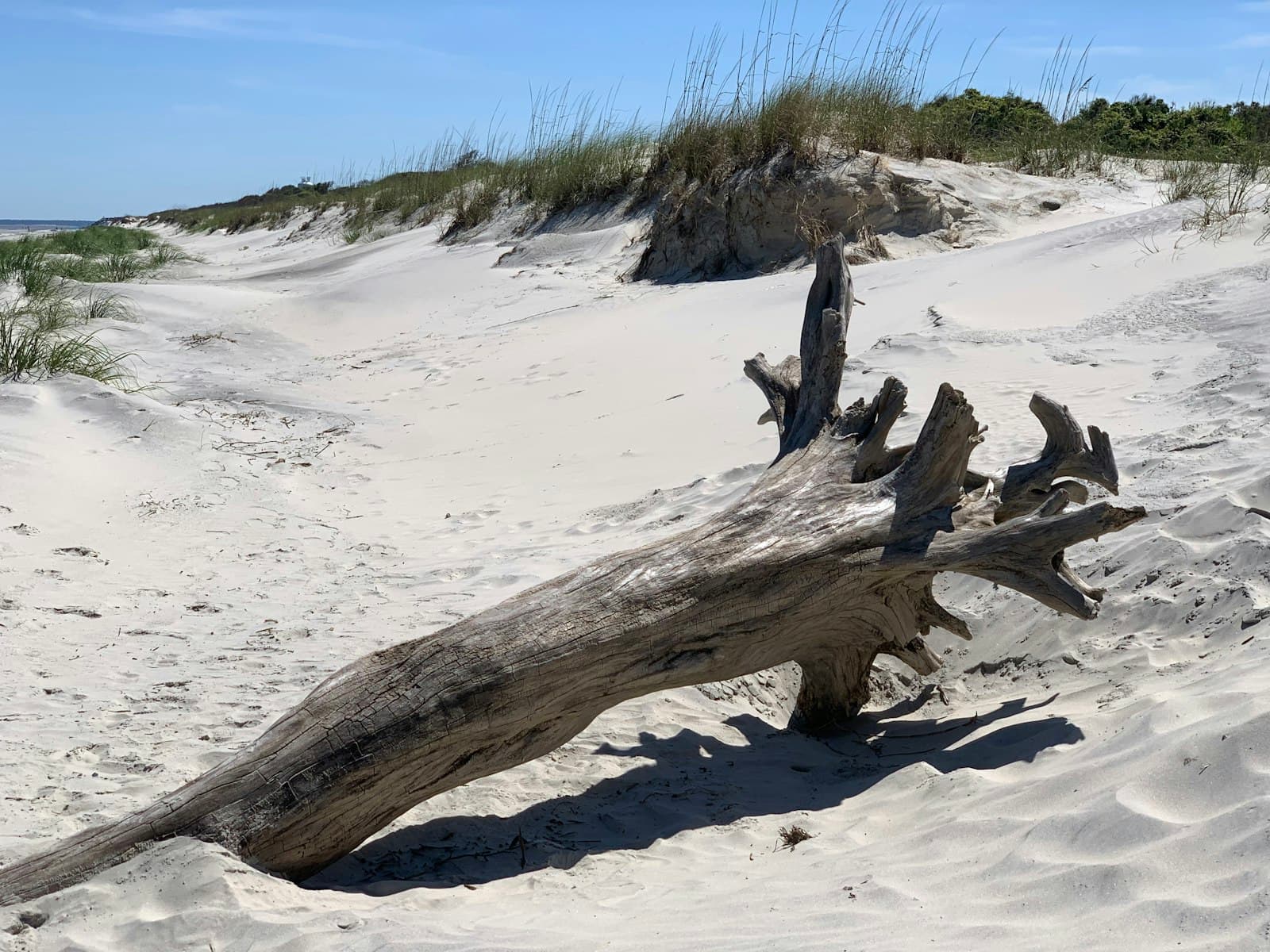
Per gli amanti della natura, Driftwood Beach è un luogo unico e molto fotografato, caratterizzato dalla sua collezione di alberi erosi e sbiancati dal sole lungo la costa. Il Georgia Sea Turtle Center è un centro di riabilitazione ed educazione dedicato alla ricerca e alla conservazione delle tartarughe marine, che offre mostre coinvolgenti per tutte le età. Jekyll Island offre anche oltre 20 miglia di piste ciclabili asfaltate, un modo eccellente per esplorare i diversi paesaggi dell'isola, dalle foreste alle spiagge. Inoltre, il Wanderer Memory Trail offre un'esperienza educativa toccante, che racconta la storia di una delle ultime navi negriere conosciute in America.
Jekyll Island è una destinazione visitabile tutto l'anno, ma molti considerano i mesi invernali i più ideali. Le temperature più miti offrono una piacevole fuga dai climi più freddi, rendendola perfetta per attività all'aperto come il ciclismo e l'esplorazione del distretto storico senza l'intenso caldo estivo. La bellezza naturale dell'isola e il senso di isolamento sono particolarmente pronunciati in questo periodo.
È richiesta una permesso giornaliero per i veicoli che entrano a Jekyll Island, con possibilità di abbonamenti annuali. Una volta sull'isola, il ciclismo è un modo popolare ed efficiente per spostarsi, con oltre 20 miglia di piste ciclabili piatte e asfaltate. Sebbene le auto siano permesse, nessun veicolo a motore è consentito sulle spiagge o sulle piste ciclabili. I golf cart sono ammessi sulle strade se sono legali per la circolazione stradale, ma non sulle piste ciclabili, e i golf cart di proprietà privata non sono ammessi sui campi da golf.
Quando godete dell'ambiente naturale dell'isola, ricordate che è vietato dare da mangiare a qualsiasi fauna selvatica, inclusi alligatori, cervi e uccelli. Mantenete una distanza di sicurezza di almeno 20 piedi da tutti gli alligatori ed evitate di entrare in stagni, laghi o fossati. Sulle spiagge, non disturbate i nidi o le tartarughe marine, e raccogliete solo conchiglie vuote e dollari di sabbia morti. Fuochi d'artificio e campeggio notturno non sono permessi sulle spiagge.
Jekyll Island — coreano, cinese, ebraico e altre 29 lingue, ogni tappa narrata da una voce madrelingua. La più ampia scelta di lingue tra i tour audio autoguidati.
Disponibile in: