Tell es-Sultan
Stel je een stad voor die zo oud is dat de vroegste bewoners een aanzienlijke stenen toren bouwden millennia voordat het geschreven woord bestond.
Volledig verhaal ontgrendeld in de tour
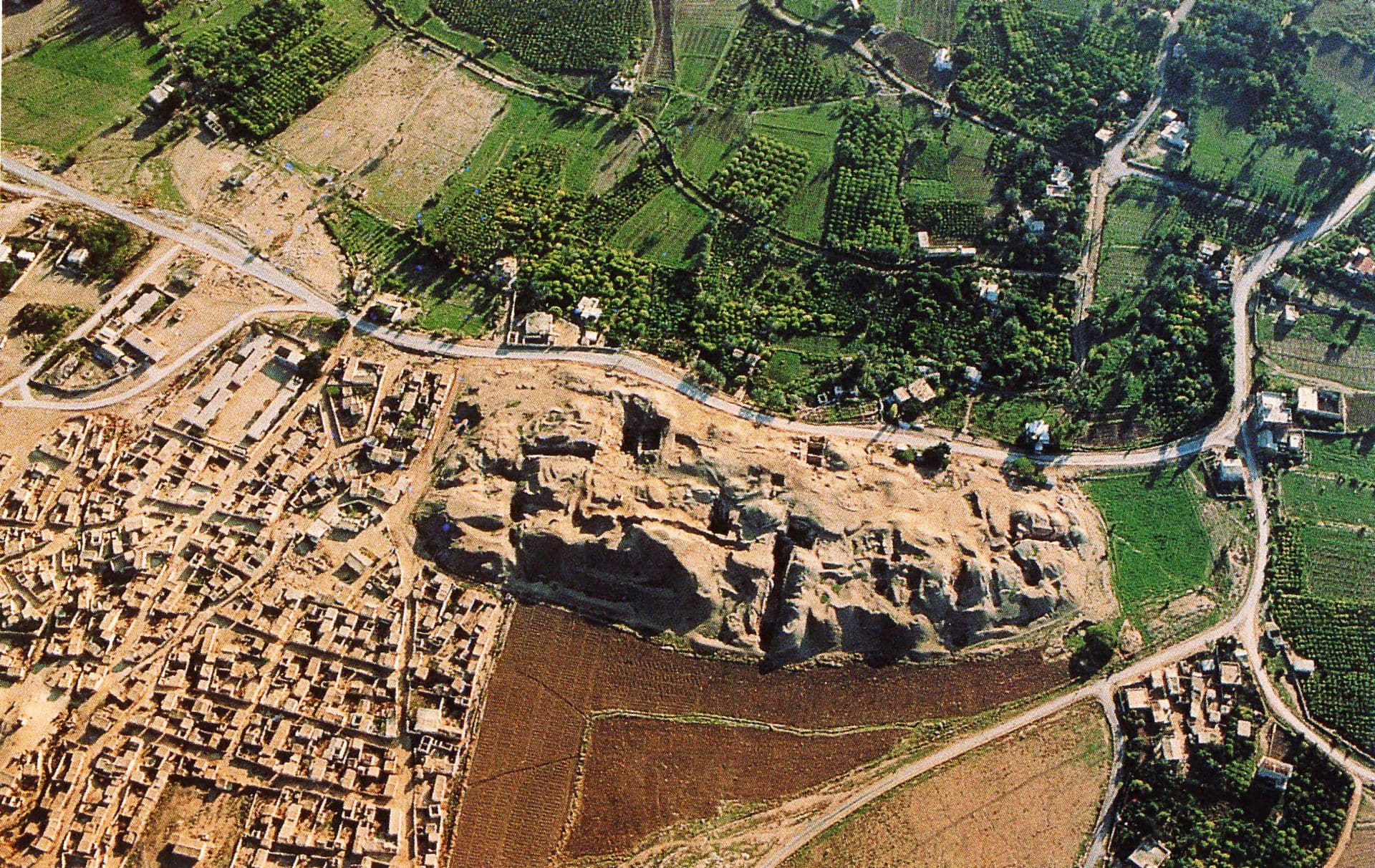 Fullo88 at Italian Wikipedia / public domain, via Wikimedia Commons
Zelfgeleide audiowandeling door Jericho — GPS-route, offline afspelen, meeslepende vertelling in 32 talen.
“Waar oude muren bijbelse verhalen echoën en woestijnoases floreren.”
Niet de ansichtkaarten. De verhalen die zelfs locals niet kennen — gefluisterd in je oor, precies waar ze gebeurden.
Stel je een stad voor die zo oud is dat de vroegste bewoners een aanzienlijke stenen toren bouwden millennia voordat het geschreven woord bestond.
Dit woestijnpaleis, in opdracht van een Omajjadische kalief, verbergt een mozaïekvloer die zo uitgestrekt en gedetailleerd is dat het eeuwenlang onder zand bewaard is gebleven.
Een klooster klampt zich vast aan de kale kliffen van deze berg, en markeert een locatie waar de traditie een cruciaal bijbels evenement vertelt.
Ontdek elk geheim van Jericho
Elk adres, elke onthulling volledig — in je oor, precies waar het gebeurde.
Jij kiest je stops. Jij wandelt. De stem onthult wat de anderen missen.

Je zelfgeleide audiotour van Jericho is klaar — kies je bezienswaardigheden, kies je taal en start zodra je aankomt.
KopenLume heeft een ingebouwde augmented-reality-gids. Houd je telefoon omhoog: de camera toont de straat voor je, met een oplichtende pijl over het echte beeld die altijd naar je volgende stop wijst — geen kaart om uit te puzzelen, geen verkeerde afslagen. Zoals alles in Lume werkt het volledig offline.
Jericho, bekend als de "Stad van de Palmbomen", is een stad op de Westelijke Jordaanoever, Palestina, en dient als de hoofdstad van het Gouvernement Jericho. Het staat bekend als een van de meest duurzaam bewoonde steden ter wereld, met archeologisch bewijs van menselijke bewoning dat teruggaat tot 11.000 jaar geleden, tot 9000 v.Chr. Gelegen in de Jordaanvallei, ongeveer 258 meter (846 voet) onder zeeniveau, is het ook de laagst gelegen stad op aarde. De kenmerkende geografie en overvloedige natuurlijke bronnen hebben de menselijke bewoning millennia lang ondersteund, waardoor een weelderige oase is ontstaan in de woestijnuitgestrektheid.
Jericho's rijke geschiedenis is verweven met bijbelse verhalen, oude beschavingen en vroeg-islamitisch erfgoed. Van de prehistorische nederzettingen van Tell es-Sultan tot de uitgebreide mozaïeken van het Paleis van Hisham en de spirituele resonantie van de Berg van Verleiding, de stad biedt een diepgaande reis door de tijd. Het is een plek waar lagen van menselijke inspanning, geloof en cultuur zichtbaar op elkaar gestapeld zijn, en nodigt uit tot het verkennen van de fundamenten van het stadsleven en religieuze traditie.
Het verhaal van Jericho begint bij Tell es-Sultan, een archeologische verhoging die de oude stad vertegenwoordigt. Hier zijn bewijzen gevonden van meer dan 20 opeenvolgende nederzettingen, waarvan de vroegste dateren uit de Natufische cultuur rond 10.000–9000 v.Chr. Deze vroege bewoners waren semi-nomadische jager-verzamelaars die begonnen te experimenteren met landbouw, waarmee ze de basis legden voor permanente bewoning. Tegen de Pre-Pottery Neolithic A (PPNA) fase (ca. 8500–7500 v.Chr.) was Jericho uitgegroeid tot een van 's werelds eerste grote proto-steden, gekenmerkt door verdedigingsmuren, een beschermende toren en georganiseerde woningen. De imposante 8,5 meter hoge stenen Toren van Jericho, gebouwd rond 8000 v.Chr., getuigt van de geavanceerde technische vaardigheden van zijn oude bouwers.
Jericho staat algemeen bekend om zijn bijbelse connecties, met name het verslag in het Boek Jozua, waarin de muren van de stad instortten nadat de Israëlieten eromheen hadden gemarcheerd. Hoewel de precieze datum van dit evenement onderwerp van archeologisch debat is, hebben opgravingen bij Tell es-Sultan aangetoond dat de muren van de stad inderdaad vele malen zijn gebouwd en herbouwd, vaak bezwijkend voor aardbevingen, die in het gebied veel voorkomen. De stad bleef een belangrijk centrum gedurende de Bronstijd en IJzertijd, en kende cycli van vernietiging en wederopbouw.
In het Nieuwe Testament komt Jericho prominent voor in het verhaal van Zacheüs, de tollenaar die in een moerbeiboom klom om Jezus te zien, en de gelijkenis van de Barmhartige Samaritaan, die zich afspeelt op de route tussen Jeruzalem en Jericho. Herodes de Grote vestigde ook een winterverblijf in Jericho, en het was hier dat hij in 4 v.Chr. overleed. Later, tijdens de Omajjadische dynastie in de 8e eeuw, werd het Paleis van Hisham (Khirbat al-Mafjar) gebouwd als een luxueus woestijnkasteel, met geavanceerde vroeg-islamitische architectuur en kunst. Het paleis, met zijn gedetailleerde mozaïeken en stucornamenten, diende als winterverblijf voor de kaliefen. Tegenwoordig valt Jericho onder het bestuur van de Palestijnse Autoriteit, nadat het in 1994 werd overgedragen.
Begin uw verkenning bij Tell es-Sultan, de archeologische heuvel van het oude Jericho. Deze UNESCO Werelderfgoedsite biedt een kijkje in meer dan 10.000 jaar ononderbroken menselijke bewoning, met de overblijfselen van oude muren en de indrukwekkende Neolithische Toren van Jericho. Naast de tell ligt de Bron van Elisa (Ain es-Sultan), een royale natuurlijke bron die Jericho al millennia van leven voorziet.
Bezoek vervolgens het Paleis van Hisham (Khirbat al-Mafjar), een Omajjadisch woestijnkasteel uit de 8e eeuw, net ten noorden van de stad. Bewonder de ingewikkelde mozaïeken, waaronder het beroemde "Levensboom"-mozaïek, en de uitgebreide stucornamenten die de weelderige levensstijl van de Omajjadische kaliefen weerspiegelen.
Voor een spirituele ervaring, beklim de Jericho Kabelbaan naar de Berg van Verleiding (Jebel Quruntul). Deze berg wordt traditioneel geïdentificeerd als de locatie waar Jezus werd verleid. Dramatisch tegen de klifwand aangebouwd, ligt het Grieks-Orthodoxe klooster van de Verleiding, dat een weids uitzicht biedt over de Jordaanvallei, de Dode Zee en de stad beneden.
In het stadscentrum vindt u de Moerbeiboom van Zacheüs, een vereerd bijbels monument dat verbonden is met het verhaal van Zacheüs en Jezus. Hoewel de huidige boom mogelijk niet het origineel is, symboliseert het geloof en transformatie. Overweeg ook een bezoek aan Qasr al-Yahud, dat traditioneel wordt beschouwd als de plaats van Jezus' doop in de Jordaan, gelegen nabij Jericho.
De meest gunstige tijden om Jericho te bezoeken zijn tijdens de lente (maart-mei) of de herfst (september-november). In deze periodes zijn de temperaturen comfortabel, meestal tussen 20-28°C (68-82°F), en valt er zelden neerslag. Dit maakt het aangenaam om de archeologische vindplaatsen en religieuze monumenten buiten te verkennen. De zomermaanden (juni-augustus) brengen extreme hitte met zich mee, waardoor middagbezoeken uitdagend zijn, terwijl de winters mild maar regenachtig kunnen zijn.
Jericho is een relatief rustige en bezoekersgerichte stad. Veel lokale bewoners spreken Engels en er is een zichtbare toeristenpolitie aanwezig. Het is belangrijk op te merken dat Jericho zich in Gebied A van de Westelijke Jordaanoever bevindt, dat over het algemeen beperkt is voor Israëlische burgers, tenzij zij speciale toestemming hebben. Bezoekers kunnen Jericho bereiken met een Arabische bus of deeltaxi (sherut/serviis) vanuit Jeruzalem. Huurauto's van Israëlische bedrijven zijn doorgaans niet toegestaan op de Westelijke Jordaanoever. Wees bij het verkennen van bezienswaardigheden alert op het feit dat er vaak een kleine vergoeding wordt gevraagd. Hotels en restaurants zijn beschikbaar, met enkele grotere hotels die voorzieningen zoals zwembaden bieden. Vergeet niet voldoende water mee te nemen, vooral tijdens de warmere maanden, aangezien Jericho erg heet kan zijn.
Jericho — Koreaans, Chinees, Hebreeuws en nog 29 talen, elke stop verteld door een moedertaalspreker. Het grootste taalaanbod van alle zelfgeleide audiotours.
Beschikbaar in: