Strade del villaggio di Jericoacoara
Cammina per Jeri e noterai rapidamente qualcosa che manca nel paesaggio urbano.
La storia completa si sblocca nel tour
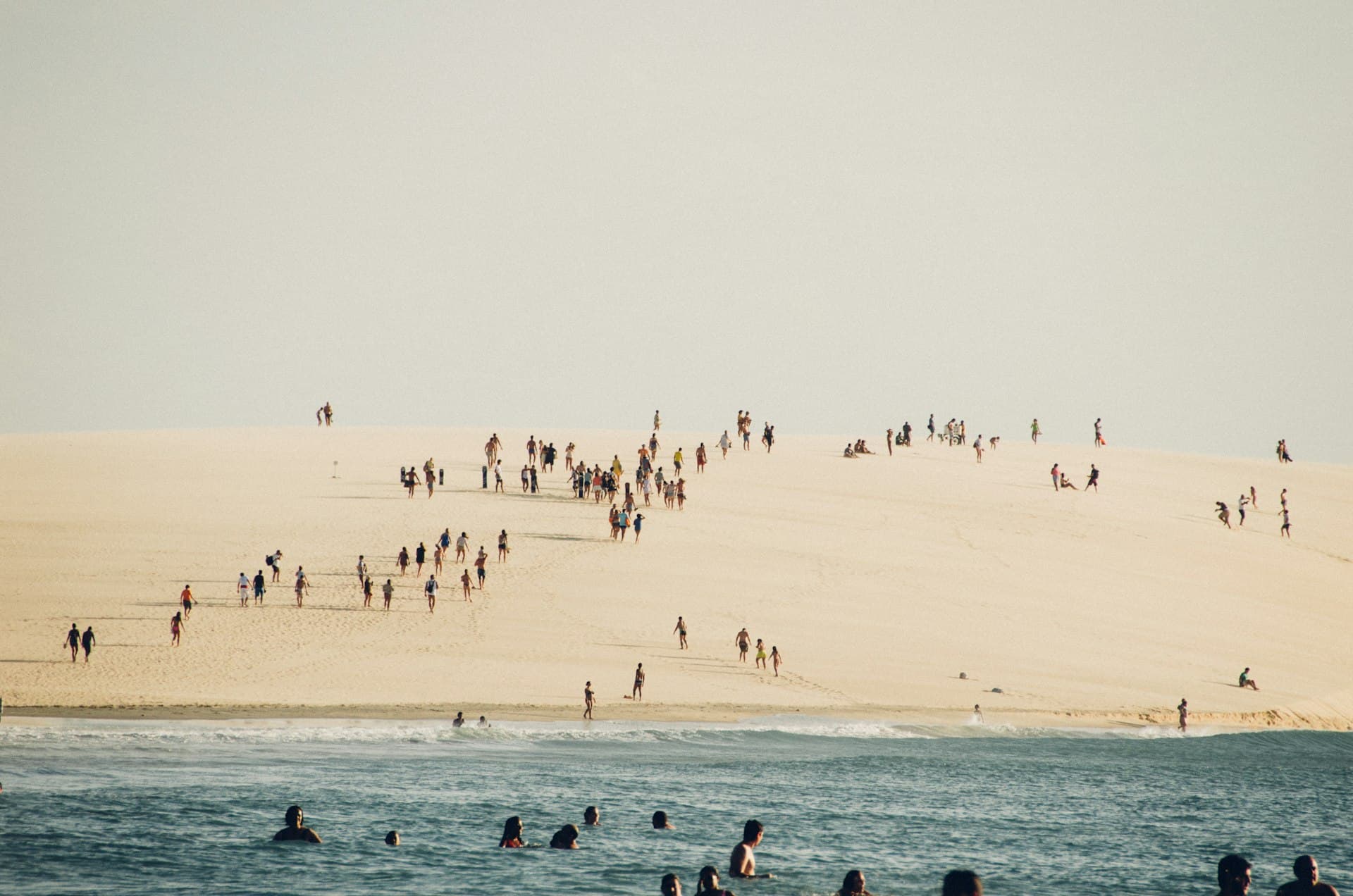 Photo: Milo Miloezger / Unsplash
Tour audio autoguidato di Jericoacoara — percorso GPS a piedi, riproduzione offline, narrazione coinvolgente in 32 lingue.
“Dove il vento sussurra segreti e la sabbia ti apre la strada.”
Non le cartoline. Le storie che nemmeno i locali conoscono — sussurrate nel tuo orecchio, proprio dove sono accadute.
Cammina per Jeri e noterai rapidamente qualcosa che manca nel paesaggio urbano.
Questa iconica formazione rocciosa racchiude una magia specifica e fugace per gli osservatori del tramonto durante certi mesi.
Mentre molti luoghi offrono splendide albe o tramonti, Jeri offre una rara doppia caratteristica.
Scopri ogni segreto di Jericoacoara
Ogni indirizzo, ogni rivelazione completa — nel tuo orecchio, proprio dove è accaduta.
Scegli le tue tappe. Cammini. La voce rivela ciò che gli altri perdono.


Il tuo tour audio autoguidato di Jericoacoara è pronto — scegli i tuoi punti di interesse, seleziona la tua lingua e inizia nel momento in cui arrivi.
AcquistaLume include una guida in realtà aumentata. Alza il telefono: la fotocamera mostra la strada davanti a te, con una freccia luminosa sovrapposta all'immagine reale che punta sempre verso la tua prossima tappa — nessuna mappa da decifrare, nessuna svolta sbagliata. Come tutto in Lume, funziona completamente offline.
Jericoacoara, conosciuta affettuosamente come 'Jeri', è un affascinante villaggio sulla costa del Ceará, nel nord-est del Brasile. Questo ex villaggio di pescatori si è trasformato in una destinazione ambita, celebrata per il suo ambiente naturale preservato e l'atmosfera rilassata. Circondata da imponenti dune di sabbia, lagune cristalline e spiagge sconfinate, Jeri offre un mix unico di relax e avventura.
Il villaggio mantiene un carattere rustico, con strade sabbiose dove le infradito sono le calzature preferite. Il suo isolamento, storicamente accessibile solo con veicoli 4x4, ha contribuito al suo ritmo tranquillo e alla sensazione di 'fine del mondo'. Jericoacoara fa parte di un parco nazionale, garantendo la protezione del suo ecosistema distintivo.
La storia di Jericoacoara è profondamente intrecciata con il suo paesaggio naturale e il suo relativo isolamento. Il nome 'Jericoacoara' stesso si ritiene abbia origine dalla lingua indigena Tupi-Guarani, che significa 'tana delle tartarughe' o 'buco delle tartarughe', un riferimento alle tartarughe marine che depongono frequentemente le uova sulle spiagge locali. Un'altra teoria suggerisce che si riferisca alla forma della vicina collina Serrote, che, vista dal mare, assomiglia a un alligatore sdraiato ('Jacarequara').
Per secoli, Jericoacoara è rimasta un villaggio di pescatori appartato, in gran parte incontaminato dallo sviluppo moderno. Fino a tempi relativamente recenti, mancava di infrastrutture di base come strade, elettricità e telecomunicazioni, con il denaro raramente utilizzato nella sua economia. Questa remota posizione ha contribuito al suo carattere unico e ha preservato il suo ambiente incontaminato.
Un punto di svolta significativo si è verificato nel 1984, quando l'area è stata dichiarata Area di Protezione Ambientale (APA), segnando il primo passo ufficiale verso la salvaguardia del suo unico ecosistema dunale. Questa designazione ha imposto limitazioni edilizie e controlli sul turismo, contribuendo a mantenere le caratteristiche originali del villaggio. Nel 1994, Jericoacoara ha ottenuto un riconoscimento internazionale quando il Washington Post ha nominato la sua spiaggia una delle dieci più belle del mondo, scatenando un'ondata di turismo. L'elettricità è arrivata nel 1998, sebbene l'illuminazione stradale rimanga vietata dalla legge locale per preservare il cielo stellato notturno. Nel 2002, la protezione dell'area è stata ulteriormente elevata con l'istituzione del Parco Nazionale di Jericoacoara, fornendo una supervisione federale più rigorosa delle sue risorse naturali. Oggi, Jeri continua a bilanciare la sua crescente popolarità con un impegno per la conservazione ambientale, offrendo una fuga tranquilla dove la natura è protagonista.
Jericoacoara offre una gamma di meraviglie naturali e attività. Un'esperienza per eccellenza è osservare il tramonto quotidiano dalla Duna do Pôr do Sol (Duna del Tramonto), dove la folla si riunisce per vedere il sole scomparire nell'Atlantico. L'iconica Pedra Furada, un arco roccioso naturale scolpito dal vento e dal mare, è un altro spettacolo da ammirare, in particolare con la bassa marea. I tour in buggy sono un modo popolare per esplorare i paesaggi circostanti, comprese le lagune d'acqua dolce come la Lagoa do Paraíso e la Lagoa Azul, note per le loro acque invitanti e le amache sospese sulla superficie. L'Albero della Pigrizia (Árvore da Preguiça), un albero modellato dai venti costanti, è una curiosa sosta fotografica. Oltre il villaggio principale, la Spiaggia di Malhada offre un'atmosfera più appartata per coloro che cercano tranquillità. Per un'esperienza ecologica unica, considera una gita in barca a Mangue Seco, dove puoi avvistare cavallucci marini nel loro habitat naturale. Jeri è anche una destinazione di fama mondiale per il kitesurf e il windsurf, con venti alisei costanti da luglio a gennaio.
Jericoacoara gode di un clima tropicale caldo tutto l'anno, con temperature medie tra 22°C e 35°C. Il periodo migliore per visitarla dipende dalle tue preferenze. La stagione secca e ventosa va da luglio a dicembre, offrendo cieli sereni e venti alisei forti e costanti, ideali per il kitesurf e il windsurf. Per il clima più calmo e le lagune più piene, visita durante o subito dopo la stagione delle piogge, che si verifica da gennaio a giugno, con piogge più intense tipicamente a marzo e aprile. Sebbene più piovosi, i rovesci sono spesso brevi, lasciando ampie ore di sole. I mesi da settembre a novembre offrono un buon equilibrio tra tempo e potenziali prezzi migliori.
Raggiungere Jericoacoara richiede pianificazione a causa della sua posizione isolata. L'aeroporto più vicino (Aeroporto Comandante Ariston Pessoa, JJD) si trova a circa 30 km di distanza, con trasferimenti in veicoli 4x4 o furgoni che possono navigare sul terreno sabbioso. Molti visitatori volano a Fortaleza e poi prendono un trasferimento 4x4 o un autobus per Jijoca, seguito da una 'jardineira' (un camion scoperto) per l'ultimo tratto sabbioso. Una volta a Jeri, il villaggio è piccolo e percorribile a piedi, con strade sabbiose, quindi un'auto non è necessaria. Considera uno zaino invece di bagagli con rotelle.
La valuta ufficiale è il Real Brasiliano (BRL). La disponibilità di sportelli bancomat a Jeri può essere inaffidabile, quindi è consigliabile prelevare contanti sufficienti a Fortaleza o all'aeroporto. Viene riscossa una Tassa di Turismo Sostenibile per soggiorni fino a 10 giorni, pagabile online o all'arrivo a Jijoca. Il portoghese è la lingua principale e, sebbene alcuni addetti al turismo parlino un inglese di base, imparare qualche frase è utile. Il Wi-Fi è generalmente disponibile negli hotel e nei caffè, ma il segnale mobile può essere incostante.
Jericoacoara — coreano, cinese, ebraico e altre 29 lingue, ogni tappa narrata da una voce madrelingua. La più ampia scelta di lingue tra i tour audio autoguidati.
Disponibile in: