Ponta do Seixas
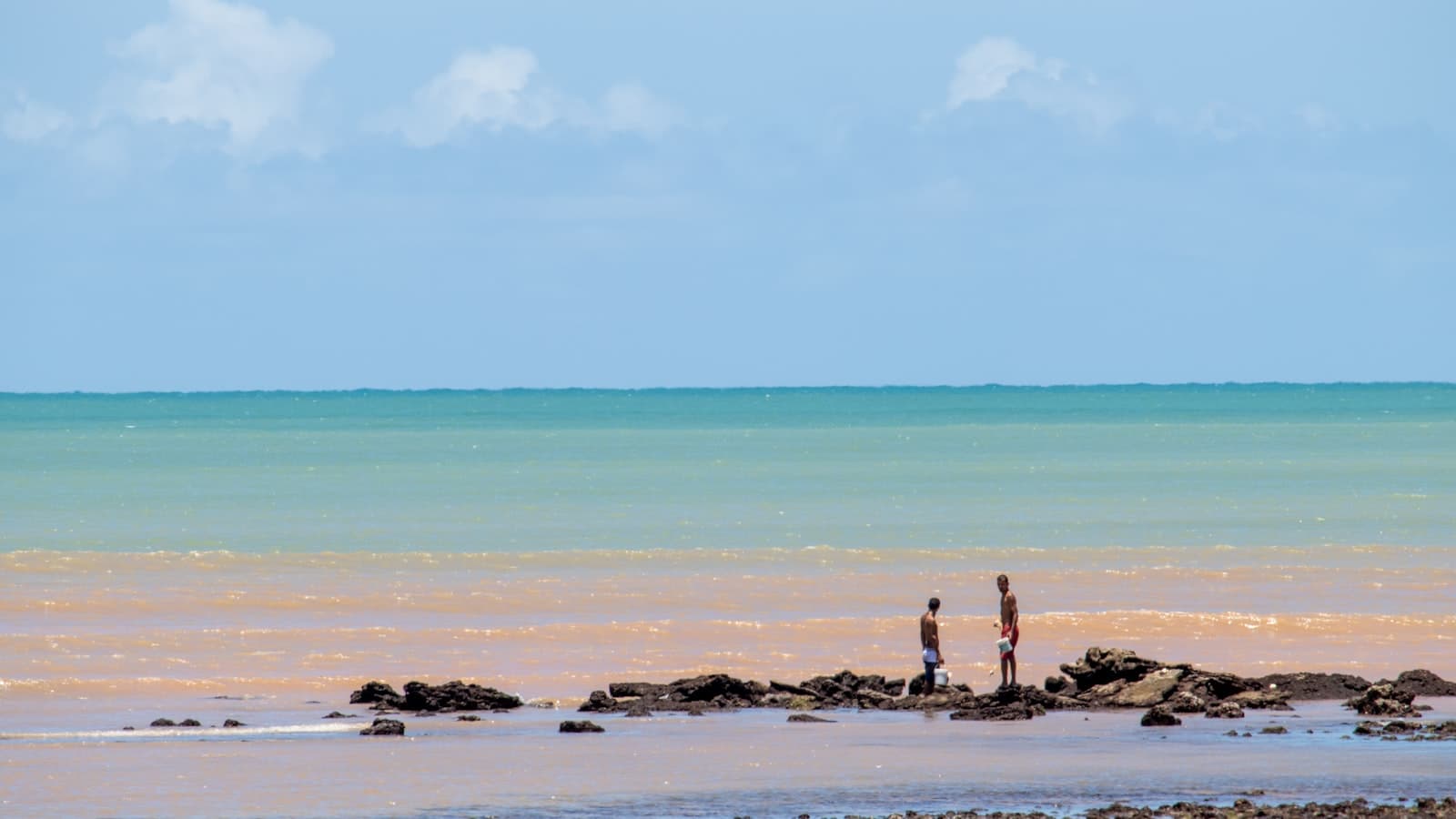
Este ponto mais oriental das Américas oferece um começo de dia distinto.
História completa desbloqueada no tour
 Rogerio121402 / CC BY-SA 4.0, via Wikimedia Commons
Tour de áudio autoguiado por João Pessoa — rota GPS a pé, reprodução offline, narração envolvente em 32 idiomas.
“Onde o sol saúda as Américas primeiro, todos os dias.”
Não os postais. As histórias que nem os locais conhecem — sussurradas ao seu ouvido, exatamente onde aconteceram.
Este ponto mais oriental das Américas oferece um começo de dia distinto.
Caminhe pelas principais praias da cidade e você poderá notar algo incomum no horizonte.
Enquanto o sol se põe sobre o Rio Paraíba, uma melodia particular flutua pela água, criando um ritual diário.
Descubra cada segredo de João Pessoa
Cada endereço, cada revelação na íntegra — no seu ouvido, exatamente onde aconteceu.
Você escolhe as suas paragens. Você caminha. A voz revela o que os outros perdem.
O seu tour áudio autoguiado de João Pessoa está pronto — escolha os seus pontos de interesse, selecione o seu idioma e comece no momento em que chegar.
ComprarA Lume inclui um guia de realidade aumentada. Levante o telemóvel: a câmara mostra a rua à sua frente, com uma seta luminosa sobreposta à imagem real que aponta sempre para a sua próxima paragem — sem mapa para decifrar, sem voltas erradas. Como tudo na Lume, funciona totalmente offline.
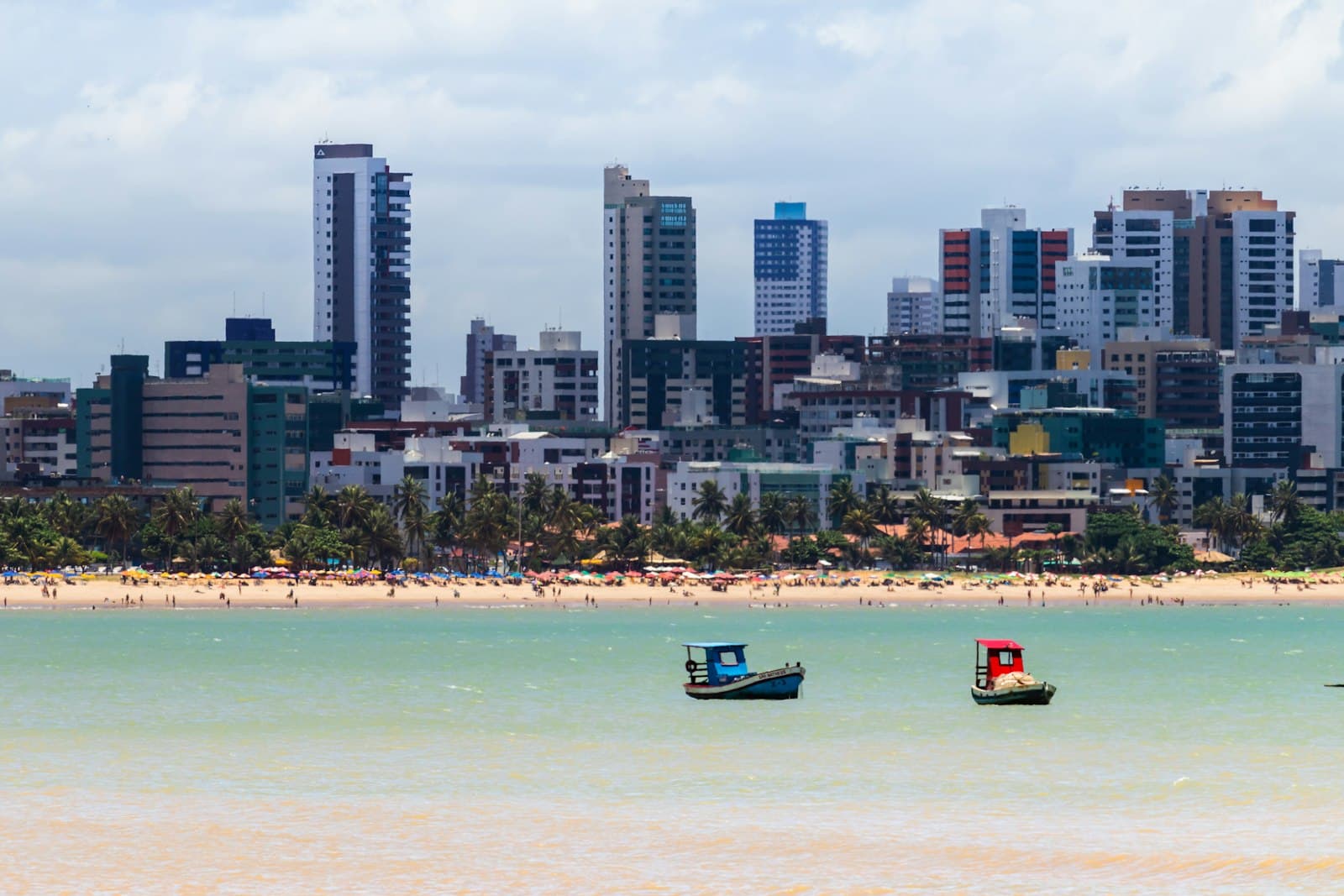
João Pessoa, a capital da Paraíba, é uma cidade costeira no nordeste do Brasil, reconhecida por suas praias tranquilas, história duradoura e um ritmo de vida relaxado. Com uma população estimada superior a 888.000 habitantes, mantém uma atmosfera menos lotada do que outras grandes cidades brasileiras, oferecendo uma experiência mais pacífica. Frequentemente chamada de "a cidade onde o sol nasce primeiro", João Pessoa detém a distinção singular de ser a cidade mais oriental das Américas.
A cidade apresenta uma mistura de beleza natural e patrimônio cultural, uma combinação que lhe rendeu o título de Cidade Criativa da UNESCO em 2017 por seu artesanato e arte popular. Sua costa possui muitas praias com águas quentes e claras e piscinas naturais de recifes, ideais para nadar e mergulhar. Além das praias, João Pessoa oferece um centro histórico com arquitetura colonial, espaços verdes e uma cultura local vibrante.
A história de João Pessoa remonta a 5 de agosto de 1585, quando colonos portugueses fundaram a cidade, inicialmente nomeando-a Nossa Senhora das Neves. Isso a torna uma das cidades mais antigas do Brasil, frequentemente citada como a terceira mais antiga do país. Seu estabelecimento foi um projeto estratégico, em vez de um assentamento espontâneo, durante uma era de guerras coloniais.
Ao longo dos séculos, a cidade passou por várias mudanças de nome. Foi renomeada Filipéia de Nossa Senhora das Neves em homenagem ao Rei Filipe II da Espanha em 1588. Durante a ocupação holandesa em 1634, tornou-se Frederikstad, antes que os portugueses retomassem o controle em 1654. Em 1817, recebeu o status de cidade e foi renomeada Paraíba, em homenagem ao rio e à região. A cidade recebeu seu nome atual, João Pessoa, em 1930, em homenagem ao político assassinado João Pessoa Cavalcanti de Albuquerque, uma figura significativa na história política da região.
O boom do açúcar colonial dos séculos XVI e XVII influenciou muito a economia e a estrutura social inicial de João Pessoa, financiando a construção de mansões coloniais e igrejas que hoje fazem parte de seu patrimônio histórico. Marcos como o Palácio da Redenção, que se tornou a sede do governo, e o Teatro Santa Roza, um dos mais antigos do Brasil, foram construídos durante este período de desenvolvimento urbano e cultural. No final do século XX, foram feitos esforços para preservar este passado duradouro, com o Instituto do Patrimônio Histórico e Artístico do Estado da Paraíba (IPHAEP) listando vários monumentos para proteção em 1980, e os limites do Centro Histórico sendo definidos em 1982. A Universidade Federal da Paraíba, fundada em 1955, cimentou ainda mais o papel de João Pessoa como um centro educacional e científico.
Comece sua exploração na Ponta do Seixas, o ponto mais oriental das Américas, onde você pode testemunhar o primeiro nascer do sol do continente. Perto dali, o Farol do Cabo Branco fica em falésias dramáticas, oferecendo vistas expansivas do oceano, e você pode combinar isso com uma visita à Estação Cabo Branco Ciência, projetada por Oscar Niemeyer. O centro histórico da cidade convida você a passear por seus caminhos, admirando casas coloniais coloridas e igrejas seculares como o Centro Cultural São Francisco, um exemplo significativo da arquitetura barroca no Brasil. Não deixe de visitar o Hotel Globo, um antigo hotel transformado em centro cultural, que oferece vistas panorâmicas da cidade.
Para os entusiastas de praia, João Pessoa oferece uma variedade de opções. A Praia de Tambaú é central e ativa, com quiosques e um mercado de artesanato, enquanto a Praia de Cabo Branco é conhecida por sua areia branca e água morna. Na costa, as Piscinas Naturais do Seixas revelam corais e peixes na maré baixa, perfeitas para mergulho. Para uma experiência de pôr do sol singular, vá para a Praia do Jacaré, onde um saxofonista toca o 'Boléro' de Ravel enquanto o sol se põe no horizonte. Outros locais notáveis incluem o Parque Solón de Lucena, um local histórico no centro da cidade com uma fonte iluminada, e a Casa da Pólvora, uma estrutura de 1710 que agora serve como centro cultural e museu.
João Pessoa goza de um clima tropical com temperaturas consistentemente quentes durante todo o ano, com uma média de cerca de 26°C (79°F). A época mais oportuna para visitar para condições ideais é durante a estação seca, que vai de outubro a dezembro. No entanto, setembro, janeiro e fevereiro também oferecem clima agradável com chuvas menos intensas. Embora a chuva seja possível fora desses meses, ela geralmente vem em chuvas curtas e refrescantes que normalmente passam rapidamente. O período de meados de julho a final de outubro também é considerado ideal para atividades de clima quente e para aproveitar as praias.
João Pessoa é servida pelo Aeroporto Internacional Presidente Castro Pinto (JPA), localizado a cerca de 12 km (7 milhas) do centro. O aeroporto conecta João Pessoa às principais cidades brasileiras como São Paulo, Rio de Janeiro e Brasília, e oferece voos internacionais sazonais para Buenos Aires. Embora o inglês não seja amplamente falado, aprender algumas frases em português irá melhorar muito suas interações com os locais. A cidade é geralmente considerada segura para turistas, embora seja sempre prudente estar ciente do seu entorno e proteger seus pertences, especialmente à noite. Gorjetas não são obrigatórias, mas apreciadas para um bom serviço. A moeda local é o Real Brasileiro (BRL). O custo de vida em João Pessoa é relativamente acessível em comparação com as metrópoles brasileiras maiores. Leve roupas leves e respiráveis, protetor solar com alto FPS e sapatos confortáveis para explorar tanto as áreas históricas quanto as praias.
João Pessoa — coreano, chinês, hebraico e mais 29 idiomas, cada parada narrada por uma voz nativa. A maior variedade de idiomas entre os passeios de áudio autoguiados.
Disponível em: