Quebrada de las Señoritas (Gola delle Signore)
La tradizione locale racconta di un tesoro Inca, custodito da un paesaggio suggestivo.
La storia completa si sblocca nel tour
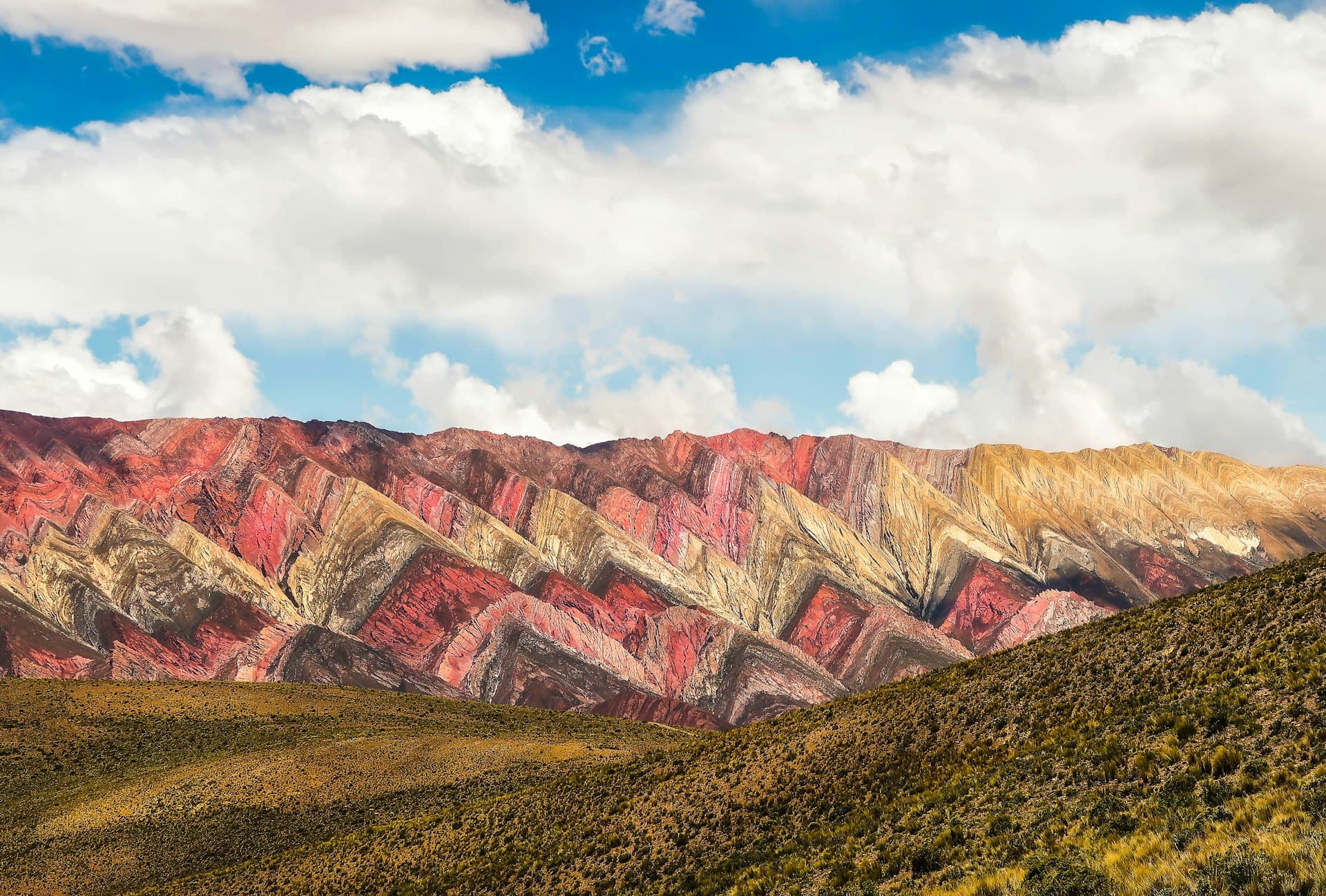 Photo: Hector Ramon Perez / Unsplash
Tour audio autoguidato di Jujuy — percorso GPS a piedi, riproduzione offline, narrazione coinvolgente in 32 lingue.
“Dove la terra antica dipinge l'orizzonte con tonalità evocative.”
Non le cartoline. Le storie che nemmeno i locali conoscono — sussurrate nel tuo orecchio, proprio dove sono accadute.
La tradizione locale racconta di un tesoro Inca, custodito da un paesaggio suggestivo.
Oltre le famose colline multicolori, un sentiero meno conosciuto rivela un'inaspettata bellezza solitaria.
Questa antica città, centro della civiltà pre-incaica, custodisce un segreto sulla sua costruzione che parla della sua duratura resilienza.
Scopri ogni segreto di Jujuy
Ogni indirizzo, ogni rivelazione completa — nel tuo orecchio, proprio dove è accaduta.
Scegli le tue tappe. Cammini. La voce rivela ciò che gli altri perdono.


Il tuo tour audio autoguidato di Jujuy è pronto — scegli i tuoi punti di interesse, seleziona la tua lingua e inizia nel momento in cui arrivi.
AcquistaLume include una guida in realtà aumentata. Alza il telefono: la fotocamera mostra la strada davanti a te, con una freccia luminosa sovrapposta all'immagine reale che punta sempre verso la tua prossima tappa — nessuna mappa da decifrare, nessuna svolta sbagliata. Come tutto in Lume, funziona completamente offline.
Jujuy, Argentina, nel nord-ovest del paese, è una terra dove la terra stessa sembra raccontare storie attraverso i suoi paesaggi drammatici e multicolori. Questa provincia, al confine con Cile e Bolivia, offre una profonda connessione con la Pachamama, o Madre Terra, attraverso le sue vivide tradizioni e paesaggi suggestivi. Dai vasti salares che si estendono fino all'orizzonte alle montagne dipinte in sfumature impossibili, Jujuy presenta una tela di meraviglie naturali e profonde radici culturali.
Spesso descritta come un viaggio nel cuore culturale dell'Argentina, Jujuy è un luogo dove costumi ancestrali, musica e festival sono intessuti nella vita quotidiana. Il terreno diversificato della provincia comprende altipiani d'alta quota, canyon profondi e giungle subtropicali, offrendo una gamma di esperienze dall'esplorazione di antichi siti archeologici alla partecipazione a vivaci celebrazioni locali. È una destinazione che invita i viaggiatori a rallentare, immergersi nella sua atmosfera singolare e scoprire un lato dell'Argentina che appare sia antico che vivo.
La storia di Jujuy risale a millenni fa, con prove di insediamenti umani nella regione da almeno 10.000 anni. Gruppi indigeni come gli Omaguaca e gli Ocloya prosperarono qui, costruendo capanne di fango e formidabili fortezze di pietra per proteggere i loro villaggi. Il Pucará de Tilcara, un insediamento fortificato pre-inca ricostruito, testimonia queste prime civiltà.
Tra la fine del XV e l'inizio del XVI secolo, la regione entrò a far parte dell'espansione dell'Impero Inca. Si ritiene che il nome 'Jujuy' derivi da 'xuxuyoc', un tipo di governatore provinciale Inca incontrato dagli spagnoli. Gli spagnoli fecero diversi tentativi per stabilire un insediamento, affrontando una feroce resistenza da parte dei popoli indigeni. Fu finalmente il 19 aprile 1593 che Francisco de Argañaraz y Murguía fondò con successo San Salvador de Velazco en el Valle de Jujuy, l'odierna capitale, San Salvador de Jujuy.
Durante l'era coloniale, Jujuy ebbe un'importanza strategica come vitale centro commerciale, collegando le miniere d'argento di Potosí (nell'odierna Bolivia) con altri importanti centri del Vicereame del Perù. Le tenute della regione producevano derrate alimentari e muli per le miniere d'argento boliviane, e alla fine del XVII secolo, i dazi doganali per il Vicereame del Perù furono persino trasferiti a Jujuy. Tuttavia, con la creazione del Vicereame del Río de la Plata nel 1776, l'importanza di Jujuy diminuì.
La provincia svolse un ruolo cruciale nella Guerra d'Indipendenza argentina. Il generale Manuel Belgrano, un eroe nazionale, guidò il famoso "Esodo Jujuy" il 23 agosto 1812, una tattica della terra bruciata in cui l'intera popolazione evacuò e distrusse tutto ciò che aveva valore per impedirne la caduta nelle mani dei realisti. Dopo una serie di conflitti interni, Jujuy dichiarò la sua autonomia dalle province di Tucumán e Salta il 18 novembre 1834, affermandosi come provincia indipendente. Tra la fine del XIX e l'inizio del XX secolo si assistette a una crescita economica con l'ascesa dell'industria della canna da zucchero e l'arrivo della ferrovia, che collegò Jujuy a Buenos Aires e La Paz, Bolivia. Nel 1945, Jujuy ospitò il primo moderno stabilimento siderurgico dell'Argentina, rafforzando ulteriormente il suo profilo industriale.
Jujuy offre una vasta gamma di attrazioni, con molte delle sue mete più interessanti concentrate lungo la Ruta 9, che si snoda attraverso la Quebrada de Humahuaca, patrimonio mondiale dell'UNESCO. Questa magnifica valle è rinomata per i suoi pendii montuosi dai colori selvaggi e il suo profondo patrimonio culturale.
Inizia a Purmamarca, sede dell'iconico Cerro de los Siete Colores (Collina dei Sette Colori), una montagna che abbraccia la città con le sue vivide formazioni rocciose stratificate. Percorri il Paseo de Los Colorados, una strada e un sentiero che si snodano attraverso le parti più abbaglianti del paesaggio. Un breve tragitto in auto verso nord conduce a Tilcara, dove puoi esplorare il Pucará de Tilcara, una fortezza pre-inca ricostruita che offre spunti sulla vita antica andina. Continua fino a Humahuaca, una città coloniale con strade strette, nota per il suo Monumento a Los Héroes de la Independencia e la sua atmosfera vivace, specialmente durante il Carnevale.
Oltre la Quebrada, avventurati nelle Salinas Grandes, un'ampia distesa di sale bianco a oltre 3.300 metri di altitudine, dove specchi d'acqua riflettono il cielo. Per uno spettacolo di colori ancora più spettacolare, cerca la Serranía de Hornocal, spesso chiamata la Collina dei 14 Colori, una montagna piramidale che davvero mantiene la sua promessa.
Altre tappe degne di nota includono Maimará, con i suoi pendii montuosi della 'Tavolozza del Pittore', e il verde intenso del Parco Nazionale Calilegua, che preserva un diversificato ecosistema della giungla di Yungas.
Jujuy è una destinazione che può essere apprezzata tutto l'anno, sebbene le stagioni specifiche offrano vantaggi diversi. Per temperature piacevoli e giornate più asciutte, l'autunno argentino (aprile-maggio) e la primavera (settembre-novembre) sono ideali. Questi periodi offrono un clima mite o caldo, con massime medie intorno ai 17-23°C. Per evitare la stagione delle piogge, che va tipicamente da dicembre a marzo, è meglio visitare tra aprile e settembre. Se sei interessato ai festival culturali, pianifica il tuo viaggio durante il Carnevale (febbraio-marzo), quando la regione esplode di colori e musica, in particolare a Humahuaca.
San Salvador de Jujuy, la capitale provinciale, funge da principale snodo dei trasporti e classico punto di partenza per esplorare la regione. Voli diretti sono disponibili da Buenos Aires, con una durata di circa 2 ore e 15 minuti. In alternativa, gli autobus offrono un viaggio più lungo ma panoramico, e noleggiare un'auto offre la libertà di esplorare al proprio ritmo.
Sebbene generalmente sicura, valgono le precauzioni standard: fai attenzione ai tuoi effetti personali nelle aree affollate. In luoghi remoti o d'alta quota, è consigliabile viaggiare con una guida o in gruppo. Il clima di Jujuy varia significativamente con l'altitudine; porta vestiti a strati e una protezione solare essenziale, inclusi cappelli e occhiali da sole, specialmente durante l'estate quando l'esposizione ai raggi UV è intensa. Gli sportelli bancomat sono disponibili a San Salvador de Jujuy, ma è saggio portare con sé alcuni pesos argentini, poiché le città più piccole potrebbero avere opzioni di cambio limitate. Molti luoghi in Jujuy si trovano ad alta quota, quindi fai attenzione al potenziale mal di montagna.
Jujuy — coreano, cinese, ebraico e altre 29 lingue, ogni tappa narrata da una voce madrelingua. La più ampia scelta di lingue tra i tour audio autoguidati.
Disponibile in: