Ponte Juneau-Douglas
A ponte que liga Juneau à Ilha Douglas abriga um detalhe peculiar sobre seus próprios alicerces.
História completa desbloqueada no tour
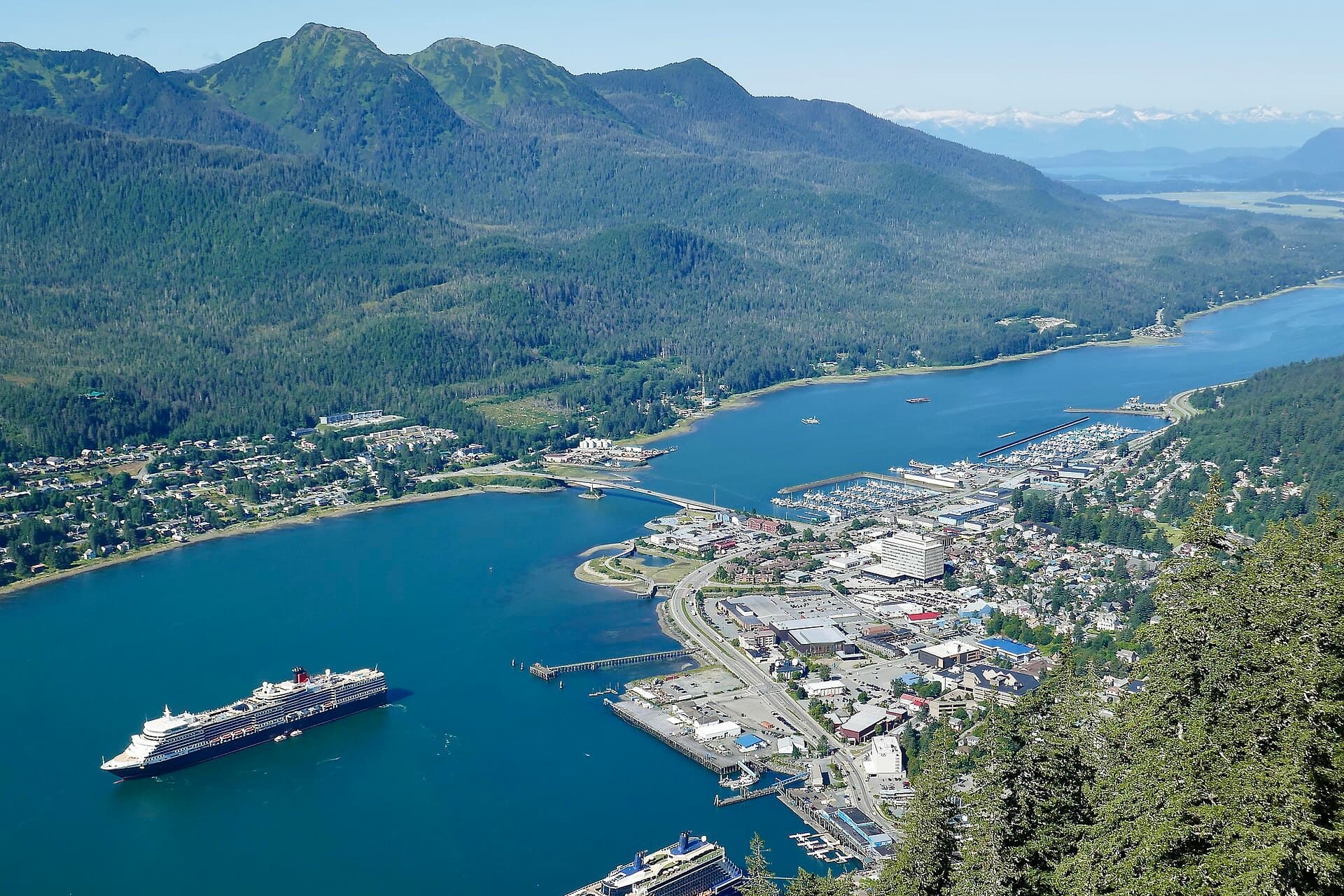 Ifly6 / CC BY-SA 4.0, via Wikimedia Commons
Tour de áudio autoguiado por Juneau — rota GPS a pé, reprodução offline, narração envolvente em 32 idiomas.
“Onde o gelo antigo encontra o mar, e a floresta tropical respira suas histórias silenciosas.”
Não os postais. As histórias que nem os locais conhecem — sussurradas ao seu ouvido, exatamente onde aconteceram.
A ponte que liga Juneau à Ilha Douglas abriga um detalhe peculiar sobre seus próprios alicerces.
Esta geleira acessível esconde uma maravilha única e fugaz que muitos visitantes ignoram.
Além da via principal, uma característica arquitetônica particular nas estruturas mais antigas de Juneau revela um passado curioso.
Descubra cada segredo de Juneau
Cada endereço, cada revelação na íntegra — no seu ouvido, exatamente onde aconteceu.
Você escolhe as suas paragens. Você caminha. A voz revela o que os outros perdem.


O seu tour áudio autoguiado de Juneau está pronto — escolha os seus pontos de interesse, selecione o seu idioma e comece no momento em que chegar.
ComprarA Lume inclui um guia de realidade aumentada. Levante o telemóvel: a câmara mostra a rua à sua frente, com uma seta luminosa sobreposta à imagem real que aponta sempre para a sua próxima paragem — sem mapa para decifrar, sem voltas erradas. Como tudo na Lume, funciona totalmente offline.
Juneau, a capital do Alasca, destaca-se como uma cidade sem igual. É acessível unicamente por via aérea ou marítima, sem estradas que a conectem à rede rodoviária mais ampla da América do Norte. Esse isolamento singular molda seu caráter distinto, uma fusão de grandiosidade selvagem e encanto urbano. A cidade fica no Sudeste do Alasca, ao longo do Canal Gastineau, cercada por montanhas imponentes, geleiras extensas e a Floresta Nacional Tongass, a maior floresta temperada do mundo.
Juneau serve como um nexo para aventureiros ao ar livre, oferecendo oportunidades incomparáveis para observação da vida selvagem, exploração de geleiras e caminhadas. Mais de um milhão de visitantes experimentam Juneau durante um verão comum, atraídos por seu esplendor natural e pela oportunidade de testemunhar baleias jubarte, orcas e ursos em seus ambientes nativos. Além de suas paisagens selvagens, Juneau também possui uma história profunda enraizada na Corrida do Ouro e uma cultura local vibrante influenciada pelas tradições nativas do Alasca.
A história de Juneau começa muito antes do assentamento euro-americano, com as tribos nativas do Alasca, particularmente os Tlingit, pescando nas abundantes rotas de salmão do Canal Gastineau por séculos. A narrativa moderna de Juneau realmente começou em 1880, quando rumores de ouro atraíram garimpeiros para a área. George Pilz, um engenheiro de minas nascido na Alemanha, ofereceu recompensas aos nativos Tlingit do Alasca por amostras promissoras de minério contendo ouro. O Chefe Cowee dos Tlingits Auk apresentou tais amostras, levando Pilz a despachar uma equipe de mineradores, Joe Juneau e Richard Harris, para investigar. Eles descobriram ouro em Silver Bow Basin, ao lado de um riacho que nomearam Gold Creek, marcando a primeira descoberta significativa de ouro no Alasca.
Um ano após essa descoberta, muitos mineradores chegaram, transformando o acampamento em uma vila de tendas e barracos. Inicialmente conhecida como Rockwell e depois Harrisburg, o assentamento foi oficialmente nomeado Juneau em 14 de dezembro de 1881, em homenagem ao garimpeiro Joe Juneau, após uma votação de 72 mineradores. Foi o primeiro assentamento euro-americano estabelecido no território após os Estados Unidos adquirirem o Alasca. Em 1900, Juneau foi incorporada e designada como sede do governo para o Território do Alasca, com as operações governamentais sendo oficialmente transferidas para lá em 1906. Essa transição de Sitka, a capital original, foi determinada pelo Congresso dos EUA em 1900 devido à diminuição da importância de Sitka após o declínio da caça às baleias e do comércio de peles.
Juneau continuou a se expandir, especialmente após o Alasca obter o status de estado em 1959. A cidade sediou a cerimônia oficial de estadualidade, cimentando seu papel como a capital do 49º estado. Em 1º de julho de 1970, a Cidade de Juneau se fundiu com a Cidade de Douglas e o Borough de Greater Juneau circundante, formando a atual cidade-borough consolidada. Hoje, a população de Juneau, que era de 32.255 habitantes no censo de 2020, inclui nativos do Alasca, ilhéus do Pacífico e descendentes de especuladores de ouro. Uma parte considerável da população local trabalha para o governo estadual, federal ou local, ou na indústria do turismo. Muitas estruturas do final do século XIX ainda permanecem, contribuindo para o caráter histórico da cidade.
Juneau apresenta uma riqueza de atrações, muitas facilmente acessíveis a partir dos cais dos navios de cruzeiro. A Geleira Mendenhall é uma atração principal, localizada a cerca de 20 km do centro da cidade. Os visitantes podem explorar o Centro de Visitantes da Geleira Mendenhall para perspectivas de perto, caminhar por trilhas suaves ou embarcar em caminhadas mais desafiadoras. A geleira se estende por 21,9 km e deságua no Lago Mendenhall. Outra atração notável é o Teleférico Mount Roberts, localizado a poucos passos dos cais principais. Este teleférico transporta você 548 metros acima da cidade para vistas panorâmicas de Juneau, do Canal Gastineau e das montanhas circundantes. No cume, você encontrará trilhas para caminhada, uma loja de presentes e um centro de aves de rapina.
O centro de Juneau é compacto e convidativo para caminhadas, repleto de lojas, restaurantes e marcos históricos. Considere visitar o Edifício do Capitólio do Estado do Alasca e o Museu da Cidade de Juneau-Douglas para mergulhar na história e cultura local. Para uma oportunidade fotográfica distinta, procure a Escultura da Baleia Tahku. Aqueles interessados em vida selvagem devem considerar um passeio de observação de baleias, pois Juneau é um excelente local para observar baleias jubarte e orcas, com muitas empresas oferecendo avistamentos garantidos. A cidade também abriga 280 espécies de aves, ursos pardos e negros, e cinco espécies de salmão.
A época mais favorável para visitar Juneau é durante os meses de verão, de maio a setembro. Este período marca o auge da temporada turística, oferecendo o clima mais ameno, com temperaturas variando de 13°C a 18°C, e longas horas de luz do dia, às vezes chegando a 18 horas em junho e julho. Esta estação é ideal para atividades ao ar livre e observação da vida selvagem, incluindo observação de baleias. Embora a chuva seja comum durante todo o ano, a estação mais seca geralmente se estende de fevereiro a meados de agosto. O outono, de setembro a outubro, traz temperaturas mais frias, cores vibrantes de outono e menos multidões, tornando-o uma boa escolha para uma experiência mais tranquila.
O Aeroporto Internacional de Juneau (JNU) serve como a principal conexão aérea para Juneau, já que a cidade permanece inacessível por estrada. As principais companhias aéreas, como a Alaska Airlines, oferecem voos diretos para Seattle, Anchorage e outros destinos regionais. Do aeroporto, os viajantes podem chegar ao centro da cidade de táxi, serviços de transporte locais ou Capital Transit, o sistema de transporte público da cidade. Para passageiros de cruzeiros, Juneau oferece várias áreas de atracação. Os Cais AS, CT e FKL estão localizados centralmente no centro da cidade, proporcionando fácil acesso a pé a lojas, restaurantes e passeios. O Cais AJ fica a aproximadamente 1,6 km ao sul do centro da cidade, com um serviço de transporte gratuito que opera regularmente para o terminal de cruzeiros do centro. Táxis e transportes locais estão disponíveis, embora serviços de transporte por aplicativo como Uber e Lyft possam não estar sempre disponíveis de forma consistente. Vista-se em camadas, pois o clima de Juneau pode ser imprevisível, e leve equipamento de chuva, independentemente da estação.
Juneau — coreano, chinês, hebraico e mais 29 idiomas, cada parada narrada por uma voz nativa. A maior variedade de idiomas entre os passeios de áudio autoguiados.
Disponível em: