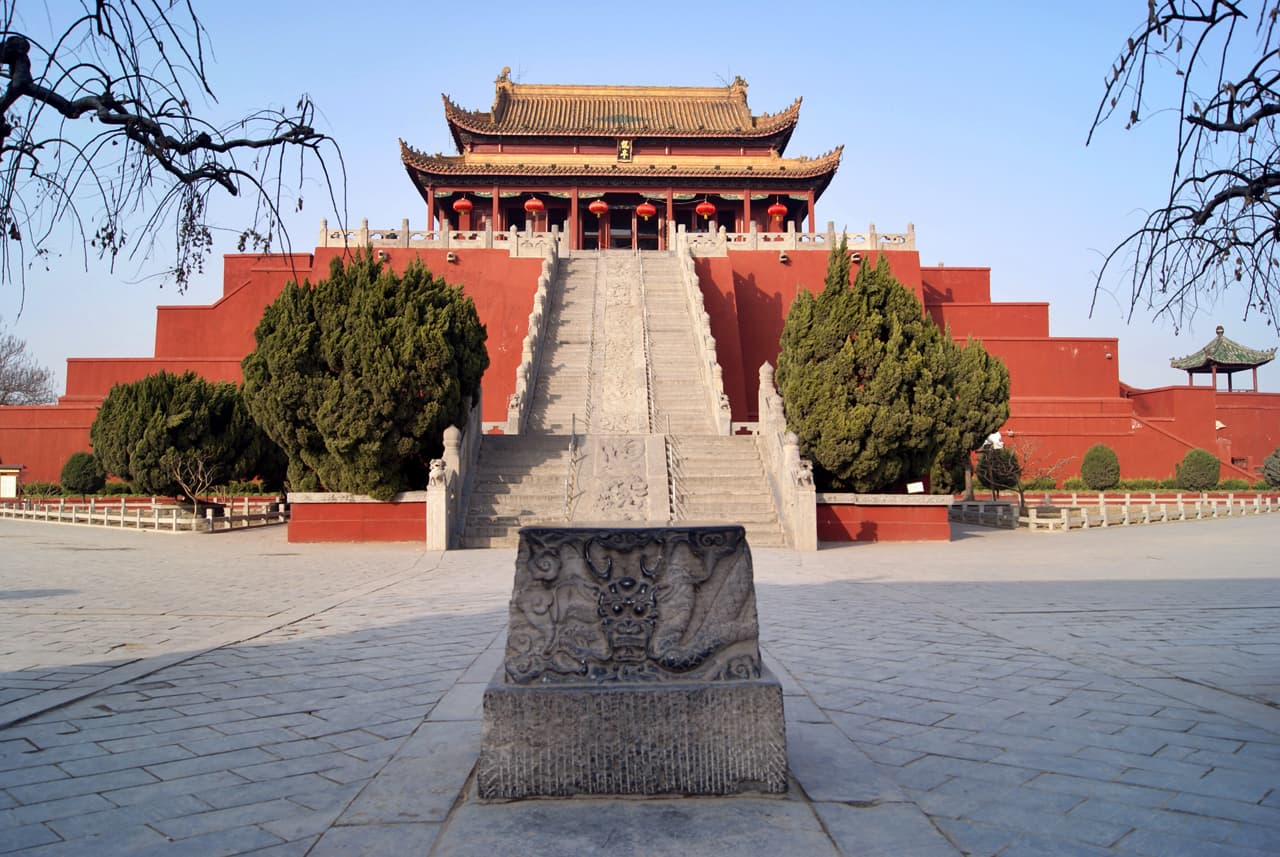
Muralhas da Cidade de Kaifeng
As muralhas duradouras de Kaifeng guardam um segredo que fala da notável resiliência da cidade.
História completa desbloqueada no tour
 caoyuan / CC BY-SA 3.0, via Wikimedia Commons
Tour de áudio autoguiado por Kaifeng — rota GPS a pé, reprodução offline, narração envolvente em 32 idiomas.
“Kaifeng: Onde os ecos das dinastias encontram o ritmo da vida moderna.”
Não os postais. As histórias que nem os locais conhecem — sussurradas ao seu ouvido, exatamente onde aconteceram.
As muralhas duradouras de Kaifeng guardam um segredo que fala da notável resiliência da cidade.
Sob o brilho suave da Torre do Tambor, uma tradição culinária floresce o ano todo, desafiando as expectativas sazonais.
Kaifeng abrigou uma comunidade cuja presença pode surpreender muitos que exploram o passado da China.
Descubra cada segredo de Kaifeng
Cada endereço, cada revelação na íntegra — no seu ouvido, exatamente onde aconteceu.
Você escolhe as suas paragens. Você caminha. A voz revela o que os outros perdem.
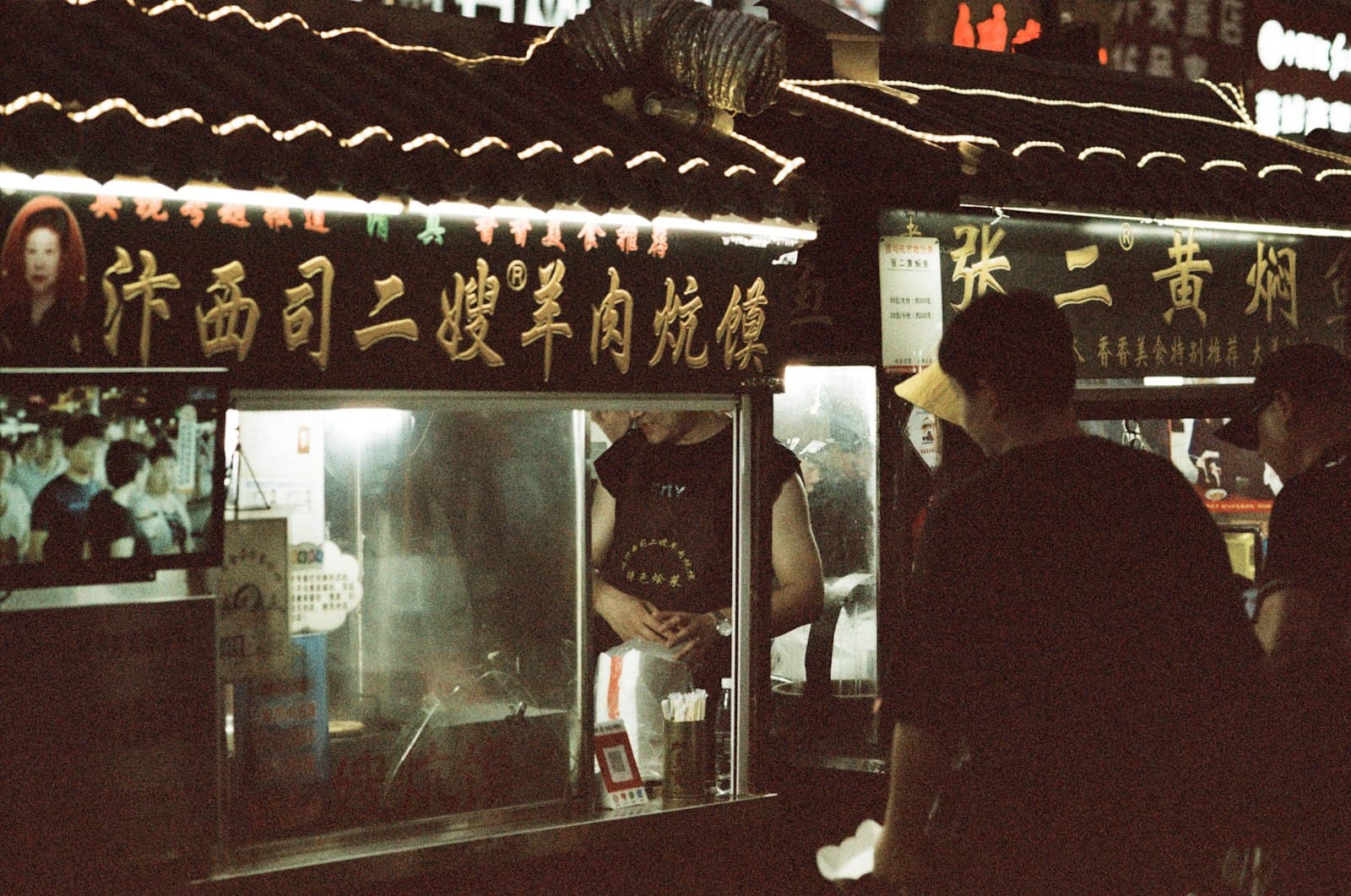
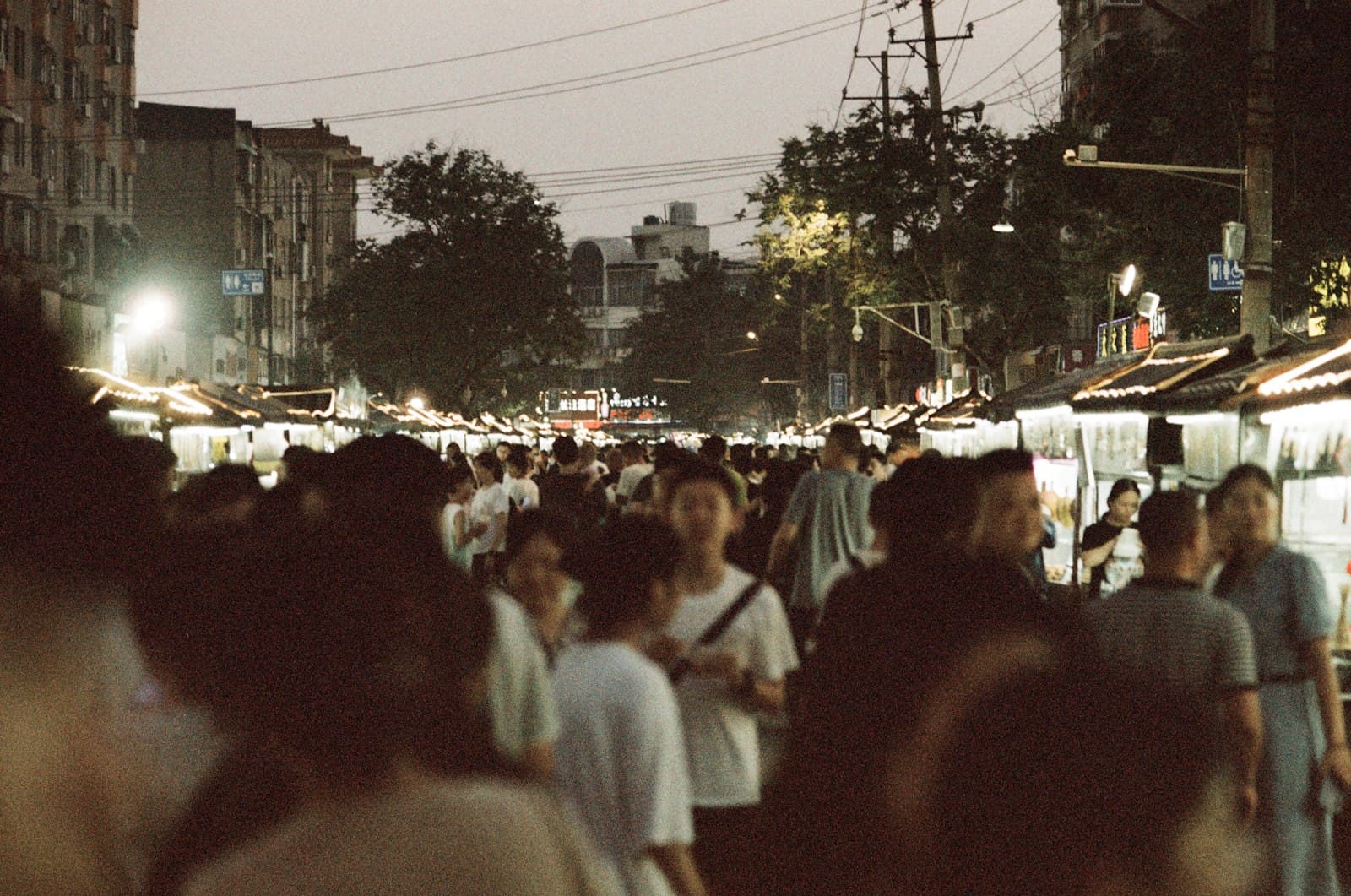
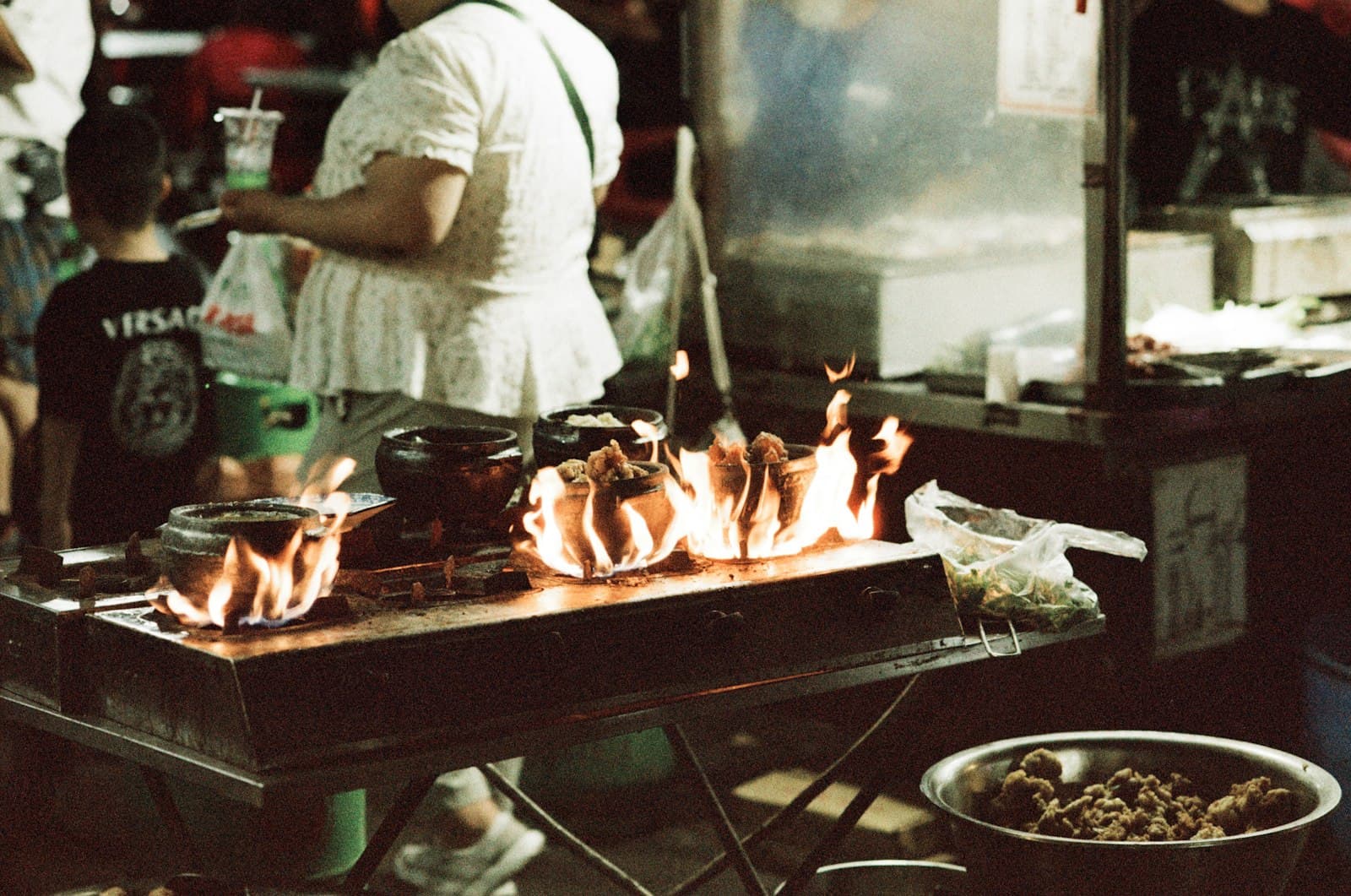
O seu tour áudio autoguiado de Kaifeng está pronto — escolha os seus pontos de interesse, selecione o seu idioma e comece no momento em que chegar.
ComprarA Lume inclui um guia de realidade aumentada. Levante o telemóvel: a câmara mostra a rua à sua frente, com uma seta luminosa sobreposta à imagem real que aponta sempre para a sua próxima paragem — sem mapa para decifrar, sem voltas erradas. Como tudo na Lume, funciona totalmente offline.
Kaifeng, uma cidade de nível de prefeitura no centro-leste da província de Henan, é um testemunho vivo da profunda narrativa histórica da China. Reconhecida como uma das Oito Antigas Capitais da China, suas raízes remontam a mais de 4.100 anos, tornando-a um dos assentamentos continuamente habitados mais antigos do país. Durante a Dinastia Song do Norte (960–1127 d.C.), Kaifeng, então conhecida como Dongjing (Capital do Leste), atingiu seu zênite, tornando-se a cidade mais próspera e movimentada da China e, possivelmente, a maior cidade do mundo. Sua localização estratégica ao longo do Grande Canal cimentou seu status como uma metrópole comercial vital e o centro comercial mais importante da Ásia Oriental.
Hoje, Kaifeng oferece uma mistura atraente de herança antiga e vida local vibrante. Embora muitas de suas estruturas históricas sejam reconstruções ou memoriais devido a um passado moldado por inundações e conflitos, a cidade mantém uma atmosfera encantadora. Os visitantes podem explorar maravilhas arquitetônicas, mergulhar em tradições culturais e experimentar uma cena vibrante de comida de rua que continua a atrair pessoas de toda a região. O espírito duradouro de Kaifeng se reflete em suas muralhas bem preservadas e em sua posição única como a única capital chinesa antiga cujo eixo central permaneceu inalterado ao longo de milênios de reconstrução.
Além de sua importância histórica, Kaifeng é uma cidade que abraça sua identidade cultural, particularmente através de sua longa história de cultivo e apreciação de crisântemos, celebrada anualmente com um grande festival. Sua cena culinária, berço da culinária de Henan, oferece uma variedade distinta de sabores, desde bolinhos de sopa salgados até noodles fritos crocantes. Para aqueles que buscam se conectar com um passado histórico e experimentar a autêntica cultura chinesa, Kaifeng apresenta uma jornada imersiva.
## Uma Capital Através das Dinastias A história registrada de Kaifeng abrange quase 3.000 anos, com suas origens remontando ao período Yin-Shang. Ela primeiro ganhou proeminência como a capital do Reino de Wei durante o Período dos Estados Combatentes, quando era conhecida como Daliang. A importância estratégica da cidade cresceu com a construção de canais antigos, ligando-a ao Rio Amarelo e facilitando o comércio.
Após um período de destruição após a conquista Qin, Kaifeng foi revitalizada no início do século VII, tornando-se um importante centro comercial devido à sua conexão com o Grande Canal. Serviu como capital para várias dinastias durante o período das Cinco Dinastias e Dez Reinos, incluindo os Jin Posteriores, Han Posteriores e Zhou Posteriores. A era mais ilustre de Kaifeng foi, sem dúvida, durante a Dinastia Song do Norte (960-1127 d.C.). Como capital, então chamada Dongjing ou Bianjing, foi um centro cosmopolita com uma população estimada entre 400.000 e 1 milhão, tornando-se a maior cidade do mundo durante grande parte do século XI. Este período viu imensa prosperidade, atraindo expatriados de várias regiões, incluindo árabes, persas e uma comunidade judaica bem documentada.
Apesar de seu florescimento econômico e cultural, a localização de Kaifeng nas planícies aluviais do Rio Amarelo a tornou militarmente vulnerável e suscetível a inundações devastadoras. A cidade sofreu inúmeras inundações, com cinco grandes eventos apenas entre 1375 e 1416. Um evento particularmente catastrófico ocorreu em 1642 durante um cerco pelos rebeldes de Li Zicheng, quando o exército Ming inundou intencionalmente a cidade com água do Rio Amarelo, resultando na morte de todos, exceto 30.000 de seus 370.000 habitantes. A cidade foi abandonada e posteriormente reconstruída durante a dinastia Qing em 1662 e novamente em 1843 após outra inundação.
Kaifeng permaneceu a capital da província de Henan até 1954, quando a capital provincial foi transferida para Zhengzhou. Hoje, a cidade continua a abraçar suas profundas raízes históricas, com suas muralhas duradouras e a característica única de ter sido construída e reconstruída no mesmo eixo central por milênios.
Comece sua exploração na Pagoda de Ferro (Tie Ta), uma estrutura de tijolos do século XI no canto nordeste da cidade. Seus azulejos marrons esmaltados lhe dão a aparência de ferro fundido, e ela resistiu a séculos de desastres naturais. Perto dali, o Parque Pavilhão do Dragão (Long Ting Gongyuan) fica nos antigos terrenos do palácio imperial de seis dinastias. É um local pitoresco para um passeio tranquilo, oferecendo vistas dos lagos Pan e Yang.
Para uma viagem de volta à Dinastia Song, visite o Jardim da Paisagem Ribeirinha Qingming (Qingming Shanghe Yuan). Este parque de diversões em grande escala recria a próspera cidade antiga retratada na famosa pintura em rolo do século XII Ao Longo do Rio Durante o Festival Qingming, completa com edifícios reconstruídos e apresentações diárias. Adjacente a ele está a Rua Imperial da Dinastia Song (Songdu Yujie), uma recriação da movimentada rua comercial daquela época, agora ladeada por lojas que vendem souvenirs e artesanato local.
Mergulhe na história judicial da cidade no Templo Memorial do Lorde Bao (Templo Lord Bao), dedicado a Bao Zheng, um oficial incorruptível da Dinastia Song. O complexo apresenta exposições sobre sua vida e política honesta. Perto dali, o Yamun de Kaifeng oferece outro vislumbre da administração antiga. Não perca o Templo Xiangguo (Da Xiangguo Si), um renomado santuário budista reconstruído em 1766, famoso por sua estátua de madeira de quatro faces de Avalokitesvara. Finalmente, o Salão da Guilda Shanshangan (Shanshangan Huiguan), um luxuoso edifício da dinastia Qing, exibe arquitetura requintada e a história das associações de comerciantes.
As épocas ideais para visitar Kaifeng são durante os meses de primavera (março a maio) e outono (setembro a novembro). A primavera oferece temperaturas amenas, variando de 10°C a 30°C, com pouca chuva. A cidade também sedia o Festival de Cultura e Arte da Dinastia Song em abril. O outono, especialmente de final de outubro a final de novembro, é amplamente reconhecido como a melhor estação devido ao clima agradável e ao renomado Festival de Crisântemos, um grande destaque cultural. Os verões (junho a agosto) são quentes, úmidos e chuvosos, com máximas diárias médias acima de 26°C e precipitação significativa. Os invernos (dezembro a fevereiro) são frios e em sua maioria secos, com temperaturas médias mínimas em torno de -4°C.
Kaifeng não tem aeroporto próprio; o mais próximo é o Aeroporto Zhengzhou Xinzheng (CGO), a aproximadamente uma hora de distância. Do aeroporto, você pode pegar um trem de alta velocidade, um ônibus shuttle para o Civil Aviation Hotel de Zhengzhou e, em seguida, um ônibus local, ou um táxi para Kaifeng. Kaifeng é bem conectada por trem, situada na linha Xangai-Xi'an. Trens de alta velocidade oferecem serviços para Zhengzhou, Xangai e Hangzhou, enquanto trens regulares conectam a várias cidades. Existem duas estações de trem principais: Estação Ferroviária de Kaifeng e Estação Ferroviária Norte de Kaifeng.
Dentro da cidade, ônibus locais são uma maneira eficiente e barata de se locomover, com muitas rotas começando na estação de trem e cobrindo as principais atrações por uma tarifa de ¥1. O ônibus 20 é uma rota turística dedicada. Táxis também estão prontamente disponíveis, com uma tarifa básica de ¥5 para os primeiros 3 km e ¥1 para cada quilômetro adicional; a maioria das corridas dentro da cidade não excederá ¥15. Para uma experiência local única, considere um 'bengbeng', um riquixá motorizado, para viagens curtas.
Kaifeng — coreano, chinês, hebraico e mais 29 idiomas, cada parada narrada por uma voz nativa. A maior variedade de idiomas entre os passeios de áudio autoguiados.
Disponível em: