The Art We Are Cafe
Além do café e da arte local, uma conversa tranquila se desenrola dentro destas paredes.
História completa desbloqueada no tour
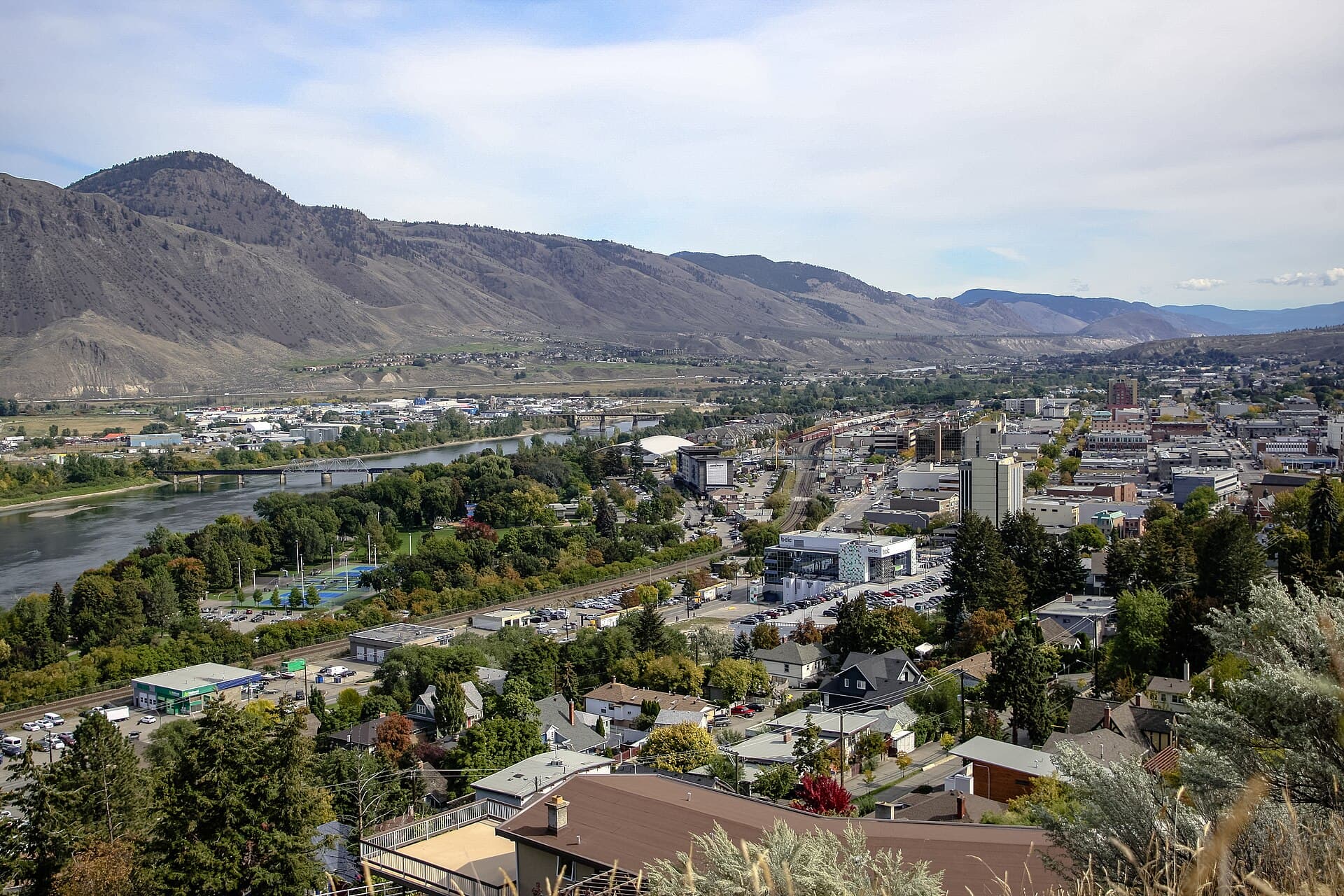 YKA Ang / CC BY-SA 4.0, via Wikimedia Commons
Tour de áudio autoguiado por Kamloops — rota GPS a pé, reprodução offline, narração envolvente em 32 idiomas.
“Onde dois rios convergem, um espírito vibrante prospera sob o sol abundante.”
Não os postais. As histórias que nem os locais conhecem — sussurradas ao seu ouvido, exatamente onde aconteceram.
Além do café e da arte local, uma conversa tranquila se desenrola dentro destas paredes.
A maioria dos lugares apresenta uma linha de árvores marcando o ponto mais alto em que as árvores podem crescer, mas Kamloops apresenta uma exceção marcante.
A paisagem aqui evoca o Sudoeste Americano, uma visão surpreendente na Colúmbia Britânica.
Descubra cada segredo de Kamloops
Cada endereço, cada revelação na íntegra — no seu ouvido, exatamente onde aconteceu.
Você escolhe as suas paragens. Você caminha. A voz revela o que os outros perdem.


O seu tour áudio autoguiado de Kamloops está pronto — escolha os seus pontos de interesse, selecione o seu idioma e comece no momento em que chegar.
ComprarA Lume inclui um guia de realidade aumentada. Levante o telemóvel: a câmara mostra a rua à sua frente, com uma seta luminosa sobreposta à imagem real que aponta sempre para a sua próxima paragem — sem mapa para decifrar, sem voltas erradas. Como tudo na Lume, funciona totalmente offline.
Kamloops, uma cidade no centro-sul da Colúmbia Britânica, Canadá, tem sua casa no ponto onde os rios North e South Thompson se fundem, formando o poderoso rio Thompson. Essa posição geográfica distinta é refletida em seu nome, derivado da palavra Secwépemc 'Tk'emlúps', que significa 'encontro das águas'. Reconhecida como o coração comercial do Thompson Country, Kamloops oferece um destino que combina esplendor natural com uma atmosfera urbana vibrante.
Com mais de 2.000 horas de sol por ano, Kamloops oferece um clima que incentiva a exploração ao ar livre durante todas as estações. De colinas cobertas de artemísia a profundos cânions de rios, as paisagens variadas que cercam a cidade criam um cenário para uma ampla gama de atividades, tornando-a um refúgio para os amantes da natureza. Além de seu apelo natural, Kamloops também é conhecida como a Capital de Torneios do Canadá, sediando mais de 100 eventos esportivos anualmente.
A área de Kamloops tem sido lar dos povos Secwépemc e Nlaka'pamux por quase 10.000 anos. Sua profunda conexão com a terra é evidente no nome da cidade, 'Tk'emlúps', que significa 'encontro das águas' — uma referência à confluência dos rios North e South Thompson.
Comerciantes de peles europeus chegaram em 1811, estabelecendo um posto para a Astoria Company em 1812, que mais tarde se tornou um forte da Hudson's Bay Company. Isso marcou o início de Kamloops como um centro comercial significativo, um papel solidificado por sua localização estratégica ao longo da Hudson's Bay Brigade Trail, conectando vários fortes na região.
A metade do século XIX trouxe uma nova onda de colonos com a Corrida do Ouro do Rio Fraser de 1857. Kamloops tornou-se um ponto de trânsito vital para garimpeiros que se dirigiam aos campos de ouro, povoando ainda mais a área e iniciando a pecuária na região. A promessa de uma ferrovia levou a Colúmbia Britânica a se juntar ao Canadá em 1871, e a construção chegou a Kamloops em 1883. A conclusão da Canadian Pacific Railway em 1886 e uma segunda ferrovia em 1912 transformaram Kamloops em um importante centro de transporte.
Kamloops foi oficialmente incorporada como cidade em 1º de julho de 1893, com uma população de aproximadamente 500 residentes. A cidade continuou a se expandir, com a fusão da Vila de North Kamloops em 1967 e outras comunidades adjacentes nos anos seguintes. O boom econômico do pós-guerra viu o estabelecimento de indústrias pesadas, incluindo uma refinaria de petróleo, um gasoduto e uma fábrica de celulose e papel até a década de 1960. A década de 1970 trouxe mais desenvolvimento com a abertura do Cariboo College (agora Thompson Rivers University) e a conclusão de importantes rodovias. Um ressurgimento econômico significativo no final dos anos 1980, marcado pela abertura do Riverside Coliseum em 1992, abriu caminho para Kamloops ser conhecida como a Capital de Torneios do Canadá.
Comece sua exploração no Riverside Park, um espaço verde central ao longo do rio Thompson, oferecendo trilhas para caminhada, uma praia de areia e um splash pad para famílias. O parque também sedia shows gratuitos ao vivo nas noites de verão. Para um mergulho mais profundo no passado da região, o Kamloops Museum & Archives apresenta exposições sobre a história das Primeiras Nações, o comércio de peles e o desenvolvimento da cidade.
Aqueles que amam a natureza encontrarão muito para explorar. O Kenna Cartwright Nature Park, o maior parque municipal da cidade, possui mais de 40 quilômetros de trilhas com vistas expansivas de Kamloops e da paisagem circundante. O BC Wildlife Park é um santuário para mais de 200 animais canadenses resgatados, incluindo ursos-pardos, bisões e pumas, oferecendo oportunidades de observação e interação. Para aqueles interessados em sabores locais, a Kamloops Wine Trail inclui várias vinícolas como Privato Vineyard & Winery e Monte Creek Ranch Winery, oferecendo degustações e passeios pelas vinhas.
Kamloops também é um destino proeminente para mountain bike, lar do Kamloops Bike Ranch de 26 hectares, o maior parque municipal de bicicletas do Canadá. Durante o inverno, o Sun Peaks Resort e a Harper Mountain oferecem oportunidades para esqui e snowboard.
Kamloops experimenta um clima semiárido com verões quentes e ensolarados e invernos amenos, tornando-a um destino durante todo o ano. Para atividades de clima quente como caminhadas, ciclismo, natação e passeios de barco, a melhor época para visitar é de junho a meados de setembro, quando as temperaturas variam em média entre 24°C e 28°C. As temporadas intermediárias de março a maio e de setembro a novembro oferecem clima mais ameno e menos multidões, ideal para quem prefere uma experiência mais tranquila. O inverno, de meados de novembro a meados de abril, é perfeito para esqui e snowboard nas estâncias próximas.
Kamloops é facilmente acessível, situada na junção de quatro rodovias principais, tornando-a uma viagem conveniente de cidades como Vancouver, Calgary, Edmonton e Seattle. A cidade também possui um aeroporto, Fulton Field, fornecendo conexões aéreas. Uma vez em Kamloops, o centro da cidade é acessível a pé, e um sistema de ônibus público atende à cidade em geral. Agências de aluguel de carros estão disponíveis para aqueles que preferem dirigir.
As opções de acomodação em Kamloops incluem mais de 3.000 quartos de hotel e motel em mais de 50 propriedades, bem como locais de acampamento ou RV privados e públicos a uma unidade de 45 minutos do centro. A cena culinária da cidade oferece uma gama diversificada de restaurantes, muitos concentrados na área central. Kamloops também oferece acesso Wi-Fi gratuito no Kamloops Museum and Archives.
Kamloops — coreano, chinês, hebraico e mais 29 idiomas, cada parada narrada por uma voz nativa. A maior variedade de idiomas entre os passeios de áudio autoguiados.
Disponível em: