Ват Пра Кео
Этот королевский храм разделяет свое название с самым священным храмом Таиланда в Бангкоке, намекая на глубокую связь.
Полная история открывается в туре
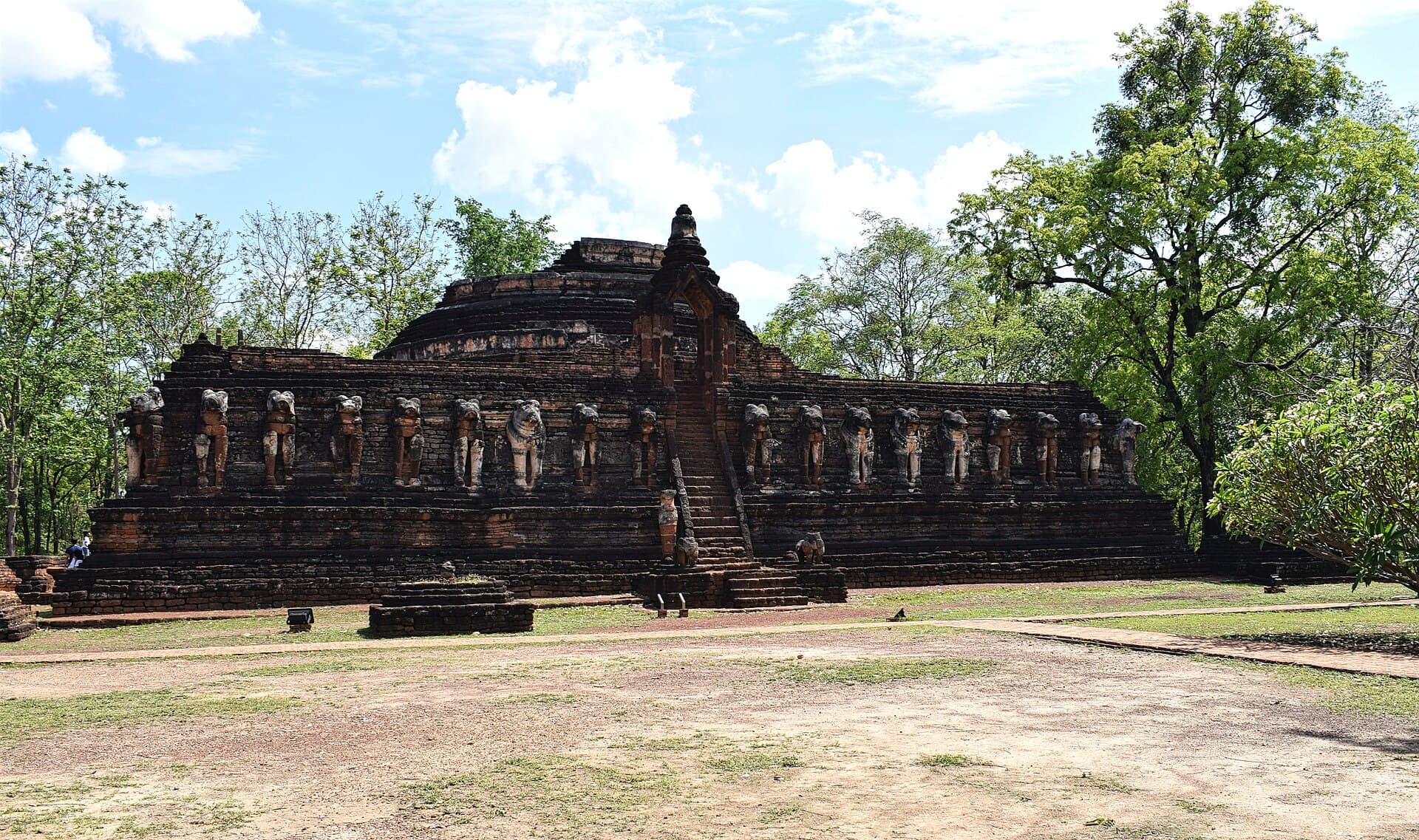 PumpkinSky / CC BY-SA 4.0, via Wikimedia Commons
Самостоятельная аудиопрогулка по Кампхэнгпхет — GPS-маршрут, офлайн-воспроизведение, увлекательное повествование на 32 языках.
“Где древние стены отзываются вечными историями.”
Не открытки. Истории, которые не знают даже местные жители — шепотом в вашем ухе, прямо там, где они произошли.
Этот королевский храм разделяет свое название с самым священным храмом Таиланда в Бангкоке, намекая на глубокую связь.
Вы можете наблюдать любопытный, шумный ритуал, совершаемый проезжающими автомобилями у этого, казалось бы, обычного святилища.
Несмотря на статус объекта Всемирного наследия ЮНЕСКО, этот обширный исторический парк часто кажется вашим собственным частным археологическим открытием.
Откройте для себя каждый секрет Кампхэнгпхет
Каждый адрес, каждое полное раскрытие — в вашем ухе, прямо там, где это произошло.
Вы выбираете остановки. Вы гуляете. Голос раскрывает то, что упускают другие.

Ваш самостоятельный аудиотур по Кампхэнгпхет готов — выберите свои достопримечательности, выберите свой язык и начните в момент прибытия.
КупитьВ Lume встроен гид дополненной реальности. Поднимите телефон: камера показывает улицу перед вами, а поверх реального изображения светится стрелка, всегда указывающая на вашу следующую остановку — не нужно разбираться с картой и сворачивать не туда. Как и всё в Lume, это работает полностью офлайн.
Кампенгпхет, город в нижнем северном Таиланде, тихо приглашает вас в древнее прошлое страны, часто упускаемое из виду теми, кто путешествует между Бангкоком и Чиангмаем. Его название, означающее «стена, твердая как алмаз», намекает на его грозную историю как стратегического оборонительного форпоста как для королевств Сукхотай, так и для Аюттхая. Расположенный на восточном берегу реки Пинг, город определяется своим Историческим парком, внесенным в список Всемирного наследия ЮНЕСКО, обширным археологическим памятником, который побуждает к тихому созерцанию среди его руин из латерита и лесных храмов.
Помимо исторического парка, Кампенгпхет раскрывает подлинный сегмент повседневной тайской жизни, в значительной степени нетронутый массовым туризмом. Центр города предлагает местные рынки, набережные вдоль реки и непринужденную атмосферу, предлагая освежающий контраст с более посещаемыми местами Таиланда. Это место, где переплетаются непреходящая история и местная культура, представляя подлинный опыт для тех, кто ищет более глубокого погружения в наследие Таиланда.
Регион вокруг Кампенгпхета имеет историю, восходящую к цивилизации Даваратхи, культуре Мон, процветавшей в центральном Таиланде между 6-м и 11-м веками. Однако Кампенгпхет действительно достиг известности в 14 веке как королевский город в составе королевства Сукхотай, тогда известного как Чаканграо. Его стратегическое расположение, на полпути между равнинами центральной реки Чаупхрая и королевством Ланна на севере, а также его близость к Бирме, сделали его жизненно важной системой обороны.
По мере того как королевство Сукхотай процветало, так же процветал и Кампенгпхет, служащий важным фронтом против захватчиков с севера. Укрепления города, от которых он получил свое название «стена, твердая как алмаз», были построены с трехслойными рвами и латеритными валами, демонстрируя впечатляющую оборонительную архитектуру. Эти стены, длиной примерно 2 километра с каждой стороны, когда-то охватывали процветающий древний город.
Значение Кампенгпхета распространялось и на королевство Аюттхая, где он оставался важным форпостом. Буддийские памятники в историческом парке отражают архитектурные стили как Сукхотая, так и Аюттхаи, создавая уникальное художественное сочетание. Однако его значение постепенно уменьшалось, и к середине 14 века, с подъемом Аюттхаи, он был переклассифицирован в гарнизонный пост. Исторический парк города с его хорошо сохранившимися руинами был в конечном итоге признан объектом Всемирного наследия ЮНЕСКО в 1991 году, укрепив его место в глубокой исторической летописи Таиланда.
Главная достопримечательность Кампенгпхета — его Исторический парк, внесенный в список Всемирного наследия ЮНЕСКО, обширный комплекс древних руин, разделенный на внутригородскую зону внутри старого укрепленного города и северную лесную зону Араньяик. Посетители могут исследовать эти районы на велосипеде, который можно арендовать у входа в парк или в гостевых домах.
Внутригородская зона, уделите время осмотру Ват Пра Кео, крупнейшего храмового комплекса, с культовой троицей статуй Будды: одна лежащая и две сидящие. Неподалеку Ват Пра Тхат является еще одним значимым руином.
Зона Араньяик, лесной храмовый район, предлагает более рассредоточенное исследование. Интересные места включают Ват Пра Си Ирийабот, известный своей возвышающейся стоящей статуей Будды, и Ват Чанг Роб, или «Храм, окруженный слонами», где статуи слонов, кажется, поддерживают чеди. Национальный музей Кампенгпхета предлагает дальнейший исторический контекст артефактам, найденным в парке.
Помимо исторического парка, рассмотрите неспешную прогулку по набережной реки Пинг для любования закатом и посещения местного ночного рынка. Для тех, кто ценит природу, Национальный парк Кхлонг Лан, расположенный недалеко от города, предлагает впечатляющие водопады и возможности для треккинга.
Самое приятное время для посещения Кампенгпхета — прохладный, сухой сезон, который длится с ноября по февраль. В эти месяцы температура прохладнее, обычно колеблется от 76°F до 78°F, что делает исследование исторического парка и других достопримечательностей на свежем воздухе более комфортным. Качество воздуха обычно чистое, а количество осадков минимально. Рекомендуется избегать жаркого сезона с марта по май, когда температура может достигать 99°F, и сезона дождей с мая по октябрь, который приносит более высокую влажность и увеличенное количество осадков, что может повлиять на планы на свежем воздухе.
До Кампенгпхета можно добраться в основном на автобусе. Автобусы с автовокзала Мочит в Бангкоке идут примерно пять-шесть часов. Из Сукхотая доступны автобусы или сонгтео (переоборудованные пикапы), которые идут около 1,5-2,5 часов. Автовокзал находится в нескольких километрах от центра города, поэтому рассмотрите возможность организации трансфера с вашим жильем или воспользуйтесь мототакси или сонгтео до города.
Передвигаться по Кампенгпхету лучше всего на велосипеде, особенно для осмотра исторического парка. Прокат доступен у входа в парк и в некоторых гостевых домах, обычно стоит около 30-50 тайских бат в день. Хотя общественный транспорт в городе ограничен, центр города проходим. Варианты размещения несколько ограничены, но их можно найти недалеко от исторического парка или вдоль реки Пинг.
Кампхэнгпхет: корейский, китайский, иврит и ещё 29 языков — каждую остановку озвучивает носитель языка. Самый широкий выбор языков среди аудиоэкскурсий без гида.
Доступные языки: