Замок Карацу
Первоначальное строительство замка имело удивительную тайну, касающуюся его материалов, деталь, которую часто упускают из виду из-за его грандиозного вида.
Полная история открывается в туре
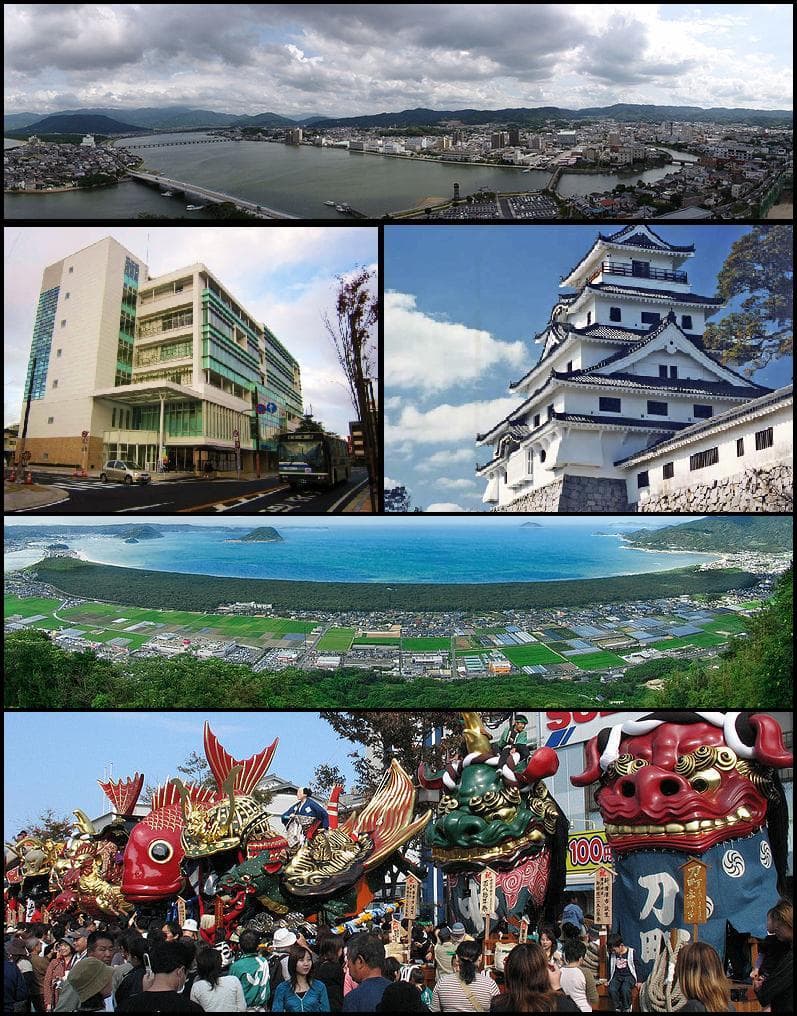 Tatawidepine / cc by-sa 3.0, via Wikimedia Commons
Самостоятельная аудиопрогулка по Карацу — GPS-маршрут, офлайн-воспроизведение, увлекательное повествование на 32 языках.
“Где древние печи шепчут морю, а замок стоит на страже над сосновой бухтой.”
Не открытки. Истории, которые не знают даже местные жители — шепотом в вашем ухе, прямо там, где они произошли.
Первоначальное строительство замка имело удивительную тайну, касающуюся его материалов, деталь, которую часто упускают из виду из-за его грандиозного вида.
Впечатляющие платформы фестиваля Карацу Кунчи, хотя и выглядят старинными, изготовлены из неожиданного, легкого материала.
Хотя керамика Карацу ценится за свою деревенскую красоту, одна особая характеристика ее глины когда-то представляла уникальную проблему для гончаров.
Откройте для себя каждый секрет Карацу
Каждый адрес, каждое полное раскрытие — в вашем ухе, прямо там, где это произошло.
Вы выбираете остановки. Вы гуляете. Голос раскрывает то, что упускают другие.
Ваш самостоятельный аудиотур по Карацу готов — выберите свои достопримечательности, выберите свой язык и начните в момент прибытия.
КупитьВ Lume встроен гид дополненной реальности. Поднимите телефон: камера показывает улицу перед вами, а поверх реального изображения светится стрелка, всегда указывающая на вашу следующую остановку — не нужно разбираться с картой и сворачивать не туда. Как и всё в Lume, это работает полностью офлайн.
Карацу, прибрежный город в префектуре Сага на острове Кюсю, Япония, представляет собой увлекательное сочетание старины, искусства и природного великолепия. Расположенный лицом к морю Гэнкая, город долгое время служил важным портом, способствуя культурному обмену и художественным инновациям. Его самое выдающееся сооружение, Замок Карацу, величественно возвышается над заливом Карацу, являясь свидетельством феодального прошлого региона. Помимо замка, город славится своей керамикой Карацу, особым стилем гончарного искусства с многовековой историей, и динамичным Фестивалем Карацу Кунчи, энергичным осенним праздником с гигантскими лакированными платформами.
Привлекательность города распространяется и на его живописные окрестности, включая Радужную сосновую рощу, охраняемый лес из черных сосен, простирающийся вдоль побережья. Карацу предлагает более интимный и менее посещаемый опыт по сравнению с крупными городами Японии, приглашая посетителей погрузиться в его ремесленные традиции, исследовать исторические места и насладиться его умиротворяющей прибрежной атмосферой. Это место, где отголоски древнего мастерства встречаются со спокойствием моря.
## Раннее происхождение и торговля История Карацу тесно связана с его стратегическим положением как портового города. С древних времен он служил воротами для торговли и культурного обмена с Корейским полуостровом и материковым Китаем. Это раннее взаимодействие оказало значительное влияние на регион, особенно на развитие его знаменитой керамики. Само название «Карацу», как полагают, происходит от японских слов «Кара» (唐), обозначающего Китай или Корею, и «цу» (津), означающего порт, буквально «порт в Китай/Корею».
## Расцвет керамики Карацу Искусство изготовления керамики Карацу достигло расцвета с конца XVI века, во многом благодаря прибытию корейских гончаров, привезенных в Японию во время вторжений Тоётоми Хидэёси в Корею. Эти мастера представили новые техники и стили, быстро сделав Карацу важным центром керамики. В печах производились различные функциональные и художественные изделия, от утвари для чайной церемонии до повседневной посуды, отличающиеся деревенской красотой, простыми формами и часто тонкой глазурью. Спрос на керамику Карацу рос, укрепляя ее место в японской традиции гончарного искусства.
## Феодальная эпоха и Замок Карацу В феодальный период Карацу процветал под управлением различных даймё. Строительство Замка Карацу, завершенное в 1608 году Тэразавой Хиротакой, ознаменовало значительный архитектурный и стратегический прогресс для города. Доминирующее положение замка с видом на залив служило символом власти и оборонительным укреплением. Замковый город, развивавшийся вокруг него, стал центром экономической и культурной деятельности, еще больше укрепляя важность Карацу в регионе. Хотя первоначальная цитадель замка была разобрана во время Реставрации Мэйдзи, ее точная реконструкция теперь занимает первоначальное место, откуда открываются обширные виды на город и море Гэнкая.
## Современный Карацу В более недавней истории Карацу продолжал сохранять свое богатое культурное наследие, адаптируясь к современности. Фестиваль Карацу Кунчи с его впечатляющими платформами хикаяма проводится уже несколько веков и остается оживленным ежегодным событием, привлекающим посетителей со всей Японии и из-за рубежа. Усилия по сохранению и продвижению керамики Карацу продолжаются, в городе по-прежнему активно работают многочисленные печи и галереи. Город также использует свои природные богатства, такие как Нидзи-но-Мацубара (Радужная сосновая роща), охраняемый лес, который повышает живописную привлекательность Карацу и его экологическое значение.
Начните свое исследование с Замка Карацу, величественной достопримечательности, перестроенной в 1966 году, откуда открываются захватывающие виды на залив Карацу и Радужную сосновую рощу. Внутри замка находится музей, посвященный истории замка и местным артефактам. Затем погрузитесь в мир керамики Карацу, посетив многочисленные гончарные мастерские и галереи по всему городу. Многие из них предлагают возможность понаблюдать за работой гончаров или даже попробовать себя в создании собственного изделия. Хорошей отправной точкой является Выставочный зал керамики Карацу. Прогуляйтесь по Старому городу Карацу, где вы найдете традиционные купеческие дома и очаровательные магазины. Не пропустите Бывший дом Такатори, изысканный образец архитектуры эпохи Мэйдзи, демонстрирующий роскошный образ жизни угольного магната с его прекрасными садами и замысловатыми интерьерами. Для природного отдыха посетите Нидзи-но-Мацубара (Радужная сосновая роща), двухполосную дорогу, обрамленную густым лесом черных сосен, простирающимся на несколько километров вдоль побережья, идеально подходящую для живописной поездки или спокойной прогулки. Наконец, если ваш визит совпадает с началом ноября, Фестиваль Карацу Кунчи — это незабываемое зрелище изысканных гигантских платформ, проходящих по улицам.
Наиболее благоприятное время для посещения Карацу — весна (март-май) и осень (сентябрь-ноябрь). Весна предлагает приятную погоду и цветение сакуры, особенно вокруг Замка Карацу. Осень приносит комфортную температуру, и именно тогда в начале ноября проходит знаменитый Фестиваль Карацу Кунчи, который является главным событием. Лето может быть жарким и влажным, а зима — прохладной, но в целом мягкой.
До Карацу можно добраться на поезде из Фукуоки, линия JR Karatsu соединяет его напрямую со станцией Хаката. Поездка занимает около 1,5 часов. В пределах города многие достопримечательности находятся в пешей доступности от станции Карацу. Для более отдаленных мест доступны местные автобусы, а такси можно найти на станции. Рассмотрите возможность аренды велосипеда для осмотра сосновой рощи и прибрежных районов. Английские вывески есть на основных туристических объектах, но наличие приложения для перевода может быть полезным для небольших магазинов и ресторанов. Большинство заведений принимают наличные, а кредитные карты становятся все более распространенными.
Карацу: корейский, китайский, иврит и ещё 29 языков — каждую остановку озвучивает носитель языка. Самый широкий выбор языков среди аудиоэкскурсий без гида.
Доступные языки: