Elefantenhöhlen
Elefanten sind für ihre Intelligenz bekannt, aber nur wenige wissen, dass sie auch geschickte Bergleute sind.
Die ganze Geschichte wird in der Tour freigeschaltet
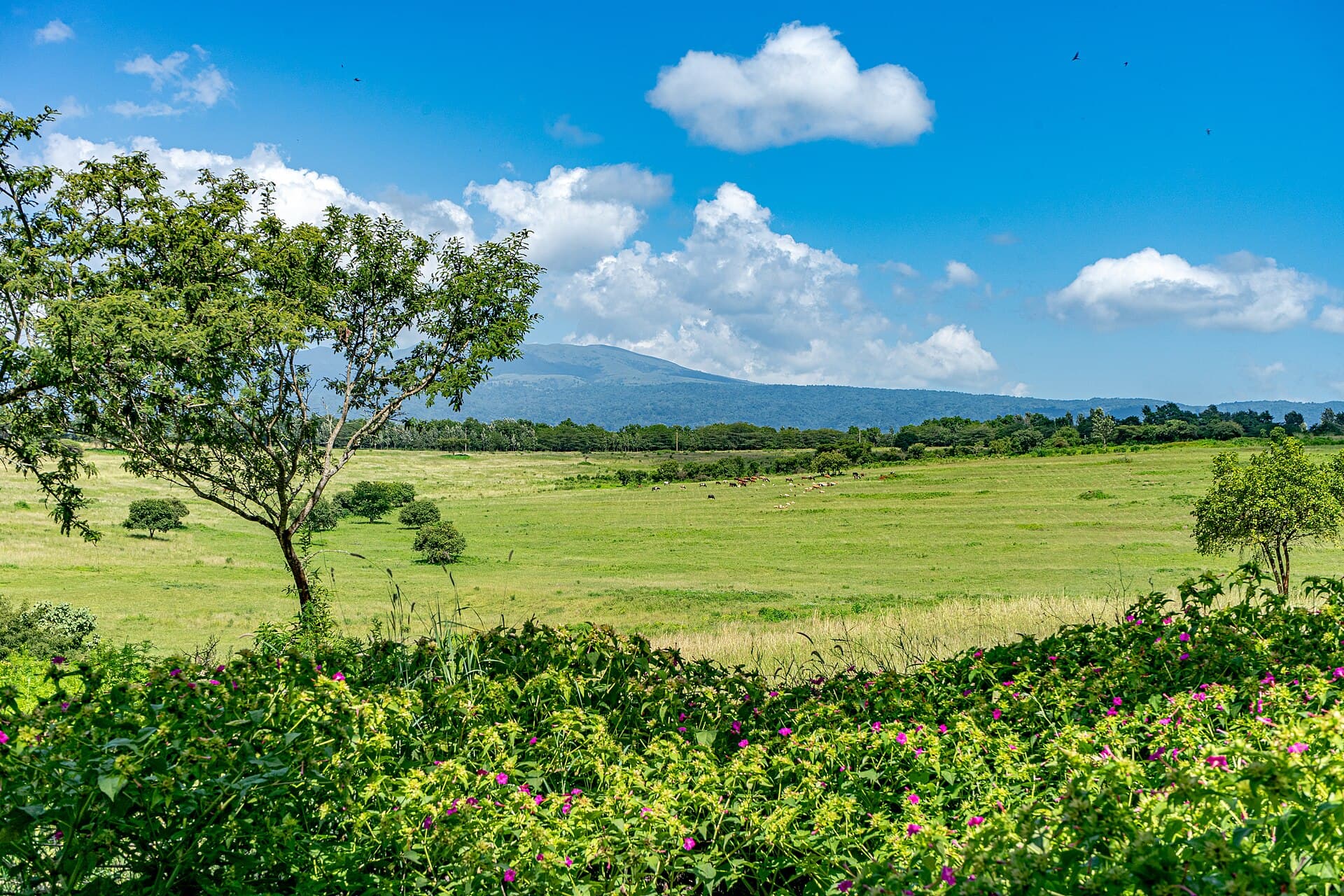 Nina R from Africa / CC BY 2.0, via Wikimedia Commons
Selbstgeführte Audio-Walking-Tour durch Karatu — GPS-Route, Offline-Wiedergabe, erzählerische Narration in 32 Sprachen.
“Wo das Hochland auf die Wildnis trifft und Kaffee eine Geschichte erzählt.”
Nicht die Postkarten. Die Geschichten, die selbst Einheimische nicht kennen – dir ins Ohr geflüstert, genau dort, wo sie geschahen.
Elefanten sind für ihre Intelligenz bekannt, aber nur wenige wissen, dass sie auch geschickte Bergleute sind.
Man erwartet vielleicht lokale Produkte und Handwerk auf einem Markt, aber Karatus Markt bietet etwas Unerwartetes für Ihren Gaumen.
Das Volk der Iraqw, das in dieser Region heimisch ist, entwickelte einen einzigartigen architektonischen Verteidigungsmechanismus.
Entdecke jedes Geheimnis von Karatu
Jede Adresse, jede Enthüllung vollständig – in deinem Ohr, genau dort, wo es geschah.
Du wählst deine Stationen. Du gehst. Die Stimme enthüllt, was andere übersehen.


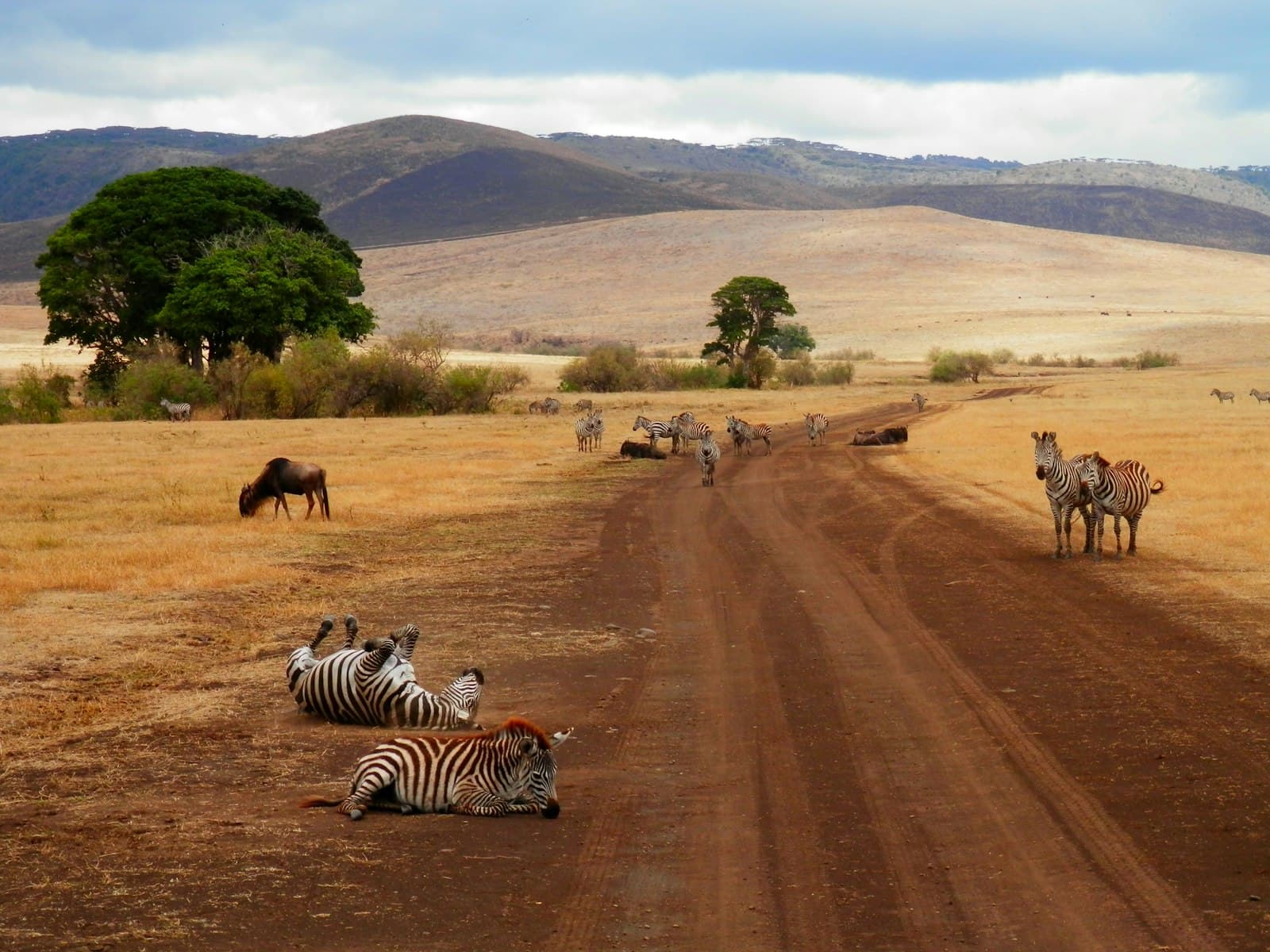
Deine selbstgeführte Audio-Tour durch Karatu ist bereit – wähle deine Sehenswürdigkeiten, deine Sprache und starte, sobald du ankommst.
KaufenLume enthält einen integrierten Augmented-Reality-Guide. Halten Sie Ihr Handy hoch: Die Kamera zeigt die Straße vor Ihnen, mit einem leuchtenden Pfeil über dem echten Bild, der immer auf Ihren nächsten Stopp zeigt — keine Karte zum Rätseln, keine falschen Abzweigungen. Wie alles bei Lume funktioniert es komplett offline.
Karatu, eine geschäftige Stadt im nördlichen Hochland Tansanias, dient als Haupteinstiegspunkt zu einigen der bemerkenswertesten Wildtierdestinationen Afrikas, darunter das Ngorongoro-Schutzgebiet und der Serengeti-Nationalpark. Südwestlich von Arusha gelegen, bietet es eine bequeme und oft günstigere Basis für die Erkundung der Naturwunder der Region.
Die Stadt selbst präsentiert eine lebendige Mischung aus landwirtschaftlichen Flächen und Kaffeeplantagen, eingebettet in eine Kulisse sanfter Hügel, die in das Ngorongoro-Hochland übergehen. Neben seiner strategischen Lage für Safaris bietet Karatu eine einzigartige Gelegenheit, die lokale Kultur kennenzulernen, insbesondere die der Iraqw-Menschen, die für ihre landwirtschaftlichen Traditionen und ihr besonderes Erbe bekannt sind.
Mit einem gemäßigten Klima und einer ruhigen, ländlichen Atmosphäre bietet Karatu ein entspanntes Tempo für Reisende, die sowohl Abenteuer als auch kulturelle Immersion suchen. Von der Erkundung lokaler Märkte bis hin zu Wanderungen durch Kaffeeplantagen bietet die Stadt ein fesselndes Erlebnis, das über typische Safari-Routen hinausgeht.
Das Land um Karatu wird seit mindestens 2.000 Jahren kontinuierlich bebaut, hauptsächlich von den Iraqw, einer kuschitischsprachigen Gruppe, von der angenommen wird, dass sie aus Äthiopien und dem Jemen eingewandert ist. Sie ließen sich in der Region südöstlich des Ngorongoro-Kraters nieder, wo sie bis heute die dominierende ethnische Gruppe sind. Im Gegensatz zu vielen benachbarten nomadischen Stämmen sind die Iraqw hauptsächlich Bauern, die für ihre intensiven Anbautechniken bekannt sind.
Historisch entwickelten die Iraqw einzigartige Verteidigungsstrategien gegen Überfälle der Massai, die Anfang des 19. Jahrhunderts ankamen. Dazu gehörte der Bau von unterirdischen Häusern, den sogenannten Aasimo, ein Beweis für ihre Widerstandsfähigkeit und ihren Einfallsreichtum. Während der britischen Kolonialzeit versuchten die Iraqw, ihr angestammtes Land im Ngorongoro zurückzufordern, und legten sogar vergrabene Artefakte als Beweis vor, durften jedoch letztendlich nicht zurückkehren, da das Gebiet als Schutzgebiet ausgewiesen wurde.
Der Distrikt Karatu wurde 1997 offiziell als lokale Regierungsgremium gegründet und 2000 registriert. Nach der Unabhängigkeit Tansanias im Jahr 1961 erlebte die Region bedeutende Veränderungen, darunter das Ujamaa-Dorfprogramm in den 1970er Jahren, das auf die Förderung der kollektiven Landwirtschaft abzielte, aber auch traditionelle Anbaumethoden störte. Heute bleiben die Landwirtschaft, insbesondere Kaffee, Weizen und Zwiebeln (was Karatu den Titel der "Zwiebelhauptstadt" Tansanias einbrachte), das Rückgrat der Wirtschaft Karatus und beschäftigen über 85 % der Bevölkerung. Der Tourismus hat sich ebenfalls zu einem wachsenden Sektor entwickelt, wobei Karatu als wichtiges Unterkunftszentrum für die Safari-Route des nördlichen Kreises dient.
Karatu bietet eine Verschmelzung von kulturellen Erlebnissen und natürlicher Schönheit. Ein Spaziergang durch die Stadt Karatu offenbart eine lebhafte Atmosphäre mit lokalen Bussen, Safarifahrzeugen und bunten Tuk-Tuks, die sich die Straßen mit Massai-Hirten und Ochsenkarren teilen. Der Karatu-Markt ist ein geschäftiges Zentrum, besonders am 7. und 25. jedes Monats, wo man alles von frischen Produkten und Gewürzen bis hin zu Tinga-Tinga-Gemälden und geschnitzten Holzornamenten finden kann.
Für tiefere kulturelle Einblicke sollten Sie einen Besuch in einem Iraqw-Dorf in Betracht ziehen. Hier können Sie mehr über ihre landwirtschaftlichen Praktiken, traditionelle Architektur erfahren und sogar eine traditionelle Mahlzeit genießen. Die Sandemu Iraqw Art and Culture Promoters im Dorf Bashay bieten ein Kulturzentrum zur Präsentation der Iraqw-Traditionen.
Der fruchtbare Vulkanboden rund um Karatu macht es zu einer idealen Region für den Kaffeeanbau. Viele Kaffeeplantagen, wie Gibb's Farm, Ngorongoro Coffee Lodge und Shangri-La Coffee Estate, bieten geführte Touren an, bei denen Sie den Prozess von der Bohne bis zur Tasse beobachten, vom Pflücken bis zum Rösten, und die lokalen Bräuche probieren können.
Naturliebhaber können die Ngorongoro Forest Highlands erkunden, die Heimat des Endoro River Nature Trail, der Elefantenhöhlen und der Endoro Falls sind. Die Elefantenhöhlen sind besonders faszinierend, von Elefanten gegraben, die nach mineralreichen Salzen suchen. Karatu dient auch als ausgezeichnete Basis für Tagesausflüge zu nahe gelegenen Naturattraktionen wie dem Lake Manyara National Park, dem Empakaai-Krater und dem Lake Eyasi, wo die Hadzabe-Buschmänner leben.
Die günstigste Zeit für einen Besuch in Karatu und den umliegenden Safariparks ist während der Trockenzeit, die von Juni bis Oktober dauert. In diesen Monaten ist das Wetter im Allgemeinen trocken mit klarem Himmel und geringer Luftfeuchtigkeit, was die Tierbeobachtung erleichtert, da sich die Tiere um Wasserquellen versammeln. Juni bis August ist besonders beliebt für Safaris. Während November und Dezember eine kurze Regenzeit bringen und März bis Mai eine längere, bieten diese Perioden üppige Landschaften, weniger Touristen und ausgezeichnete Vogelbeobachtungsmöglichkeiten. Die Kaffeeerntezeit, perfekt für Plantagenbesuche, dauert normalerweise von Juli bis Januar.
Karatu ist etwa 2-3 Autostunden von Arusha entfernt, einem üblichen Ausgangspunkt für Safaris im nördlichen Kreis. Sie können Karatu mit einem privaten Transfer oder mit einem lokalen Bus (Dala-Dala) erreichen, obwohl letzterer überfüllt sein kann. Die Nähe der Stadt zum Tor des Ngorongoro-Schutzgebiets (etwa 20 km oder 12 Meilen) macht es zu einer strategischen und oft günstigeren Alternative für Unterkünfte im Vergleich zu einem Aufenthalt direkt am Kraterrand.
Während Ihres Aufenthalts in Karatu ist Spazierengehen eine sichere und bequeme Möglichkeit, das Stadtzentrum zu erkunden. Für Ausflüge zu nahe gelegenen Parks oder kulturellen Stätten können Lodges und Hotels bei der Organisation von Mietwagen mit Fahrer behilflich sein. Es ist ratsam, Safaris und Unterkünfte im Voraus zu buchen, insbesondere während der Haupttouristensaison. Respektieren Sie lokale Bräuche, insbesondere beim Besuch von Massai-Dörfern oder kulturellen Stätten. Die lokale Währung ist der tansanische Schilling (TZS).
Karatu — Koreanisch, Chinesisch, Hebräisch und 29 weitere Sprachen, jede Station von einer muttersprachlichen Stimme erzählt. Die größte Sprachauswahl aller selbstgeführten Audiotouren.
Verfügbar auf: