Castello di Kars
L'imponente Castello di Kars, ricostruito da un Sultano Ottomano, custodisce la sorprendente storia di un difensore inflessibile.
La storia completa si sblocca nel tour
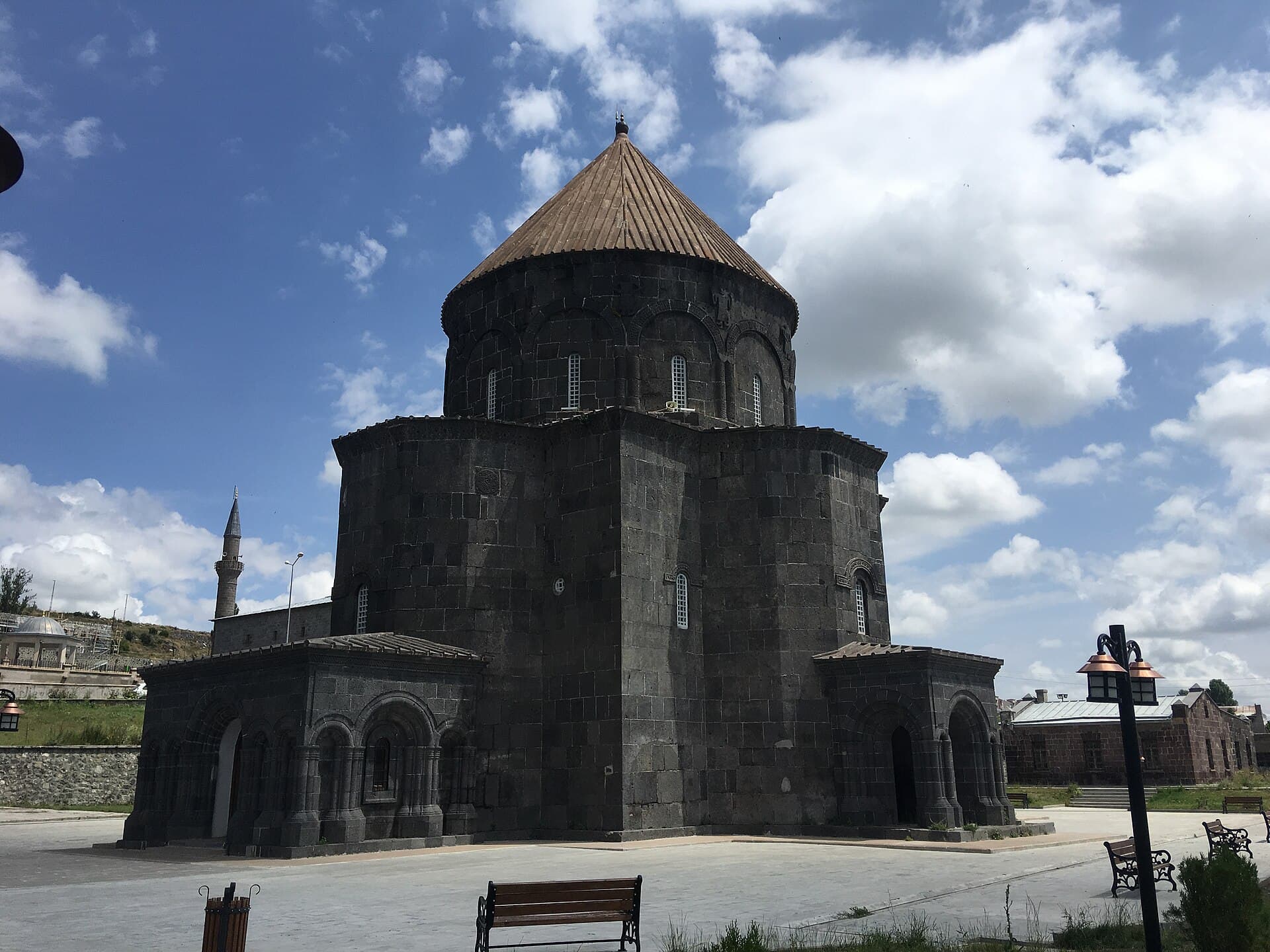 Ben Men Lyun / CC BY-SA 4.0, via Wikimedia Commons
Tour audio autoguidato di Kars — percorso GPS a piedi, riproduzione offline, narrazione coinvolgente in 32 lingue.
“Dove l'Anatolia incontra il Caucaso, una città scolpita da imperi e dall'abbraccio dell'inverno.”
Non le cartoline. Le storie che nemmeno i locali conoscono — sussurrate nel tuo orecchio, proprio dove sono accadute.
L'imponente Castello di Kars, ricostruito da un Sultano Ottomano, custodisce la sorprendente storia di un difensore inflessibile.
Questa iconica moschea di Kars ha un passato che potrebbe sorprenderti, riflettendo le mutevoli maree culturali della città.
Kars è rinomata per i suoi formaggi unici, ma l'origine di questa tradizione casearia non è interamente turca.
Scopri ogni segreto di Kars
Ogni indirizzo, ogni rivelazione completa — nel tuo orecchio, proprio dove è accaduta.
Scegli le tue tappe. Cammini. La voce rivela ciò che gli altri perdono.


Il tuo tour audio autoguidato di Kars è pronto — scegli i tuoi punti di interesse, seleziona la tua lingua e inizia nel momento in cui arrivi.
AcquistaLume include una guida in realtà aumentata. Alza il telefono: la fotocamera mostra la strada davanti a te, con una freccia luminosa sovrapposta all'immagine reale che punta sempre verso la tua prossima tappa — nessuna mappa da decifrare, nessuna svolta sbagliata. Come tutto in Lume, funziona completamente offline.
Kars, una città nell'estremo nord-est della Turchia, offre un'atmosfera distinta, un mix di paesaggi aspri e una profonda presenza storica e culturale. Situata su un alto altopiano vicino ai confini armeno e georgiano, si trova a un'altitudine di 1.768 metri. Kars spesso appare diversa dal resto della Turchia, con i suoi grandiosi edifici in stile imperiale del periodo russo e i suoi vasti e desolati paesaggi aperti. L'identità singolare della città è plasmata da secoli di conflitti imperiali e scambi interculturali, che lasciano visibili differenze architettoniche mentre si passeggia per le sue strade.
Sebbene a volte trascurata dal turismo di massa, Kars è una destinazione per coloro che cercano un'avventura fuori dai sentieri battuti, offrendo un mix di antiche rovine archeologiche, architettura insolita e scenari invernali spettacolari. La città funge da porta d'accesso all'antica capitale armena di Ani, patrimonio mondiale dell'UNESCO, e all'estensione ghiacciata del lago Çıldır. Kars è anche rinomata per la sua cucina sostanziosa, in particolare per i suoi acclamati formaggi e piatti d'oca, pensati per offrire conforto contro i famosi inverni freddi della regione.
Kars vanta una storia che risale al Paleolitico, con ritrovamenti archeologici che indicano la presenza umana due milioni di anni fa. Nella storiografia classica, Kars faceva parte dell'antica regione di Chorzene nel Regno d'Armenia. Divenne prominente come capitale del Regno Armeno dei Bagratidi dal 929 al 961 d.C., un periodo durante il quale fu costruita la cattedrale della città, in seguito nota come Chiesa dei Santi Apostoli. Dopo che la sede bagratide si trasferì ad Ani nel 963, Kars divenne brevemente la capitale di un regno separato e indipendente chiamato Vanand.
Nel corso dei secoli, Kars divenne un punto strategico, conteso da numerosi imperi. Fu conquistata dai Selgiuchidi nell'XI secolo, poi dai Mongoli nel XIII secolo, e successivamente devastata da Timur nel 1387. La città fu incorporata nell'Impero Ottomano nel 1514. Il XIX secolo portò una significativa influenza russa; la Russia catturò Kars nel 1828 e di nuovo nel 1878, tenendola fino al 1920. Questo periodo di amministrazione russa lasciò un'eredità architettonica duratura, con uno schema stradale moderno e edifici in pietra in stile baltico che conferiscono a Kars una distintiva sensazione europea. Dopo la Prima Guerra Mondiale e la Guerra d'Indipendenza Turca, Kars divenne ufficialmente parte della Repubblica Turca nel 1920. Il Trattato di Kars, firmato nel 1921, stabilì gli attuali confini tra la Turchia e i paesi del Caucaso.
La turbolenta storia di Kars si riflette nel suo diversificato mosaico culturale, influenzato dalle comunità etniche turca, curda, Terekeme, Malakan e Dukhobor. Questo multiculturalismo è evidente nella sua architettura, dove chiese armene si affiancano a moschee ottomane ed edifici di epoca russa. La resilienza della città è incarnata da monumenti come il Castello di Kars, originariamente costruito nel 1153 dai Saltukidi e successivamente ricostruito dagli Ottomani dopo essere stato distrutto più volte. Oggi, Kars continua a salvaguardare questi profondi beni culturali, offrendo ai visitatori un viaggio unico nel tempo all'incrocio delle civiltà.
Inizia la tua esplorazione dal Castello di Kars, una fortezza imponente che offre viste panoramiche sulla città e sui suoi dintorni. Originariamente costruito nel 1153, fu ampiamente ricostruito nel 1579 dal Sultano Ottomano Murad III. All'interno delle sue mura di basalto, puoi trovare caserme, un deposito di munizioni e la tomba di Celal Baba.
Ai piedi del castello si trova la Moschea Kümbet, conosciuta anche come Chiesa dei Dodici Apostoli. Questo edificio suggestivo, risalente alla metà del X secolo come chiesa armena, fu successivamente convertito in moschea, mostrando la stratificata storia religiosa della città.
Passeggia per il centro della città per osservare la distintiva architettura dell'era russa, caratterizzata da uno schema stradale a griglia e imponenti edifici in pietra in stile baltico. Un esempio notevole è la Moschea Fethiye, che originariamente era una chiesa ortodossa russa.
A breve distanza in auto a est di Kars si trova l'Antica Città di Ani, patrimonio mondiale dell'UNESCO e antica capitale del Regno Armeno dei Bagratidi. Qui puoi esplorare numerosi monumenti, tra cui la Cattedrale di Ani, la Chiesa di Tigran Honents e la Moschea Ebu'l Menuçehr, considerata la prima moschea turca in Anatolia.
Per un assaggio della cultura e della storia locale, visita il Museo di Kars, che ospita reperti archeologici della regione, inclusi oggetti provenienti da Ani. Non perderti il Museo del Formaggio di Kars nel villaggio di Boğatepe, dedicato alla rinomata tradizione casearia della città.
Kars sperimenta un clima continentale con estati calde e inverni freddi e nevosi. Il periodo migliore per visitarla dipende dai tuoi interessi. Per scenari da fiaba invernale, sci a Sarıkamış o un giro in slitta trainata da cavalli sul lago ghiacciato Çıldır, da dicembre a marzo è l'ideale, sebbene le temperature possano scendere sotto i -25°C. Se preferisci un clima più mite per esplorare siti storici come Ani, la tarda primavera (aprile-maggio) o l'inizio dell'autunno (settembre-ottobre) offrono temperature piacevoli e paesaggi verdi lussureggianti. L'estate (luglio-inizio settembre) è piacevolmente calda e adatta alle attività all'aperto, con cieli più sereni.
L'aeroporto di Kars Harakani (KSY) si trova a circa 6 chilometri dal centro città, con autobus pubblici e taxi disponibili per il trasferimento. Per un viaggio panoramico, considera il Treno Orientale (Doğu Ekspresi) da Ankara, un treno notturno di 26-30 ore noto per le sue epiche viste invernali. I biglietti per la versione turistica di questo treno, che include soste turistiche, dovrebbero essere prenotati con mesi di anticipo.
All'interno di Kars, i trasporti pubblici consistono principalmente in minibus (dolmuş), che operano dalle 6:00 alle 21:00. Questi minibus possono essere fermati ovunque lungo il loro percorso e le tariffe si pagano in contanti. Sono disponibili anche taxi.
Sebbene l'inglese non sia ampiamente parlato, la gente del posto è generalmente amichevole e paziente, e le app di traduzione possono essere utili.
Le opzioni di alloggio sono disponibili in tutta la città, con hotel in Faik Bey Street situati in posizione centrale e comodi per i trasporti pubblici e le attrazioni. Se visiti per sport invernali, considera di soggiornare a Sarıkamış, a circa 45 minuti dall'aeroporto, che offre hotel vicino al centro sciistico.
Kars — coreano, cinese, ebraico e altre 29 lingue, ogni tappa narrata da una voce madrelingua. La più ampia scelta di lingue tra i tour audio autoguidati.
Disponibile in: