Kayseri Mantısı
Kayseri ist berühmt für seine winzigen Teigtaschen, so klein, dass die lokale Legende eine bemerkenswerte Leistung für einen wahren kulinarischen Experten beschreibt.
Die ganze Geschichte wird in der Tour freigeschaltet
 Carole Raddato from FRANKFURT, Germany / CC BY-SA 2.0, via Wikimedia Commons
Selbstgeführte Audio-Walking-Tour durch Kayseri — GPS-Route, Offline-Wiedergabe, erzählerische Narration in 32 Sprachen.
“Wo alte Handelsrouten zusammenlaufen und kulinarische Legenden entstehen.”
Nicht die Postkarten. Die Geschichten, die selbst Einheimische nicht kennen – dir ins Ohr geflüstert, genau dort, wo sie geschahen.
Kayseri ist berühmt für seine winzigen Teigtaschen, so klein, dass die lokale Legende eine bemerkenswerte Leistung für einen wahren kulinarischen Experten beschreibt.
Lange bevor Kayseri seinen heutigen Namen trug, war diese antike Handelskolonie ein blühendes Zentrum des Handels, und Ausgrabungen haben überraschende Details über seine 4.000 Jahre alte Ernährung enthüllt.
Unter den historischen Bauwerken von Kayseri nimmt eine bestimmte Bibliothek eine besondere Stellung ein, nicht nur wegen ihrer Architektur, sondern auch wegen ihrer früheren Identität.
Entdecke jedes Geheimnis von Kayseri
Jede Adresse, jede Enthüllung vollständig – in deinem Ohr, genau dort, wo es geschah.
Du wählst deine Stationen. Du gehst. Die Stimme enthüllt, was andere übersehen.


Lume enthält einen integrierten Augmented-Reality-Guide. Halten Sie Ihr Handy hoch: Die Kamera zeigt die Straße vor Ihnen, mit einem leuchtenden Pfeil über dem echten Bild, der immer auf Ihren nächsten Stopp zeigt — keine Karte zum Rätseln, keine falschen Abzweigungen. Wie alles bei Lume funktioniert es komplett offline.
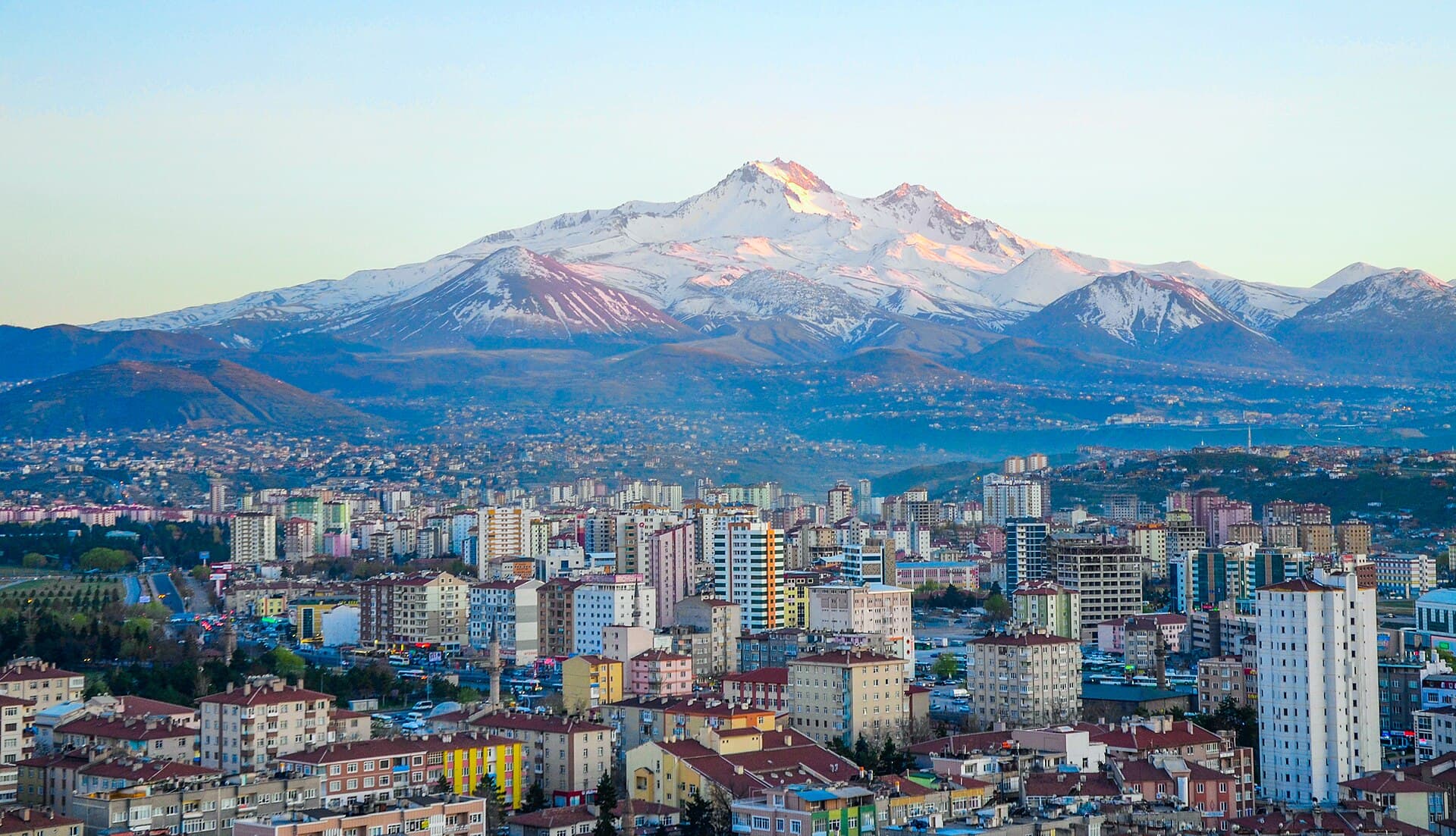
Kayseri, eine weitläufige Industriestadt in Zentralanatolien, Türkei, dient oft als Tor zu den sagenumwobenen Feenkaminen Kappadokiens. Doch wer durch sie hindurchgeht, ohne innezuhalten, übersieht eine Stadt mit einer tiefgreifenden Geschichte und einem ganz eigenen Charakter. Am Fuße des erloschenen Vulkans Erciyes, der über 3.900 Meter hoch aufragt, präsentiert Kayseri eine einzigartige Verschmelzung von altem Erbe und gegenwärtiger Existenz.
Mit einer ununterbrochenen Siedlungsgeschichte, die bis etwa 3000 v. Chr. zurückreicht, war Kayseri ein wichtiger Handelsknotenpunkt entlang wichtiger Routen, einschließlich der Großen Seidenstraße. Heute ist es ein bedeutendes Handels- und Industriezentrum, bekannt für seine Möbelherstellung, Goldschmiede und Teppichproduktion. Die reiche Vergangenheit der Stadt zeigt sich in ihrer gut erhaltenen römischen, seldschukischen und osmanischen Architektur, die eine fesselnde Reise durch Jahrhunderte anatolische Zivilisation bietet.
Kayseris Geschichte reicht etwa 6.000 Jahre zurück, mit der frühesten bekannten Siedlung in Kültepe, die den Hatti angehörte, den Vorfahren der Hethiter. Ursprünglich als Mazaca identifiziert, fungierte es als Hauptstadt des kappadokischen Königreichs. Die strategische Lage der Stadt an alten Handelsrouten, einschließlich der Persischen Königsstraße, sicherte ihre Bedeutung als Handelszentrum, das die Assyrer und Hethiter verband.
Unter römischer Herrschaft wurde die Stadt im Jahr 14 n. Chr. zu Ehren von Kaiser Augustus in Caesarea in Cappadocia umbenannt. Sie gedieh als Hauptstadt und kaiserliche Münzstätte der römischen Provinz Kappadokien und erlebte vom 1. bis zum 11. Jahrhundert ein 'goldenes Zeitalter'. Dieser Wohlstand wurde jedoch unterbrochen, als die Stadt im Jahr 260 n. Chr. vom sassanidischen König Schapur I. niedergebrannt wurde.
Kayseri erholte sich und wurde im 4. Jahrhundert mit der Gründung eines kirchlichen Zentrums durch den Heiligen Basilius den Großen zu einem Zentrum des frühen Christentums. Nach der vorübergehenden Eroberung im Jahr 647 n. Chr. wurde die Stadt von den Arabern Kaisariyah genannt. Ein entscheidender Moment kam 1064, als der seldschukische Sultan Alp Arslan die Stadt eroberte und sie in Kayseri umbenannte. Dies markierte den Beginn ihres dritten 'goldenen Zeitalters' unter den Danishmendiden und später dem Sultanat der anatolischen Seldschuken, als sie von 1178 bis 1243 als zweite Hauptstadt des Staates diente. Während dieser Zeit wurde ein erheblicher Teil von Kayseri umgebaut und zahlreiche Beispiele seldschukischer Kunst aus dem 13. Jahrhundert, darunter Mausoleen und Komplexe, errichtet.
Die Stadt fiel schließlich 1243 an die Mongolen und ging später durch die Hände des turkmenischen Ertanid-Fürstentums, der Osmanen, der Karamaniden-Turkmenen und der Mamluken, bevor sie 1515 vom osmanischen Sultan Selim I. zurückerobert wurde. Kayseris bleibendes Erbe als Handels- und Kulturzentrum setzte sich fort, und in der republikanischen Zeit begann die staatlich geförderte Industrialisierung mit der Errichtung von Fabriken für Textilien und sogar Flugzeuge.
Das Stadtzentrum von Kayseri bietet ein konzentriertes Erlebnis seiner historischen Schichten. Die Kayseri-Burg, mit ihren gut erhaltenen schwarzen Steinmauern, ist ein Zeugnis römischer, seldschukischer und osmanischer Bauweise. Sie beherbergt heute einen Basar, der Geschichte mit Handel verbindet. In der Nähe ist der Republikplatz ein lebendiger Knotenpunkt, oft ein Ausgangspunkt für Erkundungen.
Für ein tieferes Eintauchen in das seldschukische Erbe sollten Sie den Hunat Hatun Komplex in Betracht ziehen, der eine Moschee, eine Madrasa, ein Grabmal und ein Badehaus umfasst und monumentale anatolische seldschukische Architektur zeigt. Das Gevher Nesibe Museum für Medizingeschichte, untergebracht in einer seldschukischen Medizinschule, gilt als die erste medizinische Fakultät der Welt. Verpassen Sie nicht den Döner Kümbet, ein seldschukisches Mausoleum, das für seine kunstvollen Verzierungen bekannt ist.
Außerhalb des Stadtzentrums ist die antike Handelskolonie Kültepe-Kaniş ein faszinierendes Ziel für Geschichtsinteressierte, das Artefakte aus der Bronzezeit und Tafeln assyrischer Kaufleute enthüllt. Die Skyline von Kayseri wird vom Erciyes-Berg, einem erloschenen Vulkan, dominiert, der im Winter Skimöglichkeiten und in den wärmeren Monaten Wandermöglichkeiten bietet. Für ein ruhigeres, besinnlicheres Erlebnis erkunden Sie das Soğanlı-Tal, das oft als ruhiger Verwandter Kappadokiens bezeichnet wird, mit seinen Höhlenkirchen und markanten geologischen Formationen.
Kayseri hat ein kontinentales Klima mit heißen, trockenen Sommern und kalten, schneereichen Wintern. Die günstigste Zeit für allgemeine Besichtigungen und kulturelle Erkundungen ist das späte Frühjahr (Mai-Juni) oder der frühe Herbst (September-Oktober), wenn das Wetter angenehm ist und die Menschenmengen geringer sind. Juli und August sind die wärmsten Monate mit durchschnittlichen Tagestemperaturen um 30-31°C, geeignet für Aktivitäten bei warmem Wetter. Wenn Sie auf dem Erciyes-Berg Ski fahren möchten, bieten die Wintermonate von Dezember bis März zuverlässigen Schnee. Januar ist der kälteste Monat mit durchschnittlichen Tiefstwerten um -5°C bis -6°C.
Der Flughafen Kayseri Erkilet (ASR) liegt günstig etwa 5-6 km nördlich des Stadtzentrums und ist ein wichtiger Ankunftspunkt für Reisen nach Kappadokien. Sie erreichen das Stadtzentrum vom Flughafen aus mit Direktbussen, öffentlichen Bussen (Linien 100, 101, 271), Taxis oder Mietwagen. Die Fahrt dauert in der Regel etwa 20 Minuten. Innerhalb der Stadt bieten öffentliche Busse, Kleinbusse und Straßenbahnen ein ausgedehntes Verkehrsnetz. Kleinbusse verkehren auf Abruf, die Fahrpreise werden in bar bezahlt.
Die lokale Währung ist die Türkische Lira, und Kredit- und Debitkarten werden weitgehend akzeptiert. Denken Sie bei Ihren Erkundungen daran, dass Kayseri eine eher konservative Stadt ist. Es ist ratsam, sich respektvoll zu kleiden, insbesondere beim Besuch religiöser Stätten. Für Unterkünfte bieten zentrale Stadtteile wie Kocasinan und Melikgazi Hotels in fußläufiger Entfernung zu vielen Sehenswürdigkeiten. Wenn Ihr Schwerpunkt auf Skifahren liegt, sollten Sie Hotels rund um den Erciyes-Berg in Betracht ziehen, etwa 30 Fahrminuten vom Stadtzentrum entfernt.
Kayseri — Koreanisch, Chinesisch, Hebräisch und 29 weitere Sprachen, jede Station von einer muttersprachlichen Stimme erzählt. Die größte Sprachauswahl aller selbstgeführten Audiotouren.
Verfügbar auf: