Thracische Graf van Kazanlak
De tombe die je kunt betreden is niet het origineel, en met goede reden.
Volledig verhaal ontgrendeld in de tour
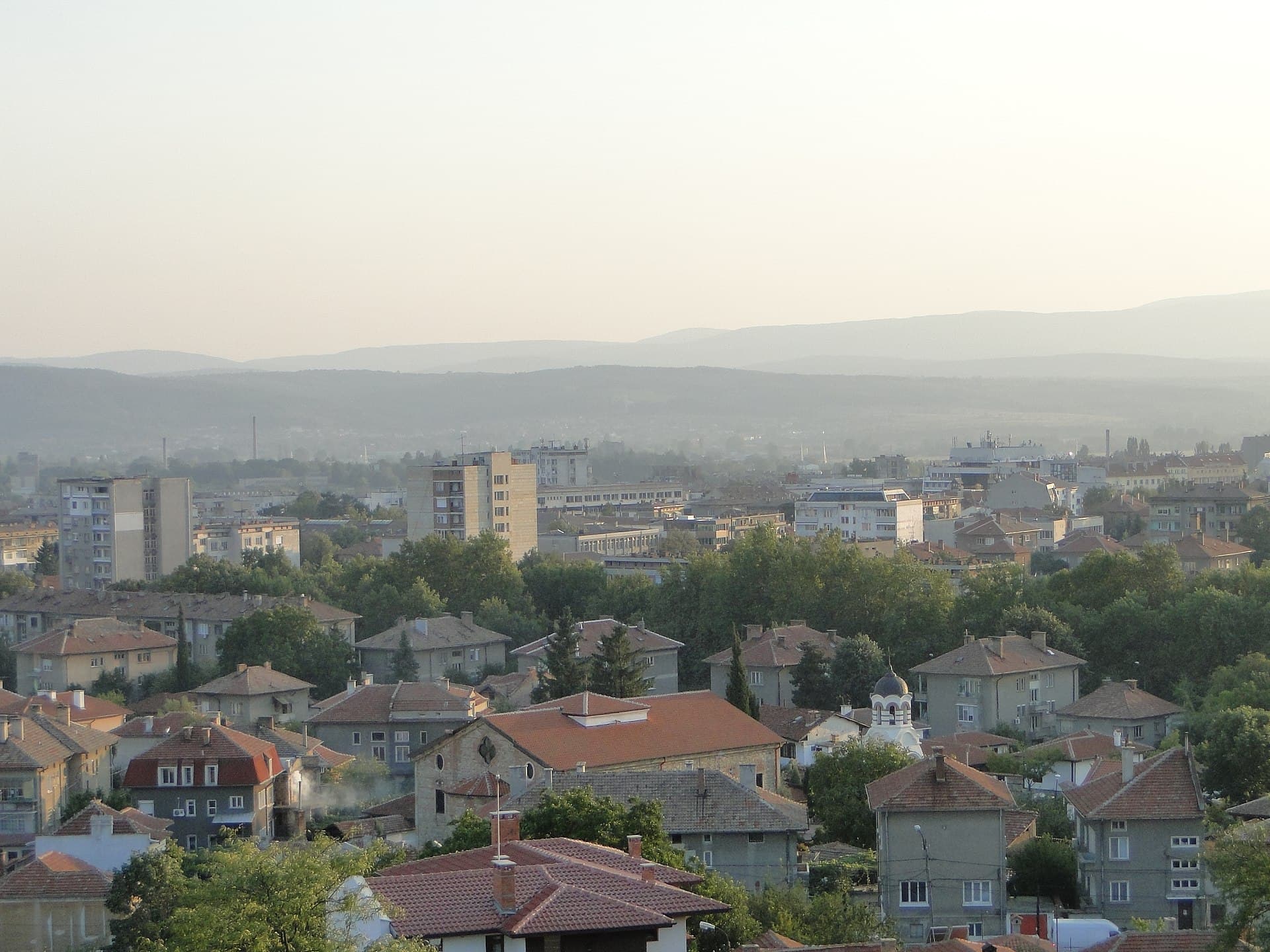 Nikolai Karaneschev / CC BY 3.0, via Wikimedia Commons
Zelfgeleide audiowandeling door Kazanlak — GPS-route, offline afspelen, meeslepende vertelling in 32 talen.
“Waar oude Thracische koningen rusten en rozen bloeien tot vloeibaar goud.”
Niet de ansichtkaarten. De verhalen die zelfs locals niet kennen — gefluisterd in je oor, precies waar ze gebeurden.
De tombe die je kunt betreden is niet het origineel, en met goede reden.
De meest gewaardeerde rozenolie ter wereld komt van een specifiek type roos, maar het was niet altijd een lokale soort.
De glinsterende koepels van de Schelpkherk verbergen een somber geheim onder hun schoonheid.
Ontdek elk geheim van Kazanlak
Elk adres, elke onthulling volledig — in je oor, precies waar het gebeurde.
Jij kiest je stops. Jij wandelt. De stem onthult wat de anderen missen.


Je zelfgeleide audiotour van Kazanlak is klaar — kies je bezienswaardigheden, kies je taal en start zodra je aankomt.
KopenLume heeft een ingebouwde augmented-reality-gids. Houd je telefoon omhoog: de camera toont de straat voor je, met een oplichtende pijl over het echte beeld die altijd naar je volgende stop wijst — geen kaart om uit te puzzelen, geen verkeerde afslagen. Zoals alles in Lume werkt het volledig offline.
Kazanlak, een stad in centraal Bulgarije, staat bekend als het hart van de "Rozenvallei" en de "Vallei van de Thracische Koningen." Gelegen aan de voet van het Balkangebergte, is het een plek waar oude geschiedenis verweven is met de geurige teelt van de Damaskusroos. De identiteit van de stad is diep geworteld in de productie van rozenolie, een nationaal symbool en een sleutelingrediënt in luxe parfums wereldwijd.
Naast zijn aromatische aantrekkingskracht biedt Kazanlak een reis terug in de tijd naar de Thracische beschaving. De regio is bezaaid met talrijke Thracische tombes, waaronder de door UNESCO beschermde Thracische Graf van Kazanlak, die een glimp bieden van de verfijnde cultuur van deze oude bevolking. De stad zelf, hoewel bescheiden van omvang, biedt een authentieke Bulgaarse ervaring, een tegenwicht voor grotere, drukkere stedelijke centra. Het is een plek waar de geur van rozen zich vermengt met de echo's van oude rijken, wat uitnodigt tot een langzamer tempo van verkenning.
De geschiedenis van Kazanlak strekt zich meer dan 3.000 jaar terug, met bewijs van nederzettingen uit de Nieuwe Steentijd (6e-5e eeuw v.Chr.). In de 4e tot 3e eeuw v.Chr. maakte het gebied deel uit van het Odrysische Koninkrijk, geregeerd door de Thracische Koning Seuthes III, wiens oude hoofdstad Seuthopolis nabij het huidige Kazanlak lag.
De meest significante historische ontdekkingen in de regio zijn de Thracische tombes, die het gebied de bijnaam "Vallei van de Thracische Koningen" hebben opgeleverd. Deze koepelvormige begraafplaatsen, vaak bedekt met aardheuvels, onthullen de geavanceerde materiële en intellectuele cultuur van de oude Thraciërs. De Thracische Graf van Kazanlak, per ongeluk ontdekt in 1944, is een UNESCO Werelderfgoedlocatie, gevierd om zijn opmerkelijk goed bewaarde fresco's die een Thracisch koppel op een begrafenismaaltijd uitbeelden.
De rol van Kazanlak in de rozenindustrie begon eeuwen geleden met de introductie van de Rosa Damascena. Tegen het begin van de 19e eeuw had het unieke lokale klimaat en de bodem deze geïmporteerde roos getransformeerd tot een onderscheidende Bulgaarse soort, wat leidde tot de naamgeving van de regio "Vallei van de Rozen". De eerste officiële verslagen van export van rozenolie dateren uit 1771, wat het begin markeerde van een bloeiende industrie die een hoeksteen van de lokale economie blijft. Het jaarlijkse Rozenfestival, voor het eerst gevierd in 1903, verstevigt de band van de stad met deze geurige bloem verder, met traditionele rozenplukrituelen en culturele optredens.
In recentere geschiedenis speelde Kazanlak een belangrijke rol in de Bulgaarse economie na de Tweede Wereldoorlog, met snelle ontwikkelingen in hydraulische, pneumatische, wapen-, voedingsmiddelen- en textielindustrieën, naast de traditionele etherische oliehoudende planten. De stad heeft ook sterke culturele en educatieve tradities, waarbij de Iskra chitalishte (cultureel centrum), opgericht in 1860, een centraal knooppunt is voor bibliotheek-, theater-, bioscoop- en museumactiviteiten.
Een bezoek aan Kazanlak is onvolledig zonder de verbinding met de Rosa Damascena te verkennen. Het Rozenmuseum biedt een uitgebreid overzicht van de 330-jarige geschiedenis van de Bulgaarse rozenolieproductie, met originele apparatuur, gereedschappen en historische documenten. Voor een meer meeslepende ervaring laat het Etnografisch Complex Kulata bezoekers traditionele rozenkweekgewoonten observeren en rozen-geïnfuseerd eten en drinken proeven.
De Thracische Graf van Kazanlak, een UNESCO Werelderfgoedlocatie, is een belangrijke plek om te bezoeken. Hoewel de originele graftombe bewaard is gebleven, biedt een replica op ware grootte toegang tot de opmerkelijke fresco's uit de 4e eeuw v.Chr. Naast deze beroemde tombe herbergt de omliggende Vallei van de Thracische Koningen tal van andere toegankelijke Thracische tombes, zoals die van Seuthes III, Shushmanets en Ostrusha, die een diepere duik bieden in oude Thracische begrafenispraktijken.
Een andere belangrijke historische site is de Schelpkherk, 12 km ten noorden van Kazanlak gelegen. Deze kerk in Russische stijl, met zijn gouden koepels en levendige façade, is een monument voor de Russische en Bulgaarse soldaten die stierven in de Bevrijdingsoorlog. Voor degenen die geïnteresseerd zijn in architectuur uit het Sovjettijdperk, biedt het verlaten Buzludzha Monument, een schotelvormige structuur bovenop een berg, een unieke en opvallende visuele ervaring.
De ideale tijd om Kazanlak te bezoeken is van eind mei tot half juni, samenvallend met het rozenoogstseizoen en het jaarlijkse Rozenfestival. Gedurende deze periode staat de Rozenvallei in volle bloei, vult de lucht zich met geur, en komt de stad tot leven met parades, volksvoorstellingen en rozenplukrituelen. Vroege ochtenden (vóór 9 uur) zijn het beste om het rozenplukken te zien, wanneer de rozen vers zijn. De lente en vroege zomer bieden over het algemeen aangenaam weer om de culturele en historische bezienswaardigheden van de regio te verkennen. Hoewel het festival een hoogtepunt is, is het essentieel om accommodaties van tevoren te boeken vanwege de grote vraag.
Kazanlak is centraal gelegen in Bulgarije, ongeveer 200 km ten oosten van Sofia en 108 km ten noordoosten van Plovdiv. Het is bereikbaar met zowel de bus als de trein, met verbindingen vanuit grote steden als Sofia en Plovdiv. Het compacte centrum van de stad is gemakkelijk te voet te verkennen, waardoor het handig is om te voet te ontdekken. Lokale bussen en marshrutkas (minibusjes) bieden transport naar nabijgelegen dorpen en attracties. Taxi's zijn ook beschikbaar en over het algemeen betaalbaar.
Hoewel Kazanlak relatief veilig wordt geacht voor reizigers, is het altijd raadzaam om alert te zijn op uw omgeving, vooral op drukke plaatsen, en om slecht verlichte of onbekende delen van de stad 's nachts te vermijden. Kraanwater is over het algemeen veilig om te drinken, hoewel sommige bezoekers flessenwater verkiezen. De meeste grote winkels, hotels en restaurants accepteren kaarten, maar het is verstandig om wat Bulgaarse Lev (contant geld) mee te nemen voor kleinere winkels en markten.
Kazanlak — Koreaans, Chinees, Hebreeuws en nog 29 talen, elke stop verteld door een moedertaalspreker. Het grootste taalaanbod van alle zelfgeleide audiotours.
Beschikbaar in: