Kilifi Creek
As águas serenas do Kilifi Creek encenam uma maravilha noturna que permanece em grande parte não divulgada.
História completa desbloqueada no tour
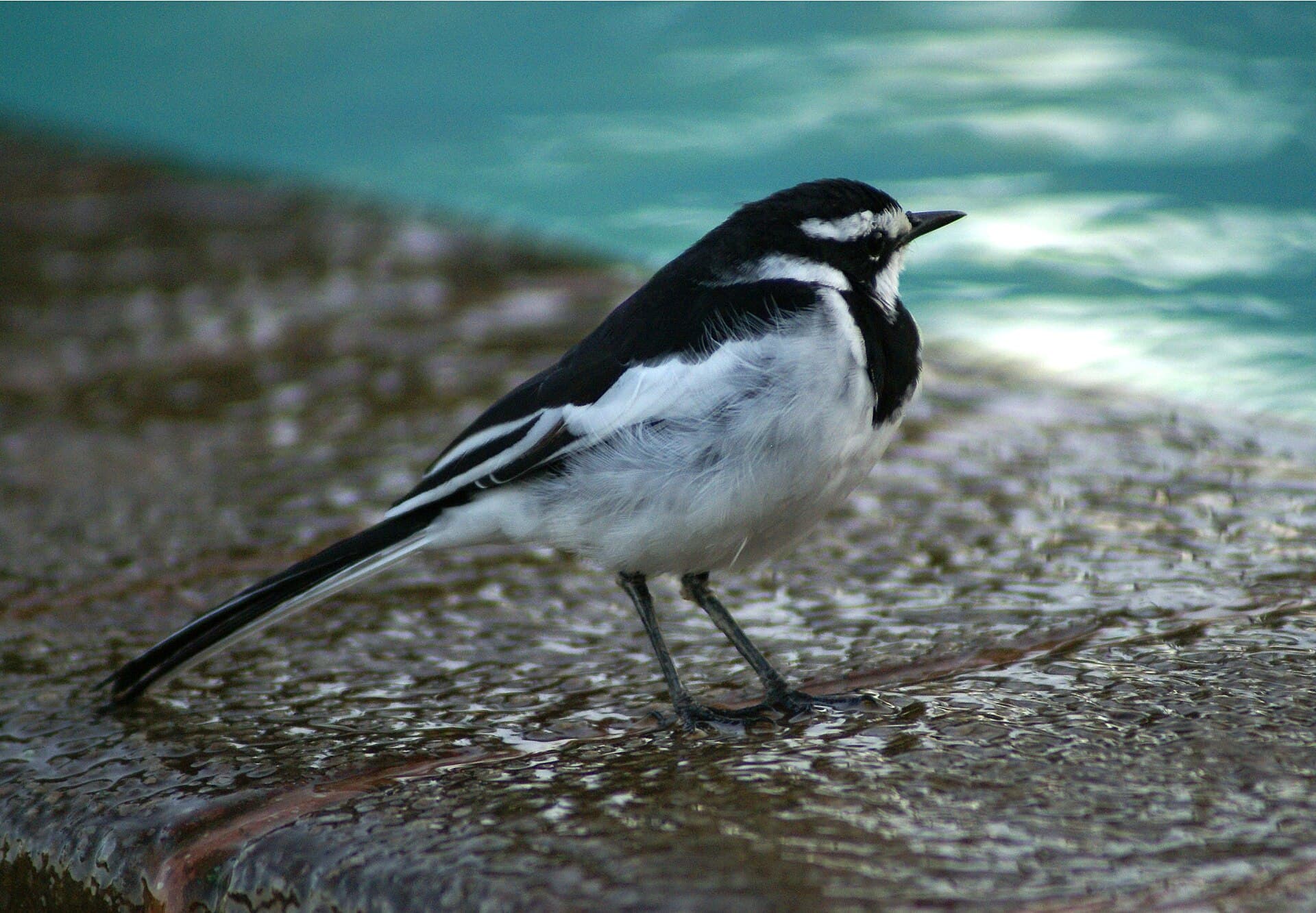 putneymark / CC BY-SA 2.0, via Wikimedia Commons
Tour de áudio autoguiado por Kilifi — rota GPS a pé, reprodução offline, narração envolvente em 32 idiomas.
“Onde a imensidão do Oceano Índico encontra um espírito de invenção.”
Não os postais. As histórias que nem os locais conhecem — sussurradas ao seu ouvido, exatamente onde aconteceram.
As águas serenas do Kilifi Creek encenam uma maravilha noturna que permanece em grande parte não divulgada.
Entre os remanescentes de pedra de coral de Mnarani, uma colossal árvore baobá permanece como um sentinela silencioso de séculos de tempo que passa.
A ponte mais longa do Quênia, uma artéria crucial ao longo da costa, carrega um aspecto menos conhecido e mais triste.
Descubra cada segredo de Kilifi
Cada endereço, cada revelação na íntegra — no seu ouvido, exatamente onde aconteceu.
Você escolhe as suas paragens. Você caminha. A voz revela o que os outros perdem.


O seu tour áudio autoguiado de Kilifi está pronto — escolha os seus pontos de interesse, selecione o seu idioma e comece no momento em que chegar.
ComprarA Lume inclui um guia de realidade aumentada. Levante o telemóvel: a câmara mostra a rua à sua frente, com uma seta luminosa sobreposta à imagem real que aponta sempre para a sua próxima paragem — sem mapa para decifrar, sem voltas erradas. Como tudo na Lume, funciona totalmente offline.
Kilifi, uma cidade costeira no Quênia, oferece uma experiência distinta de seus vizinhos mais frequentemente visitados, Mombaça e Malindi. Situada no extenso Kilifi Creek, uma enseada de maré que se estende para o interior, a cidade apresenta uma fusão de esplendor natural e uma cultura local florescente. É um lugar onde o encanto do Oceano Índico é complementado por uma comunidade criativa de artistas, músicos e praticantes de bem-estar, muitos dos quais chegaram para uma breve visita e escolheram fazer dela seu lar.
Kilifi oferece uma atmosfera relaxada para aqueles que buscam uma experiência costeira mais autêntica. A cidade serve como capital do Condado de Kilifi e funciona como um centro prático com serviços essenciais, mas mantém um ritmo tranquilo e sem pressa. Os visitantes encontrarão praias de areia clara, águas oceânicas quentes e uma energia singular moldada por seus habitantes, em vez de pelo turismo de massa.
## Comércio Antigo e Cidades-Estado Suaílis A história do Condado de Kilifi remonta a séculos, marcada por uma convergência de culturas indígenas, influências comerciais e encontros coloniais. Já no primeiro milênio d.C., a costa da África Oriental era um núcleo regional de comércio e intercâmbio cultural, promovendo o desenvolvimento de numerosos entrepostos comerciais na área de Kilifi.
O surgimento de cidades-estado suaílis, como Gedi e Mnarani, moldou profundamente a narrativa inicial de Kilifi. Essas cidades-estado, que também incluíam Sofala, Kilwa, Pate, Lamu e Zanzibar, prosperaram através do comércio marítimo. Elas despachavam mercadorias como marfim, ouro e especiarias através do Oceano Índico, atraindo mercadores da Arábia, Pérsia e Índia. A localização estratégica de Kilifi a tornou um centro comercial fundamental durante essa época.
## Influência Portuguesa e Declínio O século XVI trouxe os portugueses à costa da África Oriental. Em 1501, Malindi, uma cidade próxima, tornou-se a sede do Vice-rei português na África Oriental, ganhando proeminência sobre Mombaça. Kilifi se viu envolvida nas rivalidades entre esses poderes. Na década de 1580, Kilifi teria se envolvido com Malindi em nome de Mombaça, provocando a intervenção portuguesa ao lado de Malindi. Achados arqueológicos sugerem que o assentamento suaíli em Mnarani foi abandonado no início do século XVII, possivelmente devido a fatores como escassez de água, incursões portuguesas e ataques do povo Oromo.
## Desenvolvimento Moderno Após a independência do Quênia em 1963, Kilifi, anteriormente parte da Província Costeira, foi estabelecida como um distrito. A expansão da cidade foi significativamente impulsionada por uma fábrica de beneficiamento de castanha de caju entre 1976 e 1990, pois o distrito era produtor de castanha desde a década de 1930. No entanto, o fechamento da fábrica em 1990 devido à diminuição do suprimento de nozes, má gestão e aumento da concorrência global levou a um período de contração para a cidade.
Um avanço infraestrutural significativo foi a conclusão da Ponte de Kilifi em 1991. Esta ponte de concreto protendido de 420 metros substituiu um serviço de balsa através do Kilifi Creek, melhorando substancialmente a conectividade entre Mombaça e as regiões costeiras do norte. Hoje, o Condado de Kilifi continua a se desenvolver, apresentando uma mistura de encanto costeiro, riqueza cultural e locais históricos.
Kilifi apresenta uma variedade de atrações que iluminam seu esplendor natural e profundidade histórica. As Ruínas de Mnarani, datadas do século XIV ao XVII, são um local histórico proeminente. Situadas em um penhasco com vista para o Kilifi Creek, essas ruínas abrangem os remanescentes de duas mesquitas, vários túmulos e antigas árvores baobá. Os visitantes podem explorar a Grande Mesquita com seu mihrab esculpido e inscrições, e aprender sobre o assentamento suaíli que outrora floresceu aqui. Adjunto às ruínas fica o Mnarani Reptile Rescue Park, que se concentra na conservação e educação de espécies de répteis locais.
O próprio Kilifi Creek é uma característica central, oferecendo águas calmas e protegidas ideais para várias atividades. Cruzeiros de dhow ao pôr do sol proporcionam uma maneira popular de vivenciar a beleza do riacho enquanto o sol se põe atrás das árvores baobá. Para entusiastas de esportes aquáticos, o 3 Degrees South oferece oportunidades para vela, caiaque, esqui aquático, wakeboard e mergulho. A Praia de Bofa é outro destaque, reconhecida por sua areia clara e macia e águas cristalinas, proporcionando um ambiente tranquilo para passeios e excelentes condições para kitesurf durante as estações de vento.
Mais longe, passeios de um dia podem ser organizados para as Ruínas de Gedi, uma antiga vila suaíli que prosperou no século XIV, e a Reserva Florestal Arabuko-Sokoke, uma Reserva da Biosfera da UNESCO conhecida por sua vida selvagem rara e espécies de pássaros. O Santuário Marinho de Kuruwitu oferece excelentes oportunidades de snorkeling para observar abundante vida marinha e jardins de corais.
Kilifi goza de um clima tropical com calor durante todo o ano, tornando-a um destino viável a qualquer momento. A estação seca, de junho a outubro, oferece clima agradável com chuva mínima, ideal para atividades de praia e exploração de atrações naturais. Setembro é um favorito local, sendo seco e ligeiramente mais fresco. Para condições oceânicas ideais, de dezembro a fevereiro são recomendados, embora estes também sejam os meses mais quentes. A época festiva em torno de dezembro e janeiro é particularmente animada com eventos como o Festival de Ano Novo de Kilifi. As chuvas longas ocorrem de abril a junho, e chuvas mais curtas e menos confiáveis em outubro e novembro. Embora esses períodos tragam paisagens verdejantes e menos multidões, esteja preparado para possíveis chuvas.
Kilifi está localizada a aproximadamente 55 quilômetros ao norte de Mombaça. Os viajantes podem voar para Mombaça (Aeroporto Internacional Moi), Malindi ou Vipingo. Vipingo é o mais próximo e conveniente, a cerca de 30 minutos de táxi. De Mombaça, a viagem até Kilifi leva de 1,5 a 2 horas, e um táxi geralmente custa entre KSh 6.000 e 8.000. O Uber opera em Mombaça e pode ser usado para transferências para Kilifi. Matatus (micro-ônibus públicos) são uma opção mais econômica, embora potencialmente menos confortável, de Mombaça ou Malindi.
As opções de acomodação em Kilifi incluem propriedades de aluguel, pensões e eco-lodges. O Distant Relatives Eco-Lodge and Backpackers é uma escolha popular, oferecendo dormitórios, cabanas privativas e camping. Embora Kilifi tenha menos opções de hotéis do que algumas outras cidades costeiras, há muitas propriedades de aluguel que oferecem bom valor. Wi-Fi confiável geralmente está disponível na maioria das pensões, cafés e espaços de coworking. A segurança em Kilifi é considerada adequada pelos padrões quenianos, mas é aconselhável estar ciente do seu entorno após o anoitecer.
Kilifi — coreano, chinês, hebraico e mais 29 idiomas, cada parada narrada por uma voz nativa. A maior variedade de idiomas entre os passeios de áudio autoguiados.
Disponível em: