Kyteler's Inn
Esta perdurable taberna posee una escalofriante notoriedad, vinculada al primer juicio por brujería documentado en Irlanda.
La historia completa se desbloquea en el tour
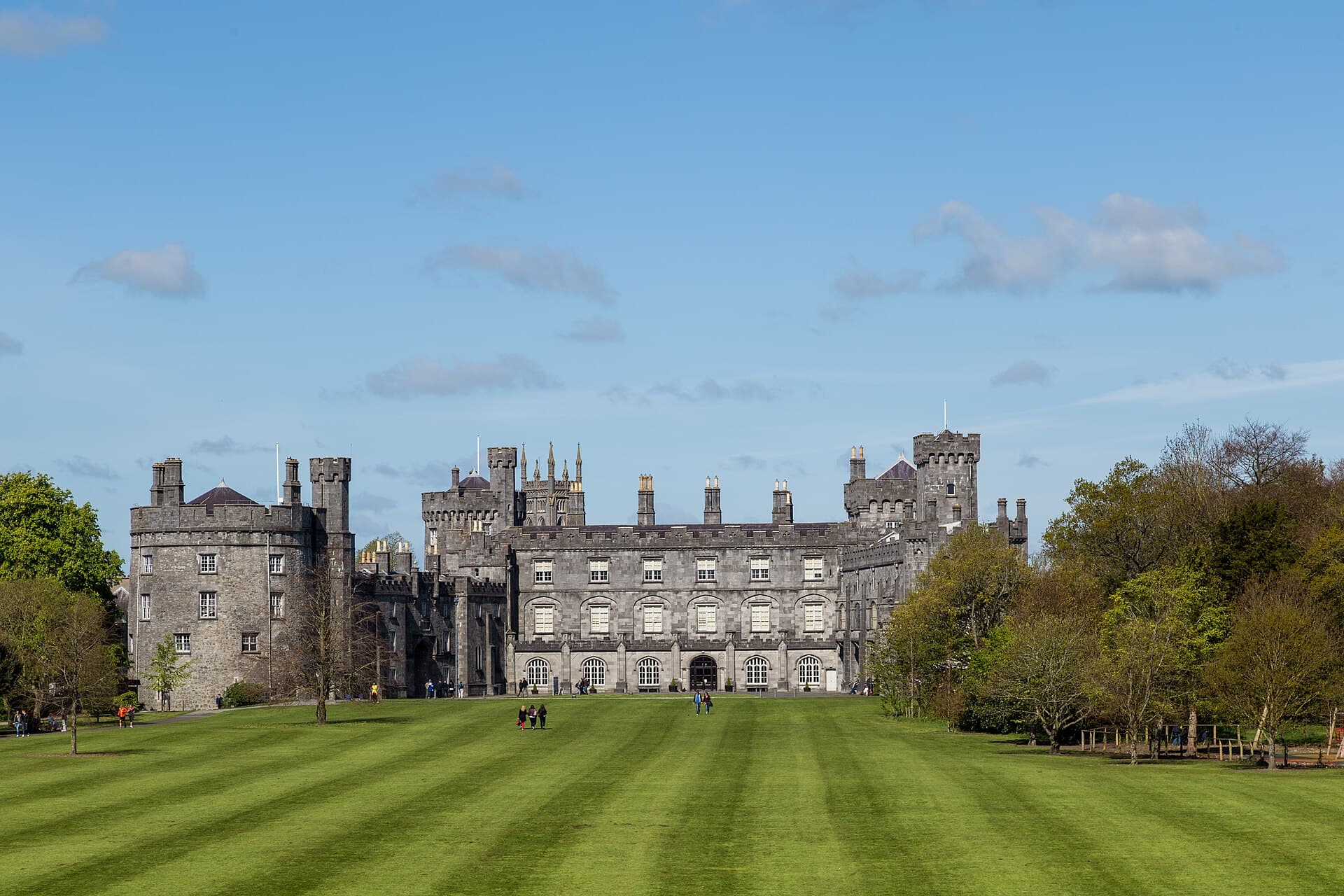 Jimmy joe jazz / CC BY-SA 4.0, via Wikimedia Commons
Tour de audio autoguiado de Kilkenny — ruta GPS a pie, reproducción offline, narración en 32 idiomas.
“Donde las piedras antiguas narran cuentos de mercaderes, brujas y monarcas.”
No las postales. Las historias que ni los locales conocen — al oído, justo donde ocurrieron.
Esta perdurable taberna posee una escalofriante notoriedad, vinculada al primer juicio por brujería documentado en Irlanda.
Más allá de su imponente exterior, este castillo ostentó una sorprendente distinción meteorológica para Irlanda.
Esta residencia de mercader ofrece una ventana singular a la vida del siglo XVII, pero su disposición es más inusual de lo que cabría esperar.
Descubre todos los secretos de Kilkenny
Cada dirección, cada revelación al completo — a tu oído, justo donde ocurrió.
Eliges tus paradas. Caminas. La voz te revela lo que los demás ignoran.


Tu tour de audioguía por Kilkenny te espera — elige tus lugares, tu idioma y empieza al llegar.
ComprarLume incluye una guía de realidad aumentada. Levanta el móvil y su cámara muestra la calle que tienes delante, con una flecha luminosa sobre la imagen real que siempre apunta a tu próxima parada — sin mapas que descifrar, sin giros equivocados. Como todo en Lume, funciona completamente sin conexión.
Kilkenny, frecuentemente conocida como la "Ciudad de Mármol" por su singular piedra caliza negra, es un centro urbano compacto en el sureste de Irlanda que se siente como si se entrara directamente en una narrativa medieval. A solo 90 minutos de Dublín, es un destino de fácil acceso que encierra siglos de historia, una cultura atractiva y una atmósfera animada dentro de sus transitables callejuelas. El río Nore fluye graciosamente a través de la ciudad, realzando su atractivo evocador.
El encanto de Kilkenny surge de su capacidad para entrelazar su pasado antiguo con un presente dinámico. Pasea por calles adoquinadas y descubre imponentes castillos, grandes catedrales, tabernas tradicionales y talleres de artesanos. La ciudad sirve como nexo para la artesanía y el diseño, y su calendario cultural está marcado por celebraciones anuales, incluyendo el Festival de las Artes de Kilkenny y el Festival de Comedia Cat Laughs. Ya sea que te atraiga su profundidad histórica o su energía contemporánea, Kilkenny promete un encuentro irlandés inmersivo.
## De Asentamiento Monástico a Capital Medieval Los orígenes de Kilkenny se remontan a un establecimiento eclesiástico temprano del siglo VI, con una iglesia construida en honor a San Canice, de quien la ciudad deriva su nombre irlandés, Cill Chainnigh. Este centro monástico, ahora la Catedral de San Canice, era un lugar significativo en el siglo VIII.
Tras la invasión normanda de Irlanda en el siglo XII, la trayectoria de Kilkenny cambió drásticamente. Richard Strongbow, Señor de Leinster, erigió una fortificación de madera cerca del actual emplazamiento del Castillo de Kilkenny en 1172. William Marshall, Señor de Leinster, comenzó entonces a desarrollar la ciudad y a construir muros defensivos para salvaguardar a sus habitantes, otorgando a Kilkenny una carta de ciudad en 1207. A finales del siglo XIII, Kilkenny estaba bajo control hiberno-normando, con el centro eclesiástico conocido como Irishtown y el burgo anglo-normando como Hightown.
La importancia de Kilkenny se expandió, y en 1367, los Estatutos de Kilkenny fueron promulgados aquí, un esfuerzo por frenar el declive del Señorío Hiberno-Normando de Irlanda. En 1609, el rey Jacobo I de Inglaterra concedió a Kilkenny una Carta Real, elevando su estatus a ciudad. De 1642 a 1649, Kilkenny sirvió como capital de la Confederación Católica Irlandesa, también conocida como la "Confederación de Kilkenny", hasta la conquista de Irlanda por Cromwell.
## Patrimonio Duradero Hoy en día, Kilkenny conserva muchas estructuras de sus primeros siglos. La Torre Redonda en St. Canice's tiene al menos 900 años, mientras que la Torre Talbot data de alrededor de 1260. Cinco iglesias medievales del siglo XIII aún se mantienen en pie, y Rothe House ofrece un excelente ejemplo de una residencia de mercaderes de finales del siglo XVI y principios del XVII. El Castillo de Kilkenny, originalmente una fortificación de madera del siglo XII y más tarde una estructura de piedra construida por William Marshal, fue la sede de la influyente familia Butler durante más de 500 años hasta que fue donado a la ciudad en 1967. Los edificios medievales y las calles bien conservadas de la ciudad continúan narrando su fascinante historia.
Comienza tu exploración en la Milla Medieval, un sendero histórico que conecta el Castillo de Kilkenny con la Catedral de San Canice. Empieza en el Castillo de Kilkenny, una formidable fortaleza del siglo XII que sirvió de hogar a la influyente familia Butler durante siglos. Explora sus lujosos interiores, incluyendo la larga galería de cuadros y el vivero victoriano, y pasea por sus 50 acres de parques y jardines de rosas.
Continúa por la Milla Medieval hasta Rothe House & Garden, un singular complejo de casas de mercaderes del siglo XVII con tres casas, tres patios y un jardín urbano reconstruido del siglo XVII. El Museo de la Milla Medieval, situado en la restaurada Iglesia de St. Mary del siglo XIII, ofrece exposiciones interactivas y artefactos que animan la historia de Kilkenny.
En el extremo norte de la Milla Medieval se encuentran la Catedral de San Canice y la Torre Redonda. Asciende la Torre Redonda del siglo IX, una de las tres únicas torres escalables en Irlanda, para disfrutar de vistas panorámicas de la ciudad. Dentro de la catedral, admira las vidrieras, las tumbas antiguas y la silla de piedra tallada de San Kieran.
Más allá de la Milla, considera una visita a la Black Abbey, una iglesia dominica reconocida por su magnífica Ventana del Rosario, que se dice que es la vidriera más grande de Irlanda. Para probar la historia cervecera local, la Smithwick's Experience ofrece un recorrido por la cervecería de cerveza ale más antigua de Irlanda. Si buscas aventura, Castlecomer Discovery Park ofrece actividades como la tirolina más larga de Irlanda.
Recuerda explorar la animada escena artesanal y de diseño de Kilkenny en lugares como la National Design & Craft Gallery y el Kilkenny Design Centre.
Kilkenny experimenta un clima oceánico templado, con condiciones más suaves que la costa oeste de Irlanda debido a su posición interior. La época más favorable para visitar para actividades de clima cálido y festivales es desde finales de junio hasta finales de agosto, cuando las temperaturas medias oscilan entre 14-20°C (57-68°F). Sin embargo, julio y agosto son temporada alta, lo que conlleva un aumento de precios y mayores multitudes.
Finales de primavera (mayo) y principios de otoño (septiembre) ofrecen un equilibrio ideal de clima agradable, menos turistas y precios moderados. Mayo y junio son generalmente los meses más soleados. Kilkenny alberga varios festivales durante todo el año, incluyendo el Festival de Comedia Cat Laughs en junio, el Festival de la Semana de las Artes de Kilkenny en agosto y el festival gastronómico Savour Kilkenny en octubre.
Kilkenny está convenientemente situada en el sureste de Irlanda, a aproximadamente 130 km de Dublín, lo que la hace fácilmente accesible en coche o transporte público. Aunque Kilkenny no posee un aeropuerto internacional, se encuentra a dos horas en coche de los principales aeropuertos de Irlanda. El centro de la ciudad es compacto y se explora mejor a pie o en bicicleta, especialmente a lo largo de la Milla Medieval. Los autobuses públicos operan dentro de la ciudad y a los pueblos circundantes.
Para obtener información turística, visita el Centro de Información Turística Fáilte Ireland Kilkenny en High Street. La aplicación de Kilkenny proporciona una plataforma digital para eventos locales e información útil. Aunque la región es conocida como el "Soleado Sureste", el clima irlandés puede ser cambiante, por lo que llevar una chaqueta ligera para la lluvia es siempre una opción sensata.
Kilkenny en coreano, en chino o en hebreo — y 29 idiomas más, cada parada narrada por una voz nativa. La mayor variedad de idiomas de cualquier audioguía autoguiada.
Disponible en: