Clattern Bridge
Questo ponte discreto custodisce un segreto sul nome stesso della città.
La storia completa si sblocca nel tour
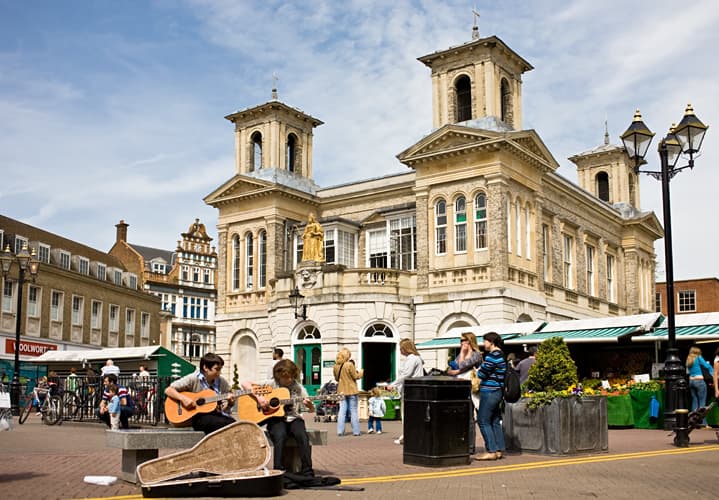 Kreepin Deth / cc by 3.0, via Wikimedia Commons
Tour audio autoguidato di Kingston upon Thames — percorso GPS a piedi, riproduzione offline, narrazione coinvolgente in 32 lingue.
“Dove i re sassoni ricevettero le loro corone, e una città mercato fiorisce ancora lungo la riva del fiume.”
Non le cartoline. Le storie che nemmeno i locali conoscono — sussurrate nel tuo orecchio, proprio dove sono accadute.
Questo ponte discreto custodisce un segreto sul nome stesso della città.
La Pietra dell'Incoronazione è più di un reperto; testimonia un sorprendente numero di antiche incoronazioni.
Il tranquillo fiume Hogsmill, un affluente del Tamigi, un tempo alimentava un'industria che plasmò il tessuto stesso della comunicazione.
Scopri ogni segreto di Kingston upon Thames
Ogni indirizzo, ogni rivelazione completa — nel tuo orecchio, proprio dove è accaduta.
Scegli le tue tappe. Cammini. La voce rivela ciò che gli altri perdono.


Il tuo tour audio autoguidato di Kingston upon Thames è pronto — scegli i tuoi punti di interesse, seleziona la tua lingua e inizia nel momento in cui arrivi.
AcquistaLume include una guida in realtà aumentata. Alza il telefono: la fotocamera mostra la strada davanti a te, con una freccia luminosa sovrapposta all'immagine reale che punta sempre verso la tua prossima tappa — nessuna mappa da decifrare, nessuna svolta sbagliata. Come tutto in Lume, funziona completamente offline.
Kingston-upon-Thames, una città mercato con una lunga memoria nel sud-ovest di Londra, offre una miscela distinta di patrimonio antico ed energia moderna. Situata sul fiume Tamigi, porta un profondo passato come borgo reale anglosassone, dove i re ricevevano un tempo le loro corone. Oggi, si erge come un vivace centro commerciale e al dettaglio, attirando visitatori con il suo scenario fluviale, le ampie possibilità di shopping e le attrazioni culturali.
Il carattere della città è plasmato dai suoi sentieri tortuosi, dagli edifici duraturi e dal flusso costante del Tamigi. Dagli echi del suo passato reale all'energia contemporanea del suo mercato e della sua vivace scena artistica, Kingston presenta una destinazione avvincente per coloro che cercano una comprensione più profonda della storia più ampia di Londra, al di là del centro città. È un luogo dove il passato non è semplicemente conservato; è intessuto nella trama della vita quotidiana, invitando all'esplorazione e alla scoperta ad ogni angolo.
## Origini Reali e Re Anglosassoni Il passato documentato di Kingston risale a oltre mille anni fa, con le sue origini saldamente radicate nell'Inghilterra anglosassone. Il suo nome, 'Cyninges tun', si traduce direttamente in 'feudo o tenuta del re', un chiaro indicatore delle sue prime connessioni reali. La città crebbe in importanza come vitale centro reale, in particolare nel X secolo. Fu qui, sulla Pietra dell'Incoronazione, che almeno sette re anglosassoni furono consacrati, tra cui Athelstan, spesso considerato il primo Re d'Inghilterra, nel 925 d.C. Altri monarchi incoronati a Kingston includono Edmund I, Eadred, Eadwig, Edward il Martire e Æthelred l'Impreparato. Ciò rende Kingston uno dei luoghi più significativi per le prime incoronazioni inglesi al di fuori di Westminster.
## Città Mercato Medievale e Ponte Dopo la conquista normanna, Kingston continuò a prosperare come città mercato. La sua posizione strategica sul fiume Tamigi, nel primo punto di attraversamento a monte del London Bridge, la rese un importante snodo di passaggio e commercio. La costruzione del Clattern Bridge nel 1175, il ponte più antico del Surrey, ne consolidò ulteriormente l'importanza. La città ricevette la sua prima carta reale nel 1200 da Re Giovanni, concedendole vari diritti e privilegi che ne incoraggiarono l'espansione e la prosperità. Durante il periodo medievale, Kingston fu un vivace centro di commercio, con merci spostate via fiume e strada, contribuendo alla sua ricchezza e influenza.
## Da Fermata di Diligenze a Moderno Borgo Nei secoli successivi, Kingston si evolse da città mercato medievale a significativa fermata di diligenze sulle rotte verso la costa meridionale. L'arrivo della ferrovia nel XIX secolo ne accelerò ulteriormente lo sviluppo, collegandola più strettamente a Londra. Il patrimonio industriale della città include anche un notevole periodo di produzione aeronautica, in particolare durante le due guerre mondiali, con aziende come Sopwith Aviation e Hawker Aircraft che mantennero una presenza significativa. Oggi, Kingston-upon-Thames è un vivace borgo di Londra, che fonde con successo la sua duratura eredità storica con una dinamica identità contemporanea. Rimane una destinazione popolare per lo shopping, il tempo libero e un accesso alla bellezza naturale del Tamigi e del vicino Richmond Park.
Inizia la tua esplorazione dalla Pietra dell'Incoronazione, situata fuori dal Municipio, dove i re anglosassoni ricevevano un tempo le loro corone. Una breve passeggiata ti condurrà al Clattern Bridge, il ponte più antico del Surrey, che offre uno sguardo all'ingegneria medievale. Passeggia lungo il Riverside Walk, godendoti gli scenari del Tamigi e il traffico attivo delle imbarcazioni. Qui, puoi anche trovare la distintiva scultura 'Out of Order', una giocosa disposizione di dodici cabine telefoniche rosse in caduta. Esplora l'Ancient Market Place, che è stato un centro di commercio per secoli, ora ospita una varietà di bancarelle che vendono prodotti freschi, street food e articoli artigianali. Per un assaggio di natura, considera una visita a Richmond Park, uno dei parchi reali più grandi di Londra, facilmente raggiungibile da Kingston e riconosciuto per i suoi branchi di cervi e le ampie vedute. Il Rose Theatre, un teatro contemporaneo che trae ispirazione dal Rose Theatre originale di Shakespeare, presenta un programma diversificato di opere teatrali e spettacoli.
Kingston-upon-Thames offre divertimento tutto l'anno, ma i mesi primaverili ed estivi (da aprile a settembre) offrono il clima più gradevole per passeggiate lungo il fiume, esplorazione dei mercati all'aperto e visita di Richmond Park. La città può essere particolarmente vivace durante il periodo natalizio con mercati e luci festive.
Kingston è ben collegata al centro di Londra in treno, con servizi frequenti dalla stazione di Waterloo. Numerose linee di autobus servono anche la città e le aree circostanti. Per chi guida, sono disponibili parcheggi multipiano, anche se il traffico può essere intenso, specialmente durante le ore di punta. Il centro della città è in gran parte facile da navigare a piedi, rendendo l'esplorazione semplice. I servizi igienici pubblici sono disponibili in varie località, tra cui il Bentall Centre e vicino all'Ancient Market Place.
Kingston upon Thames — coreano, cinese, ebraico e altre 29 lingue, ogni tappa narrata da una voce madrelingua. La più ampia scelta di lingue tra i tour audio autoguidati.
Disponibile in: