Рынок Кибуйе
Обширный рынок Кибуйе — это сенсорная перегрузка, живой гобелен повседневной жизни. Но есть конкретная причина, по которой его название резонирует с самой сутью находчивости.
Полная история открывается в туре
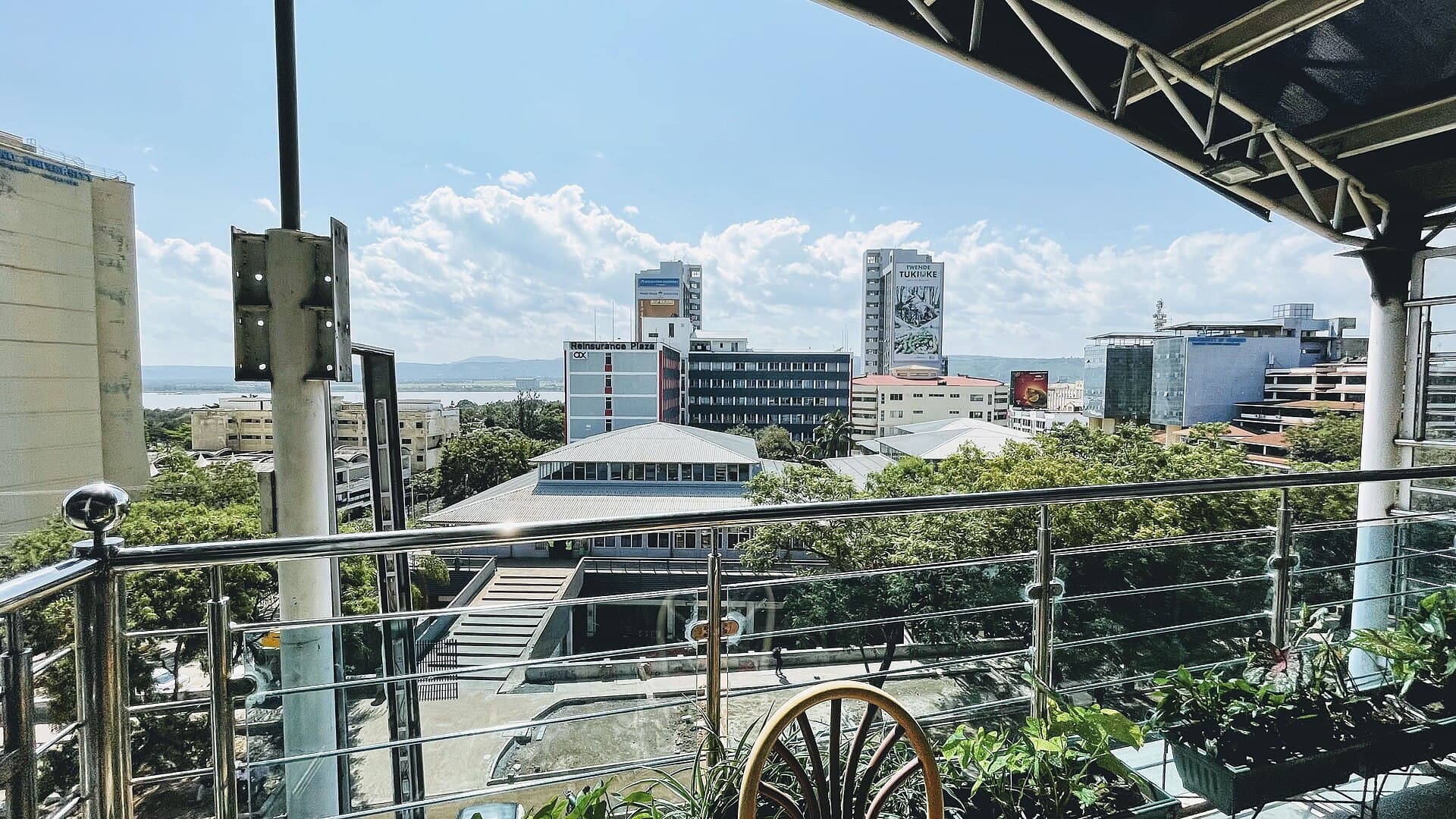 Leo Hempstone / CC0, via Wikimedia Commons
Самостоятельная аудиопрогулка по Кисуму — GPS-маршрут, офлайн-воспроизведение, увлекательное повествование на 32 языках.
“Где ритм озера Виктория встречается с пульсом кенийской культуры.”
Не открытки. Истории, которые не знают даже местные жители — шепотом в вашем ухе, прямо там, где они произошли.
Обширный рынок Кибуйе — это сенсорная перегрузка, живой гобелен повседневной жизни. Но есть конкретная причина, по которой его название резонирует с самой сутью находчивости.
До рева современных реактивных двигателей аэропорт Кисуму играл удивительную роль в соединении континентов, задолго до того, как он стал крупным региональным центром.
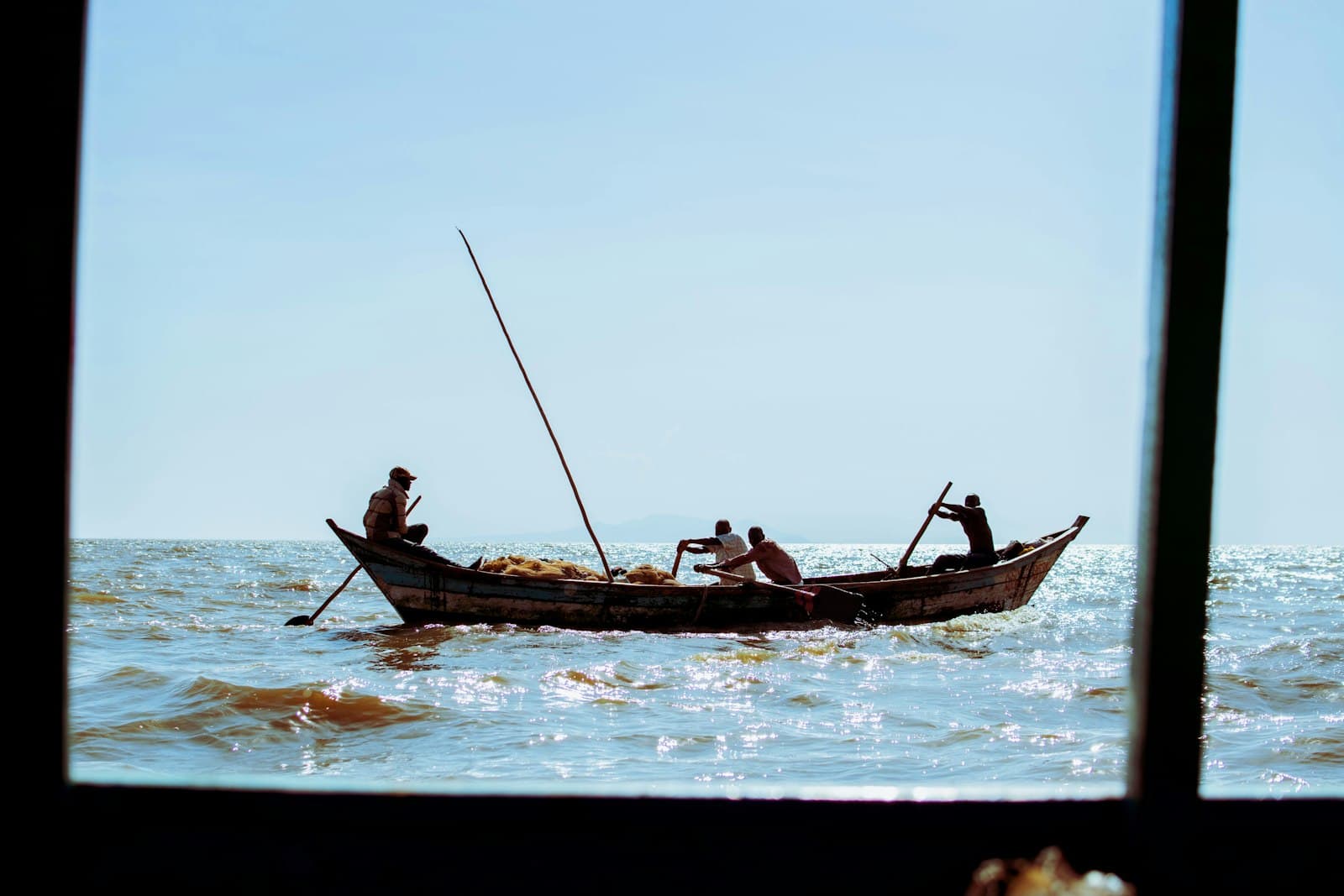
На пляже Дунга вы можете наблюдать, как рыбаки привозят дневной улов, зрелище, которое кажется вневременным. Однако одно конкретное местное блюдо здесь предлагает взгляд на очень специфический, почти ритуальный способ еды.
Откройте для себя каждый секрет Кисуму
Каждый адрес, каждое полное раскрытие — в вашем ухе, прямо там, где это произошло.
Вы выбираете остановки. Вы гуляете. Голос раскрывает то, что упускают другие.


Ваш самостоятельный аудиотур по Кисуму готов — выберите свои достопримечательности, выберите свой язык и начните в момент прибытия.
КупитьВ Lume встроен гид дополненной реальности. Поднимите телефон: камера показывает улицу перед вами, а поверх реального изображения светится стрелка, всегда указывающая на вашу следующую остановку — не нужно разбираться с картой и сворачивать не туда. Как и всё в Lume, это работает полностью офлайн.
Кисуму, третий по величине город Кении, раскинулся вдоль северо-восточного побережья озера Виктория, крупнейшего пресноводного озера Африки. Этот прибрежный город, часто называемый «Прибрежным городом», предлагает уникальное сочетание природной красоты, культурного наследия и непринужденной атмосферы, которая отличает его от шумной столицы Кении. Кисуму служит жизненно важным коммерческим, промышленным и транспортным узлом для западной Кении, выступая в качестве важнейшего звена в торговых путях, связывающих озеро Виктория с Момбасой.
С населением около 438 588 жителей, Кисуму является оживленным центром общины луо, составляющей большинство его жителей. Экономика города процветает за счет торговли, сельского хозяйства и рыболовства, а его рынки изобилуют свежими продуктами и ежедневным уловом из озера. Помимо экономического значения, Кисуму признан Организацией Объединенных Наций «Городом тысячелетия», первым в своем роде в Восточной Африке, стремящимся стать образцом экономических реформ.
Территория, ныне известная как Кисуму, имеет долгую историю как место сбора, а исторические записи свидетельствуют о том, что разнообразные сообщества сходились здесь для торговли задолго до прибытия европейцев. Считается, что само название «Кисуму» происходит от слова луо «сумо», означающего «место бартерной торговли», или «Кисумо», означающего «место для поиска еды».
В конце XIX века британские исследователи определили стратегическое расположение Кисуму в заливе Винам озера Виктория как идеальное место для конечной железнодорожной станции и порта. Это привело к его официальному основанию в 1901 году, первоначально названному Порт-Флоренс, в честь Флоренс Престон, жены инженера, руководившего строительством Угандийской железной дороги. Железнодорожная линия достигла пирса Кисуму 20 декабря 1901 года, превратив поселение в важнейший перегрузочный пункт, связывающий африканский континент с побережьем Индийского океана. К февралю 1903 года железная дорога была введена в эксплуатацию как для грузовых, так и для пассажирских перевозок.
Название Порт-Флоренс просуществовало недолго, и к 1903 году поселение вернулось к своему местному названию — Кисуму. Развитие города было дополнительно стимулировано его ролью порта, что способствовало развитию судоходства, торговли сельскохозяйственной продукцией, такой как сахар и зерно, и росту смежных отраслей, таких как ремонт судов. Строительство железной дороги также привлекло тысячи рабочих из Британской Индии, многие из которых поселились в Кисуму, способствуя его культурному разнообразию.
После обретения Кенией независимости в 1963 году Кисуму стал административным центром провинции Ньянза. Хотя его рост временно замедлился с распадом Восточноафриканского сообщества в 1977 году, город пережил возрождение с реформированием сообщества в 1996 году и его статусом «города». Сегодня Кисуму продолжает оставаться быстрорастущим городом Кении, процветающим благодаря своим природным ресурсам и своему положению как делового эпицентра региона.
Кисуму предлагает разнообразные достопримечательности, сочетающие природу, культуру и местную жизнь. Заповедник Кисуму Импала, расположенный недалеко от центра города, является убежищем для импал, бегемотов и разнообразных видов птиц. Для панорамных видов на озеро Виктория Хиппо Пойнт — популярное место, особенно на закате. Еще одно прибрежное место, Dunga Hill Camp, предлагает расслабляющую атмосферу, живую музыку по выходным и незабываемые закаты.
Исследуйте культурное наследие региона в Музее Кисуму, где представлены история и традиции народа луо, включая полномасштабную реконструкцию традиционного жилища луо. Примерно в 29 километрах от Кисуму находится впечатляющее скальное образование Кит Микайи, которое имеет значительный фольклор и известно как «плачущий камень» или «камень первой жены». Для более глубокого погружения рассмотрите лодочную прогулку по озеру Виктория, предлагающую взглянуть на местные рыбацкие деревни и возможности для наблюдения за птицами. Оживленный рынок Кибуйе, один из крупнейших рынков под открытым небом в Восточной Африке, является оживленным местом для знакомства с местной торговлей и поиска всего, от свежих продуктов до ремесел.
В Кисуму тропический климат с постоянными температурами в течение года, в среднем около 21°C - 23°C (70°F - 73°F). В городе два основных сезона: сухой и влажный. Лучшее время для посещения Кисуму для активного отдыха и комфортного исследования — сухие сезоны, с декабря по март и июня по сентябрь. В эти месяцы вас ждут теплые солнечные дни с минимальным количеством осадков, идеально подходящие для лодочных прогулок по озеру Виктория, наблюдения за дикой природой и наслаждения оживленной атмосферой города. Хотя в дождливые месяцы (апрель, май и октябрь) идут более частые, часто кратковременные дожди, ландшафт становится пышным и зеленым, что может быть привлекательным для наблюдения за птицами и фотографирования.
Официальная валюта в Кисуму — кенийский шиллинг (KES). В то время как крупные отели и торговые центры принимают кредитные карты, в местных закусочных и на рынках предпочтительнее наличные. Банкоматы широко доступны в центре города. Рассмотрите возможность регистрации в M-Pesa, кенийской системе мобильных платежей, которая широко принимается.
Кисуму в целом считается безопасным, но рекомендуется соблюдать обычные меры предосторожности. Избегайте прогулок в одиночку ночью, особенно в плохо освещенных местах или у берега озера. Мелкие кражи, такие как карманные кражи, могут происходить в людных местах, таких как рынки, поэтому держите ценные вещи в безопасности. Скромная одежда уважительна, особенно при посещении рынков или сельских районов. Пейте бутилированную или фильтрованную воду и избегайте кубиков льда в небольших заведениях. Из-за комаров рекомендуется использовать высококачественное средство от насекомых и одежду с длинными рукавами для вечеров.
Передвижение по Кисуму предлагает несколько вариантов. Тук-туки и бода-бода (мототакси) распространены на короткие расстояния; всегда договаривайтесь о тарифе заранее. Приложения для вызова такси, такие как Uber или Bolt, также доступны для прозрачного ценообразования. Автобусы и матату (микроавтобусы) служат общественным транспортом на более длинные расстояния и междугородние поездки. Международный аэропорт Кисуму (KIS) предлагает ежедневные рейсы в Найроби и другие города.
Кисуму: корейский, китайский, иврит и ещё 29 языков — каждую остановку озвучивает носитель языка. Самый широкий выбор языков среди аудиоэкскурсий без гида.
Доступные языки: