Lindwurmbrunnen
Der furchterregende Drache, der den Hauptplatz von Klagenfurt bewacht, hat eine unerwartete Ursprungsgeschichte, die mehr auf Wissenschaft als auf Mythos beruht.
Die ganze Geschichte wird in der Tour freigeschaltet
 Johann Jaritz / CC BY-SA 4.0, via Wikimedia Commons
Selbstgeführte Audio-Walking-Tour durch Klagenfurt — GPS-Route, Offline-Wiedergabe, erzählerische Narration in 32 Sprachen.
“Wo Renaissance-Anmut auf alpinen-adriatischen Charme trifft.”
Nicht die Postkarten. Die Geschichten, die selbst Einheimische nicht kennen – dir ins Ohr geflüstert, genau dort, wo sie geschahen.
Der furchterregende Drache, der den Hauptplatz von Klagenfurt bewacht, hat eine unerwartete Ursprungsgeschichte, die mehr auf Wissenschaft als auf Mythos beruht.
Klagenfurt war Vorreiter für eine heute übliche städtische Einrichtung, Jahrzehnte vor vielen anderen europäischen Städten.
Diese Welt der Miniaturen dient einem Zweck, der über reine Unterhaltung hinausgeht, und trägt zu einer größeren Sache bei.
Entdecke jedes Geheimnis von Klagenfurt
Jede Adresse, jede Enthüllung vollständig – in deinem Ohr, genau dort, wo es geschah.
Du wählst deine Stationen. Du gehst. Die Stimme enthüllt, was andere übersehen.


Deine selbstgeführte Audio-Tour durch Klagenfurt ist bereit – wähle deine Sehenswürdigkeiten, deine Sprache und starte, sobald du ankommst.
KaufenLume enthält einen integrierten Augmented-Reality-Guide. Halten Sie Ihr Handy hoch: Die Kamera zeigt die Straße vor Ihnen, mit einem leuchtenden Pfeil über dem echten Bild, der immer auf Ihren nächsten Stopp zeigt — keine Karte zum Rätseln, keine falschen Abzweigungen. Wie alles bei Lume funktioniert es komplett offline.
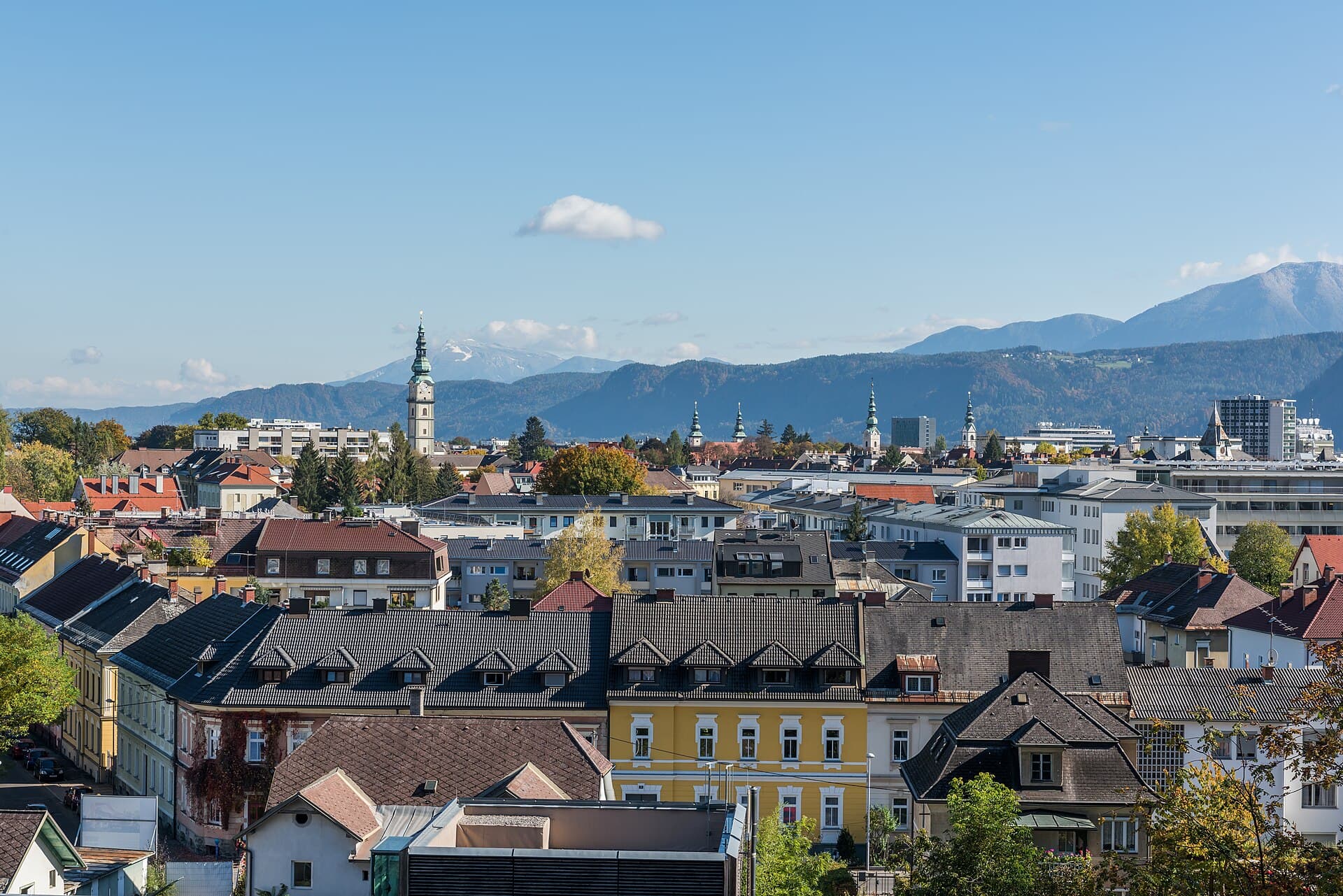
Klagenfurt am Wörthersee, oft einfach Klagenfurt genannt, ist die Hauptstadt des südlichsten Bundeslandes Österreichs, Kärnten. Sie liegt am Fluss Glan, östlich des Wörthersees und nördlich der Karawanken. Die Stadt verbindet Renaissance-Architektur mit einer entspannten, fast mediterranen Atmosphäre, beeinflusst durch die Nähe zu Italien und Slowenien. Mit über 100.000 Einwohnern bewahrt Klagenfurt ein lebendiges und doch ruhiges Ambiente, was sie zu einem Tor zum kulturellen Erbe und zur natürlichen Schönheit der Region macht.
Die gut erhaltene Altstadt von Klagenfurt lädt zur Erkundung ein, mit reizvollen Gassen und prächtigen Innenhöfen, die ihre Vergangenheit als bedeutendes Handelszentrum offenbaren. Klagenfurt ist auch für ihr Engagement in der Stadtplanung bekannt und führte 1961 Österreichs erste Fußgängerzone ein. Außerhalb des historischen Kerns bieten Attraktionen wie Minimundus, ein Miniaturpark mit weltbekannten Wahrzeichen, und das warme Wasser des Wörthersees vielfältige Erlebnisse für Besucher.
Die Ursprünge Klagenfurts reichen bis ins späte 12. Jahrhundert zurück, als Herzog Hermann von Spanheim eine Handelsniederlassung gründete. Sie erschien erstmals zwischen 1192 und 1199 in historischen Aufzeichnungen als Forum Chlagenvurth. Dieser ursprüngliche Standort in der flachen Glan-Aue erwies sich jedoch aufgrund ständiger Überschwemmungen als problematisch. Um 1246 verlegte Herzog Bernhard von Spanheim, Hermanns Sohn, die Siedlung klugerweise an einen trockeneren, sichereren Ort und legte damit den Grundstein für die heutige Stadt rund um den heutigen Alten Platz.
Klagenfurt erhielt 1252 Stadtrechte und fiel 1335 an die Habsburger. Ein verheerender Brand im Jahr 1514 zerstörte die Stadt fast vollständig. Da der Kaiser den Wiederaufbau nicht finanzieren konnte, trat Kaiser Maximilian I. Klagenfurt 1518 an die Kärntner Landstände ab. Dieser Übergang markierte einen Wendepunkt und leitete eine Ära der Renaissance-Blüte ein. Italienische Baumeister waren maßgeblich am Wiederaufbau der Stadt beteiligt und verliehen Klagenfurt ihren unverwechselbaren italienisch-renaissancehaften Architekturstil mit einem geometrischen Schachbrettmuster. Im Jahr 1527 wurde der Lendkanal gegraben, um die Stadt mit dem Wörthersee zu verbinden, was den Holztransport für den Wiederaufbau erleichterte und neue Wassergräben speiste.
Im Laufe der Jahrhunderte festigte Klagenfurt ihre Rolle als Hauptstadt Kärntens. Das Lindwurm-Denkmal, ein zentrales Symbol, wurde 1590 fertiggestellt. Die Stadt wurde 1787 Sitz der Fürstbischöfe von Gurk. Das 19. Jahrhundert brachte bedeutende Entwicklungen, darunter die Eröffnung von Eisenbahnverbindungen im Jahr 1863, die Klagenfurt mit Wien und der Adriaküste verbanden und die Wirtschaft ankurbelten. Nach der Kärntner Volksabstimmung 1920 verblieb die Stadt bei der Republik Österreich. Klagenfurt setzte seine Innovationsgeschichte fort und richtete 1961 Österreichs erste Fußgängerzone ein. 1968 erhielt sie für ihre zahlreichen Städtepartnerschaften den Titel "Europäische Stadt des Jahres". Für die vorbildliche Restaurierung ihrer Altstadt erhielt die Stadt dreimal das Europa-Nostra-Diplom für Verdienste, ein europäischer Rekord.
Im Zweiten Weltkrieg wurde Klagenfurt 41 Mal bombardiert, was zu erheblichen Zerstörungen und Verlusten führte. Im Mai 1945 wurde sie jedoch zur "offenen Stadt" erklärt, um weitere Zerstörungen zu verhindern. Seitdem wurde die Stadt sorgfältig wieder aufgebaut und restauriert, wobei ihr einzigartiges architektonisches Erbe bewahrt und gleichzeitig das moderne Stadtleben umarmt wurde.
Beginnen Sie Ihre Erkundung am Neuen Platz, dem zentralen Platz, der vom ikonischen Lindwurmbrunnen dominiert wird, einem bedeutenden Wahrzeichen und dem Wappensymbol der Stadt. Von hier aus schlendern Sie durch den Alten Platz, den ältesten Teil der Stadt und Österreichs erste Fußgängerzone, um seine Renaissance-Fassaden und Arkadenhöfe zu bewundern. Das Landhaus, Sitz des Landtags, ist nur einen kurzen Spaziergang entfernt und beherbergt die prächtige Große Wappensaalkammer mit 665 Wappen von Kärntner Adelsfamilien.
Für ein einzigartiges Erlebnis besuchen Sie Minimundus, einen Miniaturpark mit über 150 Modellen berühmter Bauwerke aus aller Welt im Maßstab 1:25. In der Nähe bietet das Planetarium Klagenfurt eine Reise durch den Kosmos. Nur eine kurze Entfernung vom Stadtzentrum entfernt liegt der Wörthersee, einer der wärmsten Alpenseen Europas, ideal zum Schwimmen, Bootfahren oder einfach nur zum Entspannen im Strandbad Klagenfurt. Für weite Ausblicke auf die Stadt und die umliegenden Berge sollten Sie einen Ausflug zum Pyramidenkogel Turm in Betracht ziehen, einer der höchsten Holz-Aussichtsplattformen der Welt.
Die beste Zeit für einen Besuch in Klagenfurt ist von Mitte Mai bis Mitte September, wenn das Wetter am wärmsten und sonnigsten ist. Juli und August sind besonders beliebt mit durchschnittlichen Höchsttemperaturen von etwa 23,8 °C, ideal, um den Wörthersee zu genießen. Obwohl diese Monate für Outdoor-Aktivitäten angenehm sind, können sie auch recht feucht mit gelegentlichen Regenschauern sein. Für kühlere Temperaturen und weniger Andrang bieten das späte Frühjahr und der frühe Herbst eine angenehme Erfahrung. Die Winter sind kalt und oft schneereich, wobei der Januar mit durchschnittlich etwa -1,4 °C der kälteste Monat ist.
Das historische Zentrum von Klagenfurt lässt sich aufgrund seiner kompakten Größe am besten zu Fuß erkunden. Für längere Strecken ist das lokale Busnetz (STW) zuverlässig, Tickets sind an Kiosken oder beim Fahrer erhältlich. Radfahren ist ebenfalls eine beliebte Option mit zahlreichen Radwegen, die die Stadt mit dem See verbinden; Fahrradverleihe sind leicht verfügbar. Wenn Sie keine ausgedehnten Erkundungen der Kärntner Täler planen, ist ein Mietwagen in der Stadt nicht unbedingt erforderlich. Der Flughafen Klagenfurt (KLU) liegt günstig etwa 5,4 km vom Stadtzentrum entfernt und bietet Verbindungen nach Wien und zu anderen europäischen Drehkreuzen. Die Stadt verfügt auch über einen modernen Hauptbahnhof, Klagenfurt Hauptbahnhof, mit ausgezeichneten nationalen und internationalen Verbindungen. Die offizielle Währung ist der Euro (€), und obwohl Karten weitgehend akzeptiert werden, ist es ratsam, etwas Bargeld mit sich zu führen. Trinkgeld ist für guten Service üblich.
Klagenfurt — Koreanisch, Chinesisch, Hebräisch und 29 weitere Sprachen, jede Station von einer muttersprachlichen Stimme erzählt. Die größte Sprachauswahl aller selbstgeführten Audiotouren.
Verfügbar auf: