Abbazia di Klosterneuburg
La fondazione dell'Abbazia di Klosterneuburg è legata a una leggenda romantica che coinvolge un velo nuziale perduto e una promessa divina.
La storia completa si sblocca nel tour
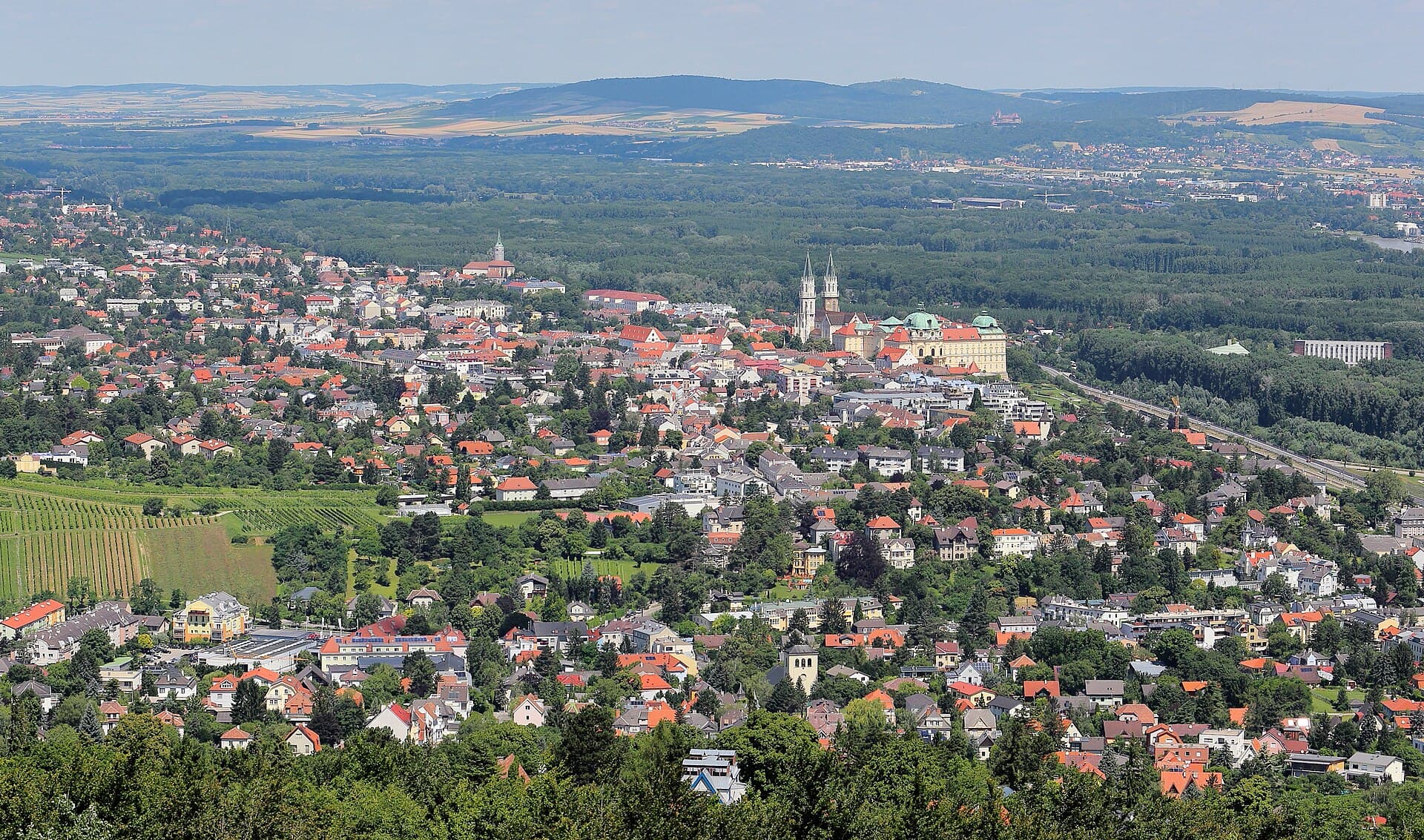 C.Stadler/Bwag / CC BY-SA 4.0, via Wikimedia Commons
Tour audio autoguidato di Klosterneuburg — percorso GPS a piedi, riproduzione offline, narrazione coinvolgente in 32 lingue.
“Dove antichi voti incontrano annate senza tempo.”
Non le cartoline. Le storie che nemmeno i locali conoscono — sussurrate nel tuo orecchio, proprio dove sono accadute.
La fondazione dell'Abbazia di Klosterneuburg è legata a una leggenda romantica che coinvolge un velo nuziale perduto e una promessa divina.
C'è una tradizione all'Abbazia di Klosterneuburg che prevede di scivolare giù da un'enorme botte di vino per buona fortuna.
Tra i tesori dell'abbazia si trova una reliquia del suo fondatore, San Leopoldo III, presentata in modo piuttosto insolito.
Scopri ogni segreto di Klosterneuburg
Ogni indirizzo, ogni rivelazione completa — nel tuo orecchio, proprio dove è accaduta.
Scegli le tue tappe. Cammini. La voce rivela ciò che gli altri perdono.
Il tuo tour audio autoguidato di Klosterneuburg è pronto — scegli i tuoi punti di interesse, seleziona la tua lingua e inizia nel momento in cui arrivi.
AcquistaLume include una guida in realtà aumentata. Alza il telefono: la fotocamera mostra la strada davanti a te, con una freccia luminosa sovrapposta all'immagine reale che punta sempre verso la tua prossima tappa — nessuna mappa da decifrare, nessuna svolta sbagliata. Come tutto in Lume, funziona completamente offline.
Appena a nord di Vienna, dove scorre il Danubio e iniziano i Boschi Viennesi, si svela Klosterneuburg, una città dalle profonde radici storiche e dalle attività vitivinicole. Il suo monumento più imponente, l'Abbazia di Klosterneuburg (Stift Klosterneuburg), si erge sul fiume, testimonianza di secoli di importanza spirituale, culturale ed economica. Fondata nel XII secolo, l'abbazia è stata residenza delle dinastie Babenberg e Asburgo, intrecciando la sua storia nel tessuto del patrimonio austriaco.
Oltre le mura storiche dell'abbazia, Klosterneuburg offre una tranquilla evasione con i suoi pacifici vigneti e i pittoreschi paesaggi fluviali. La città, affettuosamente chiamata "Kloburg" dai locali, combina un'atmosfera accogliente con un ricco mix di cultura, storia e natura, rendendola una meta attraente per chi cerca esperienze autentiche lontano dalla vivace capitale. La sua posizione strategica sul Danubio ha assicurato la sua importanza nel commercio e nella religione nel corso della storia austriaca, contribuendo al suo carattere duraturo.
Klosterneuburg è rinomata anche per la sua tradizione vinicola, con la cantina più antica d'Austria ancora in attività che si trova all'interno della stessa abbazia. Questo connubio di vita spirituale, patrimonio culturale e tradizione economica rende Klosterneuburg una destinazione unica, dove antiche storie e vini pregiati convergono.
Le origini di Klosterneuburg risalgono a una fortezza romana chiamata Asturis nel I secolo d.C., dove la Legio X Gemina coltivava viti. La città si sviluppò successivamente attorno a un castello sul Leopoldsberg e a un'abbazia agostiniana, entrambe fondate intorno al 1100 dal Margravio Leopoldo III d'Austria, membro della dinastia Babenberg. Leopoldo III, che in seguito divenne il santo patrono dell'Austria, trasferì la sua residenza a Klosterneuburg nel 1113. La prima pietra della chiesa abbaziale fu posta il 12 giugno 1114. Nel 1133, Leopoldo affidò il monastero ai canonici agostiniani, che vi hanno continuato a vivere e lavorare, con una breve interruzione durante la Seconda Guerra Mondiale.
Klosterneuburg crebbe rapidamente fino a diventare un importante centro religioso e culturale, servendo da residenza sia per i Babenberg che, successivamente, per gli Asburgo. Quando Leopoldo III fu canonizzato nel 1485, l'abbazia divenne un importante luogo di pellegrinaggio. Il complesso monastico subì significative ricostruzioni tra il 1730 e il 1834, in gran parte in stile barocco. L'imperatore Carlo VI, ispirato dall'Escorial in Spagna, concepì Klosterneuburg come una residenza imperiale che combinava funzioni monastiche e palaziali. Sebbene solo una frazione dei suoi ambiziosi piani sia stata realizzata durante la sua vita, le strutture barocche esistenti, incluso l'Edificio Imperiale, testimoniano questa grandiosa visione.
Nel corso della sua storia, l'Abbazia di Klosterneuburg ha resistito a guerre, incendi e invasioni, venendo costantemente ricostruita e ampliata. La chiesa abbaziale, originariamente romanica e consacrata nel 1136, fu rimaneggiata in stile barocco nel XVII e XVIII secolo, con torri gemelle neogotiche aggiunte nel XIX secolo. Oggi, l'abbazia rimane un'istituzione viva, con quasi 50 canonici agostiniani che continuano i loro doveri spirituali accanto all'educazione, alla conservazione dell'arte e all'assistenza sociale. Il monastero ospita anche una galleria d'arte sacra moderna, fondata nel 2013, a dimostrazione del suo continuo impegno con la cultura contemporanea. Klosterneuburg fece parte di Vienna dal 1938 al 1954, quando fu restituita alla Bassa Austria.
L'attrazione principale di Klosterneuburg è senza dubbio l'Abbazia di Klosterneuburg (Stift Klosterneuburg), un vasto complesso che espone secoli di arte e architettura. La maggior parte delle aree è accessibile tramite visite guidate, disponibili in tedesco con audioguide in 14 lingue.
Tra le principali attrazioni dell'abbazia figurano l'Altare di Verdun, un capolavoro di oreficeria medievale del 1181, con 51 pannelli di rame dorato raffiguranti scene bibliche. Il Tesoro Imperiale custodisce oggetti storici, tra cui il Cappello dell'Arciduca d'Austria e resti del leggendario velo di Agnes. I visitatori possono anche esplorare la chiesa collegiata barocca, con il suo imponente interno e l'organo da concerto barocco, e gli Appartamenti Imperiali con la magnifica Sala di Marmo.
L'abbazia ospita anche la cantina più antica d'Austria, con una tradizione che risale alla sua fondazione. Le visite alle cantine, spesso concluse con una degustazione, offrono uno spaccato di questo antico patrimonio vitivinicolo. Inoltre, i Giardini dei Secoli presentano ricreati stili di giardini storici, dai parterre rinascimentali ai giardini paesaggistici inglesi. Per gli interessati all'arte contemporanea, la Galleria d'Arte Moderna, fondata nel 2013, espone arte sacra moderna.
I periodi migliori per visitare Klosterneuburg sono la primavera e l'inizio dell'autunno, in particolare da maggio a settembre. Durante questi mesi, le temperature sono confortevoli, oscillando tra i 21°C e i 27°C, ideali per attività all'aperto e per esplorare il monastero e i vigneti. L'inizio dell'autunno porta con sé le feste regionali del vino, aggiungendo un'atmosfera vivace. Sebbene le estati siano piacevoli, possono essere più affollate. Gli inverni offrono un fascino tranquillo e accogliente, anche se alcune attività all'aperto potrebbero essere limitate. Il monastero stesso è aperto tutto l'anno, con orari prolungati durante i mesi più caldi.
Klosterneuburg è facilmente raggiungibile da Vienna, rendendola una gita di un giorno ideale. È possibile prendere il treno S-Bahn S40 dalla stazione di Heiligenstadt (linea verde U4) fino a Klosterneuburg-Kierling, seguito da una passeggiata di 15 minuti fino all'abbazia. In alternativa, gli autobus 400 o 401 da Heiligenstadt vi porteranno a Klosterneuburg – Stiftsgarten, a 10 minuti a piedi dall'ingresso visitatori. I treni diretti da Klosterneuburg Kierling alla stazione Wien Franz-Josefs-Bahnhof impiegano circa 15 minuti. Autobus urbani locali (linee 201-204) operano dal lunedì al sabato.
La maggior parte delle aree dell'Abbazia di Klosterneuburg è accessibile solo tramite visite guidate, quindi è consigliabile controllare gli orari in anticipo. Sono disponibili audioguide in più lingue. Il monastero è in gran parte accessibile alle sedie a rotelle, con accesso dalla piazza del monastero e ascensori. È disponibile un parcheggio in loco, con fino a quattro ore gratuite con convalida. Il complesso abbaziale comprende un negozio di vini e un caffè.
Klosterneuburg — coreano, cinese, ebraico e altre 29 lingue, ogni tappa narrata da una voce madrelingua. La più ampia scelta di lingue tra i tour audio autoguidati.
Disponibile in: