Kochi, IndiaFsquares (The Ibrahims) / CC BY-SA 4.0, via Wikimedia Commons
IN

Kochi

Where ancient trade routes meet a lively present.

The secrets of Kochi

Kochi, as no one tells it.

Not the postcards. The stories even locals don't know — whispered in your ear, right where they happened.

3 secrets below. Many more wait inside the tour.
Mattancherry Palace

The 'Dutch Palace' in Kochi conceals an unexpected secret beneath its floors.

Full story unlocks in the tour
St. Francis Church

This unassuming church once held the remains of a renowned explorer.

Full story unlocks in the tour
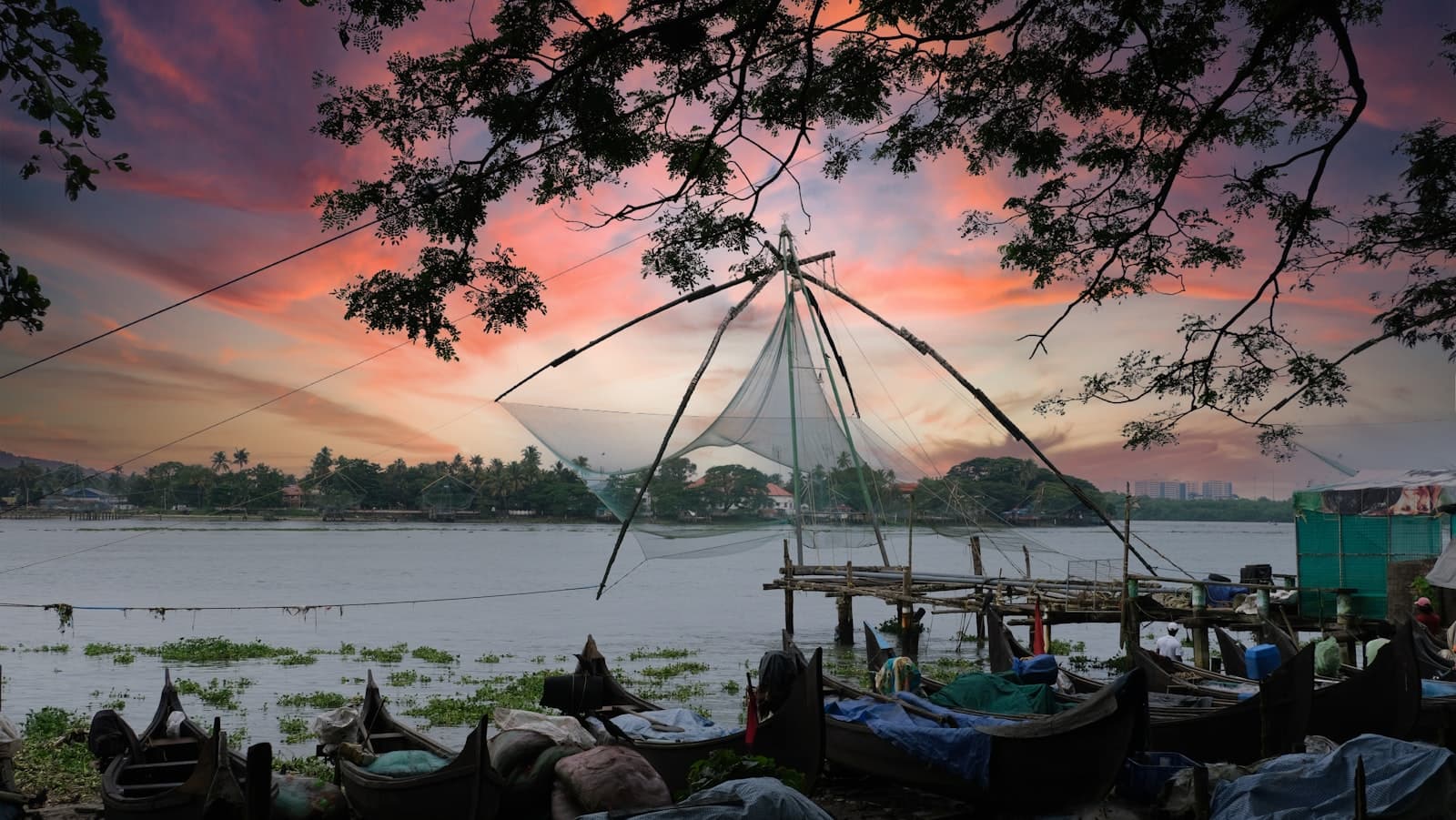
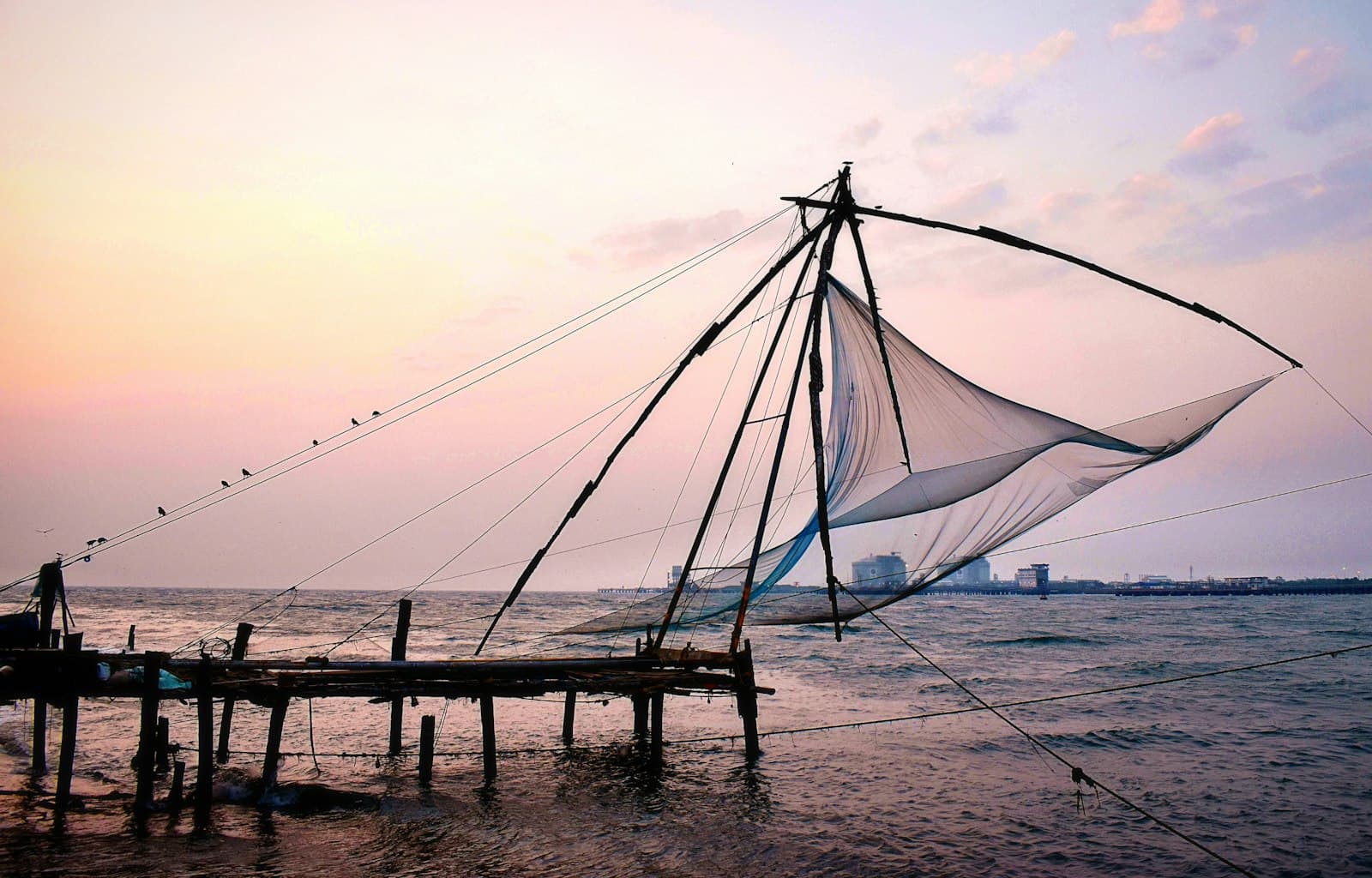
Chinese Fishing Nets

These iconic nets, emblematic of Kochi, possess a lesser-known origin.

Full story unlocks in the tour
The full tour

Discover every secret of Kochi

Every address, every reveal in full — in your ear, right where it happened.

Get the key to Kochi

You pick your stops. You walk. The voice reveals what the others miss.

Choose your time

How long do you have in Kochi?

No tours available yet. Check back soon — we're preparing them.

About Kochi

The story of Kochi

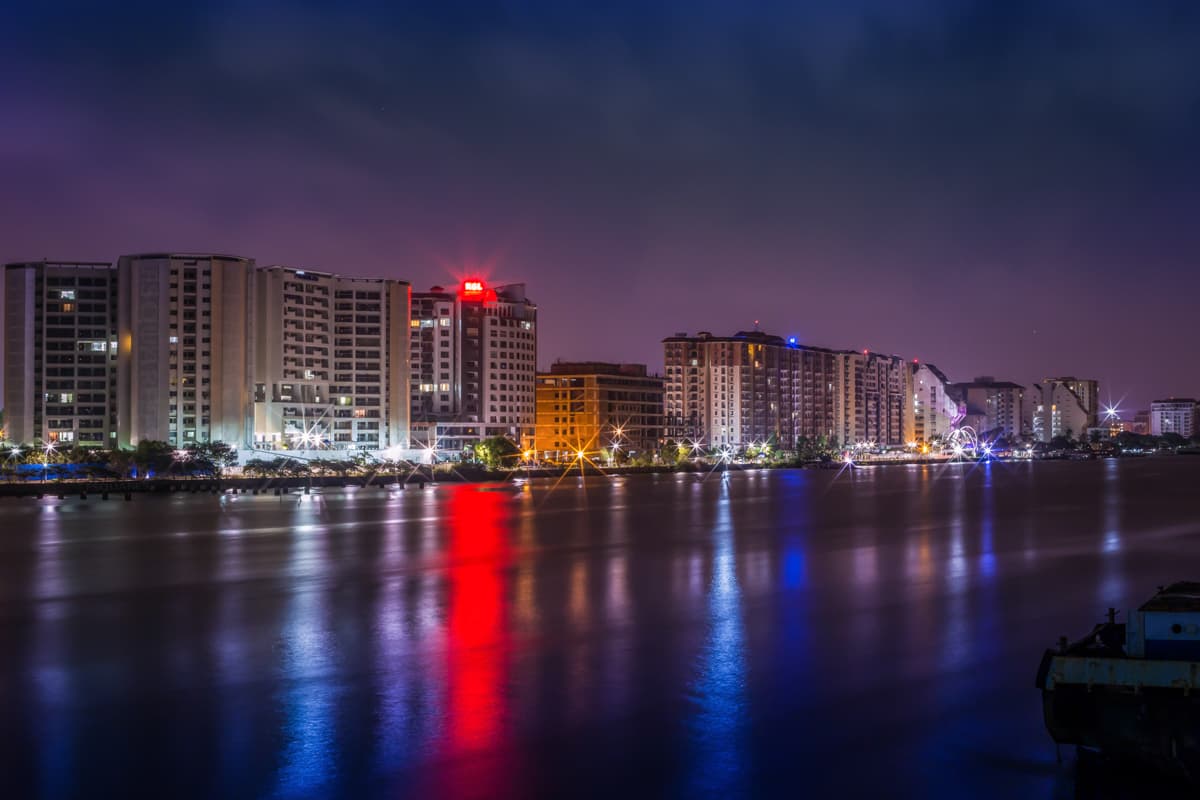
Kochi, often called the "Queen of the Arabian Sea," is a captivating port city along India's Malabar Coast in Kerala. Its strategic location transformed it from a modest fishing village into a significant trading hub during the 14th century, drawing merchants from Rome, Persia, Arabia, and China. Today, Kochi stands as a dynamic metropolis that gracefully merges its deep heritage with contemporary life, serving as Kerala's financial, commercial, and industrial heart.

The city showcases a spectrum of cultures, evident in its architecture, cuisine, and customs, reflecting centuries of influence from Portuguese, Dutch, and British colonial periods. From the historic avenues of Fort Kochi to the bustling markets of Mattancherry and the contemporary expanse of Ernakulam, Kochi offers a singular experience, whether one explores ancient sites, glides along tranquil backwaters, or savors its varied culinary landscape.

History

A Crossroads of Empires

Kochi's story is deeply interwoven with commerce and international interactions, stretching back to antiquity when the port of Muziris facilitated spice trade with diverse civilizations. Its ascent as a prominent port city began in the 14th century, following natural occurrences that sculpted one of the most secure harbors on India's southwestern coast.

The Portuguese were the first Europeans to establish a presence in India at Kochi in 1500, with Pedro Álvares Cabral founding it and Vasco da Gama establishing a trading post in 1502. They constructed Fort Emmanuel in 1503, the first European fort in India, and maintained control of the port until 1663. This era was marked by the Portuguese Inquisition, which substantially affected the local Saint Thomas Christians, Muslim Mappilas, and Jews.

In 1663, the Dutch superseded the Portuguese, assuming control of Mattancherry and renaming Fort Immanuel as Fort Stormsburg. Under Dutch administration, Kochi experienced considerable prosperity, becoming a central point for spices, medicines, coir, and coconut products. The British then gained authority in 1795, and Kochi remained a princely state under British protection until India's independence in 1947. In 1949, the Travancore–Cochin state was formed, merging with the Malabar district in 1956 to create the state of Kerala.

The modern Kochi Municipal Corporation was established in 1967, consolidating the towns of Fort Kochi, Mattancherry, and Ernakulam, along with several nearby villages. The city officially returned to its original Malayalam name, Kochi, in 1996, though 'Cochin' remains widely used. Today, Kochi also serves as the headquarters of India's Southern Naval Command, situated on Willingdon Island.

What to see

Begin your journey in Fort Kochi, a grid of colonial-era streets with a distinct European character. Here, observe the iconic Chinese Fishing Nets, immense cantilevered structures employed for fishing, particularly striking as the sun descends. Visit St. Francis Church, thought to be the oldest European church in India, constructed in 1503. Nearby, the Santa Cruz Basilica, with its prominent Gothic elements and spires reminiscent of Hindu temples, stands as another architectural wonder.

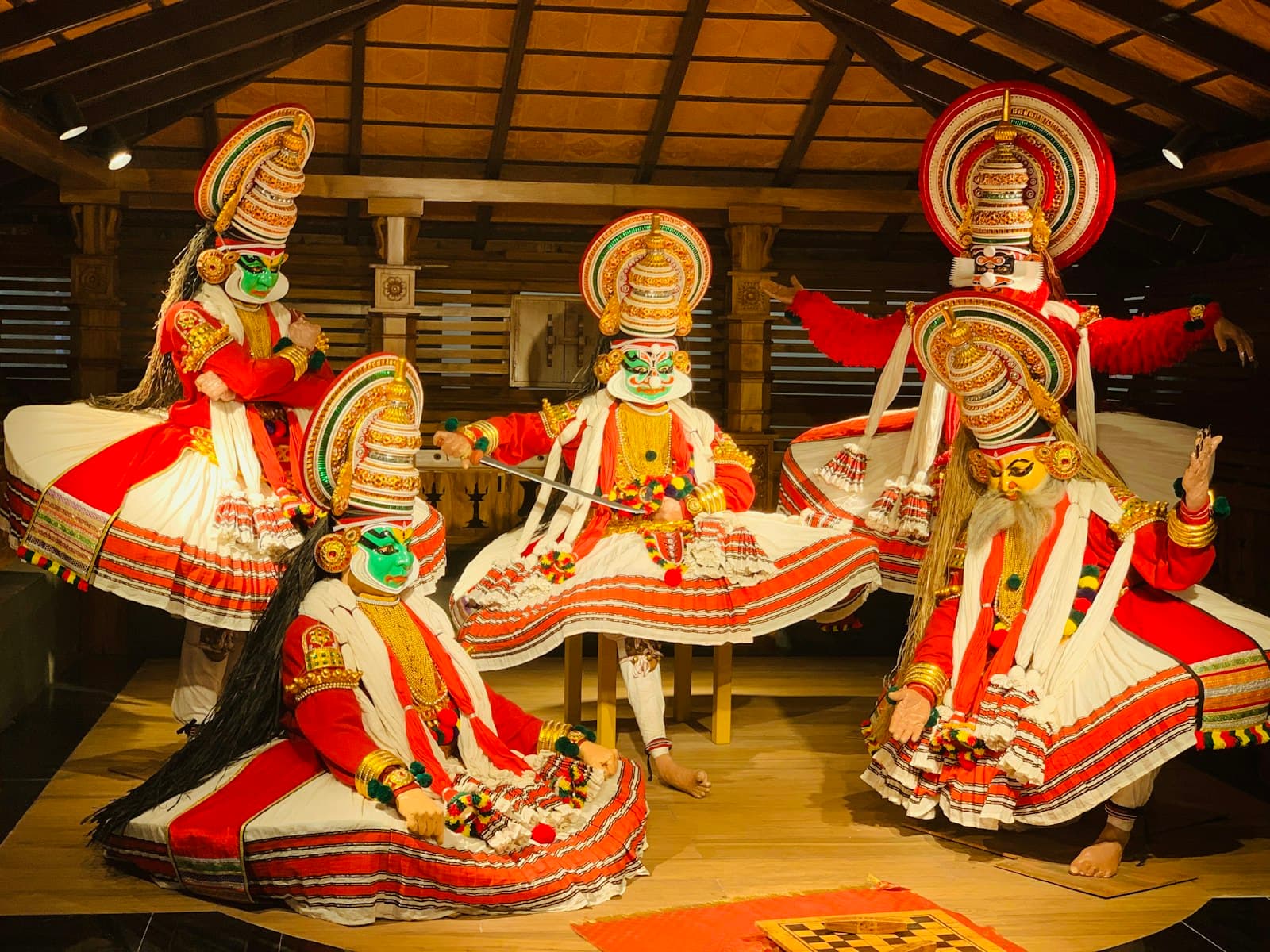
Travel to Mattancherry to explore the Mattancherry Palace, also known as the Dutch Palace. This 16th-century Portuguese-built palace, later renovated by the Dutch, contains magnificent murals depicting scenes from Indian epics and portraits of the Rajas of Kochi. Wander through Jew Town, a center of Jewish heritage, and browse its antique shops and spice markets. For a taste of local culture, attend a Kathakali dance performance at the Kerala Kathakali Centre. Consider a houseboat cruise through the serene Kerala backwaters, a quintessential Kochi experience.

When to visit

The ideal time to experience Kochi is during the winter months, from October to March. Temperatures during this period are agreeably cool, ranging from 17°C to 30°C, with lower humidity, making it perfect for exploration and outdoor activities. The Cochin Carnival, a lively festival with parades, music, and dance, occurs in December. While the monsoon season (June to September) brings substantial rainfall and verdant landscapes, it can disrupt outdoor plans. Summers (April to June) are hot and humid, though they offer fewer crowds and reduced rates.

Practical

Kochi is well-served by Cochin International Airport, situated approximately 25 kilometers from the city center, offering both domestic and international flights. Taxis are readily available, and the modern Kochi Metro system connects the airport to various parts of the city. For navigating within the city, public ferries provide an economical and scenic way to explore the islands, while auto-rickshaws (negotiate fares or use ride-hailing apps) and the Kochi Metro are suitable for shorter distances. Walking is excellent for discovering the historic areas of Fort Kochi and Mattancherry.

Pack light cotton clothing, comfortable walking shoes, sunscreen, and insect repellent due to the tropical climate and humidity. While English is widely understood, particularly in tourist areas, learning a few Malayalam phrases can enrich your experience. Most local shops and cafes open later, typically after 10 AM, so plan early mornings for tranquil walks or breakfast.

Good to know
What is the best way to get around Kochi?
Public ferries offer an affordable and scenic way to travel between islands. Auto-rickshaws are plentiful for shorter distances (negotiate fares or use apps), and the Kochi Metro connects various parts of the city. Walking is ideal for exploring Fort Kochi and Mattancherry.
What local dishes should I try in Kochi?
Do not miss Kerala Sadya (a traditional vegetarian meal), Karimeen Pollichathu (spicy fish delicacy), Appam with Stew, and local street food like Thattil Kutty Dosa. Many eateries serve authentic Kerala meals until 3 PM.
Is Kochi safe for solo travelers?
Yes, Kochi is generally considered safe for solo travelers, including women. It is advisable to remain in well-lit public areas at night, use official transportation, and select accommodations with favorable reviews.
How many days are enough to explore Kochi?
Two to three days are generally sufficient to explore Kochi's main attractions, undertake a backwater excursion, enjoy the food scene, and visit heritage sites. If you have more time, four to six days allows for a more relaxed pace.
What should I pack for a trip to Kochi?
Pack light cotton clothes, comfortable walking shoes, a reusable water bottle, sunscreen, and insect repellent. An umbrella or raincoat is essential if visiting during the monsoon season.
What is the difference between Kochi and Cochin?
Kochi is the official, local name of the city, derived from the Malayalam word 'kochu azhi' meaning 'small lagoon.' 'Cochin' was the colonial name bestowed by the British, and both names are still used interchangeably.
Kochi
From€9.00
No booking · activate anytime · 12h to walk it
Get the key to Kochi