Kodiak History Museum
Das älteste Gebäude Alaskas birgt ein Geheimnis aus seiner Zeit als Pelzhandelszentrum.
Die ganze Geschichte wird in der Tour freigeschaltet
 Karl Musser / CC BY-SA 2.5, via Wikimedia Commons
Selbstgeführte Audio-Walking-Tour durch Kodiak — GPS-Route, Offline-Wiedergabe, erzählerische Narration in 32 Sprachen.
“Wo smaragdgrüne Landschaften auf ein wildes, ungezähmtes Meer treffen.”
Nicht die Postkarten. Die Geschichten, die selbst Einheimische nicht kennen – dir ins Ohr geflüstert, genau dort, wo sie geschahen.
Das älteste Gebäude Alaskas birgt ein Geheimnis aus seiner Zeit als Pelzhandelszentrum.
Während des Zweiten Weltkriegs war Kodiak ein wichtiger Verteidigungsposten, aber seine Furcht einflößenden Geschütze feuerten nie in der Schlacht.
1969 entdeckte das Sonar eines Krabbenfangboots etwas Massives unter den Wellen, eine Kreatur, die weitaus größer war als jedes bekannte Meerestier.
Entdecke jedes Geheimnis von Kodiak
Jede Adresse, jede Enthüllung vollständig – in deinem Ohr, genau dort, wo es geschah.
Du wählst deine Stationen. Du gehst. Die Stimme enthüllt, was andere übersehen.
Deine selbstgeführte Audio-Tour durch Kodiak ist bereit – wähle deine Sehenswürdigkeiten, deine Sprache und starte, sobald du ankommst.
KaufenLume enthält einen integrierten Augmented-Reality-Guide. Halten Sie Ihr Handy hoch: Die Kamera zeigt die Straße vor Ihnen, mit einem leuchtenden Pfeil über dem echten Bild, der immer auf Ihren nächsten Stopp zeigt — keine Karte zum Rätseln, keine falschen Abzweigungen. Wie alles bei Lume funktioniert es komplett offline.
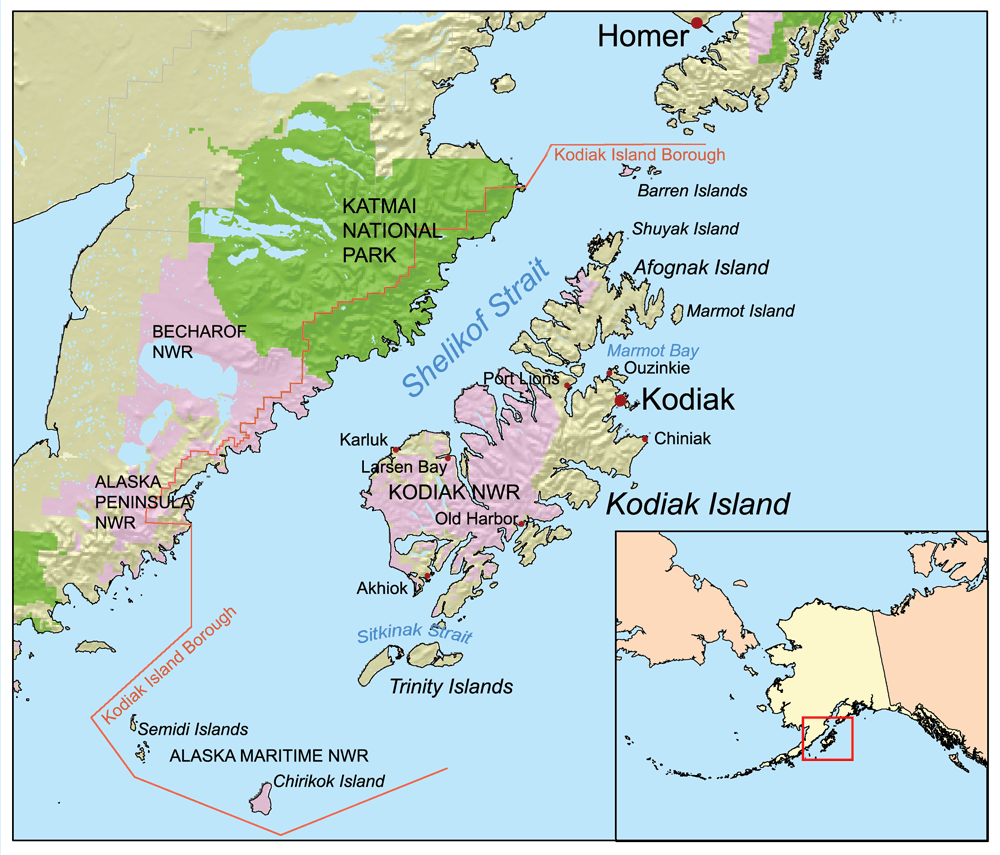
Kodiak, oft als "Smaragdinsel" Alaskas bezeichnet, ist die Hauptstadt auf Kodiak Island, der zweitgrößten Insel der Vereinigten Staaten. Dieser Inselbezirk, 250 Flugmeilen südwestlich von Anchorage gelegen, beherbergt etwa 6.100 Einwohner in der Stadt Kodiak und insgesamt 13.000 im gesamten Bezirk, einschließlich sieben Dörfern und einer bedeutenden Basis der US-Küstenwache. Seine grüne Landschaft, geformt von alten Gletschern, weist zerklüftete Gipfel, weite Täler und tiefe Buchten auf, wobei kein Punkt des Landes mehr als 15 Meilen vom Meer entfernt ist.
Kodiaks Puls schlägt entlang seiner Uferpromenade und in seinen Bootshäfen, wo die größte und vielfältigste Fischereiflotte der Westküste beheimatet ist. Die kommerzielle Fischerei ist ein wichtiger Wirtschaftsmotor, neben Regierungs- und Militärdiensten, insbesondere der größten Küstenwachenbasis des Landes. Obwohl der Tourismus einen kleineren Teil der Wirtschaft ausmacht, bietet Kodiak ein rohes, authentisches Alaska-Erlebnis für diejenigen, die Outdoor-Abenteuer, Tierbeobachtungen und einen Einblick in eine widerstandsfähige, tief mit dem Meer verbundene Gemeinschaft suchen.
Der Kodiak-Archipel wird seit über 7.000 Jahren ununterbrochen von den Alutiiq (Sugpiaq) bewohnt, die in Skin-Booten aus Westalaska ankamen. Diese frühen Bewohner lebten vom Jagen von Meeressäugern, Fischen und Sammeln. Der Name "Kodiak" selbst leitet sich vom Alutiiq-Wort "kadiak" ab, was "Insel" bedeutet.
Der europäische Kontakt begann Mitte des 18. Jahrhunderts mit russischen Entdeckern. Im Jahr 1784 gründete Grigory Shelikhov die erste permanente russische Siedlung in Alaska in der Three Saints Bay, die 1792 an den Standort des heutigen Kodiak verlegt wurde. Kodiak wurde die erste Hauptstadt des russisch kontrollierten Alaskas und ein wichtiges Zentrum für den lukrativen Pelzhandel, insbesondere für Seeotterpelze, die bis 1850 fast ausgerottet waren.
Als Russland Alaska 1867 an die Vereinigten Staaten verkaufte, entwickelte sich Kodiak zu einem Zentrum für kommerzielle Fischerei, eine Rolle, die es bis heute innehat. Anfang des 20. Jahrhunderts säumten Fischkonservenfabriken die Insel, bis Lachse aus Aquakulturen diese Betriebe beeinträchtigten. Neue Verarbeitungszentren entstanden jedoch, und die Branche entwickelt sich weiter.
Kodiak hat bedeutende Naturkatastrophen erlebt. 1912 bedeckte der Ausbruch des Novarupta, eines Vulkans 100 Meilen nordwestlich von Kodiak Island, die Stadt mit einem Fuß Asche und legte das Leben für 60 Stunden lahm. Das verheerendste Ereignis ereignete sich am 27. März 1964, als das größte je in Nordamerika aufgezeichnete Erdbeben stattfand. Dieses fünfminütige Beben erzeugte eine Reihe von Tsunamis mit Wellen von bis zu 30 Fuß Höhe, die die Innenstadt von Kodiak verwüsteten und seine Fischereiflotte zerstörten.
Der Zweite Weltkrieg verwandelte Kodiak in ein wichtiges Aufmarschgebiet für Operationen im Nordpazifik. Die US-Marine baute eine große Basis, und Fort Abercrombie wurde als Verteidigungsposten errichtet. Auf seinem Höhepunkt erreichte die Bevölkerung von Kodiak in dieser Zeit über 25.000 Menschen. Heute ist die alte Marinestation Standort der größten Küstenwachenbasis des Landes.
Trotz seiner Herausforderungen hat sich Kodiak konsequent wieder aufgebaut und angepasst. Es bleibt eine Arbeitsinsel, deren Wirtschaft tief mit dem Meer verbunden ist. Die Widerstandsfähigkeit seiner Bevölkerung, einer Mischung aus Alutiiq, europäischen, asiatischen und anderen Abstammungen, prägt weiterhin die einzigartige Kultur Kodiaks.
Erkunden Sie Kodiaks Vergangenheit und Naturwunder. Beginnen Sie im Kodiak History Museum, untergebracht im ältesten Gebäude Alaskas, einem Pelz-Lagerhaus der Russisch-Amerikanischen Kompanie von 1808. In der Nähe bietet das Alutiiq Museum ein Eintauchen in 7.500 Jahre indigener Geschichte durch Artefakte und Ausstellungen (Prüfen Sie die Wiedereröffnung der Galerie im Mai 2025). Die Holy Resurrection Orthodox Cathedral, eine der ältesten orthodoxen Kirchengemeinden Nordamerikas, gegründet 1794, ist ein spirituelles Wahrzeichen.
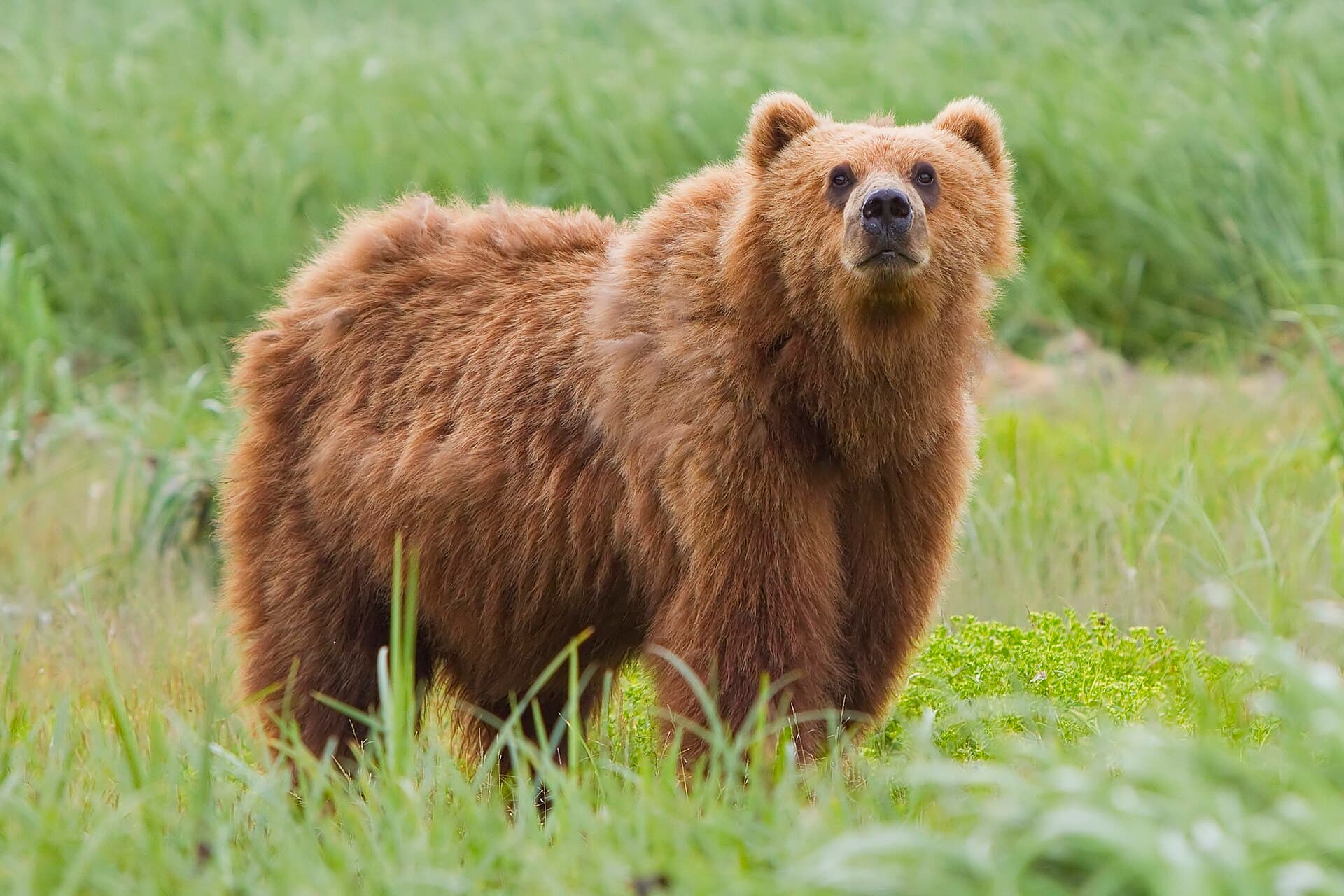
Für Outdoor-Enthusiasten kombiniert der Fort Abercrombie State Historical Park die Geschichte des Zweiten Weltkriegs mit landschaftlich reizvollen Wanderwegen, dichten Sitka-Fichtenwäldern und dramatischen Küstenlinien, die sich ideal zur Tierbeobachtung eignen. Das Kodiak National Wildlife Refuge Visitor Center in der Innenstadt von Kodiak bietet interaktive Ausstellungen über die vielfältige Tierwelt und Ökosysteme der Insel. Braunbären-Beobachtung ist ein Highlight, wobei Juli bis September die beste Zeit ist, Kodiak-Braunbären beim Lachsessen zu beobachten. Erwägen Sie einen Flugausflug in abgelegene Gebiete für eine unvergleichliche Bärenbegegnung. Wanderwege gibt es reichlich, darunter die im Fort Abercrombie und das Near Island Trail System, das von der Innenstadt aus zugänglich ist. Für eine malerische Fahrt fahren Sie "die Straße entlang" zur Pasagshak Bay und Fossil Beach, eine Route, die Küstenblicke und Möglichkeiten zum Strandkämmen und zur Walbeobachtung bietet.
Die beste Zeit für einen Besuch in Kodiak für Aktivitäten bei warmem Wetter und erstklassige Bärenbeobachtung ist von Mitte Juli bis Ende August. In diesen Sommermonaten liegen die Temperaturen im Durchschnitt zwischen 15 und 17 Grad Celsius, mit bis zu 18 Stunden Tageslicht Ende Juni. Diese Periode fällt mit den Höhepunkten der Lachslaichwanderungen zusammen, die Kodiak-Braunbären in die Flüsse locken. Obwohl Regen häufig ist, ist er tendenziell leichter und wärmer, mit häufigen Abschnitten klaren Wetters. Der frühe Herbst, insbesondere Mitte September bis Mitte Oktober, ist ebenfalls lohnend für die Bärenbeobachtung, da die Bären am schwersten sind und die Berghänge Herbstfarben zeigen.
Kodiak ist per Flugzeug mit täglichem Jet-Service von Anchorage zum Kodiak Airport (ADQ), 4 Meilen vom Stadtzentrum entfernt, erreichbar. Alternativ bietet das Alaska Marine Highway System eine malerische 9,5-stündige Fährfahrt von Homer.
Innerhalb der Stadt und der umliegenden Gebiete bietet das Kodiak Area Transit System (KATS) sieben Tage die Woche öffentliche Busverbindungen an. KATS bietet einen Tür-zu-Tür-Service und ist rollstuhlgerecht, mit einem Fahrpreis von 2 US-Dollar pro Einzelfahrt. Für mehr Flexibilität sind Mietwagen am Flughafen verfügbar, wobei eine Vorausbuchung, insbesondere im Sommer, empfohlen wird. Taxis und Fahrdienste sind nur begrenzt verfügbar. Für die Erkundung abgelegener Gebiete sind lokale Flugcharter und Wassertaxis unerlässlich.
Kodiak — Koreanisch, Chinesisch, Hebräisch und 29 weitere Sprachen, jede Station von einer muttersprachlichen Stimme erzählt. Die größte Sprachauswahl aller selbstgeführten Audiotouren.
Verfügbar auf: