Музей Кёге
В стенах музея вас ждет леденящее душу эхо темной главы датской истории.
Полная история открывается в туре
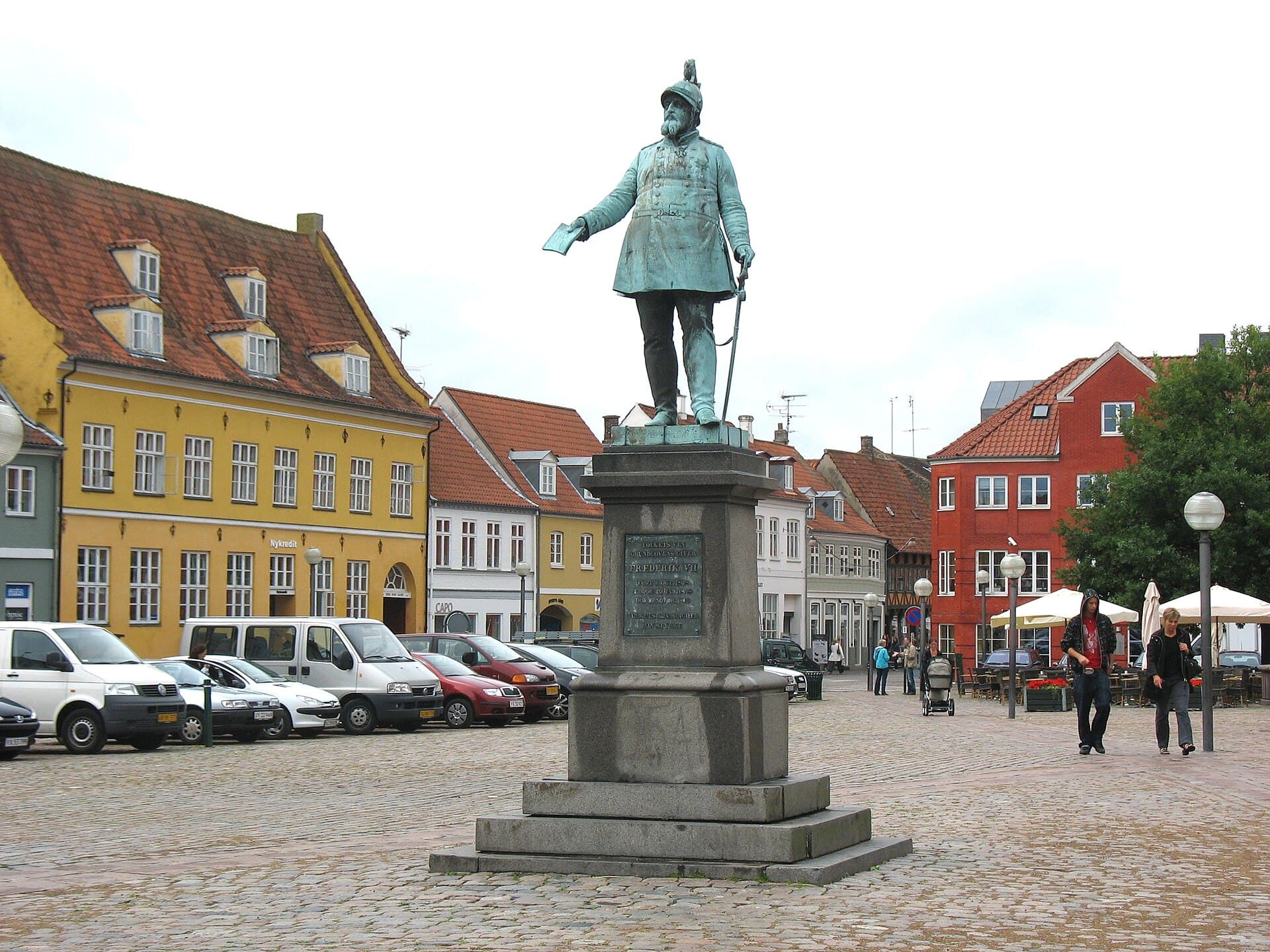 Hubertus45 / CC BY-SA 3.0, via Wikimedia Commons
Самостоятельная аудиопрогулка по Кёге — GPS-маршрут, офлайн-воспроизведение, увлекательное повествование на 32 языках.
“Где средневековая архитектура встречается с живым пульсом морского города на восточном побережье Дании.”
Не открытки. Истории, которые не знают даже местные жители — шепотом в вашем ухе, прямо там, где они произошли.
В стенах музея вас ждет леденящее душу эхо темной главы датской истории.
На протяжении веков видная башня главной церкви Кёге служила удивительной цели, выходящей за рамки ее священных обязанностей.
Неприметное каркасное сооружение скрывает значительное историческое отличие, обнаруженное во время ремонта.
Откройте для себя каждый секрет Кёге
Каждый адрес, каждое полное раскрытие — в вашем ухе, прямо там, где это произошло.
Вы выбираете остановки. Вы гуляете. Голос раскрывает то, что упускают другие.
В Lume встроен гид дополненной реальности. Поднимите телефон: камера показывает улицу перед вами, а поверх реального изображения светится стрелка, всегда указывающая на вашу следующую остановку — не нужно разбираться с картой и сворачивать не туда. Как и всё в Lume, это работает полностью офлайн.
Кёге, датский портовый город на берегу залива Кёге, предлагает убедительное сочетание тщательно сохранившейся средневековой архитектуры и оживленной, современной атмосферы. Расположенный в 39 км к юго-западу от Копенгагена, он представляет собой легкодоступную и более спокойную альтернативу энергичному темпу столицы. Исторический центр города с его извилистыми мощеными улочками и коллекцией красочных фахверковых домов приглашает к неспешному исследованию, а его оживленный порт связывает его с глубоким и продолжающимся морским наследием.
С населением около 38 840 человек Кёге действует как региональный центр, тщательно балансируя свои древние основы с современными достижениями. Выгодное расположение города и естественная гавань на протяжении веков формировали его идентичность как центрального рынка и торгового поста. Сегодня он приглашает к культурным мероприятиям, оживленным местным рынкам и легкому доступу к близлежащим пляжам и природным ландшафтам, что делает его привлекательным местом для тех, кто ищет как историческую глубину, так и непринужденную прибрежную атмосферу.
Кёге часто считают более тихим аналогом Копенгагена, разделяя любовь к дизайну без городской суеты. Частые железнодорожные сообщения связывают два города, что делает Кёге идеальным местом для однодневной поездки или спокойной базы для изучения Зеландии. Будь то прогулка по историческому центру, знакомство с его уникальными музеями или просто наслаждение набережной, Кёге предлагает привлекательный взгляд на датское наследие и повседневную жизнь.
Начало истории Кёге уходит в доисторические времена, а официальное признание его рыночным городом произошло в 1288 году. Его стратегическое расположение на заливе Кёге и естественная гавань быстро сделали его значительным торговым центром в позднем Средневековье, привлекая торговцев со всего Балтийского региона.
Средневековый центр города развивался вокруг его процветающего порта и рыночной площади, которая, занимая почти 1 гектар, остается одной из самых больших и наиболее сохранившихся средневековых городских площадей в Дании за пределами Копенгагена. Кёге процветал благодаря морской торговле, особенно с Германией, и стал крупным центром ловли сельди, поставляя свой улов в Копенгаген.
История Кёге также включает мрачные главы. С 1608 по 1615 год город был местом проведения Кёге Хускорс, местной охоты на ведьм, во время которой по меньшей мере 15 человек были осуждены за колдовство и казнены сожжением на рыночной площади. Город также пережил глубокие трудности во время конфликтов между Данией и Швецией с 1643 по 1720 год, включая битву в заливе Кёге в 1677 году, где датский адмирал Нильс Юэль одержал заметную морскую победу.
Несмотря на пожар 1633 года, уничтоживший многие постройки, внутренний центр Кёге в значительной степени сохранил свои узкие исторические проходы и многочисленные фахверковые дома эпохи Возрождения. Ратуша Кёге, построенная в 1552 году, является старейшей ратушей в Дании, которая до сих пор активно используется. Город оставался относительно скромным по размеру до начала промышленного роста и роста населения в конце XIX века.
В более позднее время Кёге продолжал развиваться. Порт Кёге был модернизирован между 2005 и 2021 годами, а город расширился за счет новых портовых районов и современного железнодорожного вокзала, что позиционирует его как центральный узел транспортной сети Дании. Археологические находки, такие как третья по величине кольцевая крепость викингов, обнаруженная недалеко от Леллинге, к западу от Кёге, продолжают добавлять слои к его глубокому прошлому.
Начните свое исследование с Кёге Торв, одной из самых обширных и хорошо сохранившихся средневековых рыночных площадей Дании. По средам и субботам площадь превращается в оживленный рынок, предлагающий местные продукты, цветы и изделия ремесленников. Отсюда прогуляйтесь по мощеным улочкам старого города, особенно по Киркестраде, чтобы полюбоваться многочисленными фахверковыми домами, некоторые из которых относятся к XVI веку. Найдите старейший датированный фахверковый дом в Дании, построенный в 1527 году, который сейчас является частью публичной библиотеки.
Посетите церковь Святого Николая, впечатляющую кирпичную церковь с башней, которая когда-то служила первым маяком Дании. Летом вы можете подняться на башню, чтобы насладиться панорамным видом на Кёге и залив. Погрузитесь в местную историю в Музее Кёге, расположенном в сохранившемся купеческом доме 1619 года. В музее представлены экспозиции, посвященные находкам викингов, местной жизни на протяжении веков и даже судам над ведьмами в городе. Для любителей искусства KØS — Музей искусства в общественных пространствах — единственный в Дании художественный музей, посвященный эскизам и моделям для произведений искусства в общественных местах, включая оригинальную модель Русалочки в Копенгагене.
Исследуйте Порт Кёге, действующую гавань, которая гармонично сочетает свои промышленные функции с рекреационными объектами. Насладитесь ресторанами на набережной или прогуляйтесь по волнорезу, чтобы полюбоваться видами на окрестности. Для уникального взгляда на прошлое города посетите Kjøge Miniby (Мини-город Кёге) — модель Кёге в масштабе 1:10, каким он был в 1865 году. Любители природы также могут найти умиротворение в Национальном лесу Кёге Ас или отдохнуть на песчаных пляжах вдоль залива Кёге.
Наиболее благоприятное время для посещения Кёге для занятий на свежем воздухе — с конца июня до конца августа, когда среднесуточные температуры обычно превышают 18°C (64°F) и могут достигать около 21°C (70°F). В июле небо самое ясное, что создает идеальные условия для исследования на открытом воздухе. Однако осадки случаются в течение всего года, поэтому стоит быть готовым к переменчивой погоде.
Для тех, кто ценит более тихую и интимную атмосферу, Кёге также привлекателен в холодное время года. Зима приносит заснеженные пейзажи и возможности для занятий в помещении, таких как посещение музеев или уютных местных кафе. Переходные сезоны, конец мая и начало сентября, также могут обеспечить приятную погоду с меньшим количеством туристов.
Кёге хорошо связан и легко доступен. Он находится примерно в 40 минутах езды от Центрального вокзала Копенгагена на поезде S. Центр города компактен и легко проходим пешком, что позволяет легко исследовать его историческое сердце. Бесплатные городские велосипеды также доступны для использования, обычно их можно найти возле общественной библиотеки при внесении залога.
Для тех, кто прибывает на машине, информацию о парковке можно получить через VisitKøge. Порт Кёге также предлагает паромные сообщения, в том числе на остров Борнхольм. Варианты размещения в Кёге варьируются от отелей и частных апартаментов до кемпингов в живописных окрестностях. Цены в Кёге, как правило, более умеренные, чем в Копенгагене, что делает его более бюджетным вариантом. Местный туристический офис может предоставить дополнительную информацию и вдохновение для вашего визита.
Кёге: корейский, китайский, иврит и ещё 29 языков — каждую остановку озвучивает носитель языка. Самый широкий выбор языков среди аудиоэкскурсий без гида.
Доступные языки: