Mahalaxmi Temple
The idol of Goddess Mahalakshmi faces an unusual direction, a deliberate choice by its ancient architects.
Full story unlocks in the tour
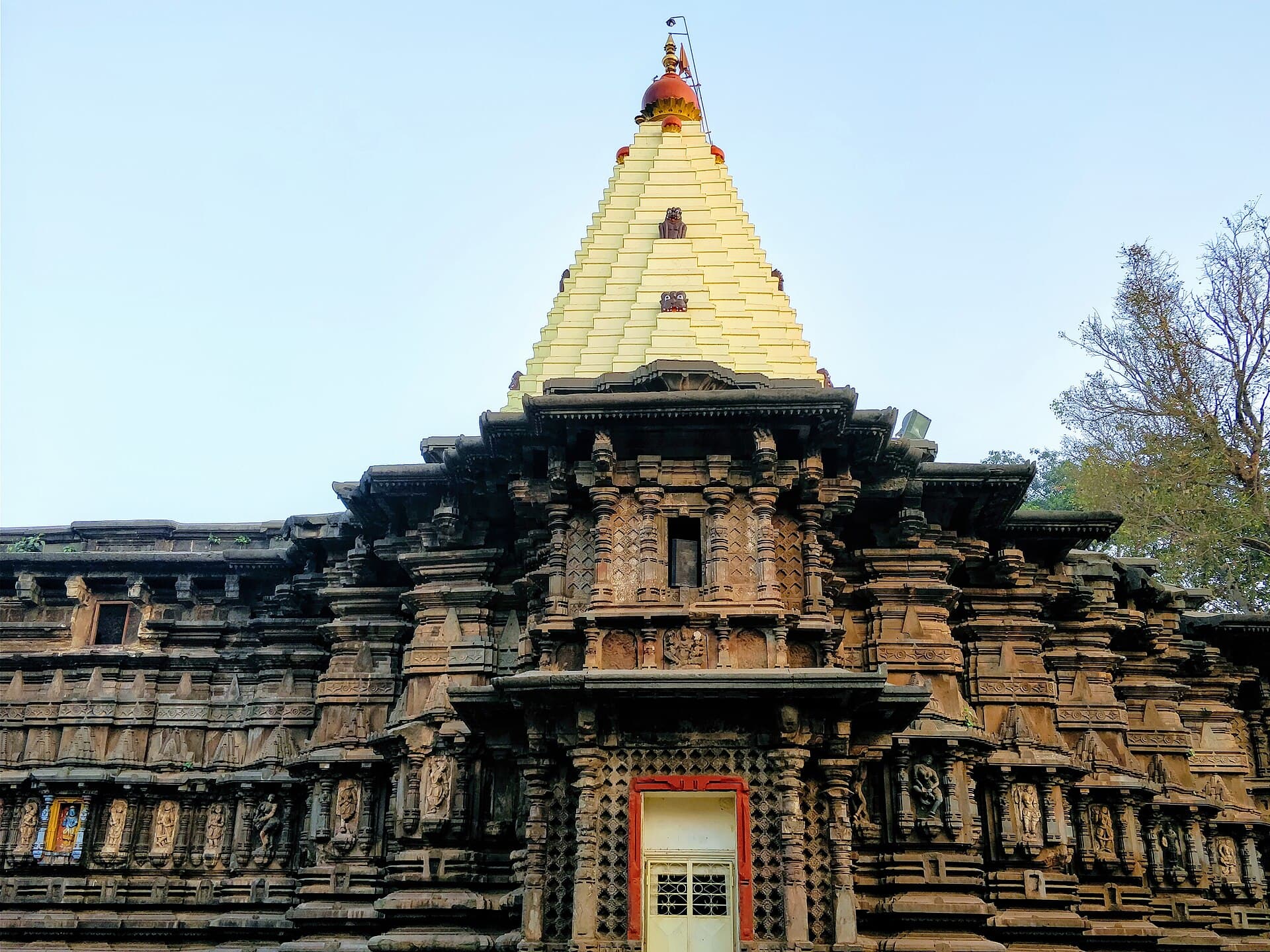 Lovelitjadhav / CC BY-SA 4.0, via Wikimedia Commons
Self-guided audio walking tour of Kolhapur — GPS route, offline playback, story-driven narration in 32 languages.
“Where ancient legends converge with royal legacies and fiery flavors.”
Not the postcards. The stories even locals don't know — whispered in your ear, right where they happened.
The idol of Goddess Mahalakshmi faces an unusual direction, a deliberate choice by its ancient architects.
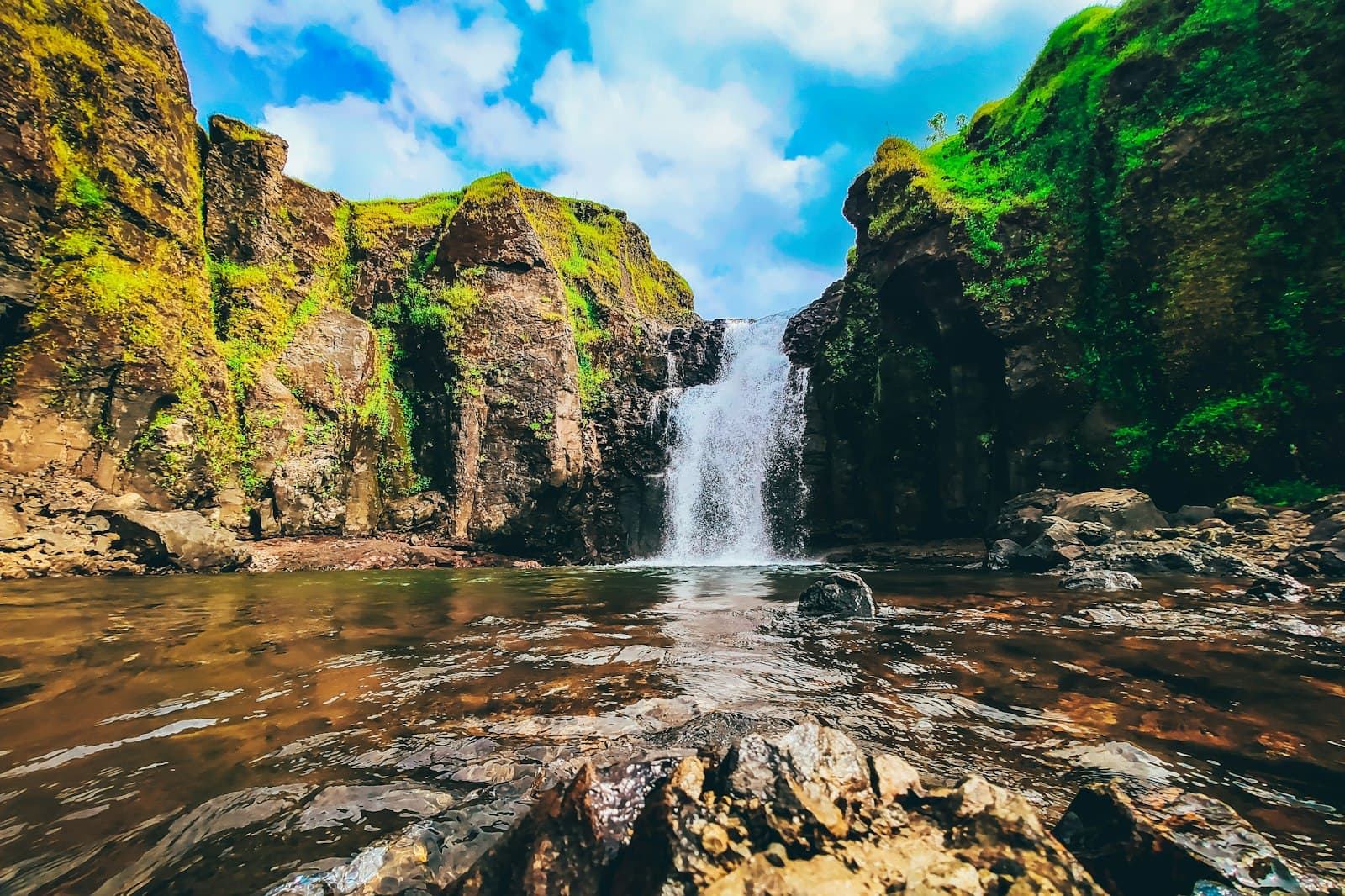
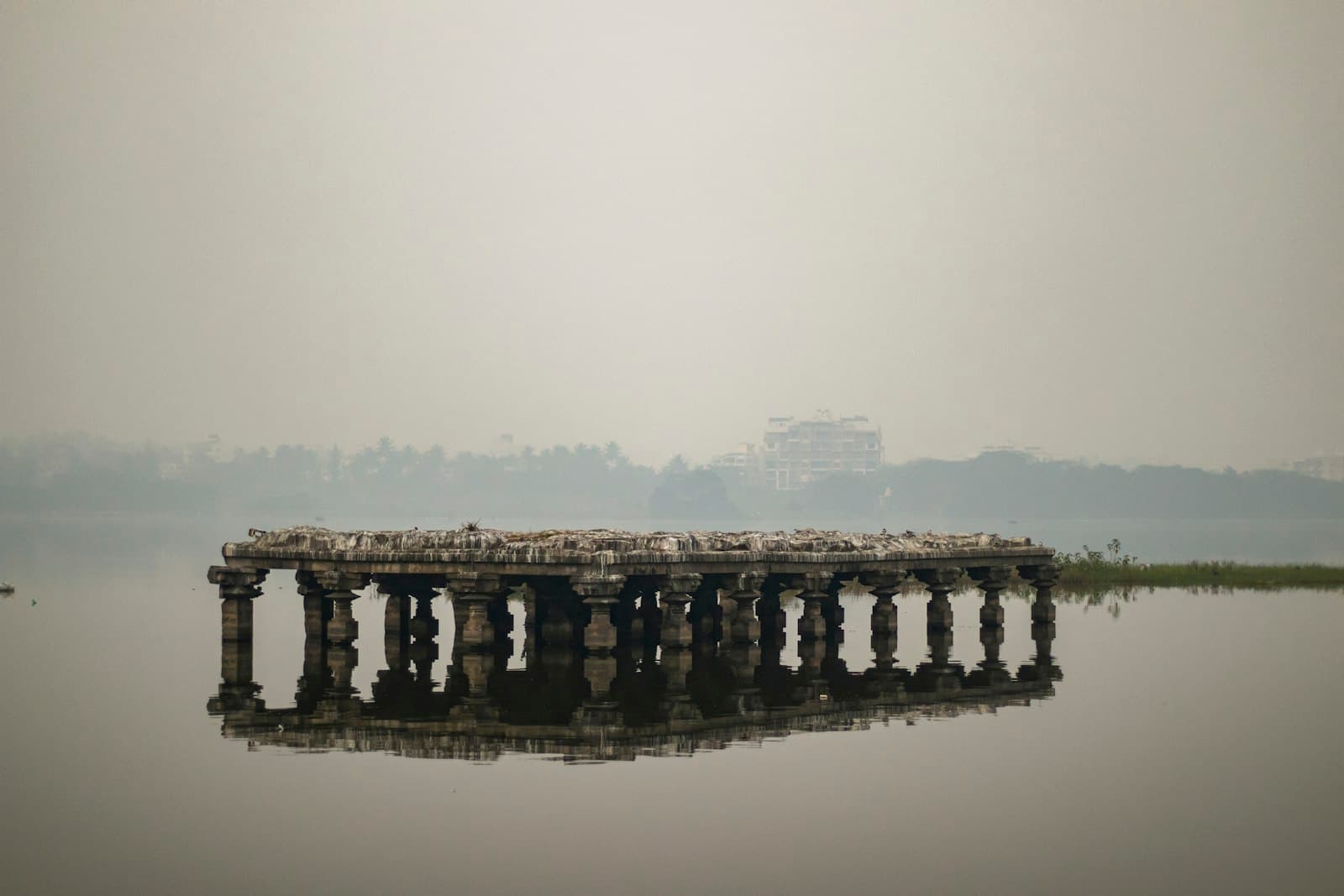
This serene lake, now a cherished leisure spot, has a tumultuous origin story involving an ancient quarry and an earthquake.
Beyond its grand architecture and royal artifacts, the New Palace holds a connection to a sport that defined Kolhapur's identity.
Discover every secret of Kolhapur
Every address, every reveal in full — in your ear, right where it happened.
You pick your stops. You walk. The voice reveals what the others miss.

Your self-guided audio tour of Kolhapur is ready — pick your landmarks, choose your language, and start the moment you arrive.
BuyLume has a built-in augmented-reality guide. Hold your phone up and its camera shows the street ahead of you, with a glowing arrow laid over the real view that always points to your next stop — no map to puzzle over, no wrong turns. Like everything in Lume, it works fully offline.
Kolhapur, a city in southwestern Maharashtra, is a place where history, spirituality, and culture converge. Often called 'Dakshin Kashi' (Kashi of the South) due to its spiritual significance and ancient shrines, Kolhapur offers a distinctive blend of experiences. From its grand temples and fortifications to its bustling markets and tranquil natural settings, the city captivates with its deep heritage and singular identity.
Beyond its historical and religious allure, Kolhapur is celebrated for its unique culinary traditions, particularly its spicy Kolhapuri cuisine. The city is also known for its handcrafted leather sandals, called Kolhapuri chappals, and intricate Kolhapuri jewelry. A visit here promises an immersion into a world where ancient traditions seamlessly intertwine with contemporary energy, offering a memorable journey for pilgrims, history enthusiasts, and cultural explorers alike.
## Ancient Roots and Dynastic Rule Kolhapur's history stretches back to antiquity, with archaeological finds suggesting settlements as early as the Satavahana period (c. 200 BCE to 200 CE). Evidence, including Roman coins and a statue of the Greek god Poseidon, indicates that by the 2nd century AD, Kolhapur was a thriving trade hub with connections to the Roman Empire. Mythologically, the city is known as 'Karvir' and is believed to be named after the demon Kolhasura, who was vanquished by the Goddess Mahalakshmi.
Over centuries, Kolhapur witnessed the rise and fall of powerful dynasties, including the Satavahanas, Chalukyas, Rashtrakutas, and Yadavas. From the 10th to the 13th century, it served as the capital of the Shilahara dynasty, which significantly contributed to its growth. The ancient Mahalaxmi Temple, dating back to the 7th century, solidified Kolhapur's status as an important pilgrimage center.
## Maratha Legacy and Princely State In 1659, the great Maratha ruler Shivaji annexed Kolhapur to his expanding empire. A significant turning point came in 1707 when Kolhapur became the capital of an independent princely state under the Bhonsle dynasty, following a succession dispute within the Maratha Empire. The Treaty of Warna in 1731 formally divided Maratha territories into two independent principalities: Satara and Kolhapur. The rulers of Kolhapur, direct descendants of Shivaji, were entitled to a 19-gun salute, making it a prominent Maratha principality.
During the reign of Rajarshi Shahu Maharaj (1894–1922), Kolhapur experienced a prosperous period. He championed free education for all castes and religions and actively fought against untouchability. After India's independence in 1947, the Maharaja of Kolhapur acceded to the Dominion of India and merged with Bombay State in 1949.
Kolhapur offers a variety of attractions that blend spiritual devotion, royal history, and natural beauty. The Mahalaxmi Temple, dedicated to the Goddess of prosperity, is a 7th-century architectural marvel and one of Hinduism's three and a half Shakti Peethas. Its intricate carvings and serene atmosphere draw devotees from across the globe.
The New Palace, also known as the Chhatrapati Shahu Museum, is a grand 19th-century edifice showcasing a unique blend of Jain, Hindu, and European architectural styles. Explore its expansive halls and corridors to delve into the opulent lifestyle and history of the Maratha royalty. Nearby, the Bhavani Mandap is believed to be the residence of Tulija Bhavani, a guest to her elder sister Mahalaxmi.
For a tranquil escape, visit Rankala Lake, a picturesque body of water with a promenade perfect for leisurely walks and boat rides. The lake is particularly enchanting at sunset, with the illuminated Shalini Palace reflecting on its calm waters. Other notable sites include the Jyotiba Temple, a holy Hindu shrine atop a 3,124-foot high hill, and the Siddhagiri Gramjivan Museum (Kaneri Math), an open-air sculpture museum depicting ancient Indian village life.
The best time to visit Kolhapur is during the winter months, from October to March. During this period, the weather is pleasant and comfortable, with daytime temperatures typically ranging from 20°C to 28°C (68°F to 82°F) and nighttime temperatures dropping to 12°C to 18°C (54°F to 64°F). This makes it ideal for sightseeing and outdoor activities without concerns about extreme heat or heavy rainfall. Visiting during festivals like Navratri or Diwali can also offer a lively cultural experience.
Kolhapur is well-connected by road, rail, and air. The city has its own domestic airport (KLH), though travelers seeking more extensive connections often fly into Pune Airport (PNQ), approximately 210 km away. The Chhatrapati Shahu Maharaj Terminus is the main railway station, with regular services to major Indian cities. National Highway 4 (NH4) provides excellent road connectivity to Mumbai and Pune.
Getting around Kolhapur is relatively easy and affordable. Auto-rickshaws are a popular and convenient mode of local transportation, providing door-to-door service. While meters are often available, negotiating fares in advance is common practice. The Kolhapur Municipal Transport (KMT) bus service also offers an extensive network, connecting major attractions. The city center is highly walkable, making many shops, restaurants, and temples accessible on foot.
Kolhapur in Korean, in Chinese or in Hebrew — and 29 more languages, every stop narrated by a native voice. The widest language range of any self-guided audio tour.
Available in: