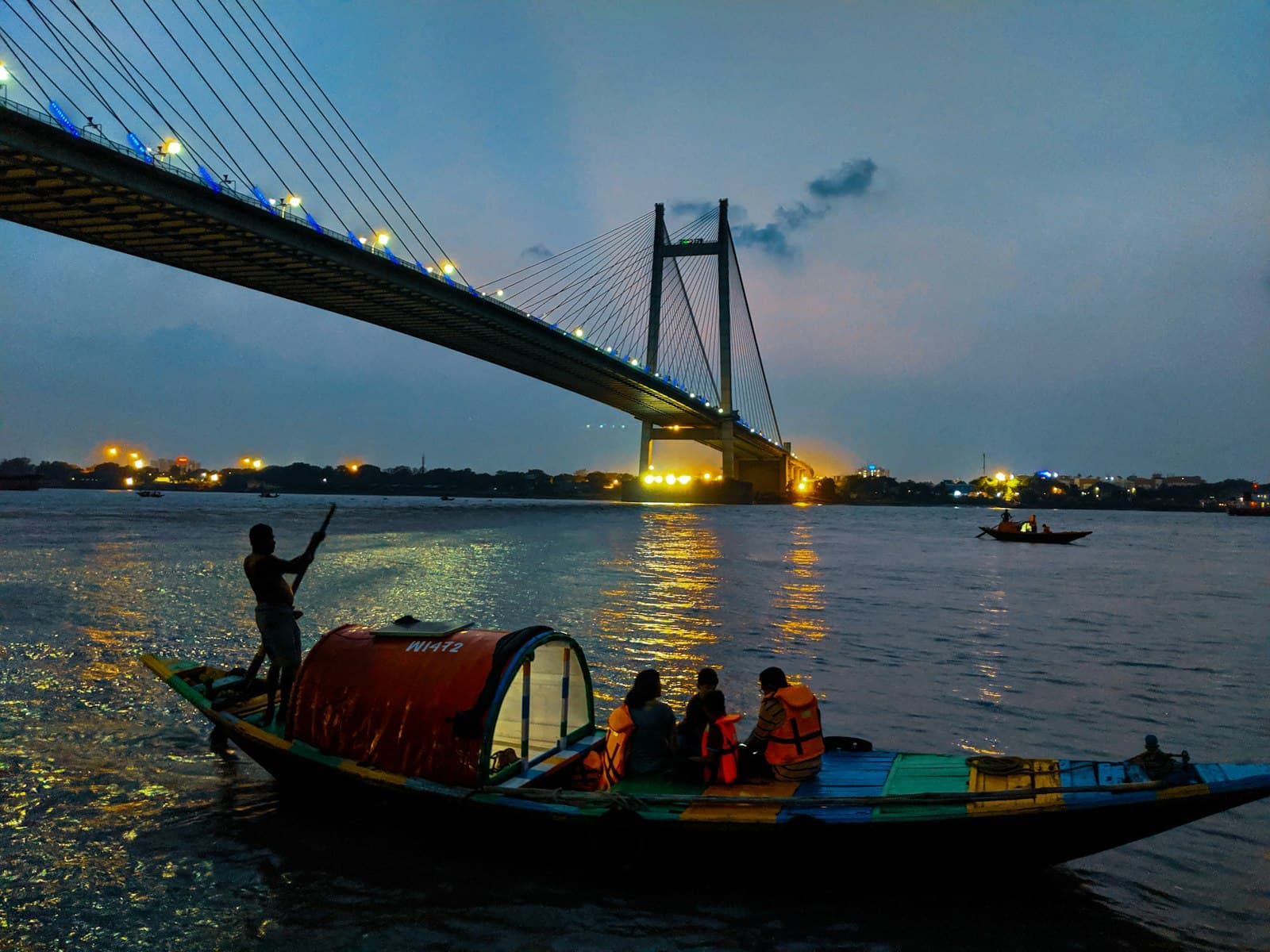
Мост Хаура
Этот культовый консольный мост несет на себе поразительную ежедневную нагрузку без единого болта или гайки в его конструкции.
Полная история открывается в туре
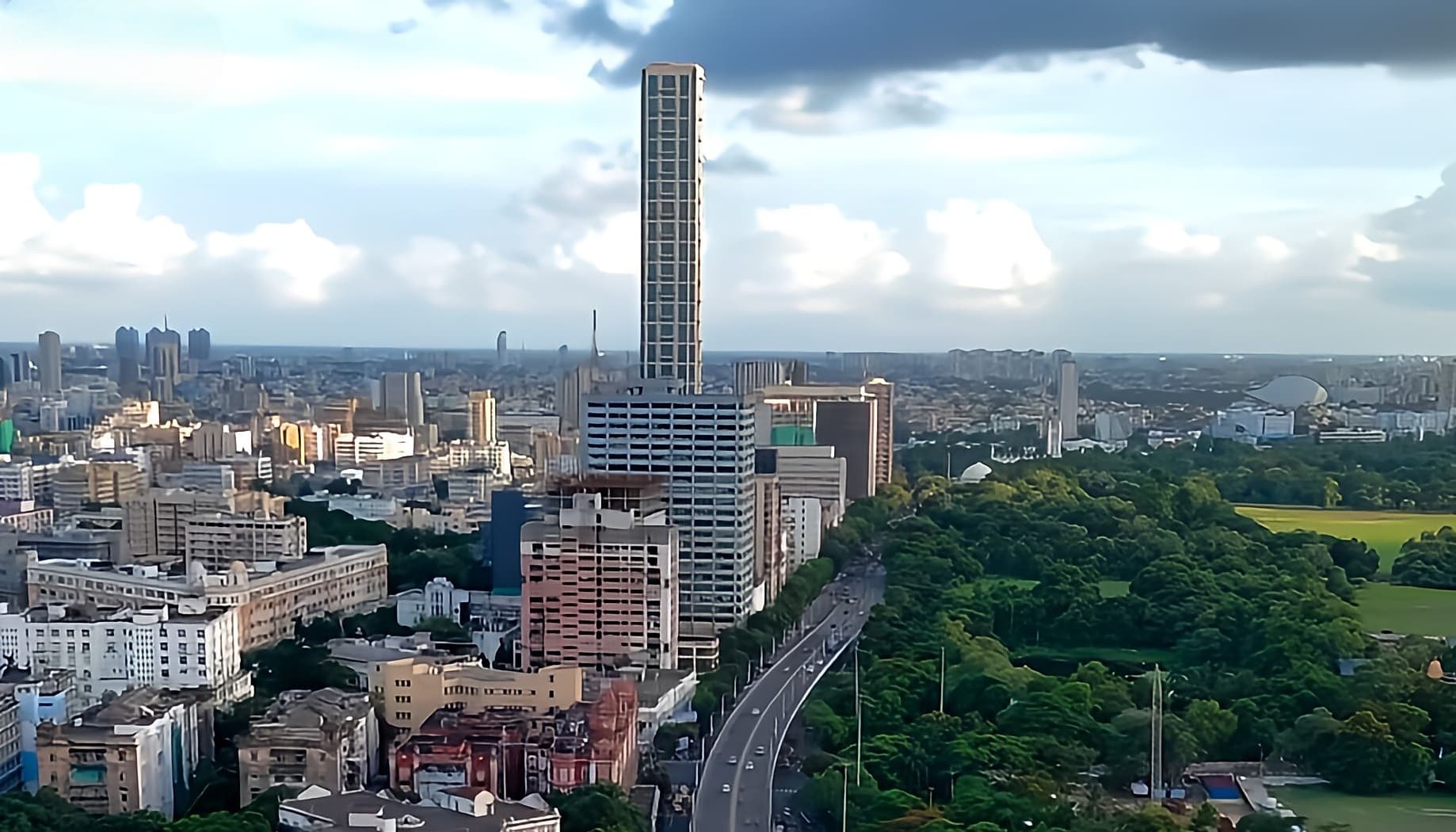 NalGup20 / CC BY-SA 4.0, via Wikimedia Commons
Самостоятельная аудиопрогулка по Калькутта — GPS-маршрут, офлайн-воспроизведение, увлекательное повествование на 32 языках.
“Калькутта: Где дышит прошлое и пульсирует настоящее.”
Не открытки. Истории, которые не знают даже местные жители — шепотом в вашем ухе, прямо там, где они произошли.
Этот культовый консольный мост несет на себе поразительную ежедневную нагрузку без единого болта или гайки в его конструкции.
Пройдя по этому лабиринтному кварталу, вы увидите, как боги и богини обретают форму из глины, но в их создании есть секретный ингредиент.
Частный особняк 19-го века, в нем хранится эксцентричная коллекция произведений искусства и диковинок, включая редкого Рубенса и весьма неожиданного обитателя.
Откройте для себя каждый секрет Калькутта
Каждый адрес, каждое полное раскрытие — в вашем ухе, прямо там, где это произошло.
Вы выбираете остановки. Вы гуляете. Голос раскрывает то, что упускают другие.

Ваш самостоятельный аудиотур по Калькутта готов — выберите свои достопримечательности, выберите свой язык и начните в момент прибытия.
КупитьВ Lume встроен гид дополненной реальности. Поднимите телефон: камера показывает улицу перед вами, а поверх реального изображения светится стрелка, всегда указывающая на вашу следующую остановку — не нужно разбираться с картой и сворачивать не туда. Как и всё в Lume, это работает полностью офлайн.
Колката, ранее Калькутта, — это город, который задействует все чувства. Это место, где величественная колониальная архитектура соседствует с оживленными рынками, а интеллектуальные беседы процветают в повседневной жизни. Часто называемая «Культурной столицей Индии», Колката воспитала лауреатов Нобелевской премии, революционных мыслителей и художественные движения, которые сформировали нацию.
Уникальный характер города представляет собой сплав его колониального прошлого и яркой бенгальской идентичности. От утренних песнопений, доносящихся из храмов, до аромата уличной еды, разносящегося по узким улочкам, Колката предлагает богатое разнообразие впечатлений. Это город, который приглашает к исследованиям, раскрывая свои истории и секреты тем, кто бродит по его улицам с открытым разумом.
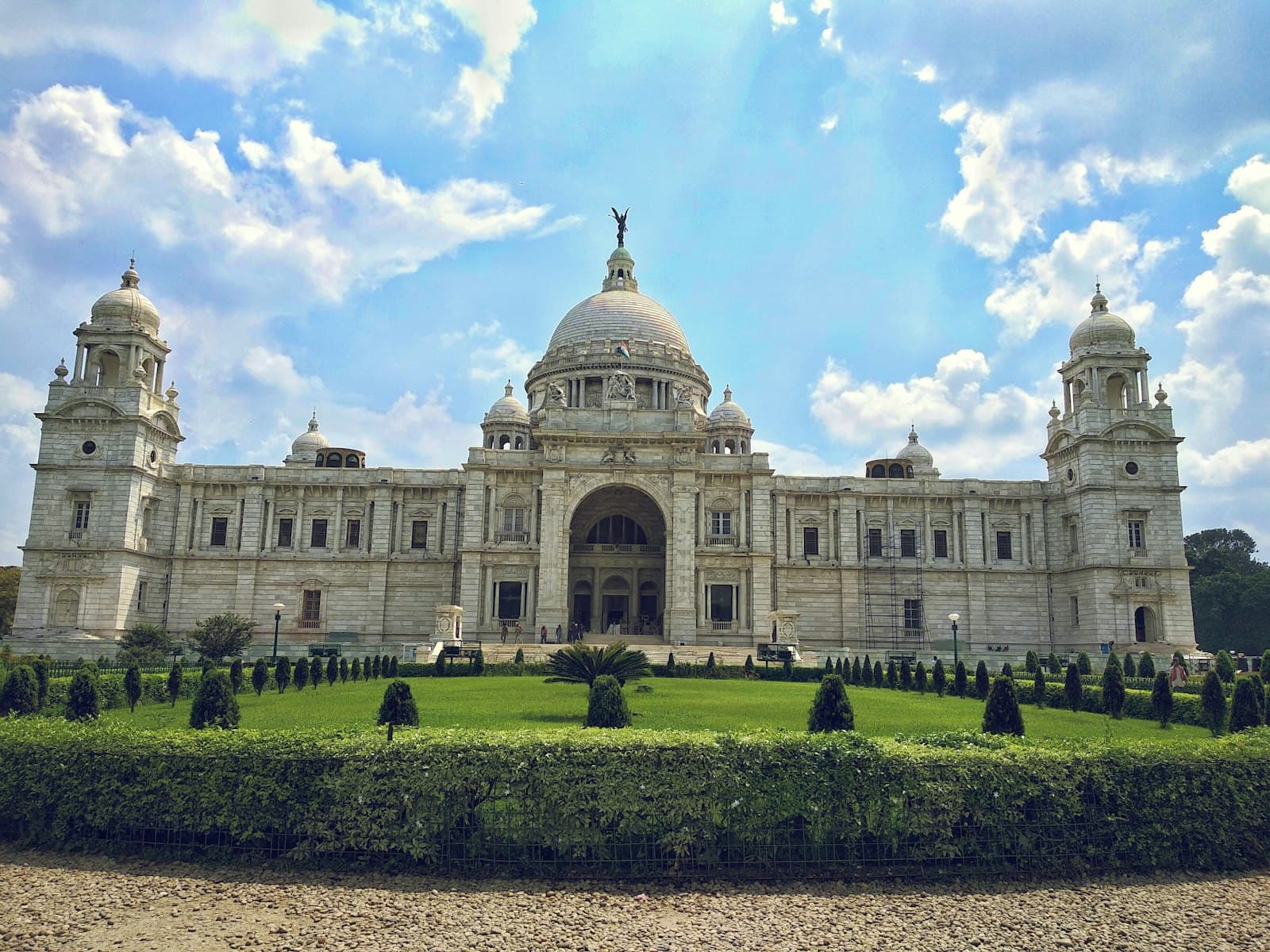
## Колыбель Раджа Истоки Колкаты восходят к 1690 году, когда Джобом Чарноком, агентом Британской Ост-Индской компании, был основан торговый пост в Сутанути, одной из трех деревень, которые в конечном итоге образовали город. Город быстро рос в значении, став столицей Британской Индии в 1772 году. В этот период были построены великолепные здания, что принесло Колкате прозвище «Город дворцов». Архитектурные стили варьируются от неоклассического до готического, отражая величие, которое стремились проецировать британцы. Мемориал Виктории, Индийский музей и Главное почтовое отделение являются яркими примерами этого колониального наследия.
## Центр Индийского Возрождения XIX и начало XX веков ознаменовались периодом огромного интеллектуального и художественного пробуждения в Бенгалии, часто называемого Бенгальским Возрождением. Колката находилась в его центре, взращивая таких деятелей, как Рабиндранат Тагор, первый неевропейский лауреат Нобелевской премии по литературе, и социальных реформаторов, таких как Раджа Рам Мохан Рой. Эта эпоха стала свидетелем расцвета современной индийской литературы, искусства и науки, а Колката служила горнилом для новых идей и выражений. Город также стал центром политической активности, сыграв решающую роль в движении за независимость Индии.
## Эволюция после обретения независимости После обретения Индией независимости в 1947 году и раздела Бенгалии Колката пережила значительные демографические и экономические сдвиги. Несмотря на трудности, город сохранил свою интеллектуальную и культурную энергию. Он продолжал оставаться центром искусства, кино и литературы, породив таких признанных режиссеров, как Сатьяджит Рей, и писателей, которые еще больше обогатили бенгальскую и индийскую культуру. Сегодня Колката — это раскинувшийся мегаполис, который борется со своим колониальным прошлым и современной идентичностью, город резких контрастов и неизменной привлекательности.
Начните свое исследование с Мемориала Виктории, величественного мраморного здания, посвященного королеве Виктории, окруженного зелеными садами. Неподалеку находится Индийский музей, один из старейших и крупнейших музеев Индии, где хранится обширная коллекция артефактов, включая мумию и останки буддийской ступы. Прогуляйтесь по мосту Хаура, инженерному чуду, которое пересекает реку Хугли и предлагает виды на оживленную набережную. Исследуйте Кумартаули, традиционный квартал гончаров, особенно оживленный перед фестивалем Дурга Пуджа, когда ремесленники создают сложные глиняные идолы. Посетите Дом Матери, штаб-квартиру Миссии Милосердия, где находится гробница Матери Терезы. Чтобы взглянуть на роскошную колониальную жизнь, посетите Мраморный дворец, частный особняк, наполненный европейским искусством и антиквариатом. Не пропустите поездку на знаменитых трамваях Колкаты, единственной действующей трамвайной сети в Индии, предлагающей ностальгическое путешествие по городу.
Самое приятное время для посещения Колкаты — прохладные месяцы с октября по март. Погода мягкая, температура колеблется от 15°C до 29°C (59°F до 84°F), что идеально подходит для осмотра достопримечательностей и активного отдыха. В этот период город также оживает благодаря различным фестивалям, особенно Дурга Пуджа в октябре.
Колката хорошо связана авиа-, железными и автомобильными дорогами. Международный аэропорт имени Нетаджи Субхаса Чандры Боса (CCU) обслуживает внутренние и международные рейсы. В городе действует обширная сеть общественного транспорта, включая метро Колкаты, местные поезда, автобусы, трамваи и желтые такси. Также широко доступны приложения для совместных поездок. Хотя уличная еда является квинтэссенцией Колкаты, будьте осторожны и выбирайте продавцов с высокой проходимостью для обеспечения свежести. Рекомендуется пить бутилированную воду. Отключения электроэнергии случаются реже, но все же возможны, поэтому в некоторых отелях есть генераторы. Wi-Fi обычно доступен в отелях и многих кафе. Местная валюта — индийская рупия (INR). Чаевые являются обычным делом для услуг, обычно 5-10% от счета.
Калькутта: корейский, китайский, иврит и ещё 29 языков — каждую остановку озвучивает носитель языка. Самый широкий выбор языков среди аудиоэкскурсий без гида.
Доступные языки: